The Ultimate 2026 Gift Guide: How to Choose an Open Choker Necklace
Discover the ultimate 2026 gift guide for the open choker necklace. Learn how to match metals, gauges, and styles to any occasion and recipient.

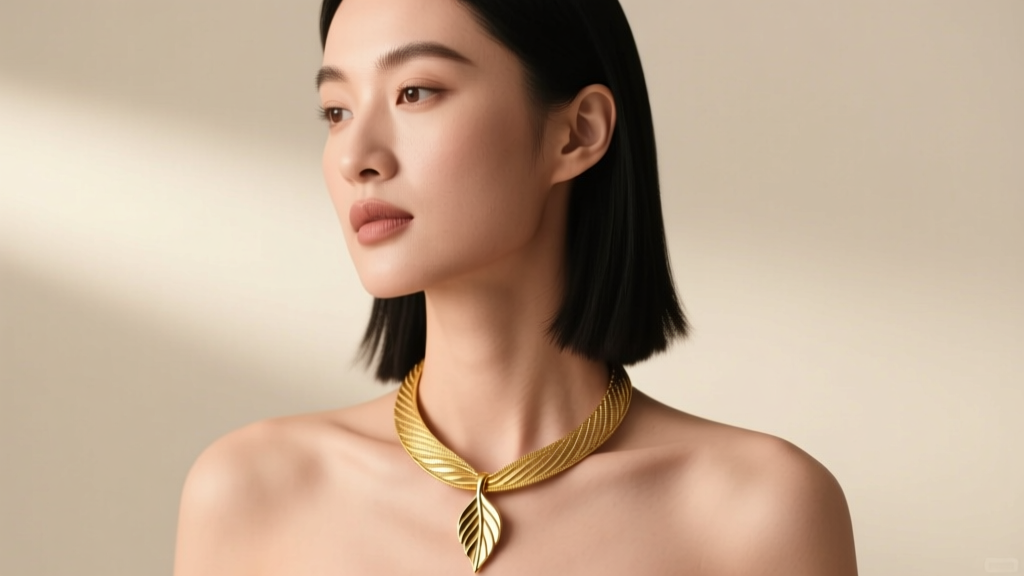
Gifting jewelry is an art form that requires balancing personal taste, lifestyle, and precise physical fit. In 2026, the open choker necklace—often referred to in the industry as a torque, cuff, or rigid collar—has cemented its status as a premier gift choice. Unlike traditional chain necklaces that can tangle or require constant adjustment, an open choker offers architectural elegance and immediate visual impact. However, because it relies on rigid tension rather than a flexible chain, gifting one requires a deeper understanding of metallurgy, gauge thickness, and anatomical sizing.
This comprehensive guide will walk you through the exact specifications, occasion-matching strategies, and sizing frameworks needed to select the perfect open choker necklace for any recipient.
The Metallurgy of Tension: Why Karat and Gauge Matter
The defining feature of an open choker necklace is its structural rigidity. It stays on the neck through a combination of its curved geometry and the natural 'springback' tension of the metal. Therefore, the alloy composition and wire gauge are not just aesthetic choices; they are mechanical necessities.
Gold Alloys and Springback
According to the Gemological Institute of America (GIA), pure 24k gold is far too malleable for tension-based jewelry. When gifting an open choker, 14k gold is mechanically superior to 18k gold. 14k gold (58.5% pure gold) possesses a higher Vickers hardness (typically 130-150 HV) compared to 18k gold (110-120 HV). This means a 14k open choker will retain its shape and tension over years of daily wear, whereas an 18k choker is prone to bending outward and losing its grip on the collarbone if pulled.
Wire Gauge Specifications
The thickness of the metal, measured in gauges, dictates the choker's visual weight and structural integrity.
- 10-Gauge (2.58mm): Heavy, bold, and highly rigid. Best for statement evening pieces. Requires a hinged closure due to lack of flexibility.
- 12-Gauge (2.05mm): The industry standard for luxury everyday cuffs. Offers the perfect balance of noticeable presence and comfortable tension.
- 14-Gauge (1.62mm): Delicate and slightly flexible. Ideal for minimalist, layered looks, but prone to warping if the recipient frequently pulls the ends apart to put it on.
Occasion Matching: Aligning the Choker to the Recipient
An open choker necklace is highly versatile, but the finish, material, and end-cap design should align with the recipient's primary use case.
The Minimalist Professional (Office & Daywear)
For the corporate environment or everyday minimalist, avoid high-polish finishes that catch overhead fluorescent light and create glare. Instead, opt for a 12-gauge 14k yellow or white gold choker with a brushed or satin finish. The ends should be flush, flat, or feature a subtle geometric cap (like a small cylinder or sphere). Brands like Mejuri and Monica Vinader excel in this $200–$400 tier, offering sleek, unembellished torques that sit flush against the clavicle without interfering with silk blouses or blazers.
The Evening Statement (Galas & Black-Tie)
Black-tie events call for high-contrast, reflective pieces. A 10-gauge sterling silver or white gold open choker with a mirror polish or pavé diamond end-caps provides a striking frame for the face. Because evening wear often features deep V-necks or strapless gowns, a wider inner diameter that rests slightly lower on the collarbone (a 'princess' length rigid collar) is preferred. For luxury gifting, the iconic Elsa Peretti Bone Cuff or similar sculptural collars from Tiffany & Co. remain the benchmark, though they command a premium price point starting around $1,500.
The Edgy Romantic (Concerts & Date Nights)
For a recipient with an alternative or avant-garde aesthetic, look for mixed metals or oxidized finishes. An oxidized sterling silver open choker with a darkened, matte texture provides a moody, vintage aesthetic. Alternatively, a two-tone choker featuring a yellow gold wire wrapped around a white gold core offers a modern, industrial edge. These styles pair exceptionally well with leather jackets, sheer fabrics, and asymmetrical necklines.
The Sizing Framework: Avoiding the 'Neck Pinch' Disaster
The most common point of failure when gifting an open choker necklace is improper sizing. Unlike chains, you cannot simply add an extender link. If the inner diameter is too small, it will restrict breathing and dig into the sternocleidomastoid muscle; if too large, it will slide off the shoulders.
To ensure a perfect fit, you must calculate the Total Inner Circumference and the Front Gap. According to sizing guidelines from Jewelers of America, a standard choker sits at 14 to 15 inches. For an open torque, you must account for the gap at the front or back of the neck.

| Recipient Neck Size | Ideal Metal Length | Front/Back Gap | Total Inner Circumference |
|---|---|---|---|
| 13.0 inches (Petite) | 11.5 inches | 1.5 inches | 13.0 inches |
| 14.0 inches (Standard) | 12.5 inches | 1.5 inches | 14.0 inches |
| 15.0 inches (Medium) | 13.25 inches | 1.75 inches | 15.0 inches |
| 16.0 inches (Large) | 14.0 inches | 2.0 inches | 16.0 inches |
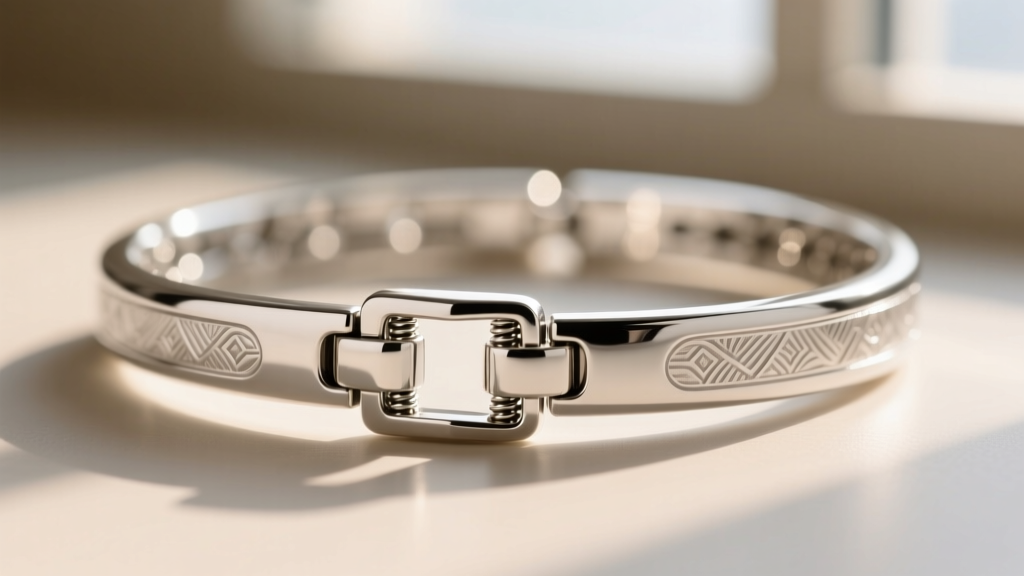
Pro-Tip for Gifting: If you cannot secretly measure the recipient's neck, purchase a choker with a hinged clasp rather than a pure tension-torque. Hinged open chokers feature a mechanical hinge on one side and a secure push-button or magnetic clasp on the other, eliminating the need to bend the metal and accommodating a wider range of neck sizes comfortably.
Price Tiers and Brand Benchmarks for 2026
Budgeting for an open choker necklace requires understanding where you are paying for material weight versus brand prestige.
- Accessible ($80 - $180): Brands like Gorjana and BaubleBar offer 14k gold-plated brass or silver torques. Warning: Plated tension chokers can wear down at the friction points where they rest on the collarbone. Best for occasional wear.
- Mid-Tier Luxury ($250 - $600): Mejuri, Missoma, and Monica Vinader dominate this space with solid 14k gold and heavily rhodium-plated sterling silver. These offer the best balance of metallurgical integrity and accessible pricing for milestone gifts.
- High Luxury ($1,200 - $5,000+): Designer houses like Cartier, Tiffany & Co., and David Yurman offer heavy-gauge, solid 18k gold and platinum cuffs. At this tier, you are paying for proprietary alloy hardness treatments, sculptural end-caps, and brand heritage.
The Final Gifting Checklist
Before wrapping your open choker necklace, run through this final quality assurance checklist:
- The Bend Test: Gently attempt to pull the ends apart. The metal should offer firm resistance and immediately snap back to its original shape without lingering deformation.
- The Edge Check: Run your thumb along the inner curve and the end-caps. There should be zero sharp edges or casting seams that could scratch the skin or snag delicate clothing.
- The Polish Inspection: Examine the inner curve under bright light. This area experiences the most friction; it should be perfectly smooth, even if the exterior features a textured or hammered finish.
- Presentation: Because open chokers cannot be coiled, they require a wide, specialized presentation box. Ensure the box has a contoured velvet neck-form to keep the choker suspended and prevent it from resting flat, which can dull the visual impact upon unboxing.
By prioritizing structural metallurgy, precise anatomical sizing, and the recipient's specific lifestyle, you elevate the open choker necklace from a simple accessory to a deeply considered, architecturally sound gift that will be cherished for decades.


