Puca Shell Necklace Gift Guide: Styles & Occasions for 2026
Discover the ultimate 2026 puca shell necklace gift guide. Learn how to choose authentic shells, match occasions, and style this coastal classic.

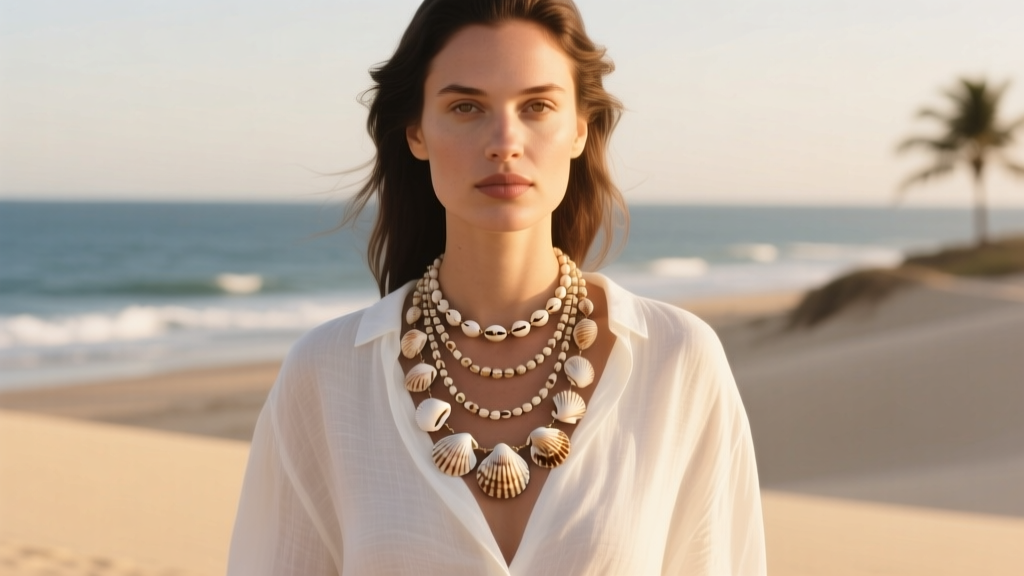
The puca shell necklace (widely known by its traditional Hawaiian spelling, puka) has transcended its 1970s surf-dog origins to become a mainstay of modern coastal-chic wardrobes. In 2026, gifting this iconic piece of organic jewelry is no longer just a nostalgic nod; it is a deliberate choice for sustainable, textural accessories that pair effortlessly with everything from resort wear to tailored linen suits. But as demand has surged, so has the market saturation of plastic imitations and poorly constructed stringing. This comprehensive gift guide will help you navigate the nuances of authentic shells, match the perfect style to your recipient's lifestyle, and ensure your gift stands the test of time.
The Anatomy of Authenticity: Real vs. Synthetic
The word "puka" translates to "hole" in Hawaiian, referring to the naturally occurring aperture in the center of the cone shell (Conus miliaris). When sourcing a puca shell necklace as a high-quality gift, authenticity is paramount. According to marine biology archives like Britannica, true shells are the weathered, ocean-tumbled remnants of cone snails, naturally polished by the sand and surf.
How to Spot the Real Deal
- Asymmetry: Genuine beads are never perfectly symmetrical. One side is typically more convex, while the other is slightly concave.
- The Hole: The central hole should be naturally formed, meaning it is rarely a perfect geometric circle. If the hole looks machine-drilled with sharp, uniform edges, you are likely looking at a cowrie shell that has been artificially punched.
- Weight and Temperature: Real shell is composed of calcium carbonate. It feels cool to the touch and has a distinct, dense weight that lightweight resins and acrylics cannot replicate.
Red Flags of Imitation
Avoid pieces that feature perfectly uniform color and shape across 100+ beads. Furthermore, if the necklace produces a high-pitched "clinking" sound that resembles glass or hard plastic rather than the dull, dense click of calcium carbonate, it is likely synthetic. Finally, be wary of extremely low price points (e.g., under $25 for a full choker), which mathematically preclude the intense labor cost of hand-sorting and matching natural ocean findings.
The 2026 Occasion Matching Matrix
Gifting jewelry requires an understanding of the recipient's daily environment. These shells are incredibly versatile, provided you select the right grading, stringing method, and hardware. Below is a decision framework to match the necklace to the occasion.
| Occasion | Shell Grade | Stringing & Hardware | Price Range |
|---|---|---|---|
| Casual Beach & Resort | Graduated, natural chips | Knotted nylon cord, no clasp | $45 - $90 |
| Smart Casual & Office | Uniform, polished chips | Silk cord, 925 Sterling Silver clasp | $120 - $280 |
| Evening & Date Night | Perfectly matched cones | 14k Gold wire-wrapping or chain | $350 - $800 |
| Milestone & Heirloom | Rare golden/white cones | 18k Gold, diamond-pave accents | $1,200+ |
Hardware, Sizing, and Stringing Specifications
A common failure mode in mid-tier necklaces is the degradation of the stringing material or the tarnishing of base-metal clasps. Because shells are organic gems with a Mohs hardness of roughly 3, they are relatively soft. Abrasive metal chains can actually wear down the shell around the drill hole over time, leading to cracking and breakage.
When evaluating a piece for gifting, look for these expert specifications:
- Stringing: Hand-knotted silk or high-tensile nylon. Knotting between each bead (or every group of beads) prevents catastrophic loss if the cord snaps and reduces shell-on-shell friction.
- Clasps: Avoid brass or copper alloys, which can oxidize and stain the porous edges of the shell. Opt for 925 sterling silver or 14k/18k gold lobster or spring-ring clasps.
- Lengths: The classic style is a 16-inch choker, which sits tightly against the collarbone. For a more modern, relaxed 2026 silhouette, opt for an 18-inch princess length or a 20-inch matinee length, which layers beautifully over crewneck tees and unbuttoned linen shirts.
Curated Gift Profiles: Who Are You Shopping For?
The Coastal Minimalist
She prefers quiet luxury and subtle textures. Avoid chunky, heavily graduated shells. Instead, gift a single-strand, 18-inch necklace featuring micro-puka chips (3mm-5mm) strung on a delicate 14k gold chain. This provides the organic texture of the shell with the refined sparkle of precious metal, making it perfect for everyday wear.
The Heritage Surfer
He values authenticity and ocean heritage. Look for traditional, unpolished, graduated shells strung on heavy-duty waxed cotton or nylon cord. The shells should show natural ocean wear, and the piece should slip over the head without a metal clasp, honoring the original surf culture of the Pacific.
The Trend-Forward Layerer
They view jewelry as an art form and love stacking. Gift a mixed-media piece that incorporates turquoise, coral, or small gold vermeil beads interspersed with the shells. This breaks up the monochrome white and brown palette and provides a vibrant anchor for their existing necklace stacks.
Ethical Sourcing and Environmental Impact
In 2026, conscious consumerism dictates that a luxury gift must be ethically sound. True Hawaiian shells are rare and protected; therefore, the vast majority of authentic pieces on the market today are sourced from the Indo-Pacific using similar cone shell species. When gifting, seek out brands that explicitly state their materials are sustainably beachcombed—gathered only after the organism has naturally expired and washed ashore—rather than harvested live. Some high-end jewelers now provide provenance cards detailing the origin of their organic materials. Avoiding mass-market, fast-fashion options is crucial, as these are often sourced through destructive dredging practices that damage reef ecosystems.
Care and Preservation: Protecting Organic Gems
The Gemological Institute of America (GIA) classifies shells as organic gems, meaning they require specific care to prevent chemical etching. Calcium carbonate is highly reactive to acids and harsh chemicals.
Pro-Tip for the Recipient: Chemical sunscreens containing oxybenzone or avobenzone can cause a dull, chalky film on the shells. Always apply sunscreen and let it absorb fully before putting the necklace on.
- Storage: Store the necklace flat or hung in a fabric pouch. Storing it in a humid, unventilated bathroom can promote the growth of mildew on the silk stringing material.
- Cleaning: Never use ultrasonic cleaners or commercial jewelry dips. Wipe the shells gently with a damp, soft microfiber cloth after exposure to saltwater or sweat to maintain their natural luster.
By understanding the biological origins, structural requirements, and styling nuances of this iconic accessory, you can confidently select a puca shell necklace that serves as a meaningful, enduring gift for any occasion.


