Best Knot for Necklace Security: A Value & Cost Guide
Discover which knot for necklace security offers the best long-term value. Compare DIY costs, cord materials, and professional restringing prices.

The Hidden Economics of Necklace Stringing
When a strand of gemstones or pearls snaps, the immediate concern is lost beads. However, from a budget and value assessment perspective, the true cost lies in the failure of the stringing method. Choosing the right knot for necklace longevity is not merely a crafting preference; it is a critical financial decision. In 2026, with the rising costs of professional bench jewelers and premium gemstones, understanding the economics of DIY knotting versus professional restringing can save collectors and everyday wearers hundreds of dollars annually.
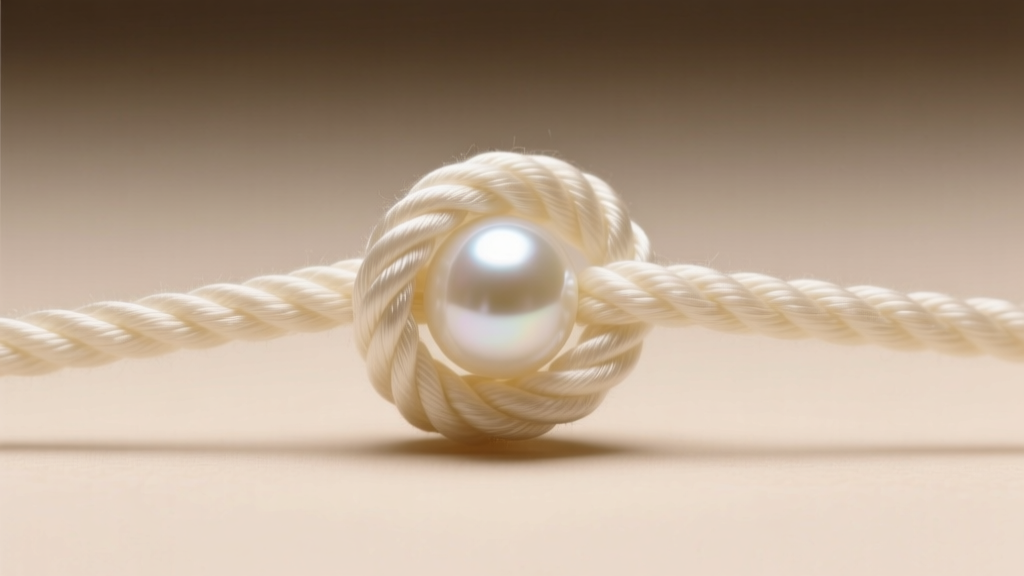
The value of a necklace knot is measured in risk mitigation. A single 8mm Akoya pearl can retail between $50 and $150. If a strand breaks without knots, the beads scatter and roll away, resulting in a catastrophic financial loss. If the strand is knotted between each bead, a break results in the loss of perhaps one pearl. The knot is an insurance policy woven directly into the jewelry.
Cost Breakdown: Professional Restringing vs. DIY Knotting
To accurately assess value, we must compare the upfront costs of professional services against the long-term yield of DIY materials. The table below outlines current 2026 market averages for necklace stringing and knotting.
| Service / Material | Average Cost (2026) | Expected Longevity | Value Rating |
|---|---|---|---|
| Pro Pearl Restringing (Silk) | $4.00 - $8.00 per inch | 2 - 4 Years | High (Heirlooms) |
| Pro Beading Wire (Soft Flex) | $35.00 - $60.00 flat fee | 10 - 15 Years | Moderate (No knots) |
| DIY Griffin Silk Cord (Size F) | $12.00 per 10m spool | 2 - 4 Years | Superior |
| DIY C-Lon Nylon Thread | $8.00 per 50m spool | 10+ Years | Exceptional |
As the data illustrates, professional silk restringing is a premium service. An 18-inch pearl necklace will cost between $72 and $144 to restring professionally. By mastering the correct knotting techniques and investing $12 in a spool of high-grade silk, the return on investment is immediate, provided you factor in the learning curve and the cost of basic tools like a beading awl ($10).
Analyzing the Best Knot for Necklace Longevity
Not all knots distribute tension equally. The structural integrity of the knot dictates how well it resists the friction of daily wear and the natural oils from the skin.
The Overhand Knot (The Pearl Standard)
The standard overhand knot is the undisputed king of pearl stringing. Tied between every single bead, it prevents bead-on-bead abrasion, which protects the delicate nacre of pearls and the polish of soft stones like turquoise. According to the Gemological Institute of America (GIA), preventing surface abrasion is vital for maintaining a pearl's luster and market value. The overhand knot is relatively easy to tie, but it requires a beading awl to push the knot flush against the bead before tightening.
The Surgeon's Knot (The Synthetic Solution)
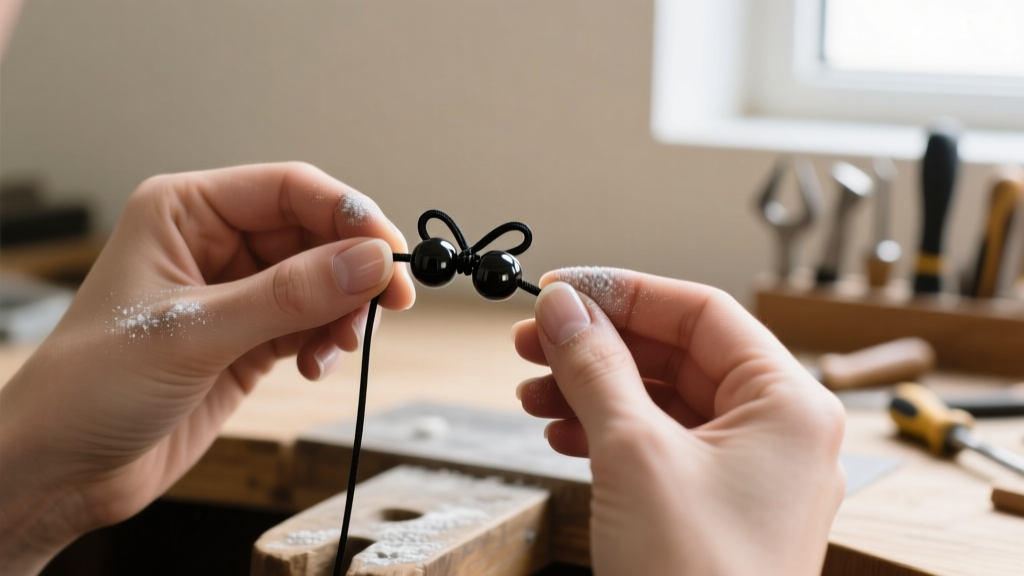
When working with modern synthetic cords like nylon or polyester, the cord's inherent slipperiness causes standard overhand knots to loosen over time. The surgeon's knot solves this by adding an extra twist on the first pass of the knot, creating immense internal friction. This is the highest-value knot for finishing the ends of a necklace where a bulky knot is needed to secure a clamshell bead tip. It holds fast without requiring excessive amounts of glue, preserving the flexibility of the cord.
The Figure-Eight Knot (Heavy Gemstones)
For heavy stone beads (like large jasper or agate), the figure-eight knot provides a broader surface area that prevents the knot from pulling through the bead's drill hole. While it uses slightly more cord, the prevention of drill-hole reaming (where a thin cord saws through the bead hole) saves expensive gemstones from being ruined.
Cord Material Value: Silk vs. Nylon vs. Wire
The knot is only as strong as the cord it is tied in. Evaluating cord materials through a budget lens requires looking at replacement frequency and failure modes.
- 100% Natural Silk (e.g., Griffin): Offers the most luxurious drape and is the traditional choice for high-end pearls. However, silk is an organic protein fiber. It absorbs sweat, perfume, and skin oils, causing it to stretch, stain, and eventually rot. Silk necklaces must be restrung every 2 to 4 years. The value here is in aesthetics and tradition, not longevity.
- Bonded Nylon (e.g., C-Lon, PowerPro): Nylon is impervious to water and body oils. It does not stretch or rot. A nylon-knotted necklace can easily last 10 to 15 years without needing restringing. The trade-off is that nylon is stiffer and lacks the fluid drape of silk, making it better suited for gemstone beads rather than fine pearls.
- Beading Wire (e.g., Soft Flex .019-inch): Crucially, beading wire is never knotted. It is made of twisted stainless steel strands coated in nylon. Attempting to tie a knot for necklace security in beading wire will result in a permanent kink that creates a weak point, leading to inevitable snapping. Wire requires crimp beads and crimping pliers, representing a completely different hardware budget.
Finishing Hardware: Maximizing Knot Value
A secure knot at the clasp is useless if the hardware fails or the cord frays against metal. Investing a few dollars in specialized finishing components yields massive dividends in necklace lifespan.
Clamshells and Knot Covers
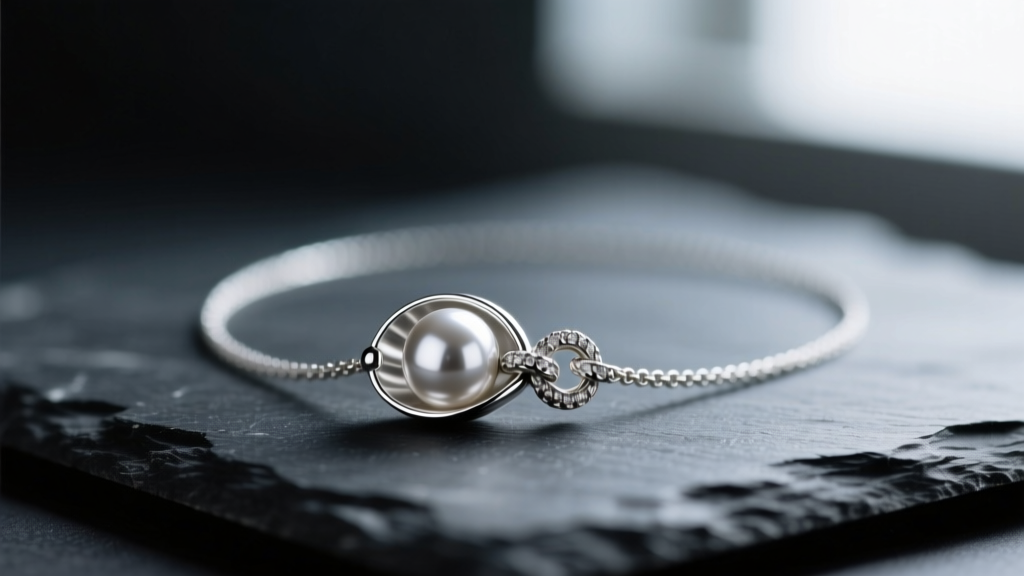
Clamshell bead tips (costing roughly $3 for a pack of 50) enclose the terminal surgeon's knot, providing a clean metal loop to attach to the clasp jump ring. This prevents the knot from rubbing against the metal clasp and fraying. The value is immense: a $0.06 piece of metal protects a $5,000 strand of South Sea pearls.
French Wire (Gimp)
For traditional silk pearl necklaces, the final inch of cord before the clasp is wrapped in a microscopic metal coil called French wire or gimp. This prevents the silk from sawing against the metal jump ring. A spool of sterling silver gimp costs about $15 and will last a lifetime of restringing jobs. Skipping gimp to save money is a false economy that guarantees premature cord failure at the clasp.
Failure Modes: When DIY Costs You More
To protect your budget, you must avoid the common chemical and mechanical mistakes that ruin expensive jewelry components.
Never use cyanoacrylate (Super Glue) on silk or nylon cord. Cyanoacrylate cures into a hard, brittle plastic that acts like a tiny knife, cutting through the fibers when the necklace bends. Always use a flexible jeweler's adhesive like GS Hypo Cement or a two-part flexible epoxy.
Another major failure mode is improper drill hole assessment. If you use a thick Size F (0.6mm) silk cord but force it through a bead with a 0.5mm drill hole, the friction will weaken the cord internally. When the necklace is worn, the body heat and tension will cause the internally damaged cord to snap. Always measure bead holes with digital calipers before purchasing cord, a $15 tool that prevents hundreds of dollars in ruined materials.
For further technical specifications on stringing materials and bead hole tolerances, the Fire Mountain Gems Encyclopedia remains an indispensable, free resource for both amateur and professional stringers looking to optimize their material budgets.
Final Verdict on Necklace Knot Value
When assessing the budget and value of necklace stringing, the knot for necklace security that offers the highest overall ROI is the surgeon's knot tied in bonded nylon thread, finished with sterling silver clamshell bead tips. This combination costs less than $20 in materials, requires minimal specialized tools, and provides a decade or more of wear without degradation. However, for heirloom pearls where drape and tradition dictate market value, the overhand knot on natural silk, protected by French wire, remains the mandatory standard, provided the owner budgets for professional or DIY restringing every three years.


