Yugi's Necklace Buying Guide: Materials, Sizing & Cosplay Tips
Discover how to choose the perfect Yugi's necklace replica. Compare materials, chain strengths, and jump ring gauges for durable cosplay and daily wear.

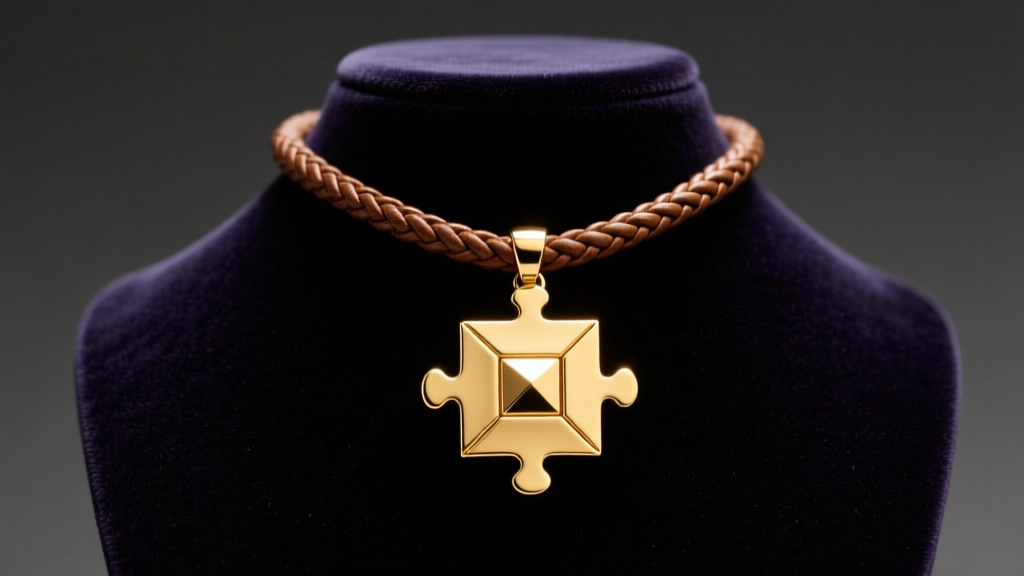
The Cultural Impact and Anatomy of the Millennium Puzzle
For over two decades, Yugi Mutou’s Millennium Puzzle has remained one of the most recognizable pieces of anime jewelry in pop culture. Originally depicted in the Yu-Gi-Oh! manga and anime as an ancient Egyptian artifact holding immense power, it has transcended its fictional origins to become a staple in cosplay, techwear, and alternative streetwear. However, when shopping for Yugi's necklace, buyers are often met with a flooded market of cheap, poorly constructed convention merchandise that breaks within a week. As of 2026, the gap between mass-produced toy replicas and high-quality, wearable jewelry adaptations has widened, making it crucial to understand metallurgy, structural integrity, and proportion before making a purchase.
The defining features of the puzzle include its inverted pyramid shape, the interlocking geometric lines, and the iconic Eye of Wdjat (the all-seeing eye) near the top bail. In the anime, the pendant is drawn massively, often taking up a third of Yugi’s chest. Translating this to real-world human proportions requires careful scaling. A true 1:1 anime-accurate replica would measure over 5 inches in length and weigh nearly a pound, acting as an uncomfortable pendulum that damages both the necklace chain and the wearer's collarbone. For daily wear and convention comfort, the ideal pendant size ranges from 2.5 to 3.5 inches in length, providing visual impact without sacrificing ergonomics.
Material Grades: From Convention Merch to Heirloom Jewelry
The material of the pendant dictates its weight, durability, and skin safety. Cheap anime merchandise often relies on porous alloys that cause contact dermatitis, while premium jewelers use solid metals that can last a lifetime.
Tier 1: Hollow Zinc Alloy (Zamak)
Most replicas priced between $10 and $25 are cast from Zamak, a zinc-based alloy containing aluminum, magnesium, and copper. While Zamak takes gold electroplating beautifully, it is inherently brittle and porous. The primary failure mode for Zamak pendants is the cast-in-place bail (the loop at the top). Because the metal is porous, the loop frequently snaps under the dynamic stress of walking. If you buy a Zamak replica, inspect the bail for micro-fractures and avoid wearing it during high-movement activities.
Tier 2: Solid Brass and Bronze
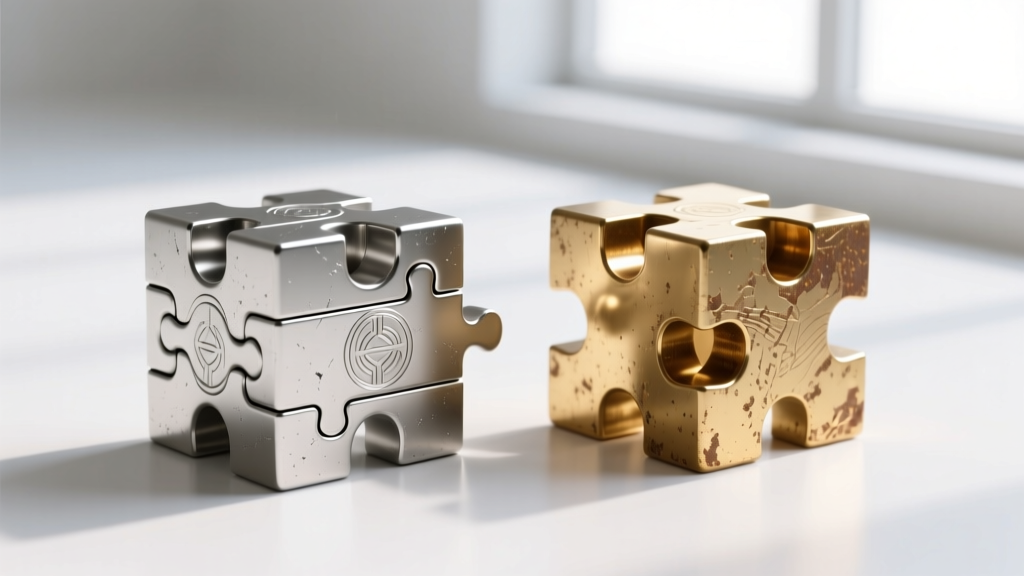
Priced between $50 and $120, solid brass or bronze replicas offer exceptional detail and a satisfying, premium weight (typically 80g to 150g). Brass is an alloy of copper and zinc that naturally develops a rich, dark patina over time. While some cosplayers use this oxidation to make the piece look like an authentic 3,000-year-old artifact, others prefer to maintain a high-polish gold finish using a jeweler's polishing cloth. According to metallurgical guidelines from Rio Grande, brass is highly malleable but work-hardens over time, meaning the jump rings connecting it to the chain must be properly annealed or replaced with steel to prevent snapping.
Tier 3: 925 Sterling Silver and Gold Vermeil
For collectors and luxury streetwear enthusiasts, custom silversmiths now offer the Millennium Puzzle in solid 925 sterling silver, sometimes accented with 18k gold vermeil or black rhodium inlay to highlight the engraved lines. These pieces range from $200 to over $600. Sterling silver is hypoallergenic, highly durable, and carries intrinsic scrap value. Because silver is a precious metal, these pieces often feature intricate micro-pave gemstone accents or hidden compartments, elevating them from cosplay props to genuine high-fashion pendants.
Chain Selection and Weight Distribution
The anime depicts Yugi wearing the puzzle on a simple, thick braided cord. In reality, supporting a heavy metal pendant requires careful consideration of chain tensile strength. The most common mistake buyers make is pairing a 150g solid brass puzzle with a cheap, thin ball chain or a fragile box chain. According to jewelry supply data from Fire Mountain Gems, standard ball chains have a break strength of less than 5 pounds, making them entirely unsuitable for heavy cosplay pendants that swing and catch on clothing.
| Chain Type | Recommended Thickness | Max Pendant Weight | Best Use Case |
|---|---|---|---|
| Braided Leather Cord | 4mm - 6mm | 200g+ | Screen-accurate cosplay, casual wear |
| Stainless Steel Rope Chain | 3mm - 5mm | 300g+ | Heavy brass/silver pendants, daily wear |
| Wheat (Spiga) Chain | 2.5mm - 4mm | 150g | Mid-weight silver replicas, streetwear |
| Ball Chain (Bead Chain) | 2.4mm - 3mm | Under 30g | Hollow Zamak toys only (Not recommended) |
For leather cords, ensure the end caps are crimped and glued with jeweler's epoxy, rather than relying solely on friction. For metal chains, a stainless steel rope chain offers the best combination of anime-accurate thickness and industrial-grade tensile strength.
The #1 Failure Point: Jump Rings and Bails
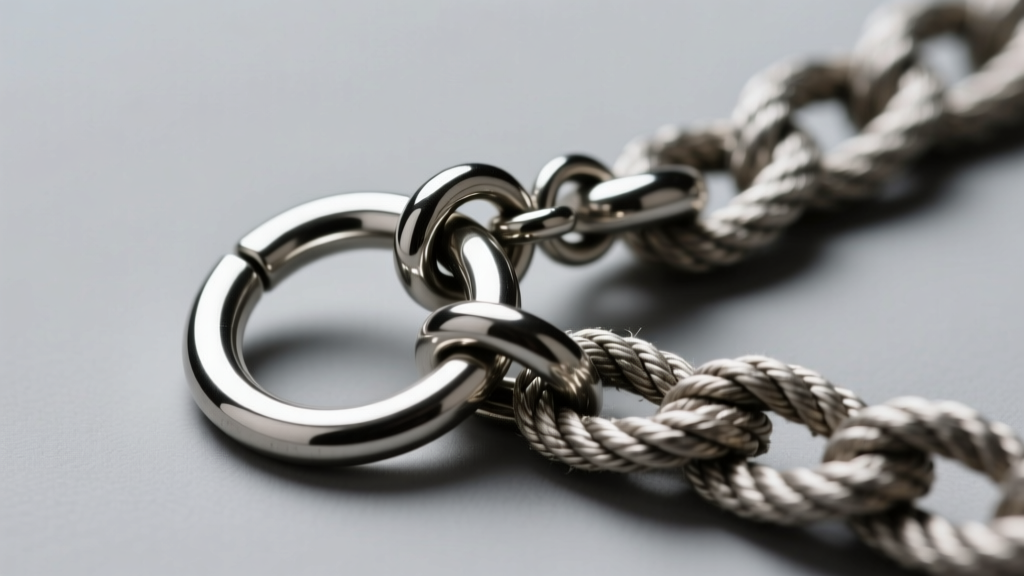
The hardware connecting the pendant to the chain is where 90% of necklace failures occur. When a heavy pendant swings, it creates kinetic energy that concentrates entirely on the jump ring. If the jump ring is made of soft wire or is too thin, it will slowly pull apart, resulting in the loss of the pendant.
When evaluating Yugi's necklace replicas, look for the following hardware specifications:
- Wire Gauge: The jump ring must be at least 16-gauge (1.2mm thick) or 14-gauge (1.6mm thick). Anything thinner (like 18-gauge or 20-gauge) will warp under the weight of a solid metal puzzle.
- Split Rings vs. Welded Rings: For heavy brass or silver puzzles, the jump ring should be soldered (welded shut) or replaced with a heavy-duty steel split ring (like a miniature keyring). Open jump rings that are merely twisted shut will eventually fail.
- Clasp Type: Avoid spring ring clasps, which have weak internal springs. Opt for a heavy-duty lobster clasp or a magnetic neodymium clasp rated for at least 15 pounds of pull force.
Styling Yugi's Necklace for Everyday Streetwear
While the Millennium Puzzle is a cosplay staple, its geometric, brutalist design makes it highly adaptable to modern alternative fashion. In the techwear and darkwear communities, the sharp angles and occult symbolism of the Eye of Wdjat complement the utilitarian aesthetics of brands like Acronym or Rick Owens. To integrate the piece into a daily wardrobe without looking like you are in costume, scale down the pendant to a subtle 1.5-inch sterling silver version and pair it with a matte black oxidized silver rope chain.
Layering is another effective technique. Wear the puzzle on a longer 24-inch chain, and layer it with a shorter, minimalist 18-inch geometric bar pendant or a simple choker. This breaks up the visual weight of the puzzle and anchors it as a deliberate fashion statement rather than a literal costume piece. Whether you are hunting for a screen-accurate convention prop or a subtle nod to your favorite anime, understanding the metallurgy and structural engineering behind Yugi's necklace ensures your investment survives the duel.


