Bali Necklaces Trend Report: Artisan Silver Layering in 2026
Discover how Bali necklaces are redefining 2026 silver jewelry trends. Explore artisanal granulation, oxidized finishes, and modern layering techniques.

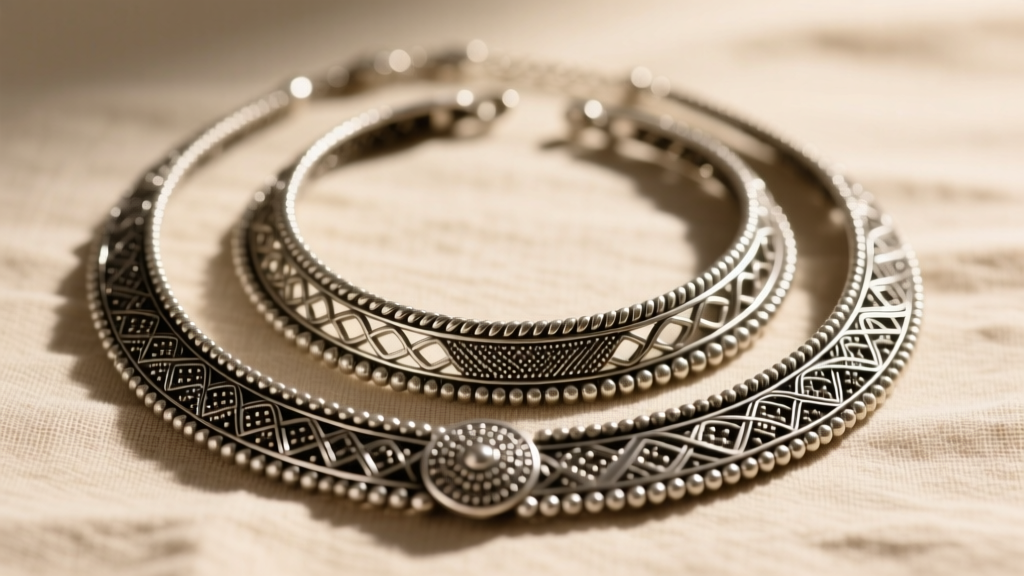
The Renaissance of Balinese Silver in Contemporary Fashion
For decades, Bali necklaces were largely relegated to the realm of bohemian festival wear and tropical vacation souvenirs. However, as we navigate the style landscape of 2026, a profound shift has occurred. Discerning collectors and high-fashion stylists are now looking past mass-produced tourist trinkets, gravitating instead toward the meticulous, heritage-rich craftsmanship of authentic Balinese silversmiths. This year, the narrative surrounding Bali necklaces is defined by a return to artisanal roots, where ancient metalworking techniques meet modern, curated layering aesthetics.
The modern consumer demands narrative and authenticity in their jewelry. According to industry analyses from JCK Online, buyers are increasingly willing to invest in pieces that showcase visible handcraftsmanship. Bali necklaces, with their signature granulation, intricate wirework, and rich oxidized patinas, offer a tactile and visual depth that machine-stamped minimalist chains simply cannot replicate. This trend report delves into the technical mastery behind these pieces and provides a definitive framework for styling them in 2026.
Decoding Authentic Balinese Craftsmanship
To truly appreciate the value of high-end Bali necklaces, one must understand the metallurgical and artistic techniques passed down through generations in villages like Celuk, the undisputed epicenter of Balinese silverwork. The authenticity of a piece is often determined by the precision of its micro-details.
Granulation and Filigree: The Hallmarks of Celuk
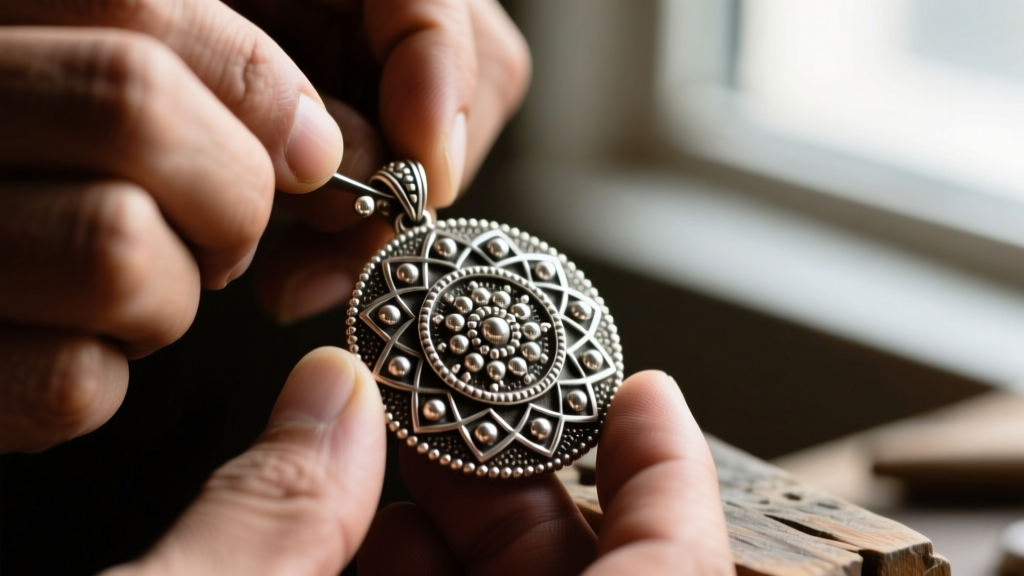
Granulation is the process of fusing microscopic spheres of silver to a base metal surface without the use of visible solder. Artisans achieve this through a delicate eutectic bonding process, often using a copper-silver salt flux that melts at a lower temperature than the sterling silver itself. In premium Bali necklaces, you will find granules measuring less than 0.5 millimeters in diameter, arranged in complex mandalas or barong motifs. Filigree, meanwhile, involves soldering impossibly fine wires—often drawn down to 26 or 28 gauge—into lace-like patterns. The tension and structural integrity required to solder these wires without melting them is a testament to the artisan's mastery over the torch.
Oxidation and Patina Techniques
The striking contrast found in authentic Bali necklaces is achieved through chemical oxidation. Silversmiths typically use a diluted liver of sulfur (potassium sulfide) solution to darken the silver. The skill lies not in the blackening, but in the subsequent polishing. Artisans use fine abrasives to polish only the high-relief areas, leaving the recessed filigree and granulation deeply shadowed. This technique, known as 'recessed patina,' creates a three-dimensional topography that highlights the architectural complexity of the design. As noted by the Gemological Institute of America (GIA), proper oxidation not only enhances visual contrast but can also provide a mild protective layer against environmental tarnishing when sealed correctly.
2026 Trend Analysis: How to Style and Layer Bali Necklaces
The styling paradigm for 2026 rejects the heavy, cluttered 'gypsy' aesthetic of the past. Today, the goal is intentional juxtaposition. Stylists are pairing the ornate, historically weighted textures of Bali necklaces with ultra-modern, sleek elements to create a balanced, contemporary look. Here is the definitive layering framework for this year:
- The Anchor (14-16 inches): Start with a delicate, modern chain—such as a 1.2mm oxidized box chain or a sleek blackened silver snake chain. This provides a dark, minimalist base that grounds the subsequent layers without competing for visual attention.
- The Artisan (18-20 inches): This is your focal point. Select a medium-sized Bali pendant featuring heavy granulation or a traditional Om motif. The intricate silverwork should sit precisely at the hollow of the collarbone. Ensure the bail (the loop connecting the pendant to the chain) is reinforced, as the solid 925 silver used in authentic pieces carries significant weight.
- The Minimalist (24-28 inches): Finish with a long, lightweight lariat or a simple silver bead chain. This elongates the torso and draws the eye downward, preventing the neckline from looking choked or overly burdened by the heavy artisan piece.
Buyer’s Guide: Pricing Tiers and Authenticity Markers
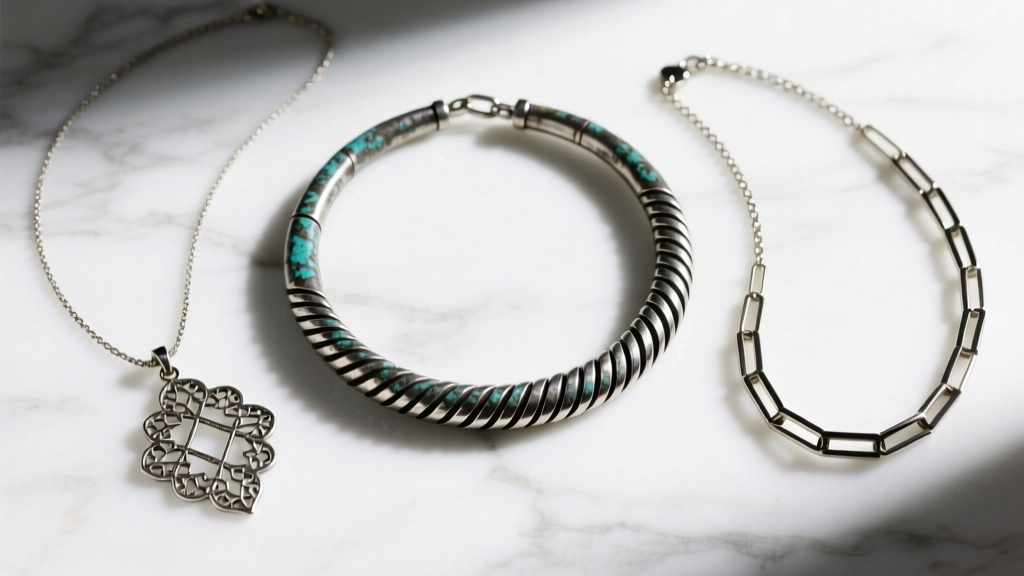
When shopping for Bali necklaces, the market is flooded with cast replicas masquerading as hand-forged artisanal work. Understanding the pricing tiers and manufacturing markers is crucial for making an informed investment. The table below outlines what to expect across different market segments in 2026.
| Tier | Manufacturing Method | Weight & Feel | Price Range (USD) | Identifying Markers |
|---|---|---|---|---|
| Tourist Grade | Cast from molds; lightweight | Hollow, lightweight, prone to denting | $25 - $60 | Uniform, blurry details; soldered jump rings; often marked '925' but fails acid test. |
| Artisan Export | Hand-soldered filigree; cast base | Substantial weight; solid feel | $85 - $250 | Sharp wirework; deep, even oxidation; secure bezel settings for stones; stamped '925' and maker's mark. |
| Haute Craft (Master) | 100% hand-forged; true granulation | Heavy, dense, structural | $300 - $800+ | Micro-granulation visible to naked eye; seamless joints; recessed patina; accompanied by artisan certificate. |
Caring for Intricate Oxidized Silver
Maintaining the striking contrast of a Bali necklace requires a departure from standard silver cleaning protocols. The most common mistake owners make is using ultrasonic cleaners or liquid silver dips. Ultrasonic vibrations can easily dislodge the microscopic granules that define the piece's value, while chemical dips will strip the intentional liver-of-sulfur oxidation, leaving the necklace a flat, blinding white.
Instead, adopt a targeted polishing routine. Use a dry, treated silver polishing cloth and gently buff only the raised, high-relief areas of the necklace. Avoid pressing the cloth into the deep crevices of the filigree. If the piece accumulates skin oils or lotions in the recesses, use a soft-bristled makeup brush dipped in a mild solution of distilled water and phosphate-free dish soap to gently sweep the crevices, followed by an immediate rinse and thorough drying with a microfiber towel.
'The beauty of Balinese silver lies in its shadows. When you polish away the oxidation, you erase the artisan's map of the design.' — Wayan Mudana, Master Silversmith, Celuk Village.
Final Thoughts on the Artisanal Shift
The resurgence of Bali necklaces in 2026 is more than a fleeting trend; it is a broader cultural pivot toward valuing human imperfection and historical continuity in an increasingly digital and mass-produced world. By understanding the profound technical skill required to execute true granulation and filigree, and by styling these heritage pieces with modern restraint, you elevate your jewelry collection from mere adornment to wearable art. Whether you are investing in a master-crafted mandala pendant or layering a delicate oxidized choker, authentic Balinese silver offers a timeless, textured elegance that continues to captivate the global style vanguard.


