Queen Elizabeth Gold Necklace: 2026 Value & Budget Guide
Discover how to assess the true value of a Queen Elizabeth gold necklace in 2026. Learn British hallmark decoding, karat pricing, and budget tips.

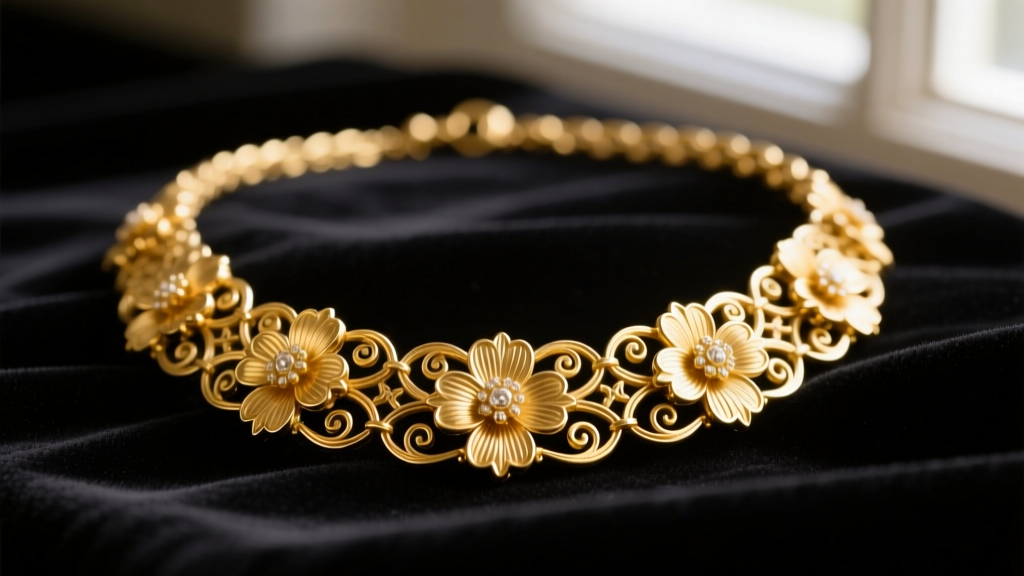
The Allure of Royal-Era British Gold
When collectors and estate jewelry enthusiasts search for a queen elizabeth gold necklace, they are usually navigating a complex intersection of royal history, British numismatics, and vintage mid-century design. Because the actual personal jewelry collection of Queen Elizabeth II is largely held in trust or kept within the Royal Family, the secondary market is dominated by three distinct categories: vintage British gold from her 70-year reign (1952–2022), royal-inspired multi-strand festoons, and British Sovereign coin necklaces. Assessing the true value and setting a realistic budget for these pieces in 2026 requires a deep understanding of British assay laws, gold purity standards, and numismatic premiums.
Elizabethan vs. Elizabeth II: A Crucial Distinction
Before assessing budgets, it is vital to clarify a common market confusion. The term "Elizabethan" refers to the era of Queen Elizabeth I (1558–1603), characterized by heavy enameled carcanets, Tudor roses, and museum-grade antiquities that rarely appear outside elite auction houses like Sotheby's. Conversely, a "Queen Elizabeth II" era necklace refers to pieces manufactured during her reign. These are typically mid-century retro designs, 1970s yellow gold rope chains, or Edwardian-revival festoons. The budget for the latter is highly accessible, driven primarily by gold weight, craftsmanship, and British hallmarks rather than royal provenance.
Decoding British Hallmarks: The Key to True Value
The foundation of valuing any vintage British gold necklace lies in its hallmarks. Under the UK Hallmarking Act of 1975, any gold item weighing over 1 gram must bear a legally recognized hallmark. According to The London Assay Office, a full traditional hallmark consists of several vital stamps that dictate the piece's baseline market value.
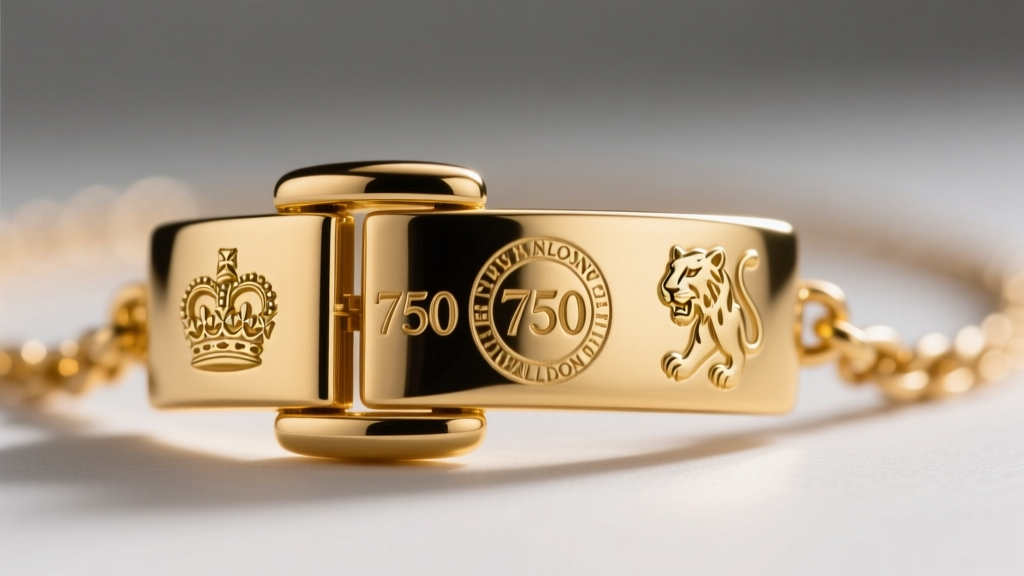
- Standard Mark: A crown denotes gold (while a globe denotes platinum, and a lion denotes sterling silver).
- Fineness Mark: This three-digit number is critical for budgeting. Look for 375 (9k gold, 37.5% pure), 585 (14k gold), 750 (18k gold), or 916 (22k gold). 9k gold is exceptionally common in British vintage jewelry, offering high durability but a paler yellow hue and a lower price point.
- Assay Office Mark: A leopard’s head indicates London, an anchor indicates Birmingham, a rose indicates Sheffield, and a castle indicates Edinburgh.
- Date Letter: A specific alphabetical font enclosed in a shield shape that pinpoints the exact year of manufacture, vital for establishing vintage provenance.
If a piece is stamped "18K" but lacks an assay office mark and a fineness number, it was likely imported post-1975 without proper UK registration, or it is a modern reproduction. This significantly depresses its collector value, reducing it strictly to its melt weight.
Market Tiers: From Sovereign Coins to Estate Festoons
To build an accurate 2026 budget, collectors must categorize the necklace style. The table below outlines the current market expectations for authentic Queen Elizabeth II-era gold necklaces.
| Style Category | Typical Karat | Avg Gold Weight | 2026 Est. Budget | Primary Value Driver |
|---|---|---|---|---|
| Sovereign Coin Chain | 22k (916) | 40g - 80g | $3,500 - $7,500 | Numismatic premium + melt value |
| Royal Festoon Replica | 18k (750) | 45g - 70g | $4,200 - $8,500 | Artisan cannetille wirework + pearls |
| Mid-Century Curb Chain | 9k (375) | 20g - 45g | $1,200 - $2,800 | Durability, vintage charm, daily wear |
| 1950s Retro Collar | 14k (585) | 35g - 60g | $2,500 - $4,500 | Geometric design, Festival of Britain era |
The Sovereign Coin Necklace Factor
The most direct connection to British royal heritage in the accessible jewelry market is the Sovereign coin necklace. Queen Elizabeth II appeared on Sovereign coins from 1957 until her passing, though collectors heavily favor earlier monarchs like Queen Victoria or King George V for their numismatic rarity. Understanding the math behind these necklaces is essential for avoiding overpayment.
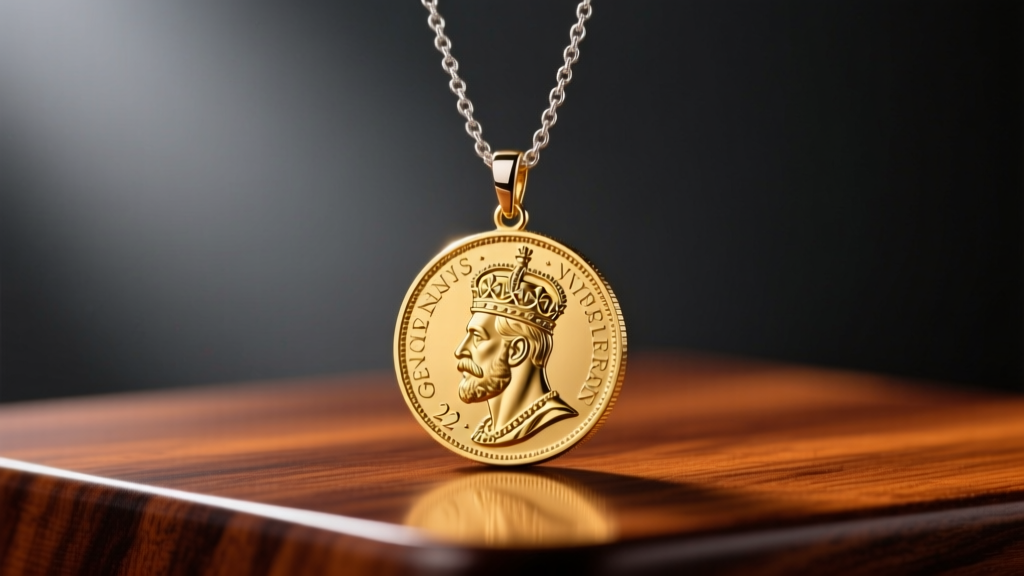
A standard British Sovereign coin weighs exactly 7.98 grams and is struck in 22k gold (91.67% purity). This yields an Actual Gold Weight (AGW) of 0.2354 troy ounces. With 2026 gold spot prices stabilizing at record highs (often exceeding $2,400 per ounce), the intrinsic melt value of a single Sovereign sits at approximately $565. If you are evaluating a queen elizabeth gold necklace featuring five Sovereign coins, the baseline gold value is roughly $2,825. However, The Royal Mint notes that collectors must budget an additional 15% to 30% premium for the numismatic rarity of the specific dates, the condition of the coin faces, and the custom 22k bezel fabrication.
Budgeting Strategies for the Modern Collector
If your goal is to acquire a piece that evokes the elegance of the Queen's personal style without paying auction-house premiums, focus on 18k gold festoon necklaces from the 1960s and 1970s. Queen Elizabeth II frequently wore multi-strand pearl and gold festoons for state banquets. Vintage British replicas of these royal styles feature intricate cannetille (wirework) and granulation. When budgeting for these, calculate the 18k melt value, then add a 20% to 40% craftsmanship premium. Avoid pieces where the seed pearls are glued rather than wire-wrapped, as this indicates lower-tier mass production from the 1980s rather than genuine mid-century artisan work.
Expert Tip: Always request the "gram weight" of the gold components separately from the pearls or gemstones. Unscrupulous sellers often weigh the entire necklace to inflate the perceived gold value of a 9k vintage piece.
Red Flags: Avoiding "Royal" Replicas and Overpriced Fakes
When navigating estate sales and online auctions, be highly skeptical of the following red flags:
- The "Royal" Stamp: A stamp that simply says "Royal" or "Crown" without a fineness number (like 375 or 750) is a decorative maker's mark, not a guarantee of gold purity. It is frequently found on gold-plated brass.
- Mismatched Clasps: If the chain links show heavy wear but the bolt-ring clasp looks brand new and lacks a hallmark, the clasp has been replaced. While common in vintage repair, it complicates the authentication of the chain's origin.
- Electroplating Marks: Look out for microscopic "EP", "GP", or "HGE" stamps near the jump rings. These denote Gold Plated or Heavy Gold Electroplate, which hold virtually zero intrinsic melt value regardless of their regal aesthetic.
Final Verdict: Is It Worth the Investment?
A genuine Queen Elizabeth II-era gold necklace remains a superb store of value in 2026, provided the buyer prioritizes British hallmarks and intrinsic gold weight over unverified "royal" marketing claims. By mastering the Hallmarking Act codes and understanding the precise AGW of Sovereign coins, collectors can confidently navigate the market, securing pieces that offer both historical resonance and enduring financial stability.


