Real Butterfly Necklace Pricing: 2026 Value & Buyer Guide
Discover if a real butterfly necklace is worth the investment in 2026. We break down material grades, pricing tiers, and hidden cost drivers.

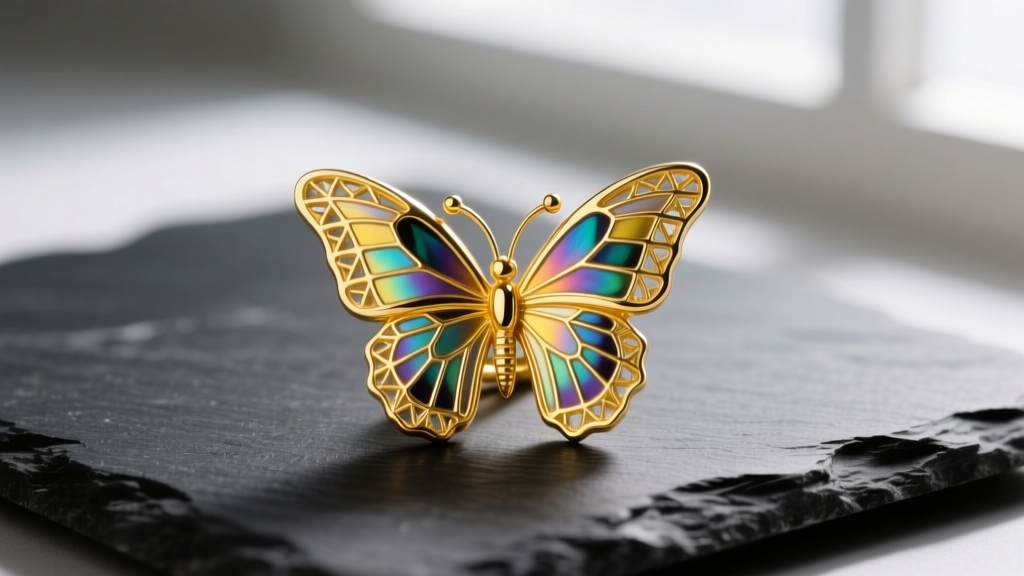
The "Real" Butterfly Necklace: Defining Value in 2026
Nature-inspired jewelry has dominated the market for the last decade, but as we move through 2026, consumers are becoming increasingly critical of what constitutes a "real" piece versus a mass-produced trinket. When shopping for a real butterfly necklace, the term "real" is heavily abused by fast-fashion brands and dropshippers. Does it mean real gold? Real gemstones? Real enamel? Understanding the intersection of metallurgy, craftsmanship, and market pricing is the only way to ensure you are paying for intrinsic value rather than a clever marketing narrative.
In this comprehensive value assessment, we dissect the anatomy of butterfly pendants and chains. We will explore the specific material grades that dictate longevity, the hidden mechanical failure points in 3D designs, and the exact pricing brackets you should expect to pay this year. Whether you are looking for a delicate everyday chain or an heirloom-grade guilloché piece, this guide will recalibrate your budget expectations.
Material Breakdown: What Are You Actually Paying For?
The foundation of any necklace's value lies in its base metal and surface treatments. According to the Federal Trade Commission (FTC) Jewelry Guides, strict rules govern how metals can be stamped and advertised, yet loopholes in online marketplaces still allow misleading terminology to thrive.
Solid Gold vs. Heavy Plating vs. Vermeil
A true investment piece will be crafted from solid gold. However, the karat weight drastically alters both the price and the structural integrity of the butterfly pendant.
- 10k Gold (41.7% pure): The most durable and affordable option. Ideal for intricate butterfly wing cutouts that require structural rigidity. Expect to pay $25–$40 per gram of scrap value, translating to retail pendants starting around $180.
- 14k Gold (58.3% pure): The industry standard for fine jewelry. It offers the perfect balance of rich color, tarnish resistance, and durability. Retail prices for a standard 14k solid butterfly pendant (approx. 2.5 grams) typically range from $250 to $450.
- 18k Gold (75% pure): Softer and richer in color, but prone to scratching. Best reserved for bezel-set gemstone butterflies rather than intricate metalwork.
- Gold Vermeil: A thick layer of gold (minimum 2.5 microns) over sterling silver. While vastly superior to standard gold-plated brass, vermeil will eventually wear through on high-friction areas like the bail (where the chain threads through). Value assessment: Fair for $60–$120, but not a lifelong heirloom.
Enamel Techniques: Cold vs. Vitreous
Many butterfly necklaces utilize enamel to mimic the vibrant, iridescent patterns of monarch or morpho butterflies. The technique used is a massive driver of both cost and longevity.
Cold Enamel (Epoxy Resin): This is essentially painted resin cured at room temperature. It is cheap to produce and prone to yellowing, chipping, and peeling within 12 to 24 months of daily wear. If a brand does not specify their enamel type, assume it is cold enamel.
Vitreous (Hot) Enamel: This involves fusing powdered glass to metal at temperatures exceeding 1,400°F. The result is a permanent, glass-like finish that will not yellow or peel. As noted by the Gemological Institute of America (GIA), vitreous enamel requires master-level craftsmanship, adding $150 to $500+ to the retail value of the piece, but guaranteeing a multi-generational lifespan.
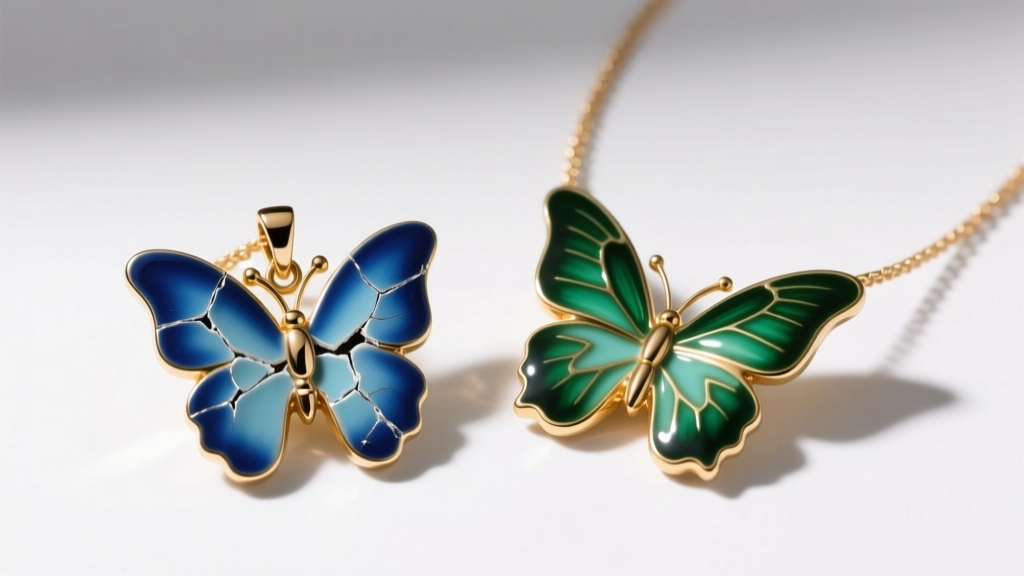
3D Hinged Butterflies: The Hidden Rust Trap
One of the most popular styles in 2026 is the 3D butterfly with hinged, moving wings. While visually stunning, this design introduces a critical point of failure that budget-conscious buyers must understand. Pure gold and silver are too soft to function as a durable hinge pin. Therefore, jewelers must use a base metal or steel pin to connect the wings.
If the hinge mechanism is not properly sealed with a waterproof jeweler's wax or a specialized micro-coating, moisture and sweat will penetrate the joint. Over time, the steel pin rusts, seizing the wings and eventually staining the surrounding gold or silver with irreversible iron oxide marks. When assessing the value of a hinged real butterfly necklace, always ask the jeweler how the hinge pin is sealed. If they cannot answer, walk away.
The 2026 Pricing Matrix: Budget, Mid-Tier, and Heirloom
To help you benchmark your purchases, we have compiled a pricing matrix based on current 2026 precious metal markets and manufacturing costs. This table assumes a standard pendant size (approx. 15mm x 12mm) paired with an 18-inch chain.
| Tier | Base Material | Surface / Accent | Chain Type | 2026 Price Range | Longevity |
|---|---|---|---|---|---|
| Budget | Brass or Copper | Flash Plated + Cold Enamel | Hollow Cable | $25 - $55 | 6 - 12 Months |
| Entry Fine | Sterling Silver 925 | Rhodium Plated + Cubic Zirconia | Solid Box Chain | $80 - $150 | 3 - 5 Years |
| Mid-Tier | Solid 10k or 14k Gold | Polished Metal + Mother of Pearl | 14k Rolo Chain | $280 - $550 | Lifetime |
| Heirloom | Solid 14k or 18k Gold | Guilloché Vitreous Enamel + Diamonds | 14k Wheat Chain | $850 - $2,500+ | Multi-Generational |
Chain & Clasp Mechanics: Hidden Cost Drivers
A common mistake buyers make is pouring their entire budget into the butterfly pendant while ignoring the chain and clasp. A heavy, solid gold pendant on a weak, hollow chain is a recipe for loss and heartbreak.
Chain Integrity
For pendants weighing over 3 grams, avoid delicate cable or snake chains, which are prone to kinking and snapping under lateral stress. Instead, opt for a Rolo chain or a Wheat chain. These styles feature interlocking, rounded links that distribute weight evenly and resist tangling. Furthermore, ensure the jump rings (the small loops connecting the chain to the clasp and pendant) are soldered shut. An unsoldered jump ring will inevitably pull apart when caught on a sweater.
Clasp Failure Rates
The standard spring-ring clasp has a documented failure rate of nearly 20% within the first two years of daily wear due to its fragile internal spring mechanism. Always upgrade to a lobster clasp. A high-quality lobster clasp features a solid internal spring and a wider opening, reducing the risk of accidental unhooking and providing a much more secure anchor for your investment.
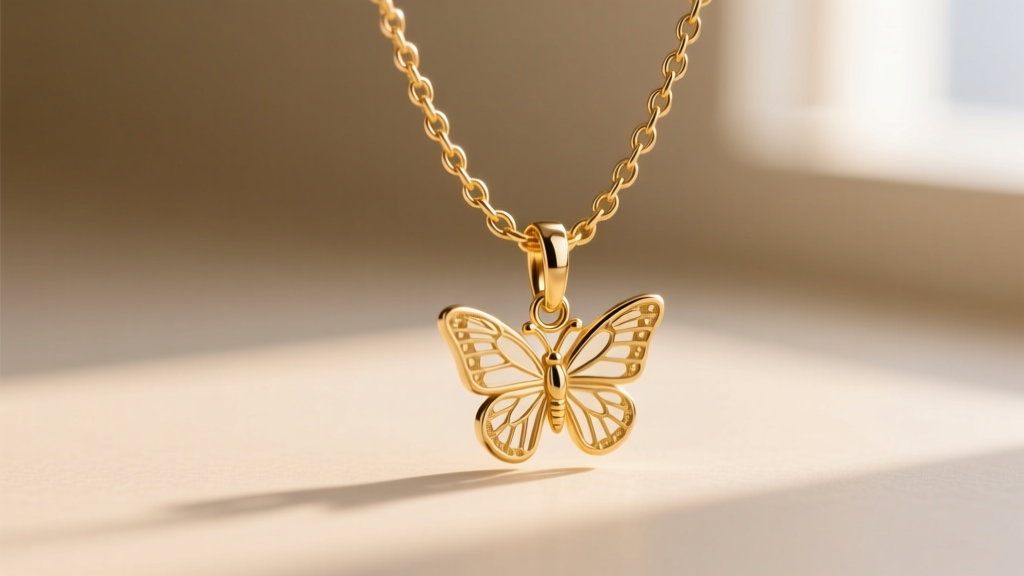
Red Flags: When a "Real" Butterfly Necklace is a Scam
When evaluating listings online or in boutique shops, keep an eye out for these deceptive practices that artificially inflate the perceived value of a necklace:
- The "Mystery Metal" Stamp: If the piece is stamped with "18KGP" (Gold Plated), "18K HGE" (Heavy Gold Electroplate), or simply "925" without a maker's mark, it holds virtually no intrinsic scrap value. You are paying purely for the brand name and design.
- Epoxy-Backed Mother of Pearl: Many mid-tier butterfly necklaces use Mother of Pearl (MOP) inlays for the wings. High-value pieces use solid gold or silver backings behind the MOP. Budget pieces use a thin sliver of MOP glued over black epoxy resin to create an illusion of depth and iridescence. Tap the wings with a fingernail; if it sounds like plastic rather than glass or stone, it is epoxy-backed.
- Overpriced Vermeil: Some trendy brands charge upwards of $250 for gold vermeil butterfly necklaces. While the designs may be aesthetically pleasing, the material cost of vermeil rarely justifies a price tag above $120. You are paying a 100% markup for the brand's Instagram marketing.
Final Verdict: How to Maximize Your Investment
Purchasing a real butterfly necklace in 2026 is a beautiful way to embrace nature-inspired aesthetics, provided you buy with your eyes wide open. If your budget is under $100, embrace high-quality sterling silver with rhodium plating to prevent tarnish, and accept that any enamel used will likely be cold resin that requires gentle care.
If your budget allows for the $300 to $600 range, insist on solid 14k gold, soldered jump rings, and vitreous enamel or precision-cut gemstone accents. By prioritizing structural integrity—like lobster clasps and sealed 3D hinges—over sheer carat weight, you ensure that your necklace remains a wearable treasure rather than a jewelry box casualty. True value in fine jewelry is not just about the raw materials; it is about the engineering that allows those materials to survive the rigors of daily life.


