Interlocking Ring Necklace Guide: Meanings, Metals & Styling
Discover everything about the interlocking ring necklace. Learn about metal grades, chain lengths, symbolism, and how to style this timeless piece.

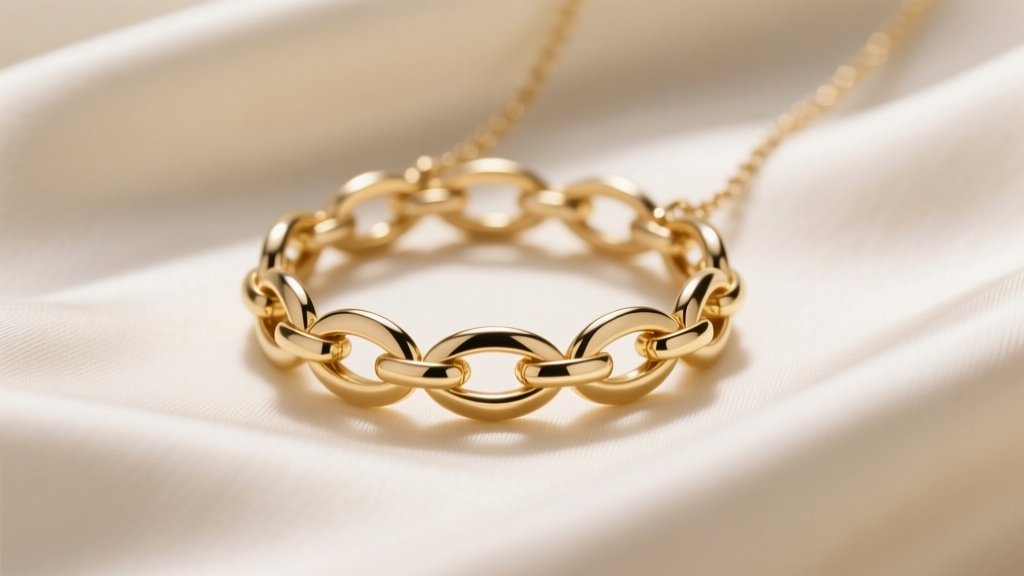
The Symbolism Behind the Interlocking Ring Necklace
The interlocking ring necklace is far more than a simple geometric pendant. Historically rooted in the concept of eternity, the continuous, unbroken circles represent an unbreakable bond, infinite love, and enduring connection. While often compared to the iconic Cartier Trinity ring, the necklace adaptation offers a minimalist, everyday wearable alternative that sits elegantly against the collarbone. For beginners entering the world of fine jewelry, this piece serves as a perfect foundational staple. It bridges the gap between casual daytime wear and sophisticated evening layering, making it a high-ROI addition to any jewelry box.
Decoding the Metals: Which Grade Should You Choose?
When shopping for an interlocking ring necklace, the metal composition dictates not only the price but the longevity of the piece. Because the rings constantly rub against one another, friction wear is a primary concern. Here is a breakdown of the most common materials used in 2026:
| Metal Type | Composition | Average Price Range | Friction & Tarnish Risk |
|---|---|---|---|
| Sterling Silver (925) | 92.5% Silver, 7.5% Copper | $40 - $120 | High tarnish risk; moderate friction wear |
| Gold Vermeil | Sterling base, 2.5+ microns 14k/18k gold | $80 - $250 | Gold layer can wear off at friction points over time |
| 14k Solid Gold | 58.5% Pure Gold, alloyed for strength | $250 - $600 | Low tarnish; excellent friction resistance |
| 18k Solid Gold | 75% Pure Gold | $400 - $900+ | Low tarnish; higher friction wear due to softness |
| Platinum (950) | 95% Platinum, 5% Ruthenium/Iridium | $800 - $1,500+ | Zero tarnish; extreme friction durability |
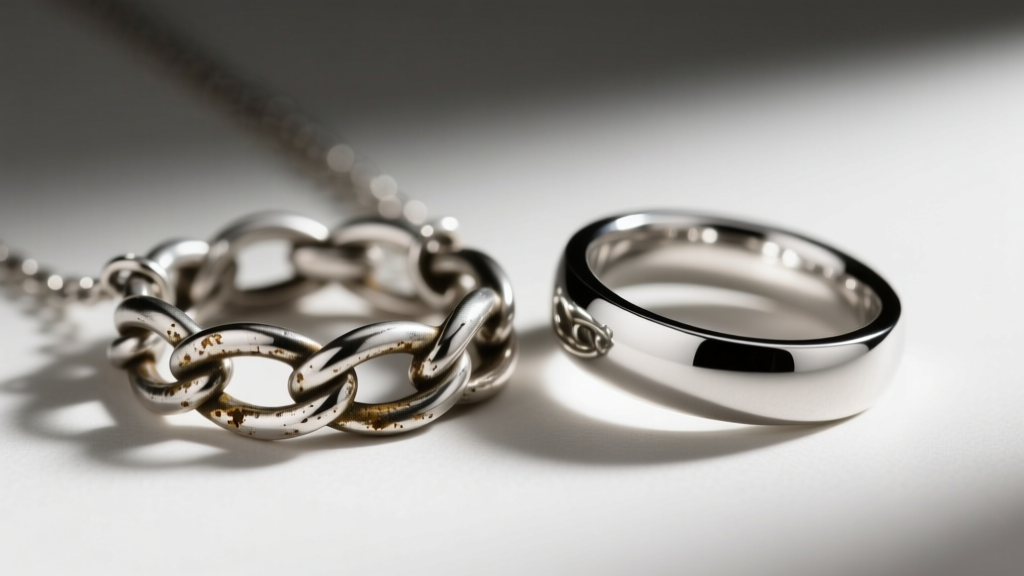
The Friction Factor: Why 14k Gold Beats 18k Gold Here
A common beginner mistake is assuming that a higher karat gold is always better. While 18k gold offers a richer, deeper yellow hue, it is inherently softer than 14k gold. In an interlocking ring necklace, the pendant's rings are in a state of perpetual micro-friction. Over several years of daily wear, 18k gold rings will actually grind against each other, slowly thinning the metal at the contact points. According to the Gemological Institute of America (GIA), the alloy metals in 14k gold (such as zinc, copper, and silver) provide a harder crystalline structure, making 14k the superior choice for moving, interlocking jewelry components that require structural integrity.
Chain Styles, Gauges, and Jump Rings
The pendant is only half the equation; the chain you select will dictate how the necklace drapes and how long it survives. For interlocking rings, you want a chain that lays flat and resists tangling within the pendant loops.
- Box Chains (0.9mm - 1.2mm): The geometric, square links of a box chain mirror the clean lines of the interlocking rings. More importantly, their smooth surface prevents the rings from catching on individual chain links.
- Cable Chains (1.0mm): A classic choice, but ensure the links are tightly welded. Loose cable chains can sometimes slip through the gaps in the interlocking rings, causing frustrating tangles.
- The Jump Ring Rule: Always inspect the jump ring (the small loop connecting the pendant to the chain). For a piece you plan to wear daily, ensure the jump ring is soldered closed or features a secure locking mechanism. A standard 18-gauge or 16-gauge split jump ring will eventually pull apart under the weight and movement of the metal rings.
How to Layer Your Interlocking Ring Necklace
Layering is where the interlocking ring necklace truly shines, but haphazard stacking leads to a tangled mess. To achieve a curated, professional look, follow the 'Two-Inch Rule'.

The Two-Inch Layering Framework
When building a necklace stack, each subsequent chain should be at least two inches longer than the one above it. This prevents the pendants from colliding and scratching one another.
- Base Layer (16 inches): Start with a delicate 16-inch interlocking ring necklace. This will sit snugly at the base of your neck, acting as a choker-style anchor.
- Mid Layer (18 inches): Add a simple 18-inch chain with a small, static pendant, such as a 3mm diamond solitaire or a tiny freshwater pearl. This draws the eye downward without competing with the interlocking rings.
- Anchor Layer (20+ inches): Finish with a 20-inch or 22-inch lariat chain, a heavy paperclip chain, or a long pendant necklace. This creates a 'V' silhouette that elongates the neck and frames the interlocking rings perfectly.
Care, Maintenance, and Troubleshooting
Maintaining the brilliant shine of your necklace requires specific care routines, especially for the hard-to-reach crevices where the rings overlap. Jewelers of America recommends regular, gentle cleaning to remove skin oils and environmental pollutants that accelerate tarnishing.
Troubleshooting: Why Do the Rings Get Stuck?
Beginners often panic when their interlocking rings fold flat against each other and become temporarily 'stuck' or stiff. This is usually caused by a buildup of microscopic debris (lotions, dead skin cells, dust) in the friction joints, combined with slight metal burrs from manufacturing.
Pro Tip: Never pull stuck rings apart with pliers or excessive force, as this will warp the perfect circular geometry. Instead, soak the pendant in a bowl of warm water with a few drops of mild dish soap for 10 minutes. Gently work the rings back and forth while submerged. The lubrication will free the joints. Dry thoroughly with a microfiber cloth.
For sterling silver versions, use a specialized silver polishing cloth to buff the outer edges. Avoid using liquid silver dips or ultrasonic cleaners on oxidized or antiqued interlocking rings, as the harsh chemicals will strip the intentional dark patina from the recessed areas, leaving the piece looking flat and overly bright. By understanding the mechanics, metals, and styling frameworks of the interlocking ring necklace, you can confidently select and wear a piece that will remain a timeless fixture in your wardrobe for decades.


