The Brass Necklace Trend: 2026 Style & Alloy Guide
Discover the 2026 brass necklace trend. Our expert guide covers brass alloys, patina care, layering techniques, and how to prevent green skin.

The 2026 Resurgence: Why Brass is Dominating Runways
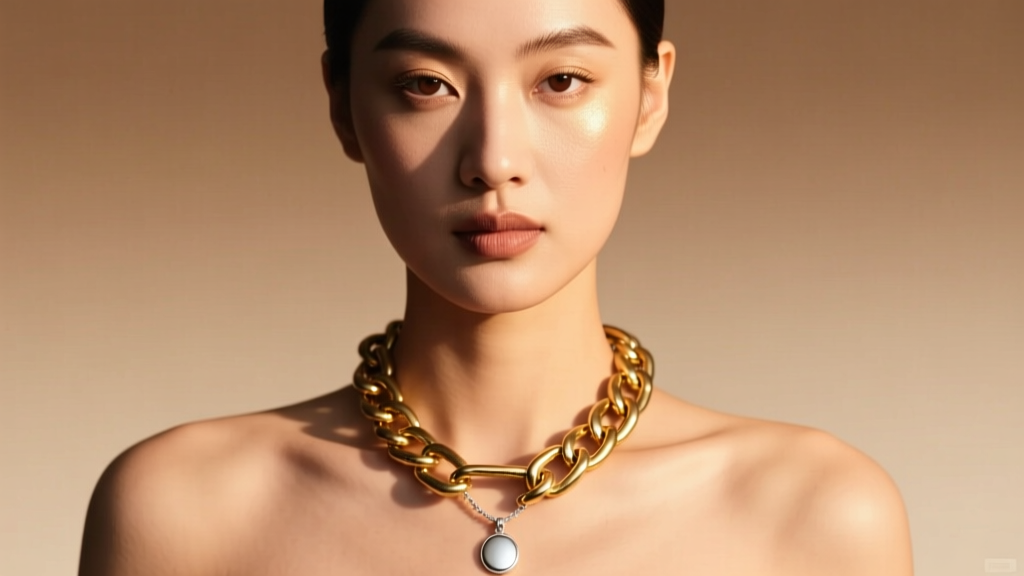
As we navigate the 2026 jewelry landscape, a distinct shift away from the hyper-polished, cool-toned dominance of white gold and platinum has taken hold. In its place, the brass necklace has emerged as a cornerstone of what trend forecasters are calling 'Warm Maximalism.' This movement celebrates earthy, lived-in aesthetics, and brass—with its rich, golden-brown hues and organic aging properties—fits the brief perfectly. According to Vogue Trend Forecasts, contemporary consumers are increasingly drawn to materials that tell a story and evolve with the wearer, rather than remaining static. Brass offers exactly this dynamic relationship.
However, the modern brass necklace is no longer relegated to cheap costume jewelry bins. Today's artisans and designers are leveraging high-grade metallurgical brass, employing precision casting, and utilizing advanced sealants to elevate this base metal into a luxury staple. Whether you are looking to invest in a heavy-gauge vintage-inspired curb chain or a delicately stamped geometric pendant, understanding the material science and styling nuances of brass is essential for building a forward-thinking jewelry wardrobe.
Metallurgy 101: Decoding Brass Alloys for Jewelry
Not all brass is created equal. Brass is fundamentally an alloy of copper and zinc, but the exact ratio—and the inclusion of trace elements—drastically alters its workability, color, and skin safety. The Copper Development Association categorizes brass into several distinct families, but only a few are appropriate for fine and semi-fine jewelry.
| Alloy Designation | Composition | Jewelry Application | Skin Safety |
|---|---|---|---|
| C26000 (Cartridge Brass) | 70% Copper, 30% Zinc | Stamping, chain drawing, wire wrapping. Highly ductile with a warm yellow-gold color. | Excellent (Hypoallergenic) |
| C46400 (Naval Brass) | 60% Cu, 39.2% Zn, 0.8% Tin | Cast pendants, maritime-themed pieces. Highly resistant to saltwater corrosion. | Excellent |
| C36000 (Free-Machining) | 61.5% Cu, 35.5% Zn, 3% Lead | Mass-produced screw components. Rarely used in high-end jewelry due to lead content. | Poor (Avoid for skin contact) |
When sourcing a brass necklace, always look for C26000 (often just called 'jeweler's brass' or 'cartridge brass'). It provides the closest visual match to 14k yellow gold and is entirely nickel-free and lead-free, making it safe for prolonged skin contact. Avoid unmarked 'mystery brass' from overseas fast-fashion retailers, as these often contain nickel or lead to lower manufacturing costs, which can trigger severe contact dermatitis.
The Patina Debate: Raw vs. Sealed Finishes
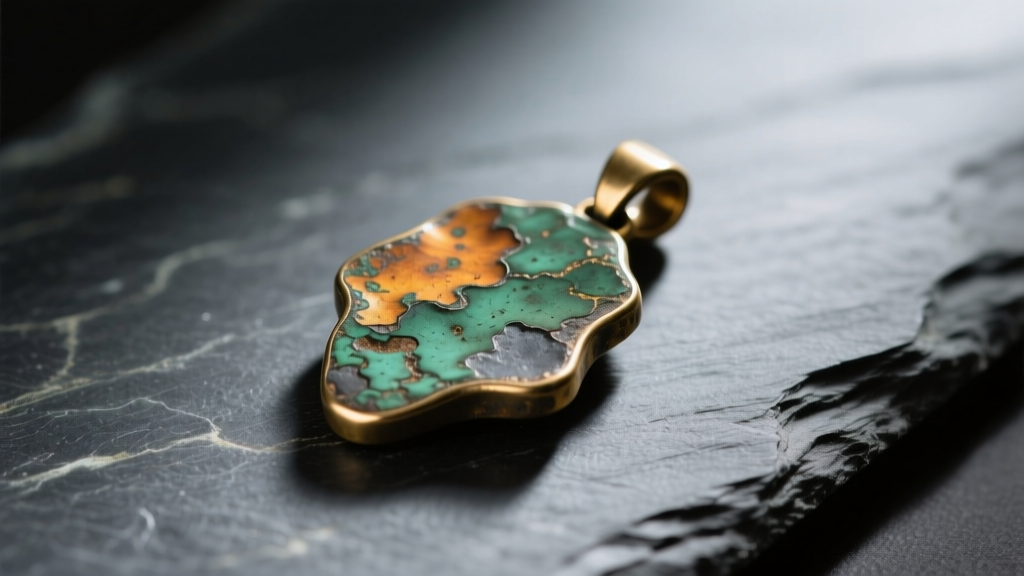
The most defining characteristic of a brass necklace is its relationship with oxygen and moisture. Raw brass will naturally oxidize, developing a patina that ranges from deep amber to rich brown, and eventually to a greenish-black verdigris (cupric chloride) in high-moisture environments. This aging process is highly prized by vintage enthusiasts, but it requires a specific mindset to embrace.
For those who prefer the bright, gold-like shine of new brass, jewelers apply protective coatings. In 2026, the industry standard for high-end brass jewelry is ProtectaClear by EverBrite. Unlike cheap polyurethane sprays that peel and flake within months, ProtectaClear is a clear, tough, skin-safe coating that mimics the natural luster of the metal while blocking oxygen. Another traditional favorite among artisans is Renaissance Wax, a micro-crystalline wax that provides a soft, satin finish and moderate tarnish resistance, though it requires reapplication every few months. When shopping, always verify whether a piece is sold 'raw' or 'sealed,' as this will dictate your entire maintenance routine.
Styling Framework: Layering Brass in the Current Era
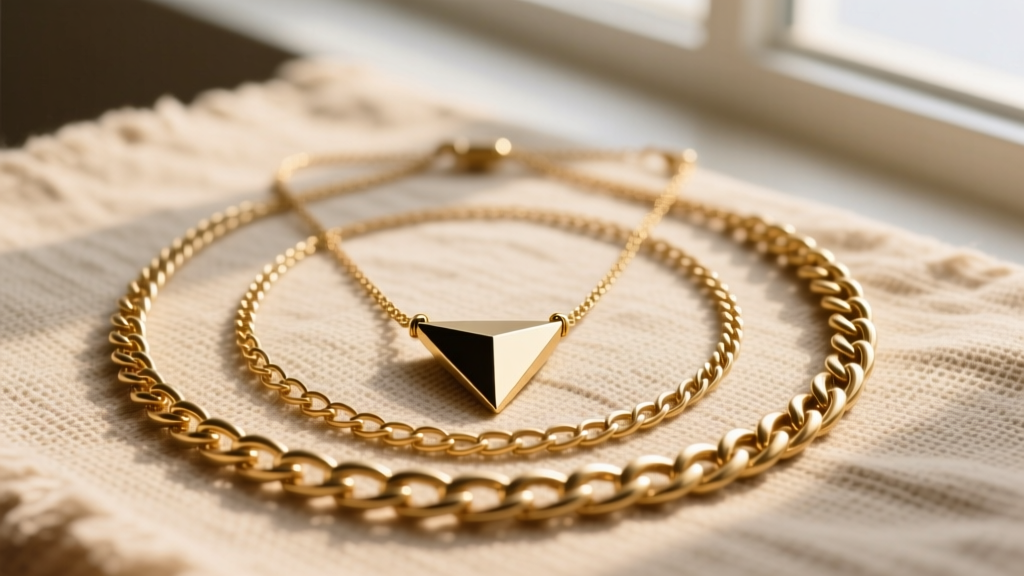
Layering remains a dominant styling technique, but the 2026 approach to layering brass necklaces relies on deliberate contrast in both gauge (thickness) and texture. Mixing brass with oxidized silver or matte black titanium creates a striking, multi-dimensional look. Here is a master framework for building a three-piece brass layering stack:
- The Anchor (14-16 inches): Start with a heavy-gauge chain. A 4mm to 5mm brass Cuban link or Figaro chain sits perfectly at the collarbone. The thick links catch the light and provide a substantial visual weight that grounds the stack.
- The Bridge (18-20 inches): Introduce texture with a medium-gauge chain. A 2mm brass rope chain or a 2.5mm box chain works beautifully here. The rope chain's twisted links will trap natural skin oils and oxidize faster in the crevices, creating a beautiful high-contrast antique effect over time.
- The Focal Point (22-24 inches): Finish with a delicate 1mm brass cable chain holding a substantial pendant. Think raw cast brass talismans, geometric C46400 naval brass discs, or even a mixed-metal pendant featuring a brass bezel set with a rough-cut turquoise or lapis lazuli stone.
Sourcing & Pricing Tiers: What to Expect in 2026
Because brass is an abundant base metal, the value of a brass necklace lies almost entirely in the craftsmanship, design, and finishing techniques rather than the raw material cost. Understanding the pricing tiers will help you identify true artisan value versus overpriced mass production.
Tier 1: Fast Fashion & Mass Market ($15 - $45)
These pieces are typically machine-stamped from thin sheets of C260 brass and plated with a micro-layer of clear lacquer. They are fine for seasonal trends, but the lacquer will inevitably chip, leading to uneven, patchy tarnishing that is difficult to polish out.
Tier 2: Independent Artisans & Small Batch ($60 - $150)
Here you will find hand-fabricated chains, sand-cast pendants, and proper metallurgical finishing. Artisans in this tier often use traditional jeweler's saws, files, and flex-shafts to finish each piece. They are more likely to use high-quality sealants or offer detailed care instructions for raw brass.
Tier 3: Designer & Luxury Contemporary ($180 - $400+)
At the top tier, brass is treated with the same reverence as precious metals. Expect complex lost-wax casting, seamless chain weaves, and integration with semi-precious stones. Designers in this space use brass specifically for its architectural, brutalist, or sculptural qualities, often leaving it raw to encourage a bespoke patina unique to the wearer's body chemistry.
Troubleshooting: The 'Green Skin' Phenomenon
The most common complaint regarding brass jewelry is the green discoloration it can leave on the skin. This is not an allergic reaction, nor is it a sign of 'toxic' metal. It is a simple chemical reaction: the copper in the brass reacts with the salts, acids, and oxygen in your sweat to create copper chelates, which are green and easily absorbed into the outermost layer of dead skin cells.
To mitigate this, the Gemological Institute of America (GIA) notes that maintaining a clean barrier between the metal and the skin is key. Avoid wearing raw brass necklaces during intense workouts or in high-humidity environments. If you are prone to acidic sweat, wipe the inside of your brass chain with a soft cloth dampened with a mild baking soda and water solution after wearing, which neutralizes the acids. Avoid the internet myth of painting your jewelry with clear nail polish; modern nail polishes contain solvents that can react with the zinc in the brass, creating a cloudy, irreversible film. Instead, opt for a dedicated jewelry sealant or simply embrace the patina and wash your neck with soap and water at the end of the day.
Final Thoughts on the Brass Renaissance
The brass necklace in 2026 is a testament to the jewelry industry's growing appreciation for material honesty and sustainable luxury. By choosing high-grade C26000 or C46400 alloys, understanding the chemistry of patina, and employing strategic layering techniques, you can harness the warmth and character of this ancient alloy to create a deeply personal, modern aesthetic.


