Bull Necklace Value Guide: Materials, Pricing & Quality
Discover how to evaluate a bull necklace for true value. Compare material grades, pricing tiers, and casting methods to make a smart jewelry investment.

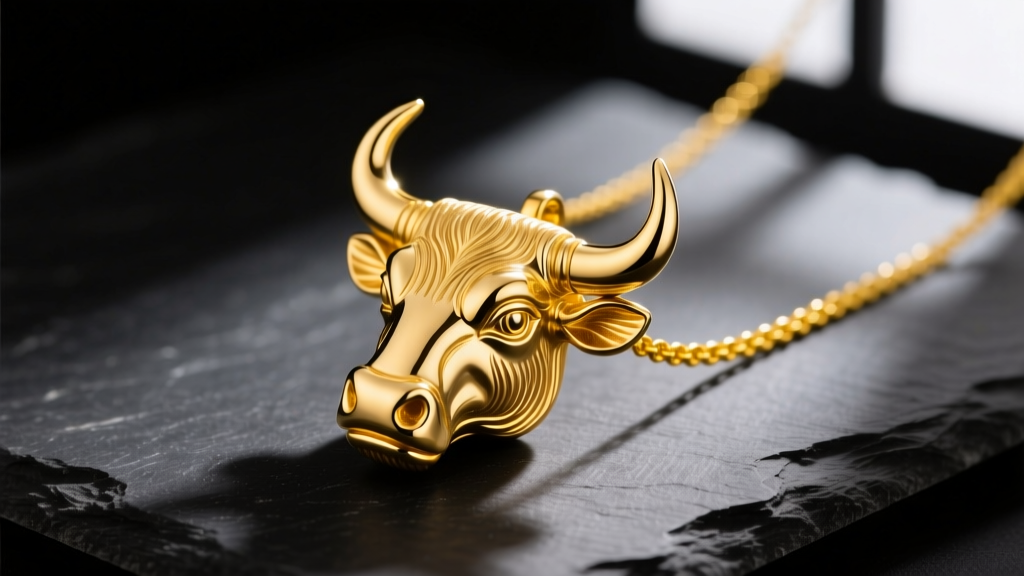
The True Cost of the Bull Motif in Fine Jewelry
Whether you are shopping for a Taurus zodiac talisman, a symbol of financial market optimism, or a rugged western statement piece, the bull necklace remains one of the most highly sought-after motifs in men's and women's jewelry. However, the market is currently saturated with heavily marked-up, mass-produced pendants that offer negligible intrinsic value. As we navigate the jewelry landscape in 2026, understanding the intersection of material science, casting techniques, and structural integrity is critical. This guide strips away the marketing fluff to provide a rigorous budget and value assessment for your next bull necklace purchase, ensuring you pay for true craftsmanship rather than brand inflation.
The Material Hierarchy: What You Are Actually Paying For
The baseline value of any bull pendant is dictated by its metallurgical composition. Because bull heads feature intricate geometry—such as sweeping horns, textured snouts, and detailed ears—the choice of metal affects both the casting fidelity and the long-term wearability of the piece.
Base Metals vs. Precious Alloys
- Zinc Alloy & Pot Metal (Budget Tier): Often marketed deceptively as 'antique silver' or 'gold-toned.' These pieces are die-cast, resulting in visible seam lines down the center of the bull's face. They are prone to rapid oxidation and will turn the wearer's skin green due to copper and nickel content.
- Solid Brass (Mid-Tier): A step up in weight and durability. Brass captures lost-wax casting details beautifully but requires a protective plating. If unplated, it will develop a heavy patina that obscures the intricate details of the bull's fur and facial features.
- 925 Sterling Silver (Standard Tier): The industry standard for quality fashion jewelry. When evaluating a sterling silver bull necklace, look for a rhodium plating over the silver. This prevents the deep crevices of the bull's horns and ears from accumulating black tarnish, which is notoriously difficult to polish out of textured castings.
- 14k and 18k Solid Gold (Luxury Tier): The ultimate investment. 14k gold offers superior tensile strength for the delicate tips of the bull's horns, whereas 18k gold provides a richer color but is slightly more prone to bending if the pendant is subjected to lateral stress.
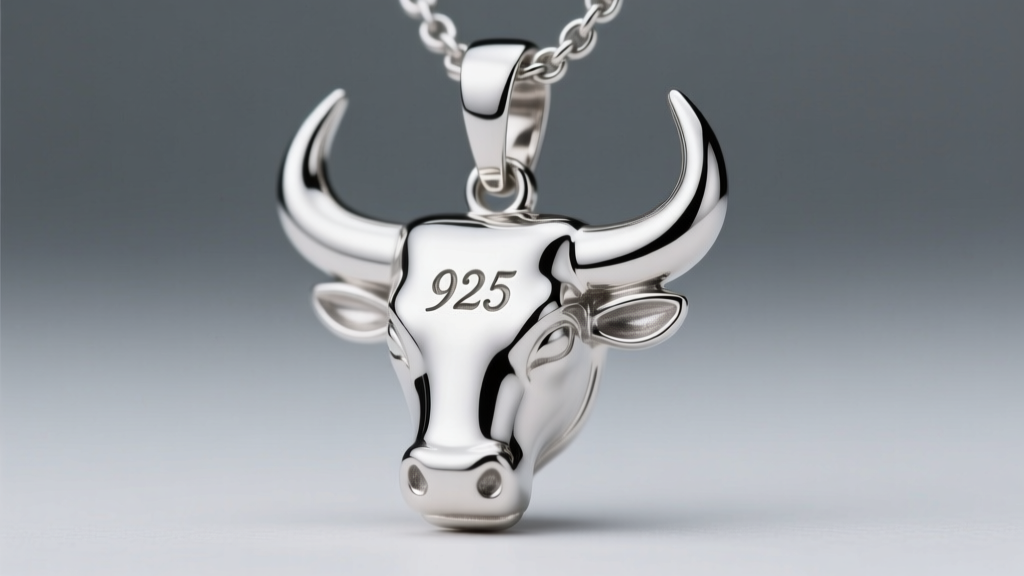
When shopping for gold-plated options, you must understand the legal definitions outlined by the Federal Trade Commission Jewelry Guides. A piece can only be legally marketed as 'Gold Vermeil' if it features a sterling silver base and a gold plating of at least 2.5 microns thick. Anything less is merely 'gold-washed' and will wear through to the base metal within months of daily friction.
Pricing Tiers & Value Expectations
To accurately assess if a bull necklace is priced fairly, you must align the asking price with the manufacturing realities of the piece. Use the following matrix to benchmark value across the current market.
| Tier | Price Range | Expected Materials | Craftsmanship & Failures | Value Verdict |
|---|---|---|---|---|
| Budget | $15 - $45 | Zinc alloy, brass, thin gold wash (<0.5 microns) | Die-cast with seam lines. Glued bails that snap under the pendant's weight. | Poor long-term value. Treat as temporary costume jewelry. |
| Mid-Range | $60 - $180 | 925 Sterling silver, heavy gold vermeil, oxidized brass | Lost-wax cast. Soldered bails. Good detail retention on horns and snout. | Excellent value. The sweet spot for daily wear and zodiac gifts. |
| Luxury | $400 - $1,500+ | Solid 14k/18k gold, platinum, accent diamonds or onyx | Hand-finished, micro-pave settings, solid cast integrated bails. | High intrinsic value. Acts as a wearable asset and heirloom piece. |
Craftsmanship & Casting Methods: Spotting the Flaws
The geometry of a bull pendant presents unique manufacturing challenges. The sweeping curvature of the horns and the deep recesses of the eyes require precise casting techniques. High-end jewelers utilize lost-wax casting, a method where a 3D-printed or hand-carved wax model is encased in investment plaster, burned out, and replaced with molten metal. This yields sharp, clean lines and deep undercuts.
Conversely, cheap manufacturers use die-casting or rubber mold vulcanization. These methods struggle with complex undercuts, resulting in 'porosity'—tiny surface pits that look like sandpaper texture inside the bull's ears or under the jawline. According to educational resources from the Gemological Institute of America (GIA), severe porosity not only ruins the aesthetic but compromises the structural integrity of the metal, making the delicate horn tips highly susceptible to snapping off if the necklace is snagged on clothing.
The Bail: The Critical Failure Point
The bail (the loop that connects the pendant to the chain) is the most common point of catastrophic failure on a bull necklace. Because bull heads are typically wide and heavy, they shift laterally as the wearer moves. If the bail is merely glued into a recess on the back of the pendant, it will eventually detach. Always inspect the bail under magnification or good lighting; it should be either cast as a single continuous piece with the pendant or securely laser-soldered with a clean, flush seam.
Chain Pairing: Physics and Proportions
A premium bull pendant is useless if paired with a structurally inadequate chain. The wide profile of a bull head creates a pendulum effect, placing concentrated stress on the center link of the chain and the clasp mechanism.
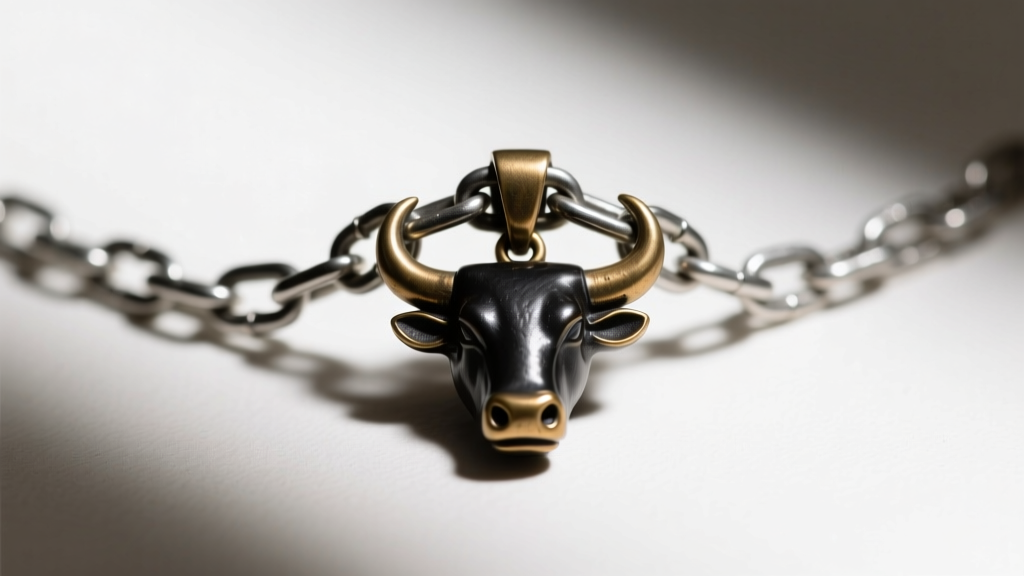
Gauge and Tensile Strength
For a solid metal bull pendant weighing between 10 and 25 grams, you must avoid standard 1.2mm cable chains. These thin chains have a low tensile breaking point and will easily snap if the pendant catches on a collar or seatbelt. Instead, opt for chains with high lateral rigidity:
- 2.5mm Box Chain: Offers excellent tensile strength and a smooth surface that won't pull chest hair. The square links distribute the weight of the heavy bail evenly.
- 3.0mm Curb Chain: Ideal for heavier, rustic, or western-style bull pendants. The interlocking flat links provide immense structural integrity.
- Clasp Selection: Never pair a heavy pendant with a spring-ring clasp. The internal spring mechanism is a weak point. Always demand a lobster clasp or a sturdy toggle clasp rated for the specific gram weight of your pendant.
The Verdict: Maximizing Your Investment
Evaluating a bull necklace requires looking past the symbolic appeal and scrutinizing the physical realities of the piece. If you are operating on a strict budget, a solid brass pendant with an intentional oxidized finish offers far better longevity than a thinly plated zinc alloy that will inevitably degrade. For those seeking a lifelong piece, invest in a lost-wax cast 925 sterling silver or solid 14k gold pendant, ensuring the bail is structurally integrated and paired with a chain that can handle the kinetic stress of the heavy motif. By applying these metallurgical and structural benchmarks, you can confidently navigate the market and secure a piece that delivers genuine, enduring value.


