How to Authenticate & Restore an Antique Star of David Necklace
Learn how to authenticate, clean, and style an antique Star of David necklace with our expert step-by-step guide on silver hallmarks and patina care.

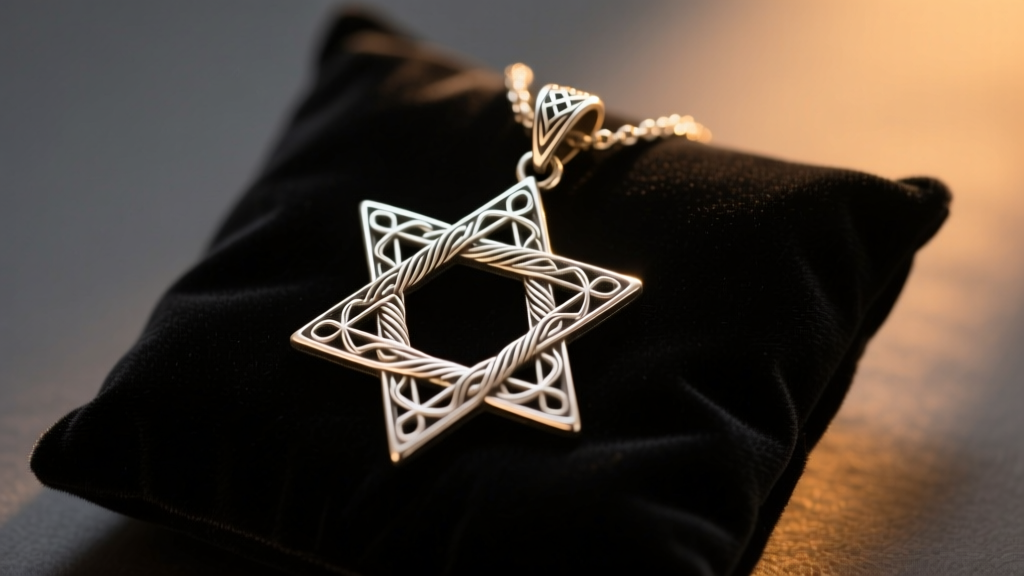
The Enduring Legacy of the Magen David in Antique Jewelry
The Star of David, or Magen David, has evolved from a mystical protective amulet into one of the most recognizable symbols of Jewish heritage and global fashion. When sourcing an antique Star of David necklace, collectors and enthusiasts are not merely acquiring a piece of jewelry; they are preserving a tangible artifact of history. Pieces dating from the late 19th century through the mid-20th century showcase remarkable craftsmanship, from the intricate filigree of Yemenite silversmiths to the geometric precision of the Bezalel Academy of Arts and Design. According to the Jewish Virtual Library, the hexagram's widespread adoption in jewelry coincided with the rise of Zionism and the establishment of early artisan schools in Jerusalem. However, navigating the antique market requires a discerning eye. This comprehensive, step-by-step guide will teach you how to authenticate, evaluate, safely restore, and properly style your vintage and antique Star of David pendants in today's market.
Step 1: Authenticating Vintage and Antique Pieces
Authentication is the critical first step when evaluating an antique Star of David necklace. Because the symbol is universally recognized, modern reproductions are abundant. To verify a piece's age and origin, you must examine the metal composition, construction techniques, and hallmarks.
Decoding Silver Hallmarks and Maker's Marks
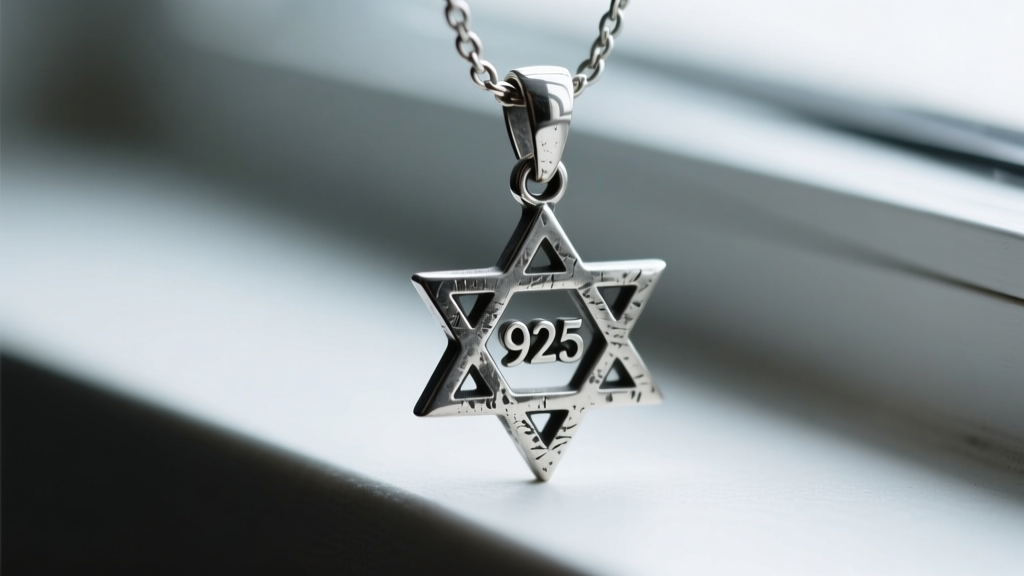
Most antique Jewish jewelry was crafted in silver rather than gold, reflecting both cultural traditions and the economic realities of the diaspora. When inspecting the pendant and the chain, look for stamped hallmarks. As detailed in the Lang Antiques Hallmark Guide, understanding regional silver grades is essential:
- Continental Silver (800 or 830): Common in European-made pieces from the late 1800s to the 1920s. An "800" stamp indicates 80% pure silver, yielding a slightly harder metal that holds intricate engravings beautifully.
- Sterling Silver (925): Standard for American and British pieces, as well as later mid-century Israeli jewelry.
- Coin Silver (900): Frequently used by early Yemenite and Palestinian silversmiths who melted down local currency to forge jewelry.
- Bezalel Marks: Authentic pieces from the original Bezalel School (1906–1929) often feature a distinct stamp combining the word "Bezalel" in Hebrew alongside a small shield or Jerusalem motif.
The Magnet and Loupe Tests
Silver is diamagnetic, meaning it does not attract to magnets. Keep a strong neodymium magnet in your appraisal kit. If the pendant or the chain clasp sticks firmly to the magnet, the core metal is likely brass, copper, or steel, indicating a modern reproduction or a heavily plated counterfeit. Furthermore, use a 10x jeweler's loupe to inspect the solder points. Antique pieces were soldered by hand using a torch, which often leaves slight discoloration or uneven pooling around the bail (the loop connecting the pendant to the chain). Modern laser welding leaves microscopic, perfectly uniform dots, immediately dating the repair or the piece to the late 20th century.
Step 2: Evaluating Condition and Market Value
Condition drastically dictates the value of an antique Star of David necklace. Unlike modern jewelry, some wear is expected and even desired, provided it does not compromise structural integrity. Pay special attention to the bail, which is the highest stress point on any necklace. If the bail is worn paper-thin, it will require professional re-tipping with lead-free silver solder before it can be safely worn.
2026 Antique Valuation Guide
The market for heritage jewelry has seen steady appreciation. Below is a structured pricing framework for authentic antique Star of David pendants based on current 2026 auction and dealer data:
| Era & Origin | Material & Style | Estimated 2026 Value (Pendant Only) |
|---|---|---|
| Early 1900s Yemenite | 800-900 Silver, Filigree & Granulation | $600 - $1,800 |
| 1910s-1920s Bezalel School | 925 Silver, Copper inlay, Damascus steel | $1,200 - $3,500+ |
| 1930s-1940s European | 800 Silver, Enamel, Art Deco geometry | $250 - $600 |
| Mid-Century (1950s-1960s) | 925 Sterling, Cast or Stamped, Israeli marks | $120 - $350 |
Step 3: Safe Cleaning and Patina Preservation
One of the most common mistakes new collectors make is aggressively polishing an antique Star of David necklace until it gleams like a mirror. This destroys the "patina"—the natural layer of silver sulfide that accumulates in the crevices of filigree and engravings over decades. Patina provides visual contrast and proves the item's age; stripping it can reduce a piece's value by up to 40%.
What to Absolutely Avoid
Never use commercial silver dips (such as Tarn-X). These products contain thiourea, a harsh chemical that strips away the antique patina instantly and leaves a microscopically pitted surface that will actually tarnish much faster in the future. Additionally, avoid ultrasonic cleaners if your antique piece features inlays of turquoise, coral, or opal, which are common in Middle Eastern antique jewelry, as the high-frequency vibrations can shatter these porous stones.
The Expert's Step-by-Step Cleaning Method
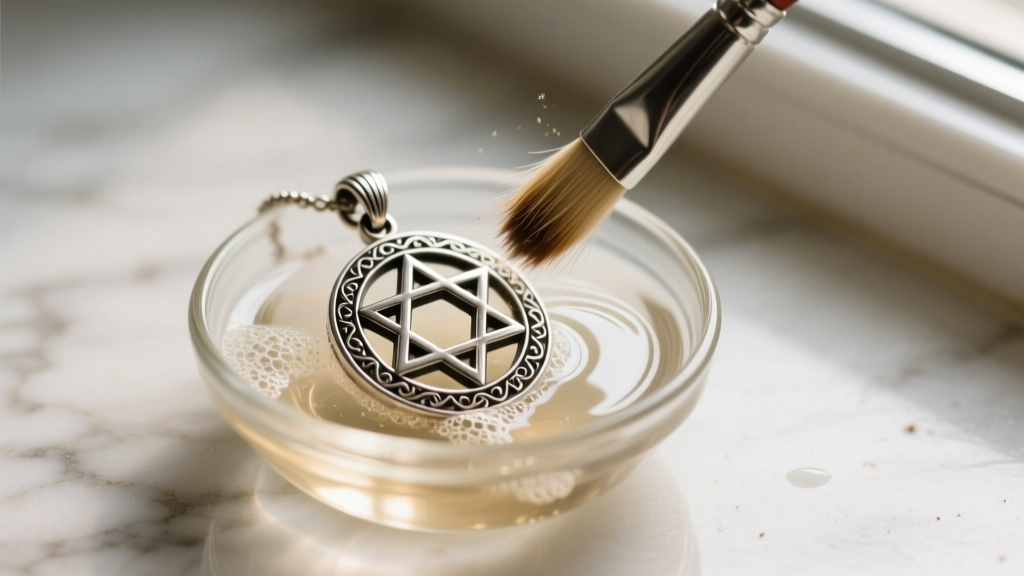
- Prepare a Mild Bath: Fill a glass bowl with warm distilled water and a few drops of pH-neutral, phosphate-free dish soap. Distilled water prevents hard water mineral spots.
- Soak Briefly: Submerge the silver pendant for no more than 3 to 5 minutes to loosen surface oils and cosmetics.
- Agitate Gently: Using a clean, ultra-soft horsehair detailing brush, gently sweep the bristles across the surface and into the filigree gaps. The horsehair is stiff enough to dislodge dirt but too soft to scratch 800 or 925 silver.
- Rinse and Dry: Rinse under a gentle stream of lukewarm distilled water. Immediately pat dry with a lint-free microfiber cloth. Do not air dry, as water spots will form.
- Selective Polishing: If the high points of the Star of David require a gentle shine, use a dry, untreated silver polishing cloth (impregnated with mild micro-abrasives) and rub only the raised edges, intentionally leaving the recessed areas dark.
Step 4: Sourcing and Replacing Antique Chains
A frequent tragedy in antique jewelry is pairing a breathtaking 19th-century Yemenite filigree pendant with a modern, mass-produced 2026 laser-cut cable chain. The visual dissonance ruins the aesthetic and lowers the historical value of the ensemble. To properly restore an antique Star of David necklace, you must source a period-correct chain.
For pieces dating from the Victorian and Edwardian eras, look for book chains (flat, interlocking rectangular links) or Etruscan revival chains featuring intricate wirework beads. For early 20th-century pieces, guard chains with small, uniform oval links are highly appropriate. Pay close attention to the clasp. Modern lobster claws did not exist in the antique era. An authentic restoration requires a spring-ring clasp (patented in 1914) or a dog-clip clasp for heavier chains. Ensure the chain's silver grade matches the pendant; hanging an 800 silver antique pendant on a modern 925 chain can result in galvanic corrosion over time if stored in humid environments.
Step 5: Styling Your Antique Star of David Necklace
Styling antique jewelry requires balancing its historical weight with modern wearability. An antique Star of David necklace is a statement piece that carries profound cultural and artistic significance.
"When styling heritage pieces, let the jewelry dictate the silhouette. An intricate filigree Magen David demands negative space to be appreciated, while a bold, geometric Art Deco Star of David can anchor a structured, high-neck garment." — Archival Jewelry Styling Principles
Layering with Intention
If you choose to layer your antique piece with modern chains, adhere to the "rule of contrasting weights." Pair your antique 800 silver Star of David pendant on a delicate 18-inch book chain with a modern, heavier 24-inch oxidized silver rope chain. This creates depth without tangling the fragile antique links. Avoid wearing antique silver against bare skin immediately after applying perfumes, lotions, or self-tanners, as the alcohol and synthetic oils will rapidly accelerate uneven tarnishing on the porous antique metal.
Final Thoughts on Preserving Heritage Jewelry
Owning an antique Star of David necklace is an exercise in stewardship. By meticulously verifying hallmarks, respecting the natural patina, and pairing the pendant with historically accurate chains, you ensure that the piece retains both its financial value and its historical soul. Whether you are a seasoned collector of Bezalel School artifacts or a descendant preserving a family heirloom, applying these expert restoration and styling techniques will guarantee that your antique jewelry survives to tell its story for another century.


