Troubleshooting Your Necklace I Love You To The Moon And Back
Learn how to fix tarnish, cloudy projection stones, and broken clasps on your necklace I love you to the moon and back with expert jewelry repair tips.

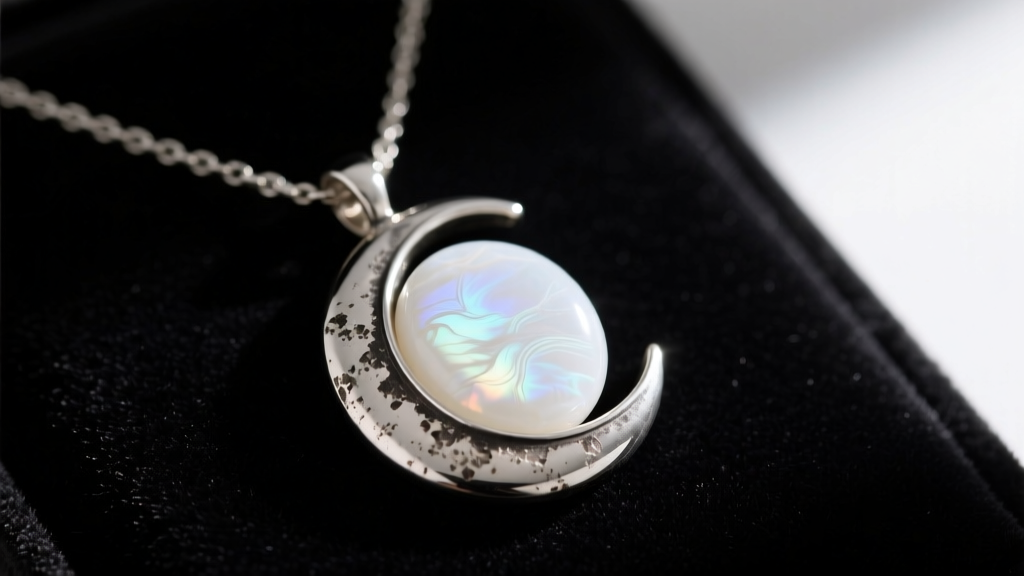
The necklace i love you to the moon and back has cemented its status as one of the most popular sentimental jewelry gifts of the decade. Often featuring a celestial motif paired with a central projection bead—sometimes called a "100 languages" or hidden message stone—these pendants carry immense emotional weight. However, because many of these pieces are mass-produced using budget-friendly materials, they are highly susceptible to mechanical failure, rapid tarnishing, and stone clouding.
As a jewelry specialist, I frequently see these beloved pieces arrive in my repair tray looking worse for wear. If your favorite celestial pendant has lost its luster or broken at the clasp, do not throw it away. This comprehensive troubleshooting guide will walk you through the exact metallurgical and mechanical fixes required to restore your necklace to its original glory.
The Anatomy of Sentimental Celestial Necklaces
Before attempting any repairs, it is crucial to understand what your necklace is actually made of. The vast majority of commercially available moon-and-back pendants are constructed from a zinc alloy or brass base. This base is then flash-plated with a microscopic layer of silver, rhodium, or rose gold to achieve a premium look at a low price point.
The centerpiece is typically a synthetic projection stone. Higher-end models use lab-created nano-opals or synthetic sapphires, while budget versions rely on molded optical resin. The chain is usually a lightweight 0.8mm to 1.0mm cable chain, which is the most common point of structural failure. Understanding these material grades is the first step in diagnosing your necklace's specific issues.
Issue 1: Cloudy or Scratched Projection Stones
The most common complaint regarding the necklace i love you to the moon and back is that the central projection stone becomes cloudy, making the hidden message or image impossible to see. This happens for two distinct reasons, depending on the stone material.
Diagnosing the Stone Material
- Optical Resin (Mohs Hardness 2-3): Prone to micro-abrasions from daily friction against clothing and skin. Resin easily absorbs sebum and lotion, creating a milky, opaque film.
- Nano-Opal / Synthetic Sapphire (Mohs Hardness 8-9): Highly scratch-resistant, but the bezel setting can trap dead skin cells and soap scum, blocking light refraction.
The Fix
If your stone is resin, never use ultrasonic cleaners, alcohol, or harsh chemical dips, as these will melt or craze the surface. Instead, use a drop of mild, phosphate-free dish soap and warm water. Gently agitate with a baby-hair brush (which is soft enough not to scratch the resin) and dry immediately with a microfiber cloth.
If your stone is a nano-opal or synthetic sapphire, the cloudiness is almost certainly trapped debris in the bezel. According to the Gemological Institute of America (GIA), synthetic corundum and opals can safely withstand ultrasonic cleaning. Place the pendant in an ultrasonic jewelry cleaner filled with warm water and a few drops of ammonia-free jewelry solution for exactly three minutes at a 40kHz frequency. This will dislodge microscopic debris without damaging the stone or the metal plating.
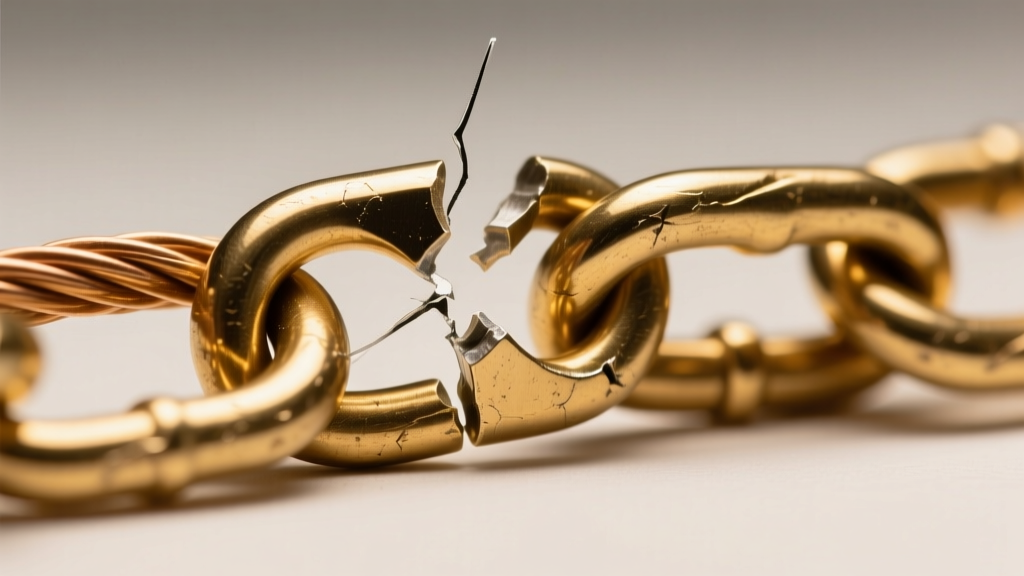
Issue 2: Chain Tarnish and "Green Skin" Reactions
There is nothing more frustrating than taking off your necklace to find a green or black ring around your neck. This is not an allergy; it is a galvanic chemical reaction. The brass or copper core of the chain is reacting with the lactic acid, salts, and sulfur in your sweat. Once the microscopic flash-plating wears off—usually within 3 to 6 months of daily wear—the base metal is exposed.
Troubleshooting the Tarnish
If the chain is merely tarnished but the plating is intact, you can restore it using a specialized silver polishing cloth impregnated with jeweler's rouge. Avoid liquid silver dips, as the thiourea chemicals in these solutions will strip the remaining flash-plating and accelerate future tarnishing.
The Permanent Fix: Re-plating and Upgrading
If the base metal is exposed and turning your skin green, polishing will not help. You have two options:
- Rhodium Re-plating: A local jeweler can electroplate the chain with a fresh layer of rhodium. Request a thickness of at least 0.75 to 1.0 microns. Anything less (like standard 0.1-micron flash plating) will wear off in weeks. The Jewelers of America recommends rhodium for its exceptional hardness and brilliant white luster, which perfectly mimics platinum or white gold.
- Chain Replacement (Recommended): For $30 to $60, you can detach the sentimental pendant and attach it to a solid 925 sterling silver or titanium chain. I recommend upgrading to a 1.2mm solid sterling silver rope chain. The rope weave is significantly more resistant to kinking and snapping than the standard cable chain that came with the pendant.
Issue 3: Clasp and Jump Ring Failures
The necklace i love you to the moon and back frequently features a delicate 4mm jump ring connecting the pendant to the chain, and a lightweight lobster clasp at the nape. These are critical structural weak points.
The Split Jump Ring
Mass-market necklaces use unsoldered split jump rings. Over time, the tension of putting the necklace on and off causes the gap to widen, eventually leading to a lost pendant. The Fix: Take the necklace to a bench jeweler and ask them to solder the jump ring shut. If the pendant must slide over the clasp, ask the jeweler to replace the split ring with a 5mm solid, seamless soldered ring, and simply attach the clasp directly to it.
The Faulty Lobster Clasp
Cheap lobster clasps use weak internal steel springs that snap or lose their tension, leaving the clasp permanently stuck open or closed. Furthermore, the trigger mechanism is often made of brittle pot metal. The Fix: Do not attempt to bend the trigger back into place; it will snap. Replace the entire clasp with a solid 925 sterling silver 10mm lobster clasp. The 10mm size provides a much larger thumb trigger, making it easier to operate, while the sterling silver construction ensures the internal spring will not rust or corrode from neck sweat.
Repair vs. Replace: A Cost-Benefit Matrix
Deciding whether to repair your sentimental piece or replace it depends on the severity of the damage and the intrinsic value of the materials. Use this matrix to guide your decision-making process in 2026.
| Issue | Estimated Repair Cost | DIY Feasibility | Expert Recommendation |
|---|---|---|---|
| Cloudy Resin Stone | $0 (DIY Cleaning) | High | Clean with mild soap; replace pendant if deeply scratched. |
| Cloudy Nano-Opal | $15 - $25 | Medium (Requires Ultrasonic) | Ultrasonic clean; highly effective for restoring light refraction. |
| Green Skin / Tarnish | $35 - $60 | Low | Rhodium plate or upgrade to a solid 1.2mm 925 silver chain. |
| Split Jump Ring | $10 - $20 | Low (Requires Soldering) | Have a jeweler solder it shut to prevent losing the pendant. |
| Broken Lobster Clasp | $12 - $25 | Medium (Requires Pliers) | Replace with a 10mm solid sterling silver lobster clasp. |
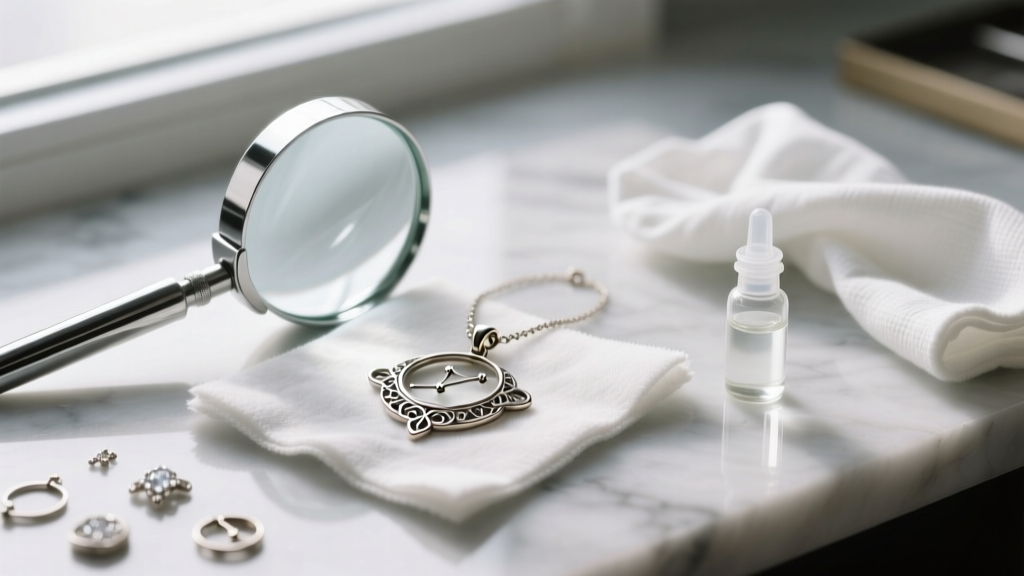
Preventative Care Protocol
Once you have restored your necklace i love you to the moon and back, implementing a strict care protocol will ensure it survives for years to come. The modern jewelry environment in 2026 exposes our accessories to more chemicals than ever before.
"The number one enemy of flash-plated jewelry is not water, but the combination of water, heat, and sulfur found in modern skincare products and hot springs. Always remove your pendants before applying self-tanners or entering a sauna."
The "Last On, First Off" Rule
Your necklace should be the very last item you put on after getting dressed, and the first item you take off when you get home. This prevents the pendant from being exposed to aerosol hairsprays, perfumes, and lotions, all of which contain alcohols and solvents that degrade the metal plating and cloud optical resin stones.
Proper Storage
Do not toss your necklace into a communal jewelry box where it can tangle and scratch against harder gemstones like diamonds or sapphires. Store the necklace flat in an anti-tarnish ziplock bag. Include a small silica gel packet and a 3M anti-tarnish strip inside the bag to absorb ambient moisture and neutralize sulfur gases in the air. By following these precise troubleshooting and maintenance steps, your sentimental celestial necklace will continue to shine brightly, keeping your message of love intact for the long haul.


