The 22 Gold Necklace Guide: 22K Purity & 2026 Trends
Discover the 2026 resurgence of the 22 gold necklace. Explore 22K purity styling, metallurgy, chain profiles, and layering techniques for luxury wear.

Decoding the 22 Gold Necklace: Length vs. Purity
When enthusiasts and collectors search for a 22 gold necklace, they are typically navigating two entirely different metrics: the 22-inch matinee length, or the highly coveted 22-karat purity. While the 22-inch drop remains a staple for layering over high necklines, the true luxury conversation in 2026 is dominated by 22-karat gold. Once relegated primarily to heritage, cultural, and investment jewelry in South Asian and Middle Eastern markets, 22k gold has aggressively crossed over into Western high-fashion and quiet luxury circles. This shift is driven by a desire for wearable assets, unadulterated color, and artisanal craftsmanship that lower-karat mass production simply cannot replicate.
In this comprehensive style and trend analysis, we will focus primarily on the metallurgical and stylistic nuances of the 22-karat 22 gold necklace, exploring why this specific purity is dominating luxury boutiques and how to wear, maintain, and invest in these high-value pieces.
The Metallurgy of 22K Gold: Why It Behaves Differently
To understand how to style and care for a 22k gold necklace, you must first understand its atomic reality. Pure 24k gold is remarkably soft, possessing a Vickers hardness (HV) of roughly 25-30. To make it wearable as a chain, alloy metals are introduced. A standard 22k gold piece contains 91.67% pure gold and 8.33% alloy metals—typically a precise mix of silver, copper, and trace amounts of zinc.
This specific alloy ratio elevates the Vickers hardness to approximately 90-100 HV. While this is a significant improvement over 24k, it remains substantially softer than 18k (120-130 HV) and 14k (140-160 HV). This metallurgical reality dictates everything from the chain's profile to its clasp mechanism.
| Karat | Gold Purity | Vickers Hardness (HV) | Yield Strength | Ideal Chain Profile |
|---|---|---|---|---|
| 24K | 99.9% | 25-30 HV | Extremely Low | Solid Torcs / Bangles |
| 22K | 91.6% | 90-100 HV | Low-Medium | Curb, Rope, Figaro |
| 18K | 75.0% | 120-130 HV | Medium-High | Box, Cable, Snake |
| 14K | 58.3% | 140-160 HV | High | Herringbone, Delicate |
According to the Gemological Institute of America (GIA), the specific alloy mix in 22k gold not only provides structural integrity but also yields its signature color. The high copper-to-silver ratio in many 22k alloys produces a rich, warm, "sunset" yellow hue that lacks the greenish tinge sometimes found in 18k gold or the pale, washed-out tone of 14k gold.
Structural Integrity: Chain Profiles That Survive 22K
The most common mistake buyers make when acquiring a 22k gold chain is selecting a profile that requires high tensile strength. Because 22k gold has a lower yield strength, it is highly susceptible to torque and tension damage.
The Danger of Herringbone and Snake Chains
Herringbone and snake chains rely on flat, tightly packed links that lay flush against the skin. In 14k or 18k gold, these chains drape beautifully. In 22k gold, however, they are a structural liability. The softness of the metal means that a simple twist or a snag on a garment will cause the links to bend out of alignment. Once a 22k herringbone chain kinks, the structural memory of the metal is permanently compromised, leaving a visible, unrepairable crease in the chain.
The Triumph of the Curb, Rope, and Figaro
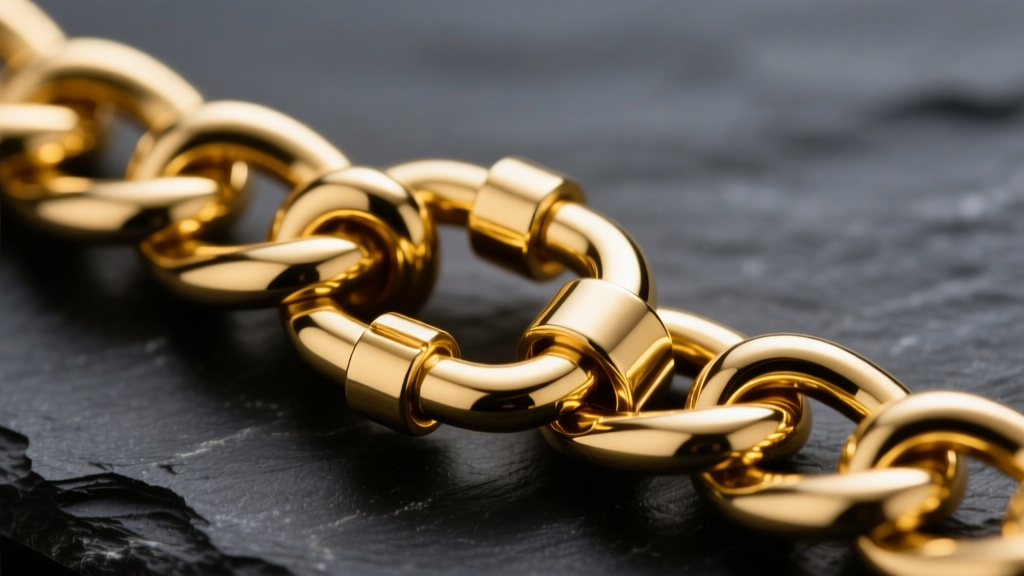
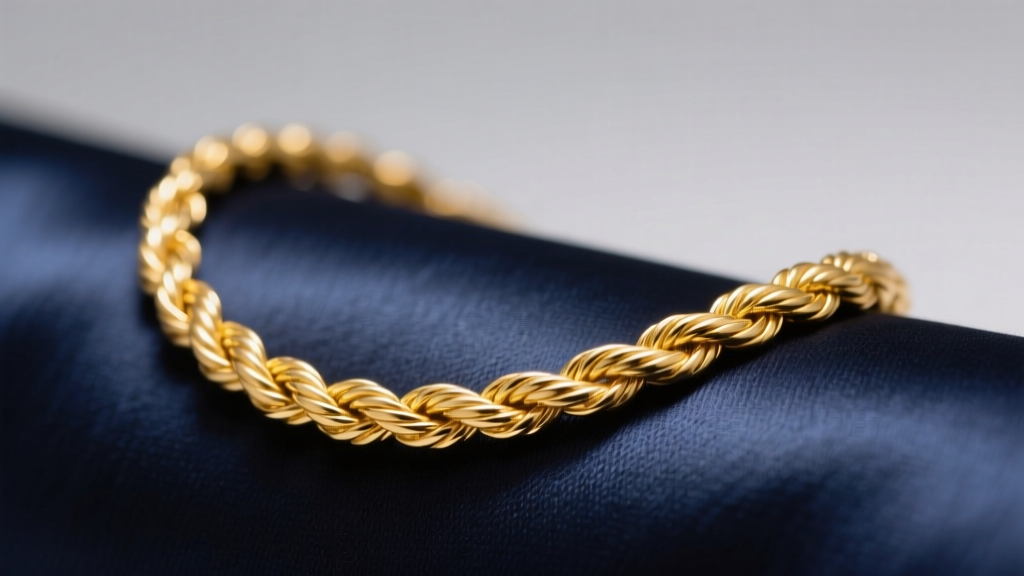
To counteract the softness of 91.6% pure gold, master jewelers rely on interlocking geometry. The Cuban link and Curb chain feature flattened, interlocking oval links that distribute tension horizontally across multiple contact points. Similarly, the Rope chain utilizes a twisted, woven structure that provides immense redundancy; if one microscopic link is stressed, the surrounding twisted wires absorb the kinetic energy. For a 22 gold necklace meant for daily wear, a solid 3mm to 5mm rope or curb chain is the gold standard for longevity.
Styling Framework: Color Theory and Necklines
The visual weight and intense saturation of 22k gold require a deliberate styling approach. The deep, orange-leaning yellow of high-karat gold acts as a warm anchor in any wardrobe, but it demands contrast to truly pop.
Jewel Tones and High Contrast
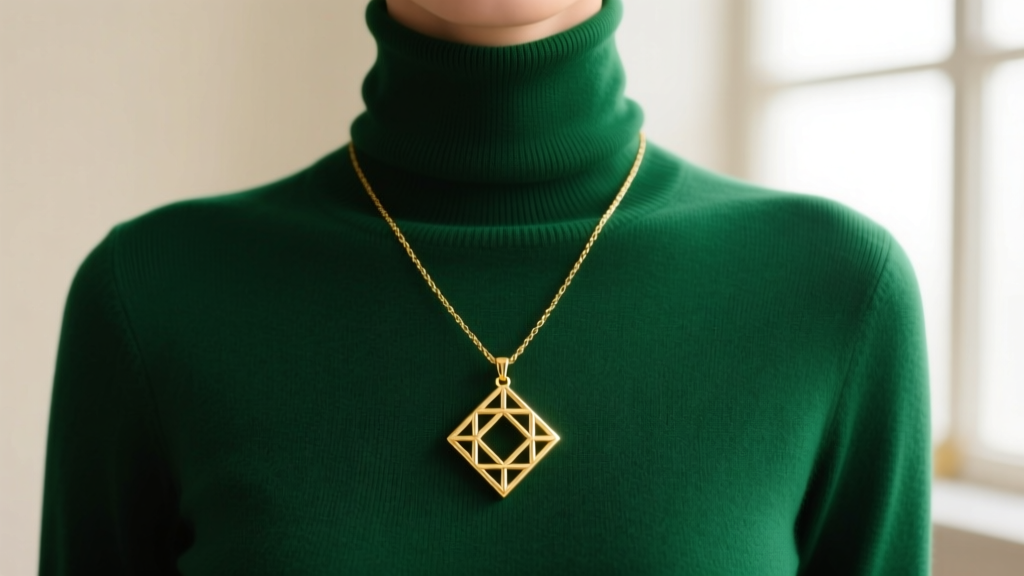
In 2026, the prevailing trend for high-karat styling is pairing the warm sunset hue of 22k gold with deep, cool jewel tones. Emerald green, sapphire blue, and amethyst purple create a striking complementary contrast. A 22k gold pendant resting on a deep emerald silk blouse or a navy cashmere turtleneck elevates the metal's natural luminescence, making it appear almost glowing against the cool fabric.
The Matinee Drop (22-Inch Length)
If your search for a 22 gold necklace was indeed driven by length, the 22-inch matinee drop is currently experiencing a renaissance in power-dressing. Unlike the 16-inch choker or 18-inch princess length that sits near the collarbone, the 22-inch drop falls directly on the upper bust. This length is ideal for layering over button-down shirts, blazers, and high-necked ribbed knits. When executing a 22-inch drop in 22k gold, opt for a medium-weight Figaro chain (typically 4mm to 6mm) to ensure the piece has enough physical weight to drape correctly without floating or tangling.
Investment Realities: Pricing and Hallmark Verification
Unlike lower-karat fashion jewelry, a 22k gold necklace is fundamentally a wearable liquid asset. When evaluating pricing in 2026, buyers must separate the intrinsic melt value from the artisan's fabrication premium.
Calculating the Intrinsic Value
To determine the baseline value of a 22k piece, you must calculate its pure gold content. Multiply the total weight of the necklace in troy ounces by 0.916, then multiply that result by the current spot price of gold. The World Gold Council provides daily spot metrics that serve as the baseline for these calculations. Any price above this baseline represents the maker's premium, which accounts for design complexity, brand equity, and labor.
Verifying the 916 Hallmark
Because 22k gold commands a significant premium over 18k and 14k, hallmark verification is critical. Authentic 22k jewelry will bear a "916" stamp, indicating 916 parts per thousand of pure gold. In major global markets, you should also look for secondary assay marks, such as the BIS hallmark in India or the Dubai Central Laboratory Department (DCLD) camel stamp in the UAE, which guarantee that the alloy mix meets strict international LBMA Gold Price and purity standards.
Final Verdict: Is 22K Right for Your Collection?
The 22 gold necklace is not for the careless wearer. It requires an understanding of metallurgy, a commitment to proper storage (always hung vertically or laid perfectly flat to avoid torque), and an appreciation for high-maintenance luxury. However, for those who value the rich, uncompromising hue of near-pure gold and the financial security of a wearable asset, 22k remains the undisputed pinnacle of necklace styling in the modern era.


