Real Horn Necklace Value Guide: Pricing, Fakes & Budget Tips
Discover the true value of a real horn necklace. Learn pricing tiers, how to spot resin fakes, and ethical sourcing tips before you buy.

The Material Reality: What Are You Actually Buying?
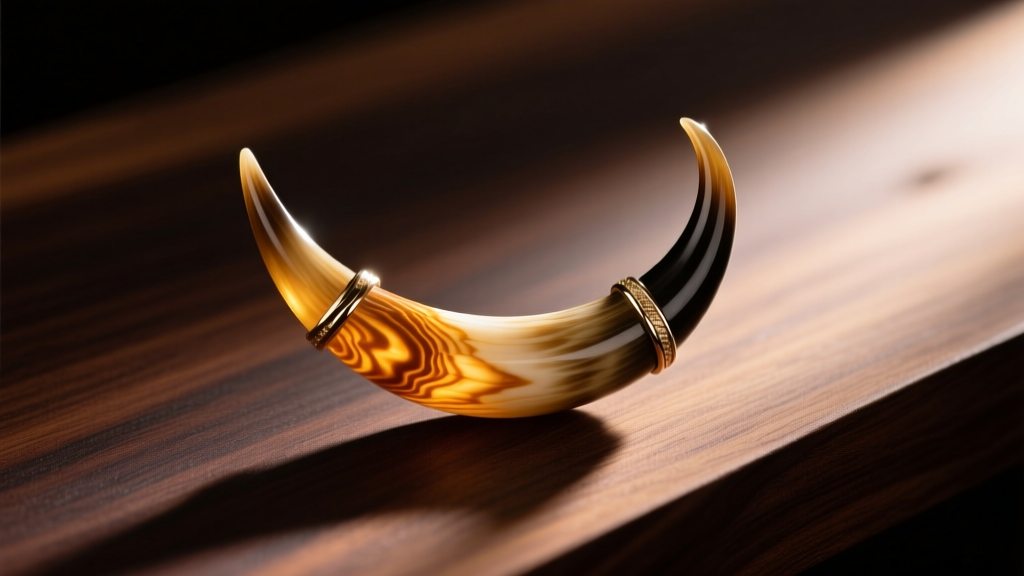
When shopping for organic jewelry, a horn necklace offers a unique blend of bohemian aesthetics, lightweight comfort, and sustainable appeal. However, assessing the true value of these pieces requires understanding the material itself. Genuine horn is composed almost entirely of keratin—the exact same protein that makes up human hair and fingernails. The vast majority of high-quality horn jewelry on the market is sourced from the water buffalo (Bubalus bubalis), prized for its dense structure, deep obsidian to translucent amber color palette, and ability to take a glass-like polish.
From an ethical and budget standpoint, value is heavily tied to sourcing. According to the Fair Trade Federation, authentic horn used in jewelry is strictly a byproduct of the agricultural meat and farming industry. No animals are hunted or poached for their horns in this trade, making it a highly sustainable alternative to ivory or tortoiseshell. When a brand charges a premium, you are paying for the artisan's carving labor, the ethical supply chain verification, and the quality of the hardware—not the rarity of the raw material.
Horn Necklace Pricing Tiers (2026 Market Assessment)
The market is currently saturated with everything from mass-produced tourist trinkets to museum-quality artisan carvings. To ensure you are allocating your budget wisely, we have broken down the current pricing landscape into three distinct tiers.
| Tier | Description & Craftsmanship | Price Range | Budget Red Flags |
|---|---|---|---|
| Mass-Market | Machine-tumbled chips, simple stamped discs, or basic geometric shapes. Often strung on cheap cotton or base-metal chains. | $12 - $28 | Uniform coloring with no natural grain; foul chemical odor indicating resin fakes. |
| Mid-Tier Artisan | Hand-carved pendants (crescents, feathers, runes) with polished finishes. Mounted on sterling silver bails or 14k gold-filled hardware. | $45 - $85 | Lack of transparency regarding the horn's origin; overly thick, clumsy carving. |
| High-End / Heirloom | Intricate scrimshaw, precious metal inlays, or master-carved figurative pieces. Includes ethical certifications and premium chain pairings. | $120 - $300+ | Pricing that rivals precious gemstones; horn is an abundant byproduct and should not cost $500+. |
If you are building a curated jewelry wardrobe, the mid-tier artisan range ($45 to $85) offers the best intersection of durability, ethical craftsmanship, and aesthetic value.
Authenticity Verification: Real Horn vs. Resin Fakes
Because horn is an organic material with natural variations, it is frequently counterfeited using synthetic resins, acetates, or molded plastics. The Federal Trade Commission (FTC) Jewelry Guides strictly prohibit the misrepresentation of synthetic materials as natural organic gems. Here is how you can perform a value assessment and verify authenticity before purchasing.
Visual and Tactile Inspection
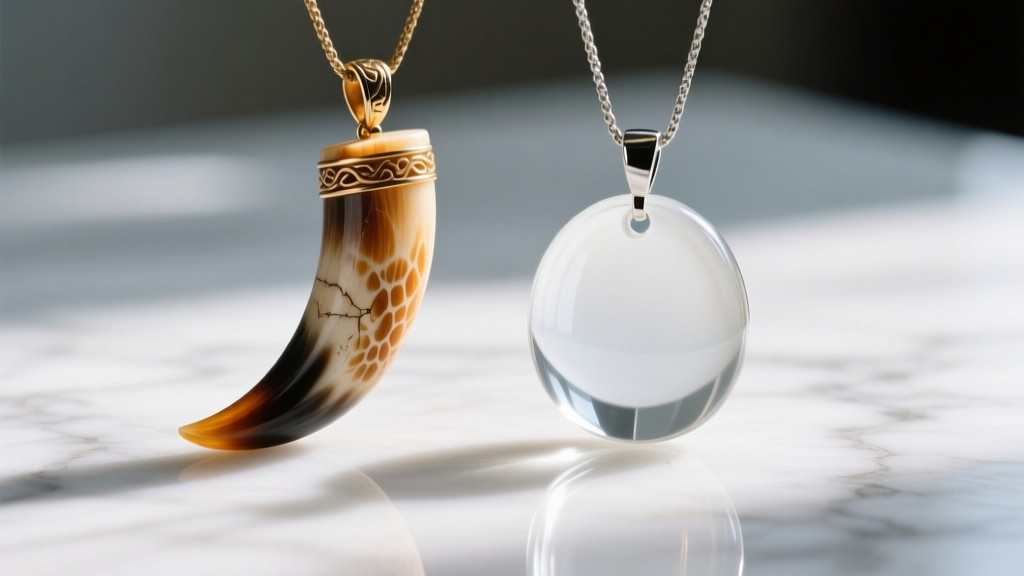
- Striations and Grain: Real horn features microscopic longitudinal striations. Even highly polished black horn will reveal subtle, organic banding or amber undertones when held up to a strong LED light. Resin fakes often feature a printed or suspended 'tortoiseshell' pattern that looks uniform and lacks structural depth.
- Thermal Conductivity: Horn is a poor conductor of heat. When pressed against your cheek or lips, it will feel neutral or slightly warm. Glass or stone imitations will feel distinctly cold, while plastic will feel unnaturally neutral and lightweight.
- Weight and Density: Horn has a specific gravity of roughly 1.3 to 1.4. It is remarkably lightweight. If a large, thick pendant feels surprisingly heavy, it may be carved from bone, dyed stone, or dense synthetic polymers.
The Hot Pin Test (Destructive)
If you are buying from a flea market or estate sale and the vendor permits, the hot pin test is the definitive verification method. Heat the tip of a sewing needle until it glows red, then press it into an inconspicuous area (like the back of the pendant or the inner ring of the bail). Genuine keratin will resist melting slightly and emit a distinct odor resembling burning hair or nails. Synthetic resin will immediately melt into a sticky bead and smell like acrid, burning plastic.
Maximizing Value: Chain Selection and Hardware
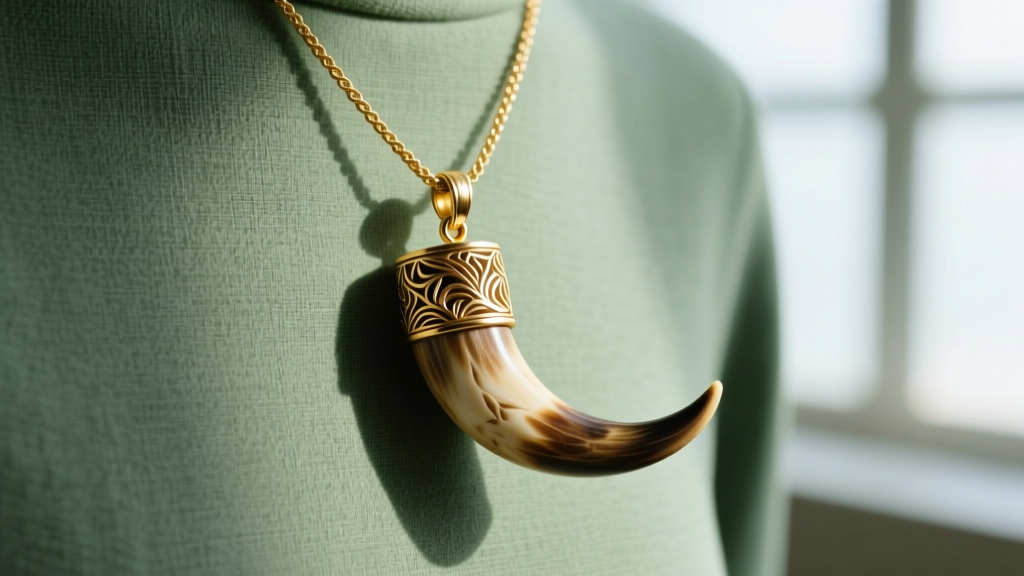
A common mistake that instantly degrades the value and aesthetic of a horn necklace is pairing an organic, earthy pendant with the wrong chain. Horn is exceptionally lightweight. If you hang a delicate, 15-gram carved horn crescent on a heavy, 50-gram sterling silver curb chain, the pendant will constantly flip backward, and the chain will dominate the visual hierarchy.
Optimal Chain Pairings
- 18-Gauge to 20-Gauge Box or Rope Chains: A 1.2mm to 1.5mm sterling silver or 14k gold-filled rope chain provides enough tensile strength to hold the pendant securely without overpowering its organic texture.
- Waxed Cotton or Leather Cords: For a more rustic, bohemian look, a 2mm black or dark brown waxed cotton cord with a sterling silver lobster clasp offers incredible value, usually costing under $15 while perfectly complementing the horn's natural origins.
- Bail Quality: Inspect the bail (the loop connecting the pendant to the chain). High-value pieces will feature a soldered sterling silver or gold-filled wrap bail. Low-value pieces will simply have a hole drilled through the horn, which can cause friction, wear down the chain, and eventually crack the keratin.
Long-Term Value: Care, Preservation, and Longevity
To protect your financial investment and ensure the necklace retains its polish, you must respect the hygroscopic nature of keratin. Horn absorbs and releases moisture from the environment. Extreme fluctuations in humidity can cause the material to warp, delaminate, or crack along its natural grain lines.
According to the Gemological Institute of America (GIA), organic gem materials require specialized care routines that differ vastly from crystalline stones. Never clean a horn necklace in an ultrasonic cleaner, and avoid exposing it to harsh chemicals, perfumes, or prolonged submersion in water. To maintain the structural integrity and deep luster of the horn, gently rub the pendant with a soft cloth dampened with a single drop of food-grade mineral oil or jojoba oil every three to four months. This simple maintenance routine replenishes the keratin's natural lipids, preventing micro-fractures and ensuring your horn necklace remains a valuable, enduring staple in your jewelry collection for decades.