How to Choose the Perfect Necklace of Roses: A Buyer's Guide
Discover how to choose the perfect necklace of roses. Compare preserved real rose pendants, metal motifs, chain gauges, and pricing in our expert guide.

The Allure of the Rose: Botanical vs. Sculptural
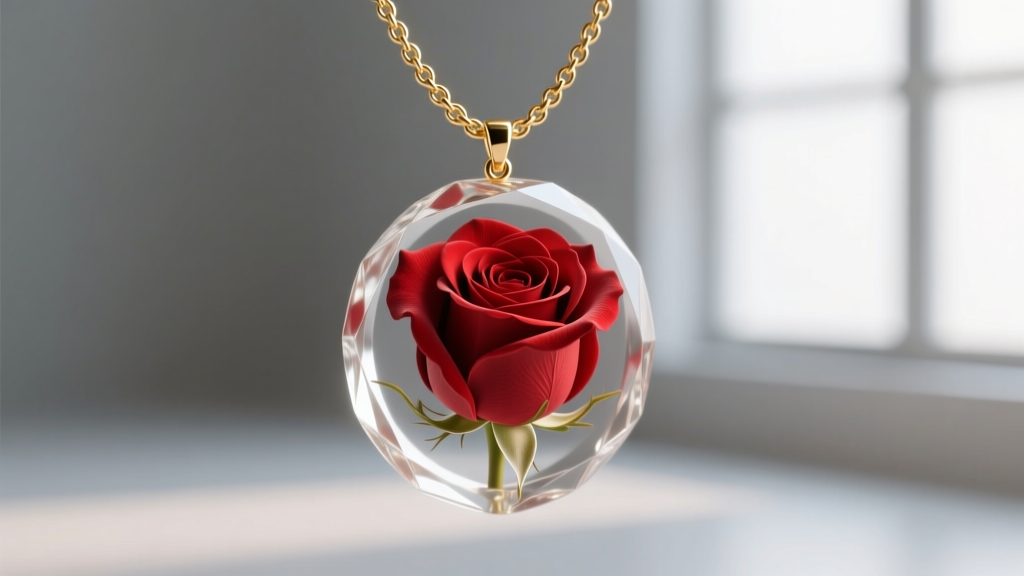
When shoppers search for a necklace of roses, they are typically looking for one of two distinct categories of jewelry: preserved botanical specimens or finely crafted sculptural metal motifs. The rose has been a symbol of love, confidentiality, and balance for centuries, making it one of the most requested floral designs in fine jewelry. However, the market is flooded with mass-produced imitations, poorly plated novelties, and fragile chains that cannot support the weight of the pendant. As a buyer, understanding the material science behind preservation techniques and the metallurgy of floral casting is essential to making a purchase that lasts a lifetime. This comprehensive buying guide will break down exactly what to look for, from micron-thickness in gold dipping to the refractive index of jewelry-grade resins.
Category 1: Preserved Real Rose Necklaces
Preserved rose necklaces utilize actual organic rose petals, buds, or entire blooms. Because organic matter decomposes, jewelers must employ specific chemical and physical stabilization methods. The quality of a preserved necklace of roses hinges entirely on the stabilization technique used.
The Electroplating (Dipped) Process
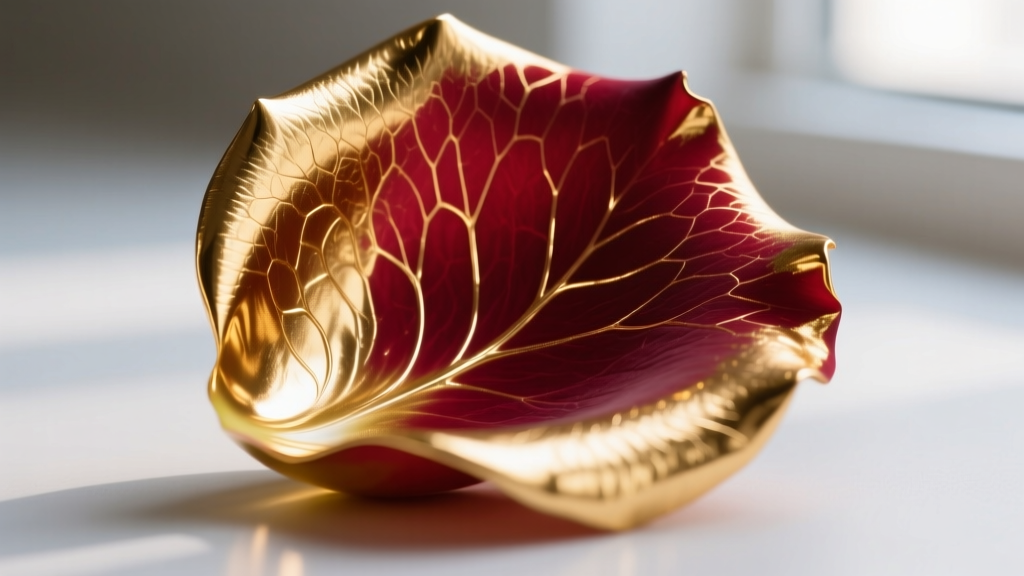
Often marketed as '24k gold dipped roses,' these pieces start with a real rose that is carefully selected at peak bloom. The organic material is first sealed with a protective lacquer to prevent decay. Next, a conductive layer—usually a copper or graphite paint—is applied to the surface. The rose is then submerged in an electroplating bath where 24k gold ions bond to the conductive shell. According to jewelry manufacturing standards, a high-quality dipped rose should have a gold layer thickness of at least 2 to 3 microns. Anything less than 1 micron will wear away quickly, exposing the base metal underneath. When buying, look for sellers who disclose their micron thickness and use a nickel-free conductive base layer to prevent skin allergies.
Resin Encapsulation and Glass Vials
For those who prefer to see the natural color of the rose, encapsulation is the superior method. High-end artisans use jewelry-grade, UV-stabilized epoxy resin. This specific type of resin has a refractive index of approximately 1.5, which closely mimics the light-bending properties of glass, but it is entirely shatter-resistant. Cheaper alternatives use polyurethane or non-UV-stabilized resins, which will yellow and become cloudy within 12 to 18 months of sun exposure. Another variation is the glass vial pendant, where a dried miniature rose is suspended in a borosilicate glass tube. While beautiful, glass vials are inherently fragile and prone to shattering if dropped on hard surfaces, making resin the more practical choice for daily wear.
Category 2: Fine Metal Rose Motifs
If you prefer traditional fine jewelry, a sculptural metal necklace of roses offers timeless elegance without the fragility of organic materials. When evaluating metal rose pendants, the manufacturing technique dictates the level of detail, durability, and overall value.
Lost-Wax Casting vs. Hand Fabrication
Most commercial rose pendants are created via lost-wax casting. A master model is carved in wax, encased in investment plaster, burned out, and filled with molten precious metal. While casting allows for intricate, three-dimensional petal layering, you must inspect the piece for 'porosity'—tiny pinhole bubbles on the metal surface that indicate poor casting conditions. For the ultimate collector, look for hand-fabricated roses utilizing the repoussé technique, where a jeweler hand-hammers and chases a flat sheet of gold or silver into a high-relief floral sculpture. Hand-fabricated pieces will have slight, beautiful asymmetries and significantly harder, more durable metal due to the work-hardening effect of the hammer strikes.
Understanding Metal Purity and Oxidation
When choosing your metal, consider how it interacts with the rose design. Sterling silver (92.5% pure silver) is an excellent choice for rose motifs because jewelers can apply 'oxidation' (a controlled darkening) to the recesses of the petals. This creates striking contrast and deepens the floral relief. However, as noted by the Silver Institute, sterling silver requires regular polishing to prevent unwanted tarnish. Alternatively, 14k or 18k rose gold naturally complements the floral theme. The copper alloy in rose gold not only provides the romantic pink hue but also increases the tensile strength of the pendant, making it highly resistant to bending and scratching compared to softer 24k gold.
Chain Pairing: Gauge and Durability Matrix
A common failure point in floral jewelry is pairing a heavy pendant with an inadequate chain. A preserved dipped rose can weigh between 15 and 30 grams, while a solid 14k gold cast rose can easily exceed 10 grams. Selecting the correct chain gauge (thickness) is critical to prevent snapping. Below is a structural guide for pairing your necklace of roses with the appropriate chain.
| Chain Style | Recommended Gauge | Best Pendant Type | Durability Rating |
|---|---|---|---|
| Rolo Chain | 1.5mm - 2.0mm | Heavy Electroplated Roses | Very High |
| Box Chain | 1.0mm - 1.2mm | Solid Metal Cast Roses | High |
| Cable Chain | 0.8mm - 1.0mm | Small Resin Encapsulated Buds | Medium |
| Rope Chain | 1.5mm - 2.5mm | Oversized Multi-Rose Clusters | Exceptional |
Always ensure the clasp is proportionate to the chain. A heavy rolo chain should feature a sturdy lobster clasp with a reinforced soldered jump ring, rather than a delicate spring-ring clasp which can easily fail under the pendulum motion of a heavy rose pendant.
Pricing Tiers and Red Flags
Understanding the realistic pricing of a necklace of roses will protect you from overpaying for novelties or falling for counterfeit precious metals.
- Under $50 (The Novelty Tier): Expect mass-produced alloy metals painted with gold-colored lacquer, or fake 'preserved' roses made from dyed foam or silk. Chains in this tier are usually hollow and prone to snapping.
- $50 to $150 (The Artisan Botanical Tier): This is the sweet spot for genuine preserved real roses encased in high-quality UV resin, paired with authentic sterling silver or gold-vermeil chains.
- $150 to $500 (The Fine Jewelry Tier): Here you will find solid 14k gold cast rose motifs, high-micron electroplated botanicals with certified gold layers, and hand-fabricated repoussé pieces.
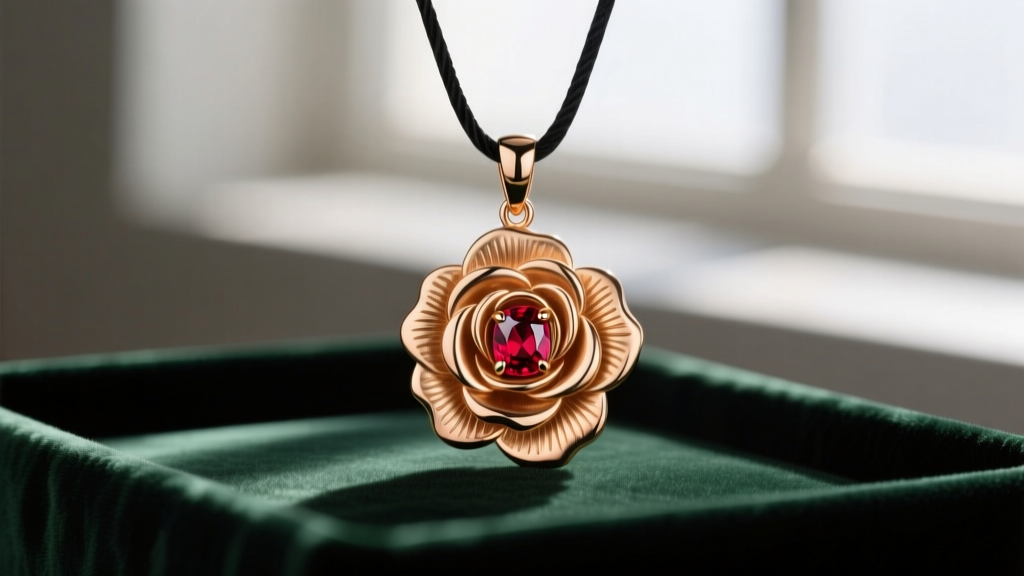
- $500+ (The Heirloom Tier): Custom-designed, hand-carved wax models cast in 18k gold, often featuring accent gemstones like rubies or sapphires set into the center of the rose.
Red Flag Warning: Be highly skeptical of any 'solid gold' rose necklace priced under $200. The Gemological Institute of America (GIA) provides extensive resources on gold quality factors, reminding consumers that the raw material cost of solid gold alone makes ultra-cheap pricing a mathematical impossibility. Always look for a stamped hallmark (e.g., 14K, 585, 925) on the bail of the pendant.
Expert Care and Maintenance
Botanical jewelry is highly sensitive to environmental factors. Never apply perfume, hairspray, or lotions while wearing a preserved rose necklace. The alcohol and volatile organic compounds (VOCs) in cosmetics can degrade the protective lacquer on dipped roses and cause clouding in resin encapsulations. Always put your jewelry on as the final step of your getting-ready routine.
For metal rose motifs, use a soft-bristled baby toothbrush and a mild dish soap solution to clean out the deep crevices between the petals where skin oils and dust accumulate. Avoid ultrasonic cleaners if your metal rose features oxidation or enamel detailing, as the high-frequency vibrations can strip the deliberate antiquing from the recesses. By understanding the material science, manufacturing techniques, and structural requirements outlined in this guide, you can confidently select a necklace of roses that is not only visually breathtaking but engineered to endure.


