How Much Is a Real Pearl Necklace Worth? 2026 Value Guide
Discover how much a real pearl necklace is worth in 2026. We break down pricing for Akoya, Tahitian, South Sea, and Freshwater pearls by grade.

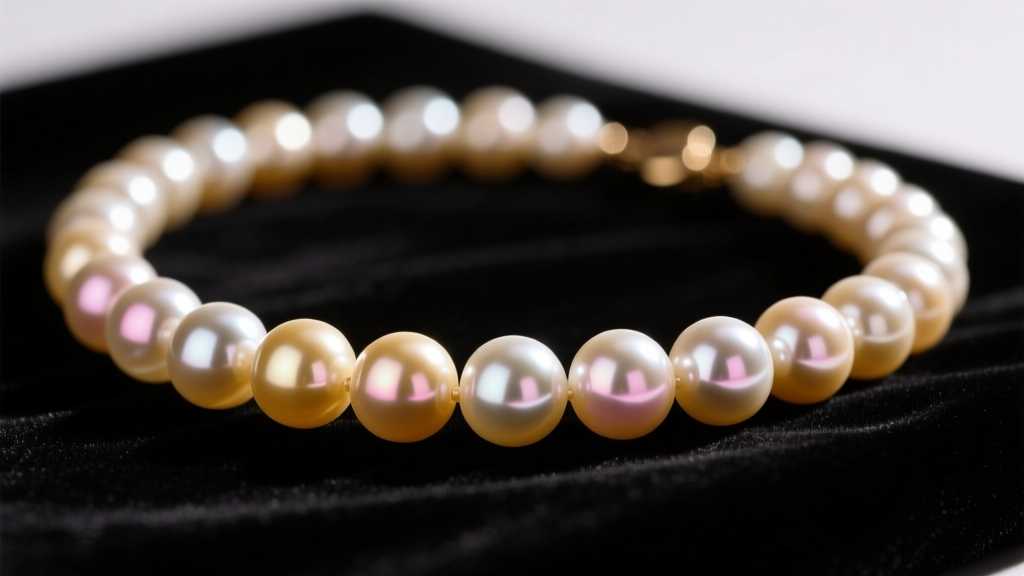
The 2026 Pearl Market: Why Valuation is Shifting
When collectors and buyers ask how much is a real pearl necklace worth, the answer in 2026 spans a massive spectrum—from $150 for commercial-grade freshwater strands to well over $150,000 for gem-quality South Sea specimens. Unlike diamonds, which are graded on a rigid, universally standardized scale, pearl valuation is a nuanced interplay of biology, market scarcity, and shifting aesthetic trends.
This year, the pearl market is experiencing a distinct pivot. Climate fluctuations and ocean warming have impacted traditional pearl farming regions, particularly in French Polynesia and Australia, tightening the supply of large, perfectly round, high-luster specimens. Simultaneously, contemporary jewelry designers are driving up the value of organic, asymmetrical shapes. According to the Cultured Pearl Association of America (CPAA), the demand for high-luster baroque and keshi pearls has surged, creating a secondary market where unique, imperfect pearls sometimes command premiums over their perfectly round counterparts.
Breaking Down the Worth: Pearl Types and Price Ranges
To accurately appraise a pearl necklace, you must first identify the pearl type. The mollusk species, the cultivation environment (saltwater vs. freshwater), and the cultivation time dictate the baseline value. Below is the 2026 pricing matrix for a standard 16-to-18-inch princess-length strand.
| Pearl Type | Size Range (mm) | Nacre Thickness | 2026 Price Range (Strand) | Key Value Drivers |
|---|---|---|---|---|
| Freshwater | 6mm - 12mm | Solid nacre | $150 - $3,500 | Metallic luster, Edison nucleated varieties |
| Akoya | 6mm - 9.5mm | 0.4mm - 0.8mm | $1,000 - $12,000 | Mirror luster, Hanadama certification, rose overtones |
| Tahitian | 8mm - 16mm | 0.8mm - 2.0mm | $2,500 - $45,000 | Peacock/pistachio overtones, dark body colors |
| White South Sea | 10mm - 20mm | 2.0mm - 4.0mm | $10,000 - $120,000+ | Massive size, satin luster, silver/white hues |
| Golden South Sea | 10mm - 18mm | 2.0mm - 4.0mm | $15,000 - $150,000+ | Deep 24k gold color saturation, rarity |
The 5 Factors That Dictate Pearl Necklace Value
The Gemological Institute of America (GIA) evaluates pearls based on seven distinct value factors. For a necklace strand, where uniformity is paramount, five of these factors heavily dictate the final appraisal price.
1. Luster: The Ultimate Dealbreaker
Luster is the measure of how light reflects from the surface and the inner layers of nacre. A strand with poor, chalky luster is virtually worthless in the fine jewelry market, regardless of its size. In 2026, top-tier Akoya pearls must exhibit "mirror-like" luster, where you can clearly see your own reflection on the pearl's surface. South Sea pearls are judged on a "satin" luster—a softer, glowing illumination caused by their exceptionally thick nacre.
2. Nacre Thickness and Failure Modes
Nacre is the crystalline substance the oyster secretes over the nucleus. For saltwater beads, nacre thickness is a critical durability metric. An Akoya pearl harvested too early (under 8 months) may have a nacre layer of less than 0.3mm. Failure Mode Alert: Thin-nacre pearls are prone to "peeling." Over time, exposure to body acids, perfumes, and friction causes the thin nacre to flake away, revealing the dull shell bead underneath. Always demand X-ray verification or gemological reports for high-value strands to ensure nacre thickness exceeds 0.5mm for Akoya and 2.0mm for South Sea varieties.

3. Surface Quality and Blemish Grading
Pearls are organic gems, and finding a strand with zero blemishes is exceptionally rare. Appraisers look for spots, bumps, pits, and wrinkles. A necklace graded "Clean" (no visible blemishes to the naked eye) commands a 30% to 50% premium over a "Moderately Blemished" strand. However, in the modern market, if a blemish is completely hidden by the drill hole or setting, it does not negatively impact the strand's overall valuation.
4. Shape: The Rise of the Baroque Premium
Historically, perfectly round pearls commanded the highest prices. While this remains true for investment-grade South Sea and Akoya strands, the 2026 style landscape has disrupted this rule. High-luster baroque (irregularly shaped) and keshi (non-nucleated) pearls are heavily favored by avant-garde designers. A strand of brilliantly lustrous, cohesive baroque Tahitian pearls can now outprice a mediocre, off-round strand of the same origin.
5. Color and Overtone Matching
Body color is the dominant hue, while overtone is the translucent secondary color that appears to float over the surface. For Tahitian pearls, a dark gray body color with a vibrant "peacock" overtone (a mix of green, pink, and purple) is the most valuable. For Akoya, a white body with a distinct rose overtone is highly prized. In a necklace, the matching of these colors across 50+ individual pearls is what drives the exponential increase in price.
Vintage vs. Modern: Appraising Estate Pearl Necklaces
The secondary market for vintage pearl jewelry requires specialized knowledge. A common misconception is that all vintage pearls appreciate in value. This is false. Many mid-century pearl strands were cultured using aggressive seeding techniques that resulted in very thin nacre. If you are evaluating a vintage strand from the 1960s or 1970s, inspect the drill holes under magnification. If you see concentric layers of nacre separating or flaking near the hole, the necklace has suffered structural degradation and holds minimal value outside of its clasp.
"Provenance matters immensely in estate pearls. A vintage Mikimoto strand with its original, signed 18k white gold clasp and original PSL certification will retain its premium, whereas an unbranded vintage strand of similar visual quality will depreciate significantly due to the inability to verify its nacre thickness without destructive testing."
Conversely, natural, non-cultured saltwater pearls (such as antique Basra pearls) are incredibly rare and fetch astronomical prices at auction houses, entirely separate from the cultured pearl market.
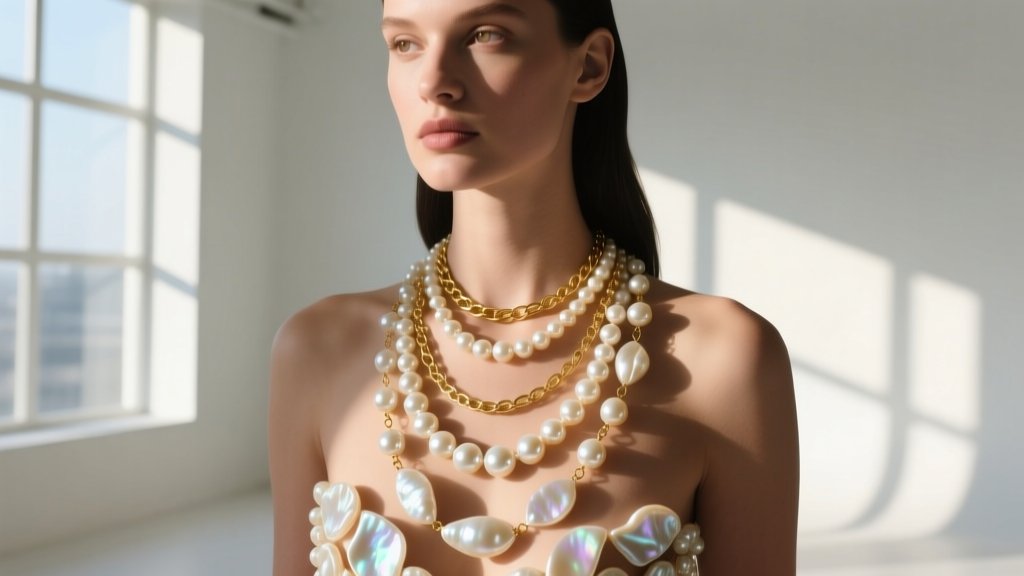
How to Verify Authenticity Before You Buy or Sell
Before finalizing a valuation, you must rule out imitations. Glass, plastic, and shell-bead coated pearls (like Majorica) flood the market. Use these actionable verification steps:
- The Tooth Test: Gently rub the pearl against the biting edge of your front tooth. A real pearl will feel distinctly gritty or sandy due to its microscopic crystalline nacre structure. An imitation pearl will feel perfectly smooth, like glass.
- Drill Hole Examination: Use a 10x jeweler's loupe to inspect the drill hole. Real pearls will show sharp, clean edges where the nacre meets the hole. Coated imitations often show peeling, bubbling, or a distinct line separating the paint from the glass/plastic core underneath.
- Temperature Test: Real pearls feel noticeably cool to the touch initially and take a few seconds to warm up against your skin. Plastic imitations feel room-temperature immediately, while glass beads warm up much faster than dense, organic nacre.
- Clasp Inspection: High-value real pearl necklaces are almost never strung with cheap base-metal clasps. Look for 14k or 18k gold, platinum, or sterling silver safety clasps. A cheap brass clasp on a supposedly $10,000 Akoya strand is a massive red flag.
Final Verdict: Investing in Pearls Today
So, how much is a real pearl necklace worth? It is ultimately worth what the intersection of its gemological grade and current market demand dictates. For buyers seeking an entry-level luxury piece, high-grade Edison freshwater pearls ($500–$1,500) offer incredible luster and durability for the price. For serious investors, untreated, gem-quality Golden South Sea strands with deep color saturation remain a robust store of value, largely due to the increasing environmental challenges facing Australian and Indonesian pearl farms. Always insist on a gemological report from a reputable lab for any strand priced above $3,000 to protect your investment and ensure the nacre thickness guarantees a lifetime of wear.


