How to Choose and Style a Real Shell Necklace: A Beginner's Guide
Discover how to identify, style, and care for a real shell necklace. Our beginner's guide covers authentic materials, pricing, and layering tips.

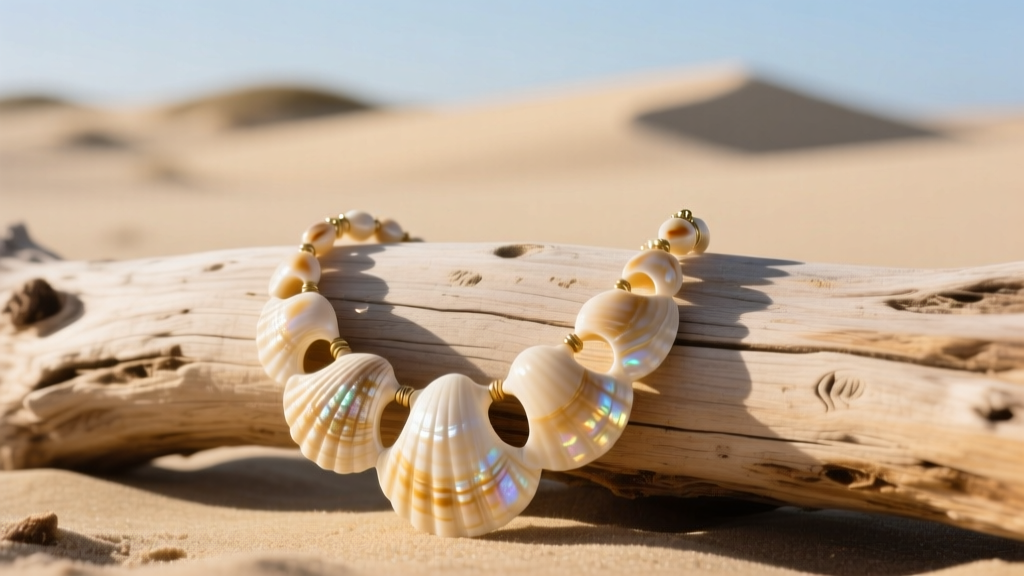
The coastal aesthetic has firmly cemented its place in modern jewelry, transitioning from a fleeting summer trend to a year-round wardrobe staple. However, as the demand for oceanic-inspired accessories grows, so does the market saturation of plastic and resin imitations. For those looking to invest in a real shell necklace, understanding the nuances of organic gemstones is essential. Unlike mass-produced synthetic alternatives, authentic shells offer unique textural variations, natural iridescence, and a tactile weight that simply cannot be replicated in a factory.
This beginner-friendly explainer will walk you through the exact methods for verifying authenticity, the best shell varieties for everyday wear, and the specific hardware requirements to ensure your necklace lasts for years. Whether you are drawn to the rugged charm of puka or the elegant luster of mother of pearl, this guide provides the actionable framework you need to shop with confidence.
Fake vs. Authentic: How to Spot a Real Shell Necklace
Identifying a genuine shell requires engaging multiple senses. Because shells are primarily composed of calcium carbonate and conchiolin (an organic protein), they react to environmental stimuli differently than polyurethane or acrylic resins. Here are three non-destructive tests used by jewelry appraisers:
- The Temperature Test: Real shells are dense and naturally cool to the touch. When you first pick up an authentic shell necklace, it should feel noticeably colder than the ambient room temperature. Plastic and resin beads will immediately feel warm or neutral.
- The Tooth Test: Gently rub the edge of the shell against the biting edge of your front teeth. A real shell will feel slightly chalky, gritty, or sandy due to its microscopic crystalline nacre layers. Imitation shells will glide perfectly smoothly.
- Visual Imperfections: According to the Gemological Institute of America (GIA), organic gems are defined by their natural inclusions and asymmetrical growth patterns. If every bead on a strand is perfectly uniform in shape, color, and hole-drilling precision, you are likely looking at a cast resin product.
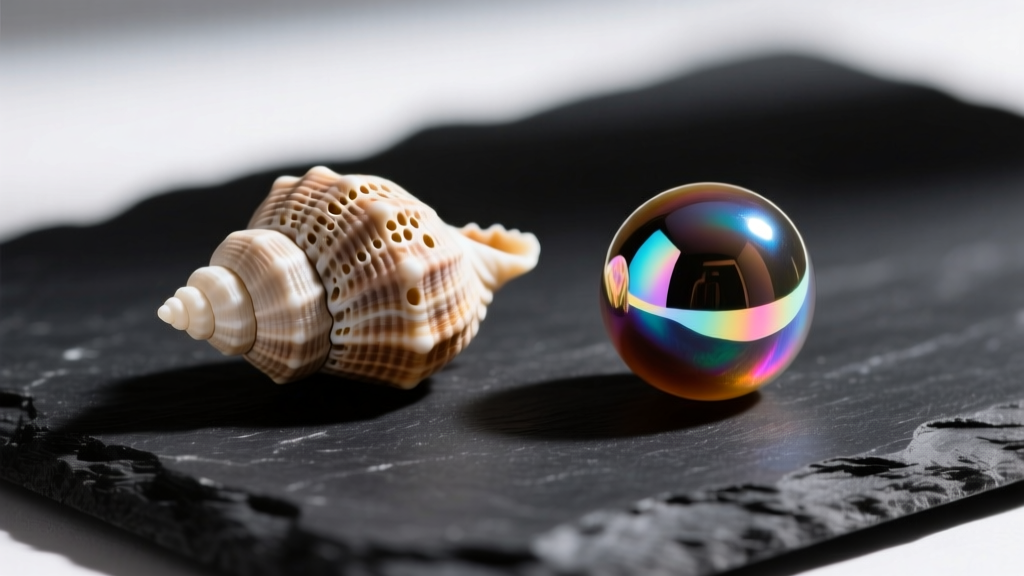
Popular Shell Varieties and Durability Metrics
Not all shells are created equal when it comes to jewelry making. The durability of a shell is measured on the Mohs scale of mineral hardness. Most organic shells fall between 2.5 and 4.0, making them softer than quartz or diamonds, but perfectly suitable for necklaces if properly strung and cared for. Below is a comparative breakdown of the most common varieties you will encounter when shopping for a real shell necklace.
| Shell Variety | Mohs Hardness | Average Price Range | Best Use Case |
|---|---|---|---|
| Genuine Puka | 2.5 - 3.0 | $35 - $90 | Casual, surf-inspired layering |
| Cowrie | 3.0 - 3.5 | $40 - $120 | Bohemian statement pieces |
| Mother of Pearl (Nacre) | 2.5 - 3.5 | $60 - $250+ | Elegant, everyday wear |
| Abalone | 2.5 - 3.5 | $75 - $300 | Iridescent evening accessories |
| Conch (Queen Conch) | 3.0 - 4.0 | $100 - $500+ | High-end, rare collector pieces |
Note: True Hawaiian Puka shells are naturally tumble-polished by the ocean, meaning their center holes are formed by coral wear, not drill bits. If the hole is perfectly centered and shows drill marks, it is likely a cheaper shell species that has been artificially shaped.
Stringing Materials and Hardware: What to Look For
The failure point of most shell necklaces is not the shell itself, but the stringing material. Shells, particularly puka and cowrie, can have microscopic sharp edges around the drill holes that act like tiny saws against standard cotton or cheap nylon threads.
Pro-Tips for Hardware and Stringing
- Micro-Knotting: For high-end Mother of Pearl or Abalone, look for necklaces strung on Griffin size 6 silk cord with individual knots between each bead. This prevents bead-on-bead friction and ensures that if the cord snaps, you do not lose the entire strand.
- Coated Wire: For heavier shell pendants or chunky cowrie strands, jewelers use 49-strand stainless steel beading wire (like Beadalon) coated in nylon. This provides the drape of silk with the tensile strength of steel.
- Clasp Selection: Avoid cheap base-metal spring rings, which can easily snap under the weight of a shell strand. Opt for solid sterling silver or 14k gold-filled lobster claw clasps. For heavier statement pieces, a toggle clasp provides superior weight distribution and security.
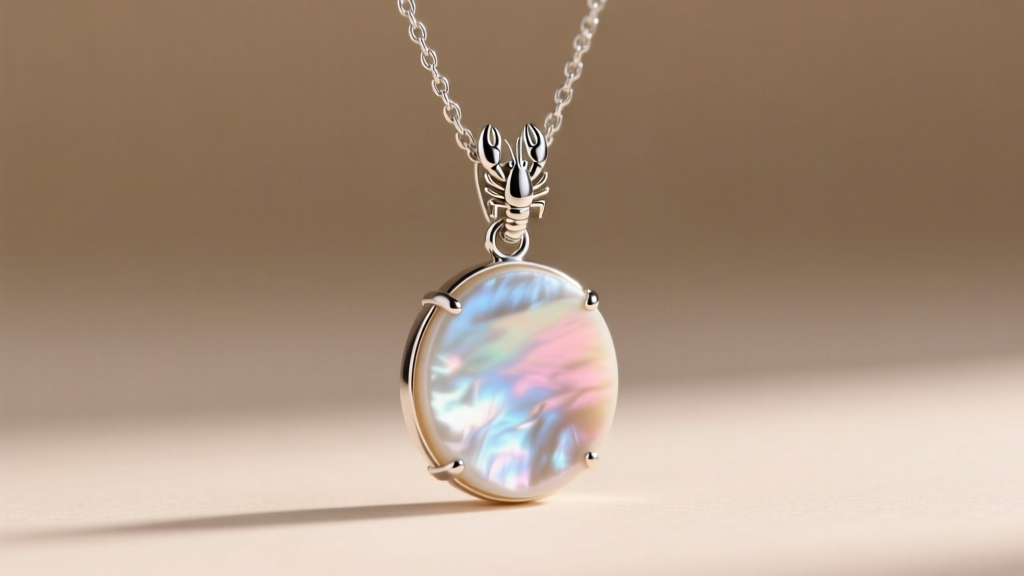
Styling and Layering Your Shell Necklace
In 2026, the approach to styling organic jewelry has moved past the single-strand beach look. The modern methodology relies on juxtaposing the matte, organic textures of shells with the high-polish finish of precious metals.
When building a layered necklace stack, use the 2-4-6 rule for lengths to prevent tangling and visual clutter:
- Layer 1 (16 inches): A delicate 14k gold vermeil chain with a small solitaire diamond or pearl drop.
- Layer 2 (18 inches): Your primary real shell necklace, such as a mid-sized puka or heishi shell strand.
- Layer 3 (22 inches): A heavier, textured sterling silver rope chain or a single, large Mother of Pearl pendant on a thick link chain.
This combination works exceptionally well with V-necklines, linen button-downs, and structured blazers, effectively bridging the gap between relaxed coastal wear and elevated office-appropriate attire.
Essential Care and Maintenance
Because shells are calcium carbonate, they are highly susceptible to acidic degradation. Everyday substances like perfume, hairspray, citrus juices, and even natural body sweat can slowly etch the nacre, leaving it dull and pitted over time. The GIA's care guidelines for organic gems strictly advise the 'last on, first off' rule.
Step-by-Step Cleaning Protocol
- Wipe the shells down with a soft, lint-free microfiber cloth dampened with distilled water after every wear to remove acidic skin oils.
- Never use ultrasonic cleaners or commercial silver dips, as the harsh chemicals will strip the shell's natural protective proteins.
- Store your necklace flat in a breathable cotton pouch. Hanging heavy shell strands for long periods can stretch the stringing material, leading to premature snapping.
- Plan to have your necklace professionally restrung every 18 to 24 months if worn frequently, as the silk or nylon cords will naturally degrade from tension and moisture exposure.
By understanding the material science and proper maintenance of organic gems, you ensure that your investment remains a vibrant, enduring part of your jewelry collection for years to come.


