How to Recharge Skills Necklace OSRS Replicas: A Jewelry Care Guide
Learn how to recharge skills necklace OSRS replicas with expert jewelry care. Restore enamel, polish brass, and maintain your custom gaming pendant.

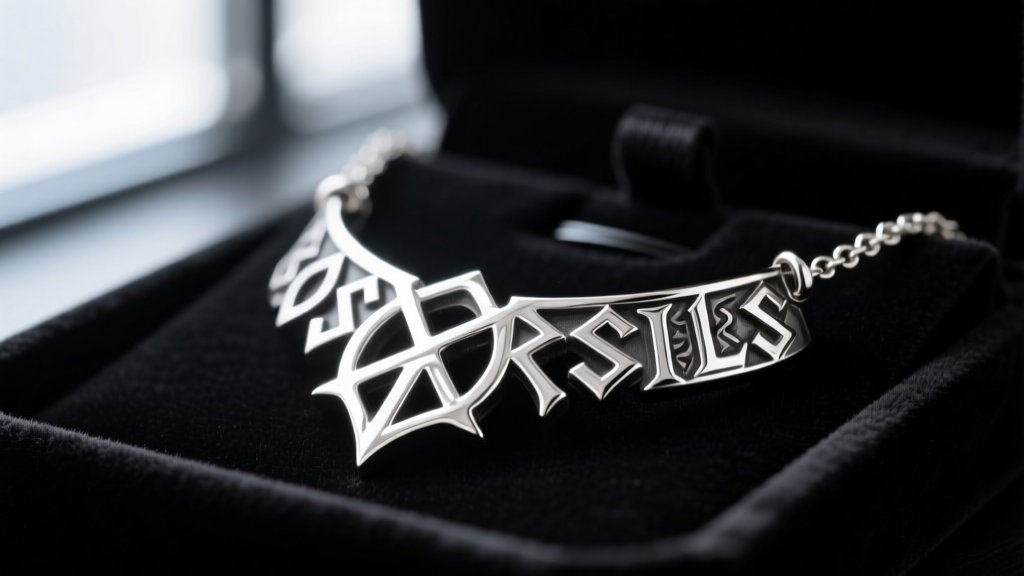
The Intersection of Gaming Memorabilia and Fine Jewelry
For dedicated fans of Old School RuneScape, the Skills Necklace is more than just a digital teleportation tool; it is a symbol of dedication, grind, and mastery. In recent years, a thriving cottage industry of custom jewelers and Etsy artisans has emerged, translating this iconic in-game item into stunning, real-world replicas. Crafted from materials ranging from .925 sterling silver and oxidized brass to vibrant cold enamels, these pendants are wearable pieces of gaming history. However, wearing a replica daily exposes it to the harsh realities of the physical world: sulfur-induced tarnish, skin oils, mechanical stress, and accidental impacts.
While players in Gielinor simply visit the Fountain of Uhld to restore their amulets, real-world collectors face a different challenge. Many fans frequently search for how to recharge skills necklace osrs replicas, not realizing that real-world 'recharging' requires chemical and mechanical restoration rather than a magical fountain. As a jewelry care specialist, I am here to bridge the gap between digital lore and physical metallurgy, providing a comprehensive troubleshooting guide to restore your custom pendant to its original glory.
The Metallurgy of Custom OSRS Replicas
Before attempting any restoration, you must identify the exact materials used in your specific replica. Artisans typically rely on three primary mediums:
- .925 Sterling Silver: The premium choice for high-end replicas. Silver offers a brilliant luster but is highly susceptible to hydrogen sulfide in the air, leading to black silver sulfide tarnish.
- Cast Brass (CuZn39Pb2): Frequently used for budget-friendly or antiqued replicas. Brass provides a warm, golden-brown hue that mimics aged gold but is prone to dezincification and green patina when exposed to acidic skin pH.
- Cold Enamel (Epoxy Resin): Unlike traditional vitreous enamel (which is fired glass), custom replicas almost exclusively use cold enamel to fill the recessed skill icons. Cold enamel sits at roughly 2.5 to 3 on the Mohs hardness scale, making it highly susceptible to scratching and chemical degradation from harsh solvents.
What Does It Mean to 'Recharge' a Replica Necklace?
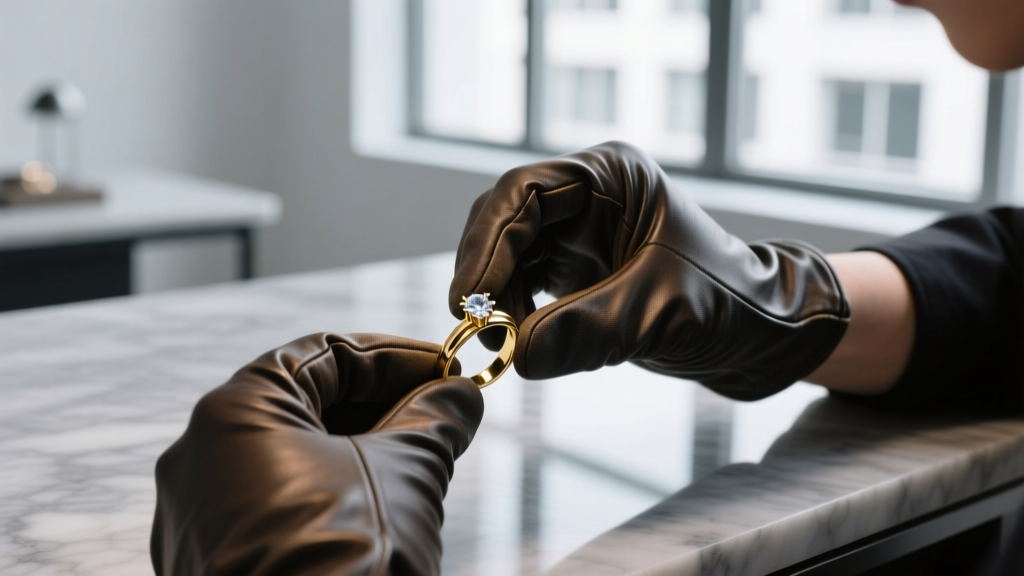
In the context of jewelry maintenance, 'recharging' refers to the complete revitalization of the piece's optical and structural properties. This involves three distinct phases: degreasing, tarnish reversal, and structural reinforcement. Skipping the degreasing phase is the most common amateur mistake; polishing a necklace coated in sebum and lotion merely grinds abrasive dirt into the silver, creating micro-scratches that permanently dull the finish.
Step 1: The Ultrasonic Degrease
Fill an ultrasonic jewelry cleaner with a solution of warm distilled water and a few drops of mild, phosphate-free dish soap. Run the machine at a standard 40kHz frequency for exactly three minutes. The cavitation bubbles will safely dislodge trapped debris from the intricate rune engravings without touching the piece. Warning: If your replica features glued-in gemstones or severely cracked enamel, bypass the ultrasonic cleaner and use a soft-bristled baby toothbrush instead, as high-frequency vibrations can shatter compromised epoxy.
Step 2: Chemical Tarnish Reversal
Once dry, assess the oxidation. For light tarnish on sterling silver, a treated polishing cloth (such as a Sunshine cloth) is sufficient. For heavy, blackened oxidation trapped in the crevices of the pendant's runic detailing, you will need a specialized liquid dip or a fiberglass scratch pen. According to the Silver Institute, controlled chemical reduction is always preferred over aggressive abrasive pastes, which strip away the rhodium plating and microscopic layers of the base metal.
Enamel Restoration: Fixing Chipped Skill Icons
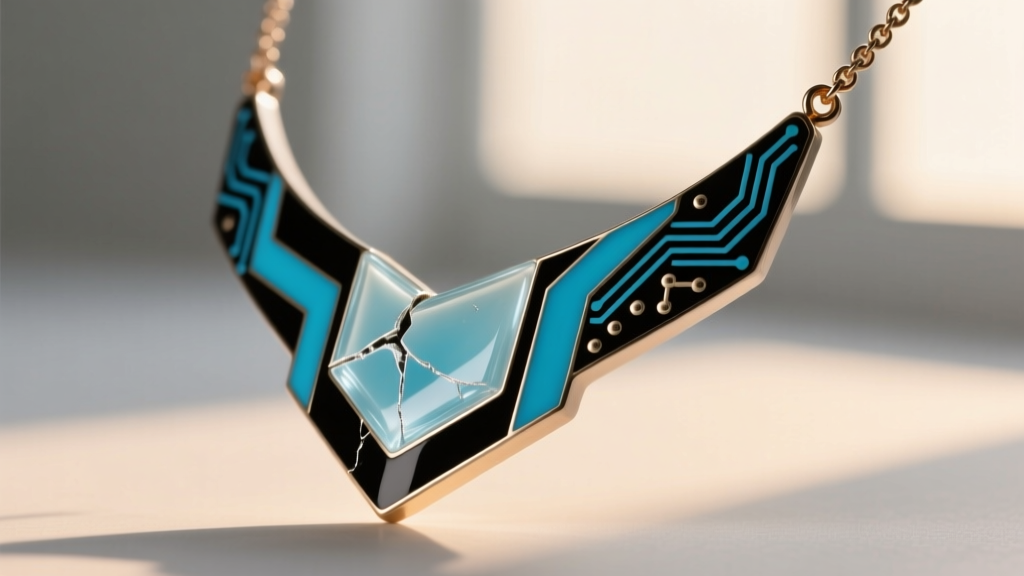
The vibrant skill icons on an OSRS necklace replica are its crowning achievement, but cold enamel is notoriously fragile. If you drop your pendant on a tile floor, the epoxy can chip or crack. The Gemological Institute of America (GIA) notes that epoxy-based enamels cannot be re-fired like glass; they must be repaired using modern adhesives.
To repair a chip, you will need a two-part clear jeweler's epoxy (such as Epoxy 330) and a micro-applicator syringe. Carefully mix the resin and hardener, ensuring no air bubbles are introduced. Using a 10x magnifying loupe, apply the epoxy strictly within the boundaries of the chipped recess. Allow it to self-level, then cure it under a UV lamp if the resin is UV-reactive, or let it air-cure for 24 hours in a dust-free environment. Once hardened, gently wet-sand the excess with 2000-grit automotive sandpaper until it is perfectly flush with the metal bezel.
Comparison Chart: Cleaning Agents vs. Replica Materials
| Cleaning Agent | Safe for .925 Silver? | Safe for Brass? | Safe for Cold Enamel? | Best Use Case |
|---|---|---|---|---|
| Ultrasonic (Soap/Water) | Yes | Yes | Yes (Intact only) | Initial degreasing and dirt removal |
| Silver Dip (Thiourea) | Yes | No | No | Heavy black tarnish on plain silver areas |
| Brasso / Copper Polish | No | Yes | No | Removing green patina from brass bases |
| Isopropyl Alcohol (90%) | Yes | Yes | No | Sanitizing chains; degrades epoxy resin |
Chain Maintenance and Clasp Troubleshooting
A pendant is only as secure as its chain. Custom replicas are often paired with sterling silver box chains or rope chains. The most frequent failure point is the jump ring connecting the pendant to the chain, or the lobster clasp itself. Over time, the tension in the clasp's internal spring weakens, and the jump ring experiences metal fatigue from friction.
To troubleshoot a failing clasp, use a pair of nylon-jaw chain-nose pliers to gently squeeze the jump ring closed. Never pull a jump ring apart laterally; always twist it open and closed along its axis to maintain its structural integrity. If the lobster clasp feels 'mushy' or fails to snap shut, the internal mechanism is compromised by lint and skin oils. A single drop of synthetic watch oil applied to the hinge with a needle oiler can often revive a sticking clasp, saving you the cost of a full replacement.
Preserving Your Gaming Heirlooms
Whether you are a seasoned veteran of the Gielinor grind or a custom jewelry artisan catering to the gaming community, understanding the physical properties of these replicas is essential. By treating your custom pendant with the same care and precision you would apply to a high-end luxury piece, you ensure that your real-world Skills Necklace remains a pristine, wearable testament to your gaming achievements. Proper storage in an anti-tarnish cloth pouch, away from humidity and direct sunlight, will drastically reduce the need for frequent 'recharging' sessions, keeping your enamel vibrant and your silver gleaming for years to come.
For more lore and design references, you can always consult the Old School RuneScape Wiki - Skills Necklace to compare your replica's engraving accuracy against the official in-game 3D model.


