How to Recreate the Sabalenka Necklace Tennis Look
Learn how to recreate the iconic Sabalenka necklace look. Our step-by-step guide covers diamond grades, tennis chain specs, and styling tips for 2026.

The Rise of the Sabalenka Necklace Trend
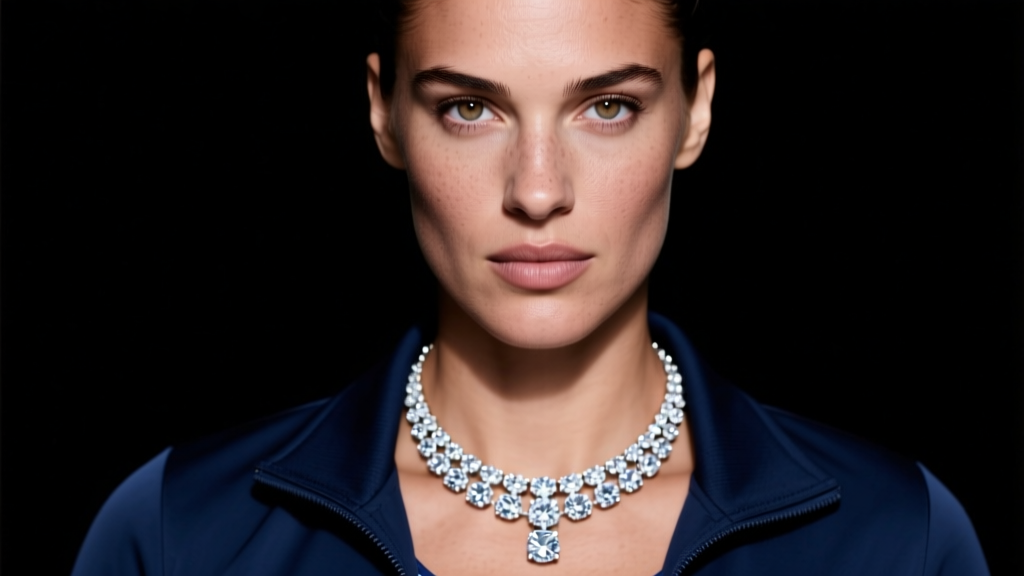
Over the past few years, the intersection of professional sports and high jewelry has created a massive cultural shift in how we view athletic style. At the forefront of this movement is tennis superstar Aryna Sabalenka. Known for her aggressive baseline game and unapologetic glamour, her off-court and press-conference appearances have sparked a massive surge in searches for the quintessential sabalenka necklace. When fans and jewelers reference this specific look, they are typically talking about a high-carat, meticulously calibrated diamond tennis necklace, occasionally layered with a chunky gold or diamond cross pendant.
Recreating this iconic sports-luxe aesthetic requires more than just buying any diamond chain. It demands a deep understanding of diamond calibration, structural integrity for active wear, and the art of high-contrast styling. In this comprehensive 2026 guide, we will break down exactly how to source, customize, and style a tennis necklace that captures the bold essence of the Sabalenka necklace trend, whether you are investing in natural stones or opting for modern lab-grown alternatives.
Step 1: Decoding the Diamond Specifications
The foundation of any elite tennis necklace lies in its diamond calibration. Unlike a solitaire pendant where a single stone's flawless clarity is paramount, a tennis necklace relies on the seamless flow of light across dozens of individual diamonds. According to the Gemological Institute of America (GIA), color matching is the most critical factor in multi-stone jewelry. If the diamonds vary even slightly in color temperature, the necklace will look disjointed and patchy.
- Carat Weight (CTW): To achieve that bold, Sabalenka-esque presence, you need substantial weight. The sweet spot for this specific look is between 15 and 25 Total Carat Weight (CTW). Anything under 10 CTW will look too delicate for the athletic-luxe aesthetic, while anything over 30 CTW can become uncomfortable for daily or active wear.
- Color Grade: Stick strictly to the F-G color range (Colorless to Near-Colorless). This ensures the stones face up brilliantly white against the skin, providing that icy, high-impact flash of light essential to the sabalenka necklace vibe.
- Clarity Grade: Because tennis necklaces typically utilize melee or semi-melee diamonds (ranging from 0.25 to 0.75 carats each), VS2 to SI1 clarity is perfectly acceptable. Inclusions in this range are invisible to the naked eye, allowing you to allocate more of your budget toward carat weight and color.
Natural vs. Lab-Grown: A 2026 Pricing Breakdown
The diamond market has evolved dramatically. Lab-grown diamonds (created via CVD or HPHT methods) now offer identical chemical and optical properties to mined stones, making them a popular choice for high-carat tennis chains. Below is a comparative look at current market pricing for a 14k or 18k white gold tennis necklace in F-G color and VS clarity.
| Specification | Natural Diamond (F/VS) | Lab-Grown Diamond (F/VS) |
|---|---|---|
| 15 CTW Tennis Chain | $45,000 - $65,000 | $3,500 - $6,000 |
| 25 CTW Tennis Chain | $90,000 - $130,000 | $7,000 - $11,000 |
| Color Calibration | Strict F-G Matching | Uniform CVD/HPHT Batches |
Step 2: Selecting the Setting and Clasp Mechanics
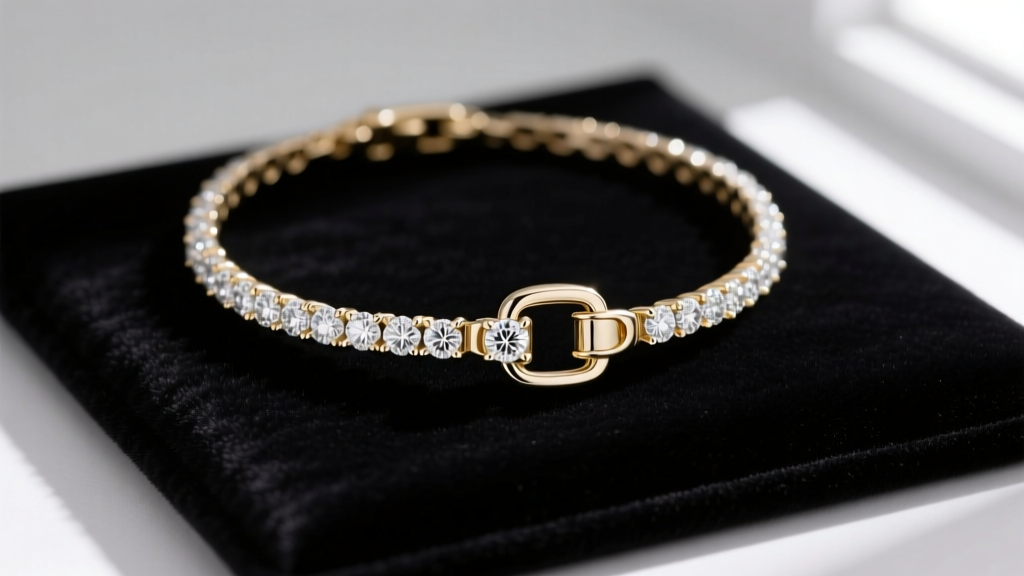
A diamond tennis necklace is a significant financial investment, and its structural integrity is non-negotiable—especially if you plan to emulate the active, dynamic lifestyle associated with the sabalenka necklace aesthetic. The setting style and the clasp mechanics are the two most common points of failure in poorly manufactured chains.
Prong vs. Bezel Settings
For maximum light return and that classic, sparkling tennis look, a four-prong martini setting is the industry standard. Four prongs secure the stone while leaving the maximum amount of the diamond's pavilion exposed to light. However, if you are an active individual who frequently wears athletic gear, consider a bezel setting. Bezel settings encircle the diamond in a thin rim of metal, offering superior protection against snagging on clothing or sports equipment, though they do reduce the diamond's visible surface area by about 10%.
The Critical Importance of the Clasp
Never purchase a high-carat tennis necklace with a standard lobster clasp. The tension placed on the neck during movement requires a specialized locking mechanism. You must insist on a tongue-and-groove box clasp equipped with double figure-eight safety catches. The tongue clicks securely into the grooved box, while the two secondary wire catches snap over the hinge, ensuring that even if the primary box mechanism is jarred open, the necklace remains securely around your neck. As noted by the Natural Diamond Council, proper mounting and clasping are essential for preserving heirloom-level jewelry.
Step 3: Mastering the On-Court and Off-Court Styling
The true genius of the sabalenka necklace trend is not just the jewelry itself, but the audacious way it is styled. Sabalenka frequently pairs high-end, six-figure diamond pieces with casual, utilitarian athletic wear. This high-low contrast is the defining characteristic of modern sports-luxe.
"The modern athlete has become the ultimate red-carpet canvas. Pairing a flawless diamond tennis chain with a simple, structured track jacket creates a visual tension that is far more compelling than traditional evening wear." — Contemporary Sports-Luxe Styling Review, 2025
The Athletic Luxe Approach
To nail the daytime, press-conference look, pair your 15-25 CTW diamond tennis necklace with a high-necked, dark-colored athletic zip-up or a crisp, oversized white cotton t-shirt. The dark fabric absorbs light, forcing the eye directly to the icy flash of the diamonds. Keep the rest of your jewelry minimal—perhaps small diamond stud earrings and a luxury sports watch. Avoid layering multiple delicate chains, as this dilutes the bold, singular impact of the tennis necklace.
Red Carpet Layering
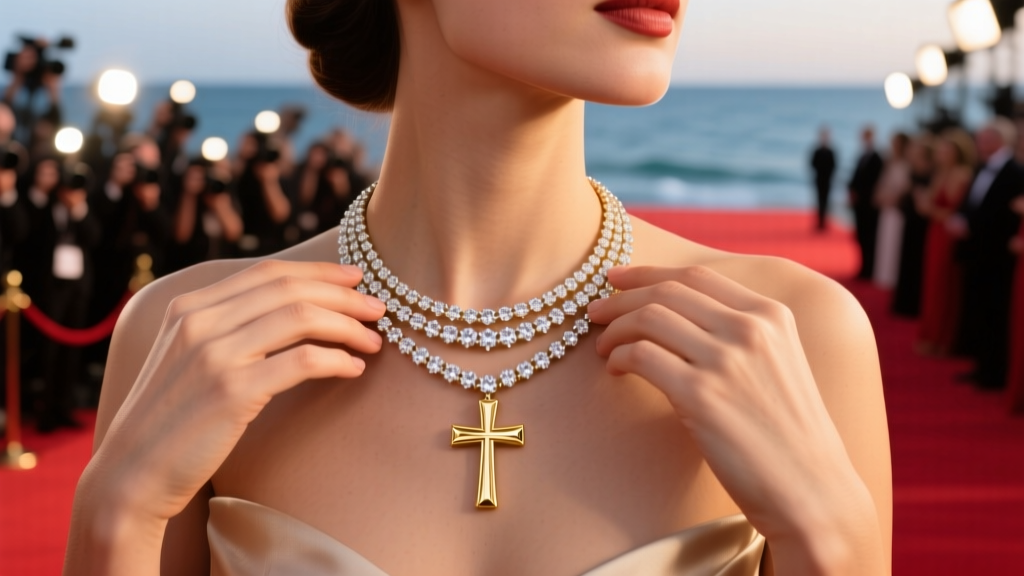
For evening events, the Sabalenka aesthetic often incorporates a secondary, heavier pendant. Layering the diamond tennis chain with a chunky 18k yellow gold cross pendant or a custom initial medallion adds a personalized, streetwear-inspired edge to formal attire. When layering, ensure the pendant sits at least two inches below the tennis necklace's collarbone placement (usually a 16-inch or 17-inch chain length) to prevent the pieces from tangling and scratching one another.
Step 4: Maintenance and Long-Term Care
A tennis necklace sits directly against the skin, making it highly susceptible to the accumulation of body oils, lotions, and environmental dust, all of which can severely dull a diamond's brilliance. Maintaining the pristine sparkle of your sabalenka necklace requires a disciplined, yet gentle, cleaning routine.
- Weekly Degreasing: Mix a few drops of mild, ammonia-free dish soap in a bowl of lukewarm water. Soak the necklace for 15 minutes to break down sebum and cosmetic residue.
- Gentle Agitation: Use a brand-new, ultra-soft baby toothbrush to gently sweep the underside of the diamonds (the pavilion). This is where the majority of light-blocking grime accumulates.
- Rinsing and Drying: Rinse thoroughly under lukewarm running water, ensuring the drain is securely plugged. Pat dry with a lint-free microfiber cloth.
- Ultrasonic Warnings: While the GIA recommends ultrasonic cleaners for many diamonds, you should avoid them for tennis necklaces unless a professional jeweler has recently checked the prongs. The high-frequency vibrations can loosen already-weakened prongs, leading to catastrophic stone loss.
Final Thoughts on the Sabalenka Necklace
Recreating the sabalenka necklace look is an exercise in bold contrasts and uncompromising quality. By prioritizing F-G color calibration, demanding secure tongue-and-groove clasps, and embracing the high-low styling techniques pioneered by today's top athletes, you can build a jewelry wardrobe that is both structurally sound and culturally relevant. Whether you opt for the geological rarity of natural diamonds or the technological marvel of lab-grown stones, the key to pulling off this iconic tennis chain is wearing it with absolute, unapologetic confidence.


