Red Coral Necklace Material Guide: Natural vs Dyed Properties
Discover the material properties of a red coral necklace. Learn to identify natural, dyed, and synthetic coral, plus grading and care tips.

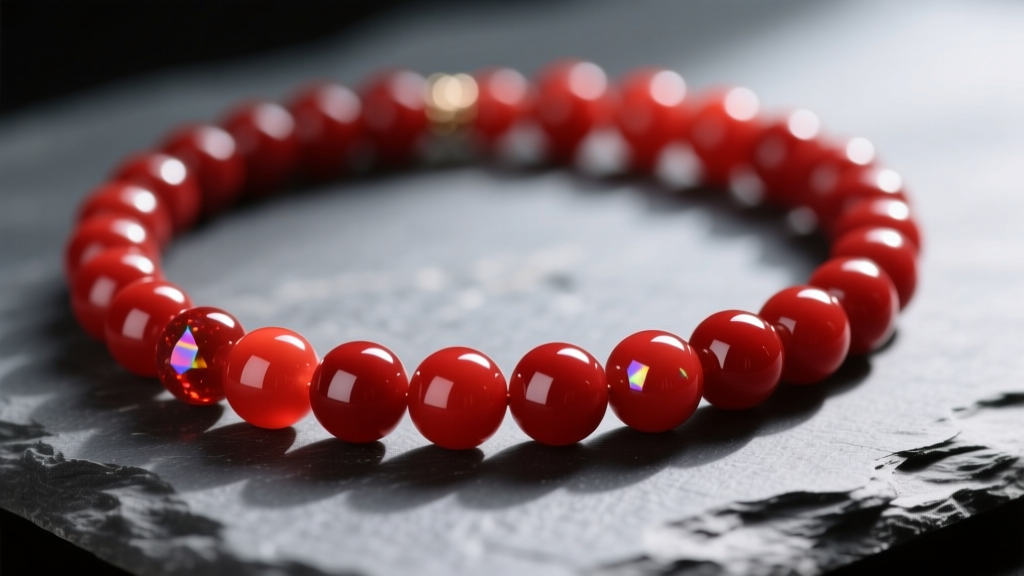
The Mineralogy and Organic Origins of Red Coral
When evaluating a red coral necklace, it is essential to understand that you are not looking at a traditional mineral gemstone, but rather an organic biomineral composite. Natural red coral is primarily composed of calcium carbonate (CaCO3) in the form of calcite, secreted by marine polyps belonging to the genus Corallium. The two most commercially significant species are Corallium rubrum, harvested predominantly from the Mediterranean Sea, and Corallium japonicum, sourced from the deeper, colder waters of the Pacific Ocean near Japan and Hawaii.
The signature red hue is not derived from trace minerals, as it is in rubies or garnets. Instead, it is the result of organic carotenoid pigments, specifically canthaxanthin, deposited within the calcium carbonate matrix during the coral's growth. This organic-inorganic hybrid structure gives red coral its unique material properties, including a specific gravity ranging from 2.60 to 2.70 and a relatively low Mohs hardness of 3.5 to 4.0. Because it is an organic gemstone, it requires entirely different gemological evaluation and care protocols compared to crystalline stones like quartz or beryl.
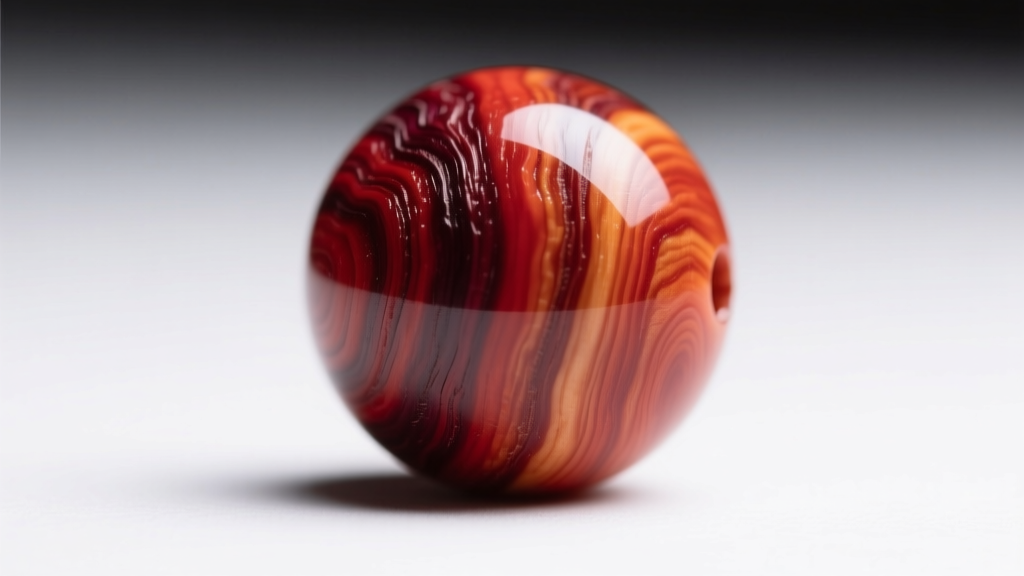
Material Comparison: Natural, Dyed, and Simulated Coral
The market for red coral necklaces is heavily saturated with treated, dyed, and outright simulated materials. Understanding the physical and optical differences between these categories is critical for both collectors and casual buyers. Below is a comprehensive material comparison chart detailing the properties of natural, dyed, and simulated alternatives.
| Material Type | Specific Gravity | Mohs Hardness | Average Price Range (18-inch Strand) | Primary Identification Method |
|---|---|---|---|---|
| Natural Mediterranean Coral | 2.60 - 2.70 | 3.5 - 4.0 | $2,500 - $15,000+ | 10x Loupe: Wood-grain striations, natural color zoning |
| Dyed Sponge / Howlite | 2.40 - 2.59 | 3.5 - 6.5 | $25 - $150 | Acetone swab test, dye concentration in surface fractures |
| Gilson Synthetic Coral | 2.40 - 2.50 | 3.5 - 4.0 | $100 - $400 | Microscopy: Lack of natural striations, granular texture |
| Glass / Plastic Imitation | 1.05 (Plastic) - 3.5 (Glass) | 2.0 - 5.5 | $10 - $50 | Thermal conductivity (warm to touch), mold marks, gas bubbles |
Gemological Identification Techniques
Identifying a genuine red coral necklace requires a systematic approach, as visual inspection alone is often insufficient. Under 10x magnification, natural Corallium exhibits a distinct wood-grain or striated pattern running parallel to the length of the original branch. In cross-section, you may observe concentric growth rings and radial striations, much like the cross-section of a tree trunk. These structural features are virtually impossible to replicate perfectly in synthetic materials.
Dye detection is the most common hurdle in coral authentication. Lower-grade white or pale pink coral, as well as porous howlite, is frequently dyed to mimic premium red coral. To test for dye, gemologists use a cotton swab lightly dampened with acetone or denatured alcohol, rubbed gently over an inconspicuous area or a surface fracture. If the swab picks up red pigment, the material is dyed. Additionally, under magnification, dyed coral often shows color concentration along surface-reaching cracks and pits, whereas natural coral displays a more uniform, albeit sometimes zoned, color distribution.
Grading Metrics: From Oxblood to Sponge Coral
The Oxblood Premium
In the realm of red coral necklaces, color saturation dictates value. The most prized color grade is known as Oxblood (or Moro in Italian). This designation applies to coral with a deep, saturated, dark red hue that lacks any brown or orange undertones. True Mediterranean Oxblood coral is exceptionally rare due to overharvesting and strict environmental regulations, pushing the price per gram for high-quality, unblemished beads well over $200. Beads that are perfectly round and matched in color command an exponential premium over baroque or cabochon cuts.
Porosity and Sponge Coral
At the lower end of the spectrum is sponge coral, which is highly porous and structurally weak. Because of its natural voids, sponge coral must be stabilized with epoxy or resin before it can be cut into beads for a necklace. While stabilization prevents the material from crumbling, it significantly alters the specific gravity and optical properties of the gem. Stabilized sponge coral necklaces are affordable and often feature intricate carvings, but they lack the waxy luster and durability of solid branch coral.
Structural Vulnerabilities and Chemical Failure Modes
Unlike diamonds or sapphires, a red coral necklace is highly susceptible to chemical degradation. The calcium carbonate matrix is inherently reactive to acids. Human sweat, which contains lactic acid and typically has a pH ranging from 4.5 to 7.0, can slowly etch the surface of coral beads over time. This chemical reaction strips away the polished layer, leaving the coral with a dull, chalky appearance that cannot be reversed without professional re-polishing—a process that removes precious carat weight.
Expert Warning: Never clean a red coral necklace in an ultrasonic cleaner or use commercial jewelry dips. The high-frequency vibrations can fracture internal stress points, and the chemical solvents will instantly degrade the organic pigments and calcium carbonate structure.
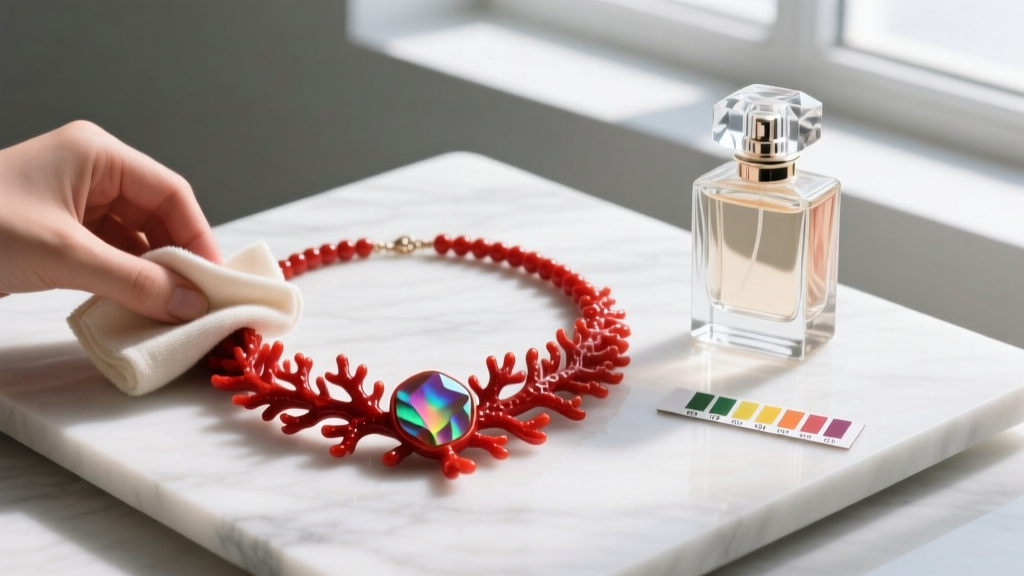
To preserve the structural integrity and luster of your coral, always follow the last on, first off rule. Apply perfumes, hairsprays, and lotions at least 15 minutes before putting on your coral necklace to allow the alcohol and chemical solvents to evaporate. After wearing, gently wipe the beads with a soft, dry microfiber cloth to remove microscopic layers of skin oils and acidic sweat before storing them in a soft pouch, separate from harder gemstones that could easily scratch the 3.5 Mohs surface.
Ethical Sourcing and CITES Compliance
The material beauty of a red coral necklace cannot be divorced from its environmental impact. Deep-sea coral ecosystems grow at an agonizingly slow rate—often less than a millimeter per year—and are vital to marine biodiversity. Due to historical over-dredging, many Corallium species are now strictly regulated. The Convention on International Trade in Endangered Species of Wild Fauna and Flora (CITES) monitors and restricts the international trade of certain coral species to prevent ecological collapse.
When purchasing a high-value natural red coral necklace, always request documentation of origin and CITES export permits if the piece is crossing international borders. Reputable jewelers will provide certification from recognized gemological laboratories, such as the Gemological Institute of America (GIA), which not only verifies the natural origin and absence of dyes but also ensures that the material was sourced in compliance with international environmental treaties. By prioritizing ethically sourced, vintage, or antique coral necklaces, collectors can appreciate the organic majesty of this gemstone without contributing to the depletion of fragile marine ecosystems.


