Vintage Tortoise Shell Necklace: Fix Cracks & Spot Fakes
Learn how to troubleshoot a vintage tortoise shell necklace. Discover expert methods to fix cracks, identify genuine shell vs. celluloid, and prevent drying.

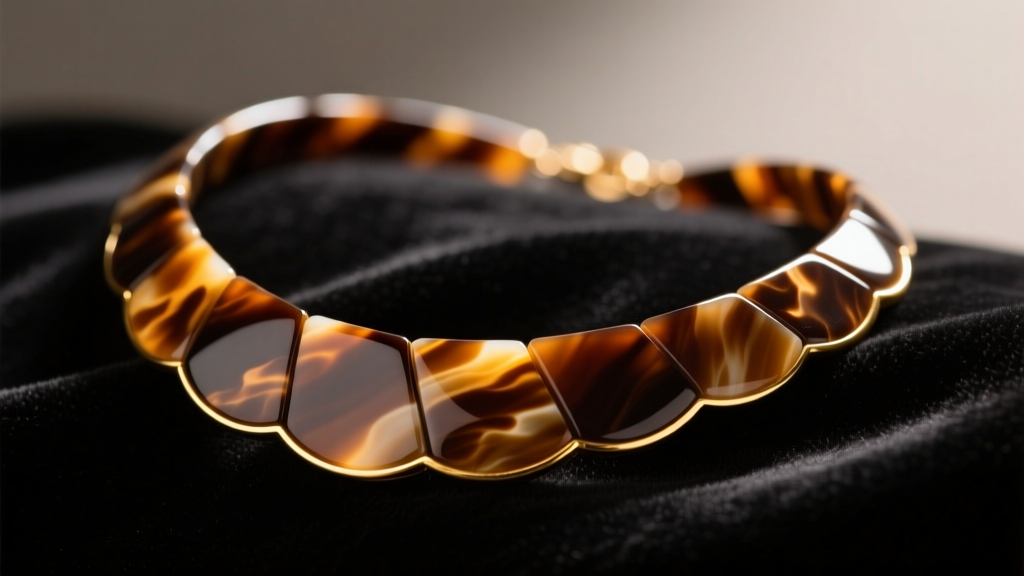
Owning a vintage tortoise shell necklace is a unique privilege, but it comes with a distinct set of conservation challenges. Whether you have inherited a family heirloom or sourced a rare piece from an estate sale, you may eventually notice micro-cracks, cloudiness, or warping. Furthermore, the market is flooded with convincing imitations, making it difficult to determine if your piece is genuine hawksbill turtle shell, early celluloid, or modern acetate. In this comprehensive troubleshooting guide, we will explore the material science behind these necklaces, provide actionable diagnostic tests, and outline professional-grade repair protocols to preserve your jewelry for decades to come.
The Legal and Material Reality of Tortoise Shell
Before attempting any repairs, you must understand what you are working with. Genuine tortoiseshell comes from the hawksbill turtle (Eretmochelys imbricata). Due to severe overharvesting, the international trade of hawksbill turtle products was strictly banned under the CITES treaty in 1973. Therefore, any genuine tortoise shell necklace on the market today is an antique or vintage piece.
Because genuine shell became illegal and scarce, the jewelry industry pivoted to alternatives. The most common vintage substitute is celluloid, an early thermoplastic invented in the 1860s that mimics the mottled amber and brown translucency of real shell. Modern pieces are typically made from stable acrylics or cellulose acetate. Identifying the exact material is the critical first step in troubleshooting, as the repair methods for organic shell and synthetic celluloid are vastly different.
Diagnostic Testing: Genuine Shell vs. Celluloid vs. Resin
Misidentifying your necklace can lead to catastrophic damage. For instance, applying heat to reshape genuine shell works beautifully, but applying heat to degrading celluloid can cause it to melt, warp, or even ignite. Use the following non-destructive and micro-destructive tests to identify your material.
| Test Method | Genuine Tortoise Shell | Vintage Celluloid | Modern Resin/Acrylic |
|---|---|---|---|
| Hot Pin Test | Smells like burning hair/bone; leaves a dull mark. | Smells sharply of camphor; highly flammable risk. | Smells like sweet chemicals; melts into a hard bead. |
| Friction/Rub Test | No distinct odor when rubbed vigorously. | Emits a faint camphor or Vicks VapoRub scent. | No odor, or faint synthetic plastic smell. |
| UV Blacklight | Dull, uneven fluorescence or none at all. | Bright, milky blue or greenish-white fluorescence. | Varies, often bright artificial white or purple. |
| Visual Inspection | Organic, flowing mottling; tiny natural inclusions. | Streaky, uniform patterns; may show crazing or cracking. | Perfectly uniform, printed, or suspended foil patterns. |
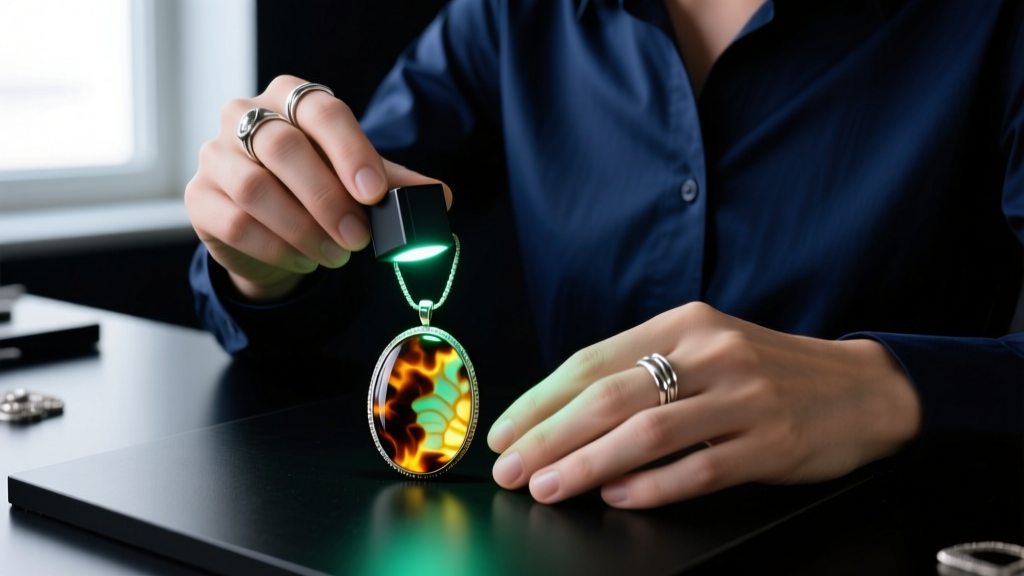
⚠️ Warning: The hot pin test is micro-destructive. Always perform it in an inconspicuous area, such as the back of a clasp or the inside of a bead, using a needle heated to a dull red glow. Never use an open flame near suspected celluloid, as cellulose nitrate is notoriously combustible.
Troubleshooting Common Damage: Cracks, Cloudiness, and Warping
Once you have confirmed the material of your tortoise shell necklace, you can address specific failure modes. Organic materials and early plastics degrade differently, requiring tailored conservation approaches.
Fixing Micro-Cracks and Delamination
Genuine tortoise shell is composed of keratin, much like human fingernails. Over time, fluctuations in humidity cause the keratin layers to expand and contract, leading to delamination or micro-cracks. Never use cyanoacrylate (Super Glue) on genuine shell. Cyanoacrylate cures through a rapid exothermic reaction and releases vapors that cause 'blooming'—a permanent, chalky white haze that ruins the translucent amber finish.
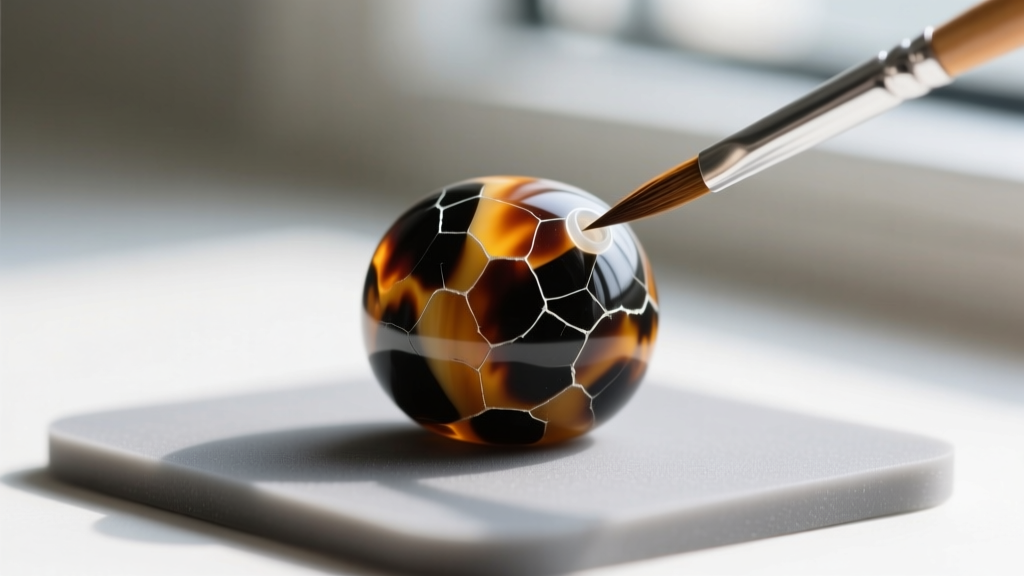
Instead, professional conservators use Paraloid B-72, an ethyl methacrylate copolymer. Dissolve Paraloid B-72 pellets in pure acetone to create a 5% to 10% solution. Using a micro-brush, wick the solution into the crack via capillary action. The acetone evaporates, leaving a stable, reversible, and optically clear acrylic resin that bonds the keratin layers without altering the shell's refractive index.
Restoring Cloudy or Dull Finishes
If your necklace has lost its luster, the surface may be oxidized or covered in decades of skin oils and cosmetic residue. For genuine shell, you can safely wet-sand and polish the surface. Begin with a Micro-Mesh abrasive kit, starting at 1500 grit and working your way up through 3200, 6000, and finally 12000 grit. Use a few drops of distilled water as a lubricant. Finish by applying a micro-crystalline wax, such as Renaissance Wax, to seal the keratin and restore a deep, glass-like shine.
Note on Celluloid: If your diagnostic tests reveal the necklace is celluloid, do not use abrasive sanding. The friction generates heat, which can warp the plastic or accelerate the off-gassing of camphor. Clean celluloid gently with a soft cloth dampened with distilled water and a drop of mild, pH-neutral soap, then buff dry immediately.
Preventative Maintenance and Storage Protocols
Troubleshooting is reactive; conservation is proactive. To prevent your vintage tortoise shell necklace from requiring repairs in the first place, you must control its micro-environment. The Getty Conservation Institute recommends strict environmental controls for organic and early plastic artifacts.
- Humidity Control: Store genuine shell at a stable relative humidity (RH) of 45% to 55%. Below 40%, the keratin will desiccate and crack; above 65%, it becomes susceptible to mold and structural softening.
- UV Protection: Ultraviolet light breaks down the molecular bonds in both keratin and celluloid, causing irreversible yellowing and brittleness. Never store or display the necklace in direct sunlight.
- Chemical Isolation: Keep the necklace away from perfumes, hairsprays, and household cleaners. The alcohol and solvents in cosmetics will strip the natural oils from genuine shell and dissolve the surface of celluloid.
- Proper Support: Do not hang heavy vintage bead necklaces on wire or thin hooks, which can stress the drill holes and cause the beads to split. Store them flat in an acid-free, lignin-free archival box lined with unbleached cotton.
When to Call a Professional Conservator
While minor polishing and stabilization can be done at home, certain issues require the expertise of a certified objects conservator. If your necklace features complex metal inlays (such as gold or silver piqué work) that are lifting from the shell, do not attempt to press them back down. The metal may have corroded, expanding and fracturing the surrounding shell. Similarly, if a celluloid necklace is emitting a strong, acidic odor or showing signs of 'weeping' (a sticky, oily residue on the surface), it is undergoing active chemical degradation. According to the Victoria and Albert Museum, degrading cellulose nitrate releases nitric acid, which will rapidly destroy the piece and can damage other items in your jewelry box. In these cases, isolate the necklace in a ventilated area and consult a professional immediately.
Summary Checklist for Necklace Care
Before wearing or storing your vintage tortoise shell necklace, run through this quick diagnostic and maintenance checklist:
- Verify the material using the UV and friction tests before applying any chemicals or abrasives.
- Inspect drill holes and clasps for stress fractures using a 10x jeweler's loupe.
- Remove all surface oils with a dry, lint-free microfiber cloth after every wear.
- Store flat in an archival box with a silica gel desiccant packet to buffer humidity spikes.
By understanding the unique material properties of your vintage tortoise shell necklace, you can confidently troubleshoot damage, avoid disastrous DIY mistakes, and preserve a remarkable piece of jewelry history for the next generation.


