Expert Care Guide: Cleaning a Vintage Avon Cameo Necklace
Learn how to safely clean, maintain, and restore your vintage Avon cameo necklace without damaging the gold plating, resin, or glue-set stones.

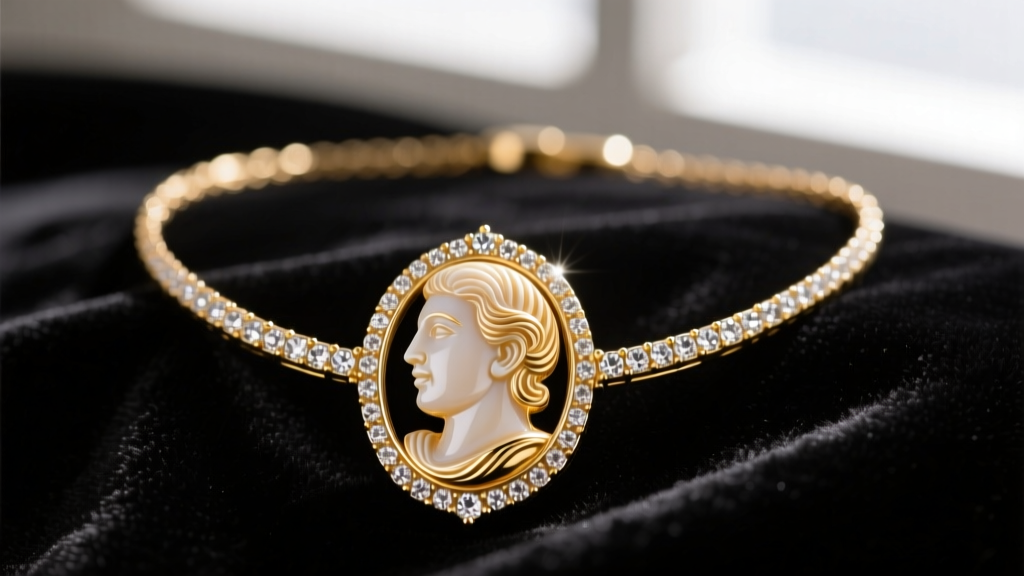
The Allure and Vulnerability of Vintage Avon Cameos
Collectors and jewelry enthusiasts alike cherish the vintage Avon cameo necklace for its nostalgic charm and intricate detailing. Produced predominantly between the 1970s and the late 1990s, these pieces were part of Avon's highly successful "Precious Pretenders" and fine jewelry simulation lines. However, because they are fundamentally costume jewelry, they require a vastly different cleaning approach than solid gold or fine gemstone pieces. The base metals, flash plating, adhesive-set rhinestones, and delicate carved materials are highly susceptible to irreversible damage from standard jewelry cleaners. Understanding the anatomy of your necklace is the first step in preserving its historical and aesthetic value.
Identifying Your Cameo Material
Before applying any cleaning method, you must identify the material of the cameo itself. Avon utilized three primary materials for their cameo pendants during their peak production decades:
- Carved Shell: Authentic shell cameos are cool to the touch, feature natural grain lines, and possess a slight translucency when held to a strong light source. They are porous and can dry out or crack if exposed to harsh chemicals.
- Molded Resin or Plastic: Used frequently in the 1980s, resin cameos are room temperature to the touch, lightweight, and may reveal faint mold seams along the edges under magnification. Resin is highly reactive to alcohol and ammonia, which can cause clouding or melting.
- Glass (Less Common): Some late-80s and 90s Avon pieces featured molded glass cameos. These are heavy, cold to the touch, and produce a distinct clink against teeth. Glass is durable but the foil backing behind it is not.
What NEVER to Use on Your Avon Cameo
The most common mistake collectors make is treating a vintage Avon cameo necklace like fine jewelry. According to the Victoria and Albert Museum's conservation advice, costume jewelry requires specialized, non-invasive care. Avoid the following at all costs:
The Chemical Danger Zone
- Ultrasonic Cleaners: The high-frequency vibrations will shatter fragile shell cameos, crack aged resin, and violently shake loose any glue-set rhinestones or faux pearls surrounding the pendant.
- Commercial Silver Dips and Polishes: Avon's gold-tone pieces are typically flash-plated (less than 0.5 microns thick) over a base metal like brass or pot metal. Silver dips and abrasive polishes will strip this microscopic gold layer instantly, exposing the dull base metal beneath.
- Ammonia, Bleach, and Alcohol: These solvents will degrade the epoxy glue holding the cameo in its bezel and will permanently cloud the surface of resin cameos.
- Toothpaste and Baking Soda: Often recommended in DIY cleaning hacks, these are highly abrasive and will leave micro-scratches across the cameo's carved profile and the surrounding metalwork.
Step-by-Step Dry and Damp Cleaning Method
To safely clean your vintage Avon cameo necklace, rely on mechanical removal of dirt rather than chemical dissolution. Follow this meticulous, conservator-approved process:
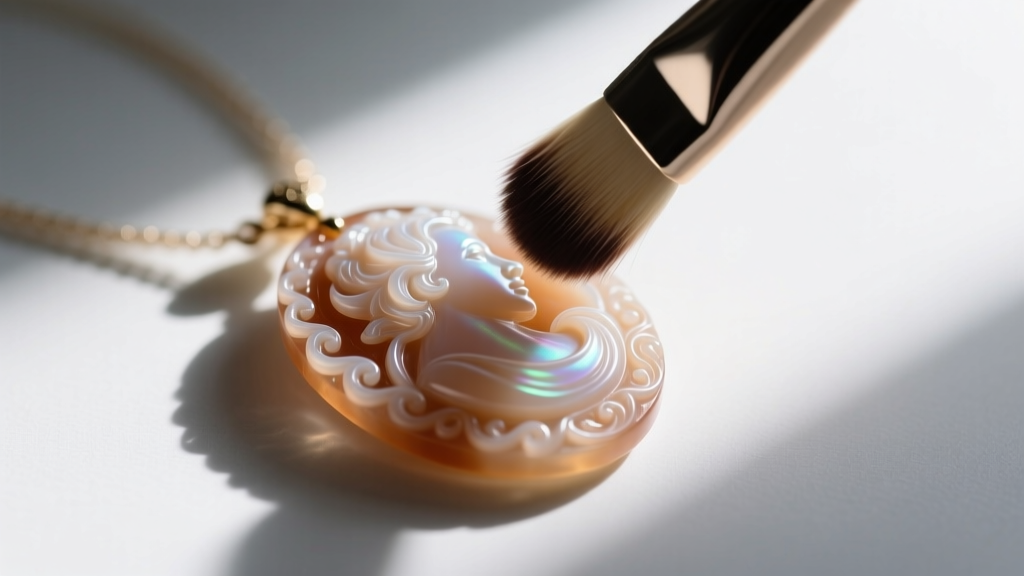
- Dry Dusting: Use a clean, soft-bristled makeup brush (like a blending or eyeshadow brush) to gently sweep dust out of the deep crevices of the cameo's carved profile and the intricate metalwork of the bezel.
- Damp Wiping (Metal Only): Dampen a microfiber cloth with a tiny amount of distilled water. Wring it out until it is barely moist. Gently wipe the gold-tone metal chain and the back of the pendant. Never let water pool around the bezel edges.
- Detailing the Crevices: For stubborn grime in the metal filigree, use a dry wooden toothpick. Wood is softer than metal and will not scratch the gold plating or the cameo material.
- Immediate Drying: Use a separate, dry microfiber cloth to immediately buff the metal dry. Air drying can leave mineral deposits from the water, causing spotting on the base metal.
Restoring Rhinestones and Managing Verdigris
Many vintage Avon cameo necklaces feature a halo of rhinestones or faux pearls. Avon frequently used foil-backed glass rhinestones to maximize sparkle. If water seeps behind the stone, the foil backing will oxidize and turn black, effectively killing the stone's brilliance. Always clean around rhinestones using a completely dry cotton swab. If a stone is already darkened, it cannot be cleaned; it must be carefully removed and re-foiled or replaced by a professional jeweler.
Dealing with Verdigris (Green Corrosion)
Because the base metal of Avon jewelry often contains copper or brass, exposure to sweat and humidity can cause verdigris—a toxic green, crusty corrosion. While the GIA gem care guidelines suggest specific treatments for fine metals, costume jewelry requires a gentler touch. Do not use vinegar or lemon juice, as the acid can seep into the glue joints and dissolve the adhesive holding your cameo together. Instead, use a dry wooden toothpick to gently flake away the green crust. For stubborn spots, lightly dip the very tip of a cotton swab in isopropyl alcohol, squeeze out all excess moisture, and dab the corrosion, avoiding all resin, shell, and glue joints entirely.
Proper Storage for Long-Term Preservation
How you store your vintage Avon cameo necklace is just as critical as how you clean it. The off-gassing of certain plastics and the humidity of the surrounding environment can destroy costume jewelry over time.
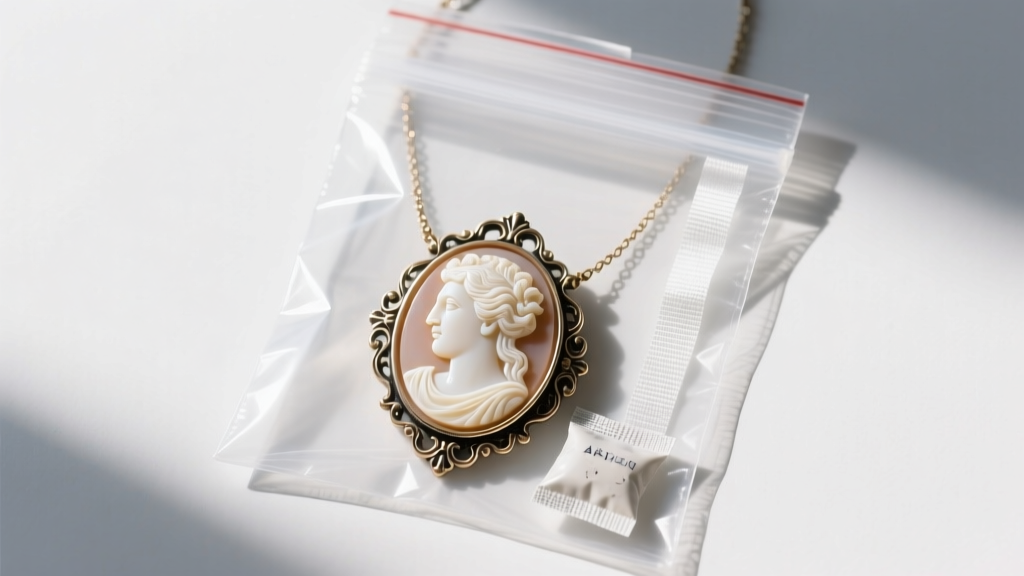
- Use Polyethylene, Not PVC: Store your necklace in a ziplock bag made of pure polyethylene. Avoid standard PVC plastics, which off-gas volatile organic compounds (VOCs) that can chemically react with the resin cameo and the gold plating, causing them to become sticky or discolored.
- Anti-Tarnish Strips: Drop a 3M anti-tarnish strip into the bag. These strips absorb sulfur and other airborne pollutants that cause the base metal to tarnish and the plating to degrade.
- Moisture Control: Include a small silica gel packet to maintain a low-humidity environment, preventing verdigris formation and protecting the foil backing of any rhinestones.
- Lay Flat: Store the necklace flat rather than hanging it. Hanging heavy cameo pendants can stress and stretch the vintage chain links over decades of storage.
Troubleshooting Common Avon Cameo Issues
Even with meticulous care, vintage pieces may develop issues over time. Use the table below to diagnose and address common problems associated with vintage Avon cameo necklaces.
| Issue | Root Cause | Actionable Solution |
|---|---|---|
| Cameo rattling in bezel | Desiccation and shrinkage of original 1970s epoxy glue. | Do not wear. Take to a jeweler to have the cameo carefully removed, cleaned, and reset with modern, flexible jewelry adhesive. |
| Blackened Rhinestones | Moisture penetration causing the silver foil backing to oxidize. | Cannot be cleaned. A jeweler must remove the stone, replace the foil backing, and reset it using water-resistant glue. |
| Sticky Resin Surface | Chemical reaction with PVC storage bags or exposure to perfume/hairspray. | Gently wipe with a dry microfiber cloth. If severe, consult a conservator; the resin surface may be permanently compromised. |
| Fading Gold Plating | Normal wear, friction from clothing, and exposure to skin acids. | Clean gently with a dry cloth. For restoration, seek a professional electroplating service specializing in costume jewelry. |
Final Thoughts on Vintage Jewelry Conservation
Maintaining a vintage Avon cameo necklace is an exercise in restraint and precision. By avoiding harsh chemicals, understanding the specific vulnerabilities of flash plating and foil-backed stones, and committing to archival-grade storage, you ensure that these beautiful mid-century pieces survive for future generations. When in doubt, always opt for the gentlest, least invasive cleaning method possible, and consult a professional conservator for significant structural repairs.


