Restoring a Vintage Grandmothers Necklace: Repair Guide
Learn how to fix a broken or tangled grandmothers necklace. Expert troubleshooting for clasp upgrades, jump ring soldering, and birthstone replacement.

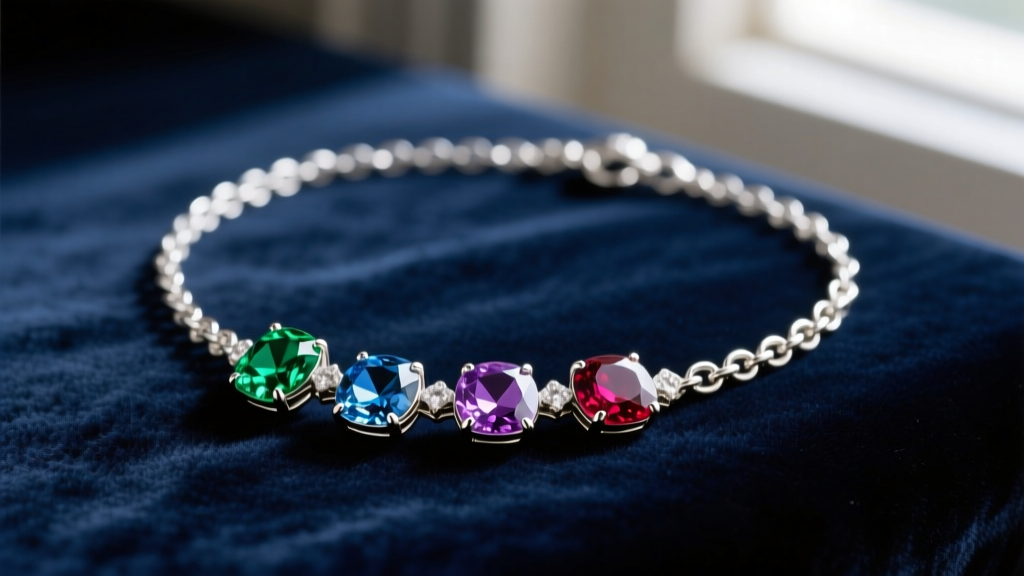
The Anatomy of the Grandmothers Necklace Dilemma
The classic grandmothers necklace—a chain adorned with multiple birthstone charms representing children and grandchildren—is one of the most sentimental pieces of jewelry a family can own. However, from a structural engineering perspective, these multi-pendant designs are inherently flawed. A standard 18-inch 14k gold chain weighs roughly 2.5 grams. When you add six to eight solid metal and gemstone charms, the localized stress on the lower apex of the chain increases by over 300%. This pendulum effect leads to predictable failure modes: tangled chains, stretched links, broken jump rings, and clasp fatigue.
Whether you are dealing with an inherited heirloom from the 1980s or a modern piece that is already showing wear, troubleshooting a grandmothers necklace requires moving beyond basic cleaning. In 2026, bench jewelers utilize advanced micro-laser welding and upgraded findings to permanently solve these structural issues. Here is your comprehensive guide to diagnosing and repairing the most common failures.
Diagnosing Common Hardware Failures
The Jump Ring Weak Point
The most frequent point of failure on any charm necklace is the jump ring connecting the pendant to the chain. Mass-produced birthstone charms typically use 20-gauge (0.8mm) or 22-gauge (0.6mm) wire for their jump rings. These thin rings yield at roughly 3 to 4 pounds of tensile force. A sudden snag on a sweater can easily exert 6+ pounds of force, pulling the ring open and losing a precious birthstone.
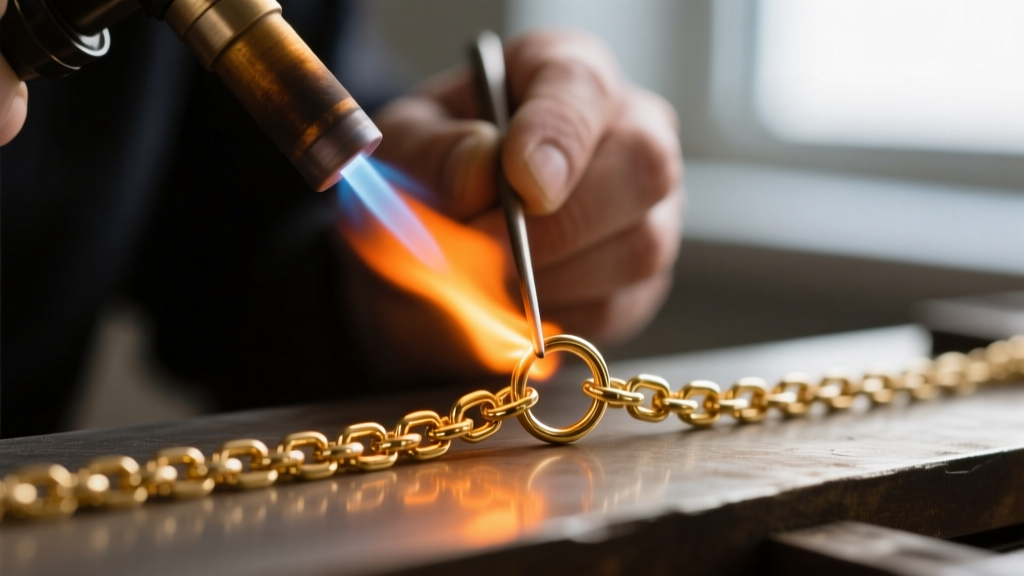
The Fix: Do not simply squeeze the open ring shut with pliers; the metal has already been work-hardened and weakened. A professional jeweler will replace the split ring with an 18-gauge (1.0mm) solid jump ring and laser-weld it shut. Laser welding is highly precise, allowing the jeweler to fuse the metal without applying the broad heat of a traditional torch, which could fracture heat-sensitive birthstones like opals or emeralds.
Clasp Fatigue and Upgrades
Vintage grandmothers necklaces often feature small 5mm or 7mm spring ring clasps. The internal spring in these vintage clasps is usually made of carbon steel, which is prone to rust, fatigue, and snapping after decades of exposure to skin oils and humidity. Furthermore, small spring rings are notoriously difficult for older hands to operate.
The Fix: Upgrade the clasp to a solid 14k gold or platinum 12mm lobster claw. The lobster claw offers a much stronger internal steel spring and a larger lever for easy gripping. For ultimate security, have a jeweler solder a "figure-8" safety catch alongside the primary clasp. This secondary wire loop ensures that even if the primary clasp fails, the heavy multi-charm chain will not slide off the neck.
Solving the Multi-Charm Tangle Problem
If your grandmothers necklace spends more time in a tangled knot than around your neck, the issue is likely your chain weave. Certain chain styles act like gears, catching on the bail (the loop) of the charms and twisting upon themselves due to static and kinetic movement.
| Chain Weave Type | Tangle Susceptibility | Weight Capacity | Best Use Case |
|---|---|---|---|
| Box Chain | High | Low (Prone to kinking) | Single lightweight pendants only |
| Rope Chain | Low | High (Excellent tensile strength) | Ideal for heavy multi-charm clusters |
| Curb Chain | Medium | Medium-High | Good for 2-3 charms, lays flat |
| Wheat Chain | Medium-High | High | Durable, but can trap small charm bails |
The Fix: If you are constantly untangling a box chain, consider having a jeweler swap the chain for a 1.5mm to 2.0mm rope chain. The spiraled, multi-strand weave of a rope chain prevents the smooth bails of birthstone charms from catching in the links. Additionally, adding tiny 2mm silicone or metal spacer beads between each charm on the chain itself will physically prevent the pendants from clustering and wrapping around one another.
Birthstone Restoration and Replacement
Many vintage grandmother necklaces from the mid-20th century utilized foil-backed glass or early synthetic crystals to represent birth months. Over time, the adhesive securing the foil degrades, causing the stones to look dull, gray, or cloudy. Furthermore, attempting to clean these pieces in an ultrasonic jewelry cleaner will violently vibrate the foil backing right off the stone, ruining it instantly.
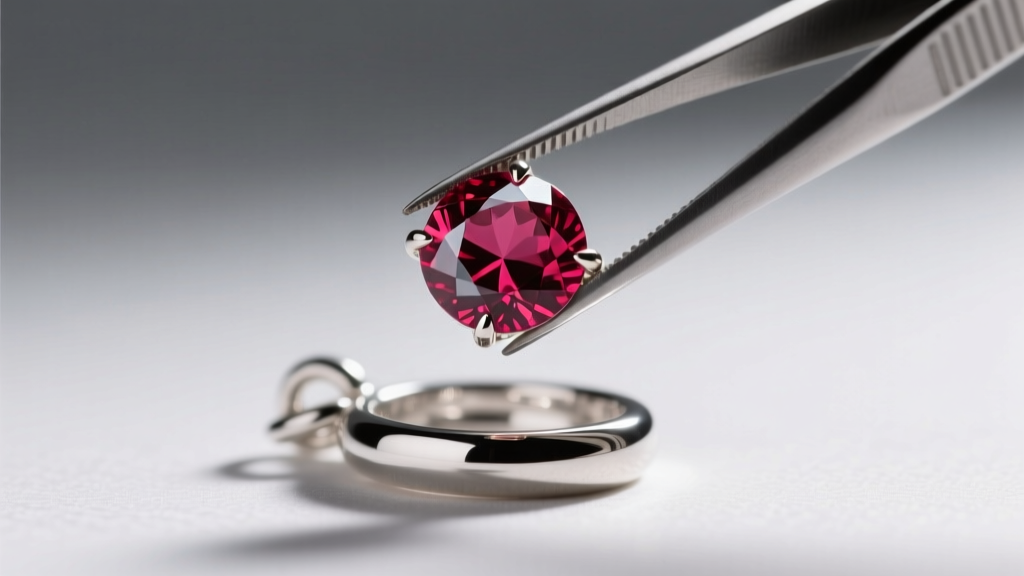
The Fix: If a stone is permanently clouded or chipped, it must be replaced. According to the Gemological Institute of America (GIA), understanding the Mohs hardness scale is critical when selecting replacement stones. For daily-wear pieces like a grandmothers necklace, avoid replacing stones with soft glass (Mohs 5.5) or porous materials like natural turquoise or dyed howlite. Instead, opt for lab-created corundum (synthetic ruby/sapphire, Mohs 9) or high-quality Cubic Zirconia (Mohs 8-8.5). These materials will withstand decades of friction against clothing and other charms without scratching or losing their faceted polish.
When to Seek Professional Bench Repair
While you can safely polish the metal with a soft microfiber cloth and mild dish soap, structural repairs require a professional bench jeweler. According to Jewelers of America, attempting DIY soldering or using chemical dip cleaners on multi-metal, multi-stone heirloom pieces can result in irreversible thermal shock or chemical etching.
You should take your necklace to a certified bench jeweler if you notice:
- Stretched Links: If the oval links near the clasp look elongated or thin, the metal is suffering from tensile fatigue and will soon snap.
- Loose Stones: If a birthstone rattles in its bezel or prong setting, stop wearing the necklace immediately. The metal prongs have worn down and require re-tipping.
- Blackened Solder Joints: If the chain links show dark, brittle spots, this is old, oxidized lead-based solder from a previous amateur repair. It must be cleaned out and re-soldered with proper gold or silver alloys.
Final Thoughts on Heirloom Preservation
A grandmothers necklace is a living record of a family's growth, but it requires proactive maintenance to survive the decades. By upgrading the clasp, laser-welding the jump rings, and switching to a tangle-resistant rope chain, you can transform a fragile, frustrating piece of jewelry into a robust, everyday heirloom. Store the necklace flat in a lined jewelry box with an anti-tarnish strip, and have the prongs and links inspected by a professional jeweler every two years to ensure the family legacy remains intact for the next generation.


