Pearl Necklace Enhancer Buying Guide: What to Look For
Discover how to choose the perfect pearl necklace enhancer. Learn about bail sizes, metal grades, attachment methods, and pearl matching.

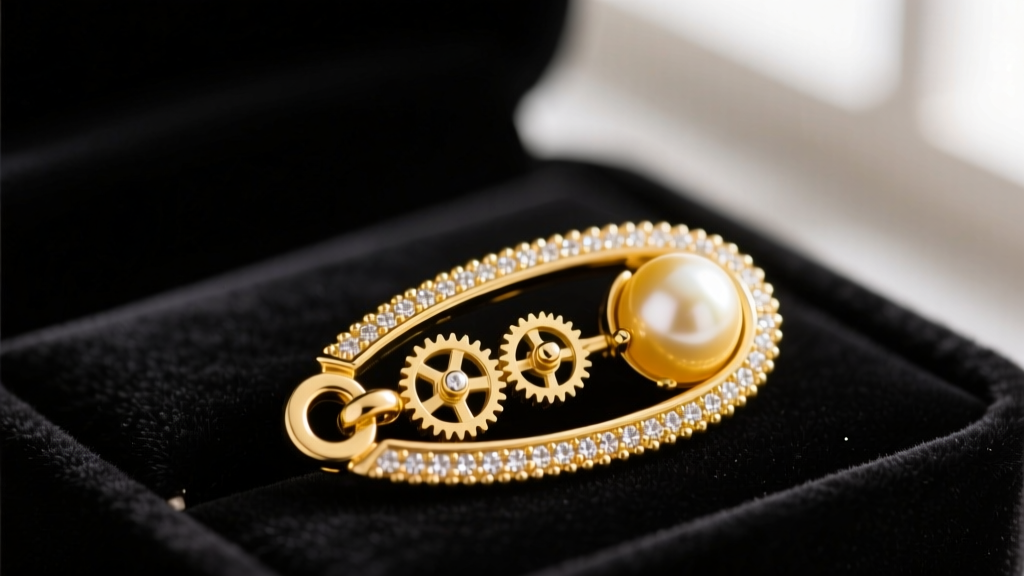
As modular and versatile jewelry trends continue to dominate the market in 2026, the pearl necklace enhancer has emerged as an essential finding for both collectors and everyday wearers. Unlike traditional pendants that are permanently soldered or strung onto a single chain, an enhancer (often called an enhancer bail or donut) features a specialized hinge or clasp mechanism. This allows you to easily swap the pearl between different chains, chokers, or even bracelets without needing a jeweler's tools. However, selecting the right enhancer requires a deep understanding of jewelry mechanics, metal grades, and pearl drill-hole specifications. This comprehensive buying guide will walk you through the exact details you need to make an informed, long-lasting purchase.
What Exactly is a Pearl Necklace Enhancer?
A pearl necklace enhancer is a specialized jewelry finding designed to bridge the gap between a loose pearl (or bead) and a necklace chain. While a standard bail is typically glued or pinned permanently to a pendant, an enhancer features an opening mechanism—usually a hinged loop or a specialized snapping clasp at the top. This architectural difference is what grants the enhancer its versatility. You can unhook the enhancer from a delicate 1mm cable chain and immediately attach it to a 3mm rope chain or a velvet choker. When shopping, it is crucial to distinguish between standard bails (which are static) and enhancer bails (which are dynamic and hinged). According to the Rio Grande findings catalog, true enhancers must have a movable top loop that clears the clasp of a chain, allowing for tool-free interchangeability.
The Mechanics: How Enhancers Attach to Pearls
The most critical aspect of buying a pearl necklace enhancer is understanding how the base of the finding connects to the pearl itself. Pearls are organic gemstones with varying nacre thicknesses, meaning the attachment method must be secure without compromising the structural integrity of the gem. There are three primary attachment mechanisms you will encounter:
1. The Glue-In Cup Bail
This design features a small, textured metal cup that sits flush against the top of the pearl. It requires the pearl to have a flat or slightly concave surface, or it must be glued directly onto the rounded nacre using a high-strength jeweler's epoxy. In 2026, UV-cured jewelry resins have largely replaced traditional two-part epoxies for cup bails, offering a non-yellowing, crystal-clear bond that cures in seconds. However, the pearl's surface must be lightly prepped with isopropyl alcohol to remove any skin oils before bonding.
2. The Threaded Screw-In Pin
For high-value pearls, a screw-in enhancer is the gold standard. This finding features a threaded metal post that screws directly into the pearl's drill hole. Standard pearl drill holes range from 0.8mm to 1.0mm, while South Sea and Tahitian pearls may feature 1.2mm to 1.5mm holes. The enhancer pin must match this diameter precisely. A drop of cyanoacrylate or specialized thread-locker is often applied to the pin to prevent the pearl from unscrewing during wear.
3. The Pinch Bail (Tension Mount)
Pinch bails feature two small metal prongs that are pressed into the top of a half-drilled pearl. While they offer a sleek, minimalist look, they rely entirely on tension and friction. Over time, the prongs can loosen, especially if the enhancer is frequently removed from chains. According to the GIA Pearl Care Guide, repeated stress on tension-mounted pearls can cause micro-fractures in the nacre near the drill hole, making screw-in or glue-in methods vastly superior for heirloom-quality gems.
Sizing Your Chain: The Critical Bail Inner Diameter
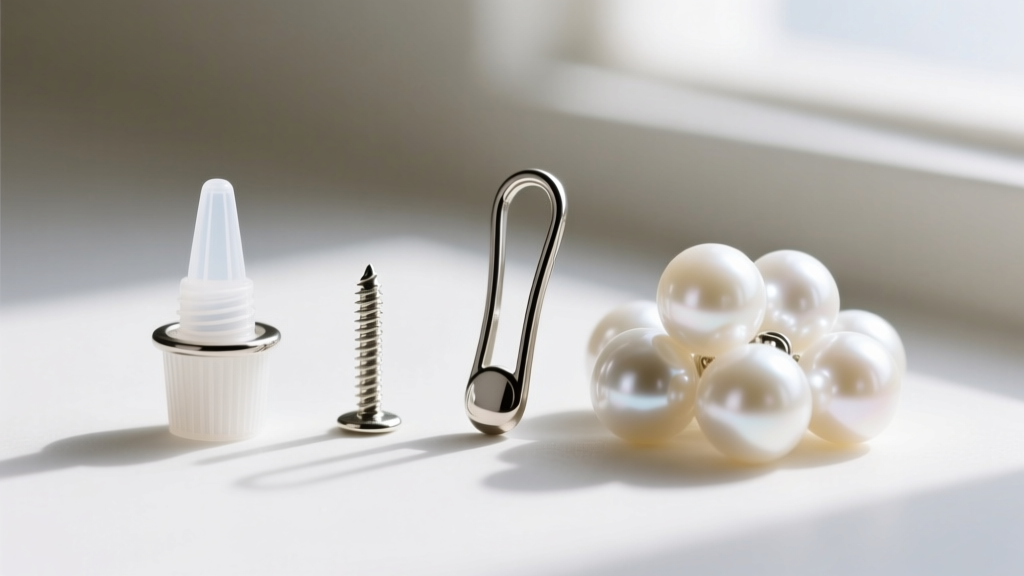
The most common mistake buyers make is purchasing an enhancer without measuring their existing necklace chains. The Inner Diameter (ID) of the enhancer's top loop dictates the maximum thickness of the chain it can accommodate. If the ID is too small, the enhancer will pinch the chain, causing premature wear on the metal links and preventing the pearl from laying flat against the chest. Below is a structural sizing chart to help you match your chains to the correct enhancer specifications.
| Chain Style | Common Chain Width | Minimum Enhancer ID Required | Recommended Enhancer Hinge Type |
|---|---|---|---|
| Delicate Cable / Box | 0.8mm - 1.2mm | 2.0mm | Standard Snap Hinge |
| Wheat / Franco | 1.5mm - 2.5mm | 3.5mm | Wide-Barrel Hinge |
| Rope / Figaro | 3.0mm - 4.5mm | 5.5mm | Heavy-Duty Clasp Loop |
| Omega / Herringbone | 3.0mm - 5.0mm (Flat) | 6.0mm (Oval ID) | Oval Enhancer Bail |
Pro Tip: Always measure the clasp of your chain, not just the links. Many necklace chains feature a lobster clasp or spring ring that is significantly wider than the chain itself. The enhancer's ID must be large enough to pass over the clasp when you are threading the pearl onto the necklace.
Metal Grades and Hallmarks for Long-Term Wear
Because the enhancer acts as the primary load-bearing joint between the chain and the pearl, the metal grade is non-negotiable. Avoid base metals or unverified gold-plated brass, as the friction from swapping chains will quickly wear through the plating, exposing skin to nickel and causing the hinge mechanism to seize.
- 14K Gold (58.5% Pure): The industry standard for everyday enhancers. It offers the perfect balance of tensile strength and rich color. The alloy metals (usually copper and silver) provide enough rigidity to keep the hinge pin from bending under the weight of a heavy pearl.
- 18K Gold (75% Pure): Softer and more luxurious, 18K is ideal for high-end Akoya or Hanadama pearls. However, the softer metal means the hinge mechanism requires more careful handling to avoid warping the snap closure over time.
- Sterling Silver (925): A cost-effective and beautiful choice, but silver is prone to tarnishing, especially in the crevices of the hinge mechanism. Look for sterling silver enhancers that have been rhodium-plated to prevent oxidation and ensure a smooth, frictionless hinge action.
- Platinum (950): The ultimate choice for heavy South Sea or Tahitian pearls. Platinum's density and natural white luster will never wear away, and its structural memory ensures that pinch-bail prongs and hinge clasps retain their shape indefinitely.
Matching the Enhancer to Pearl Varieties
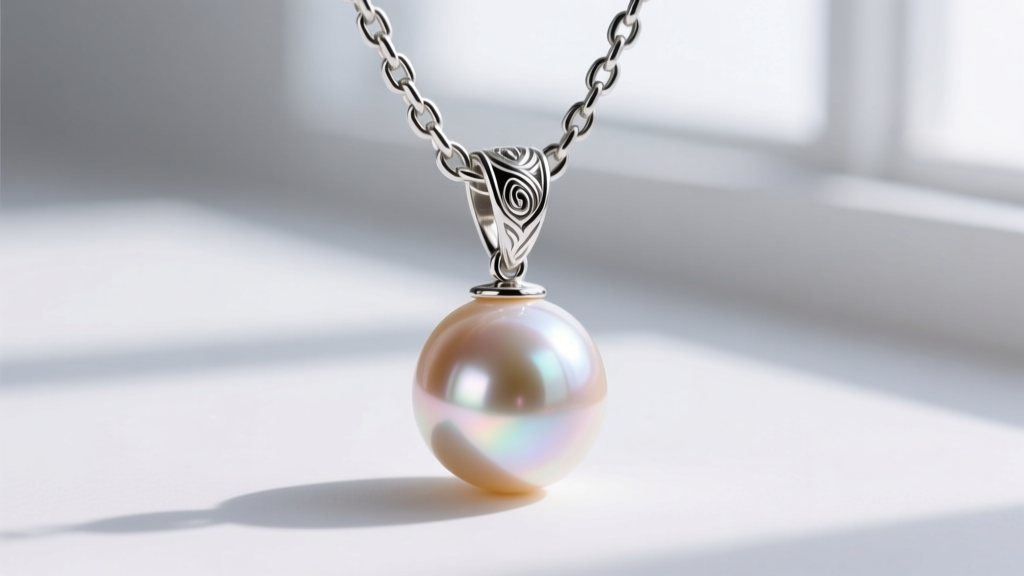
Not all pearls carry the same weight, and the enhancer must be proportioned to the gem it holds. A massive 15mm South Sea pearl can weigh upwards of 4 to 5 grams, requiring a robust, wide-based enhancer to prevent the pearl from tilting forward and resting awkwardly against the collarbone. Conversely, a delicate 6mm Freshwater pearl will be visually overwhelmed by a heavy, ornate enhancer bail.
Akoya and Freshwater Pearls (6mm - 9mm)
For these lighter, classic pearls, opt for minimalist enhancers. A simple, polished 14K gold hinged donut or a sleek pinch-bail allows the high luster of the Akoya nacre to take center stage. The drill holes on these pearls are typically a standard 0.8mm, making it easy to find universal screw-in pins.
Tahitian and South Sea Pearls (10mm - 16mm)
These saltwater giants demand structural reinforcement. Look for enhancers with a "bell cap" or wide-cup base that distributes the weight across a larger surface area of the pearl's surface. Furthermore, ensure the top loop of the enhancer is forged from a solid piece of metal rather than cast; cast metal can harbor microscopic porosity, leading to structural failure under the pendulum-like swinging motion of a heavy pearl.
Troubleshooting Common Enhancer Failures
Even high-quality pearl necklace enhancers can experience mechanical issues over years of modular use. Understanding these failure modes will help you maintain your jewelry and know when to seek professional repair.
- Hinge Stiffness and Seizing: If your hinged enhancer becomes difficult to open, do not force it with pliers, as this will snap the microscopic hinge pin. Instead, apply a single drop of lightweight synthetic watch oil to the hinge joint, work it back and forth gently, and wipe away the excess.
- Stripped Screw-In Threads: If a threaded enhancer pin begins to spin freely inside the pearl without tightening, the nacre threads are stripped. A jeweler can fix this by carefully re-drilling the hole to a slightly larger diameter (e.g., from 0.9mm to 1.1mm), inserting a hardened resin sleeve, and re-tapping the threads.
- Snap Clasp Fatigue: The tiny "click" mechanism on the top loop relies on a microscopic metal tab. Over hundreds of open-close cycles, this tab can flatten, causing the enhancer to pop open unexpectedly. A jeweler can use a burnishing tool to gently lift and re-tension the tab, restoring the secure snap.
By paying close attention to the attachment mechanics, inner diameter sizing, and metal integrity, you can invest in a pearl necklace enhancer that not only protects your precious gems but unlocks an entirely new level of styling versatility for your jewelry collection.


