Rolex Necklace Chain Value: Pricing Oyster & President Links
Assessing the true value of a Rolex necklace chain. Compare Oyster and President link styles, 904L steel costs, and aftermarket pricing tiers.

The Myth of the Factory Rolex Necklace Chain
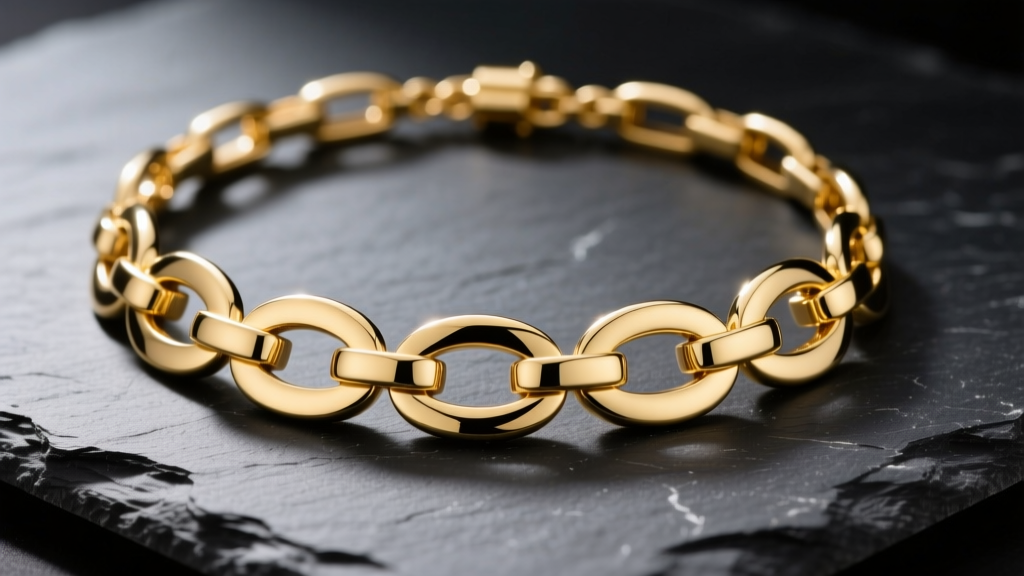
When collectors and jewelry enthusiasts search for a rolex necklace chain, they are often met with a confusing array of aftermarket options, custom jewelers, and secondary market listings. To accurately assess the budget and value of these pieces in 2026, we must first establish a critical baseline: Rolex SA does not manufacture standalone necklace chains for retail. The term is universally used to describe aftermarket chains that meticulously replicate the iconic Oyster, President, or Jubilee watch bracelets, or custom pieces crafted from salvaged authentic watch parts.
Understanding this distinction is the first step in evaluating value. You are not paying for the Rolex crown hallmark; you are paying for the architectural complexity of the links, the metallurgical grade of the steel or gold, and the precision of the custom manufacturing. This guide breaks down the exact pricing tiers, material realities, and construction metrics you need to know before investing in this highly specific style of neckwear.
Metallurgy: 904L Oystersteel vs. 316L Surgical Steel
The single largest factor dictating the price of a steel chain in this style is the alloy. Standard luxury jewelry relies on 316L stainless steel, an excellent material containing roughly 16-18% chromium and 10-14% nickel. However, the true benchmark for these specific chains is 904L steel, famously branded by the Geneva watchmaker as Oystersteel.
Why Steel Grade Dictates Price
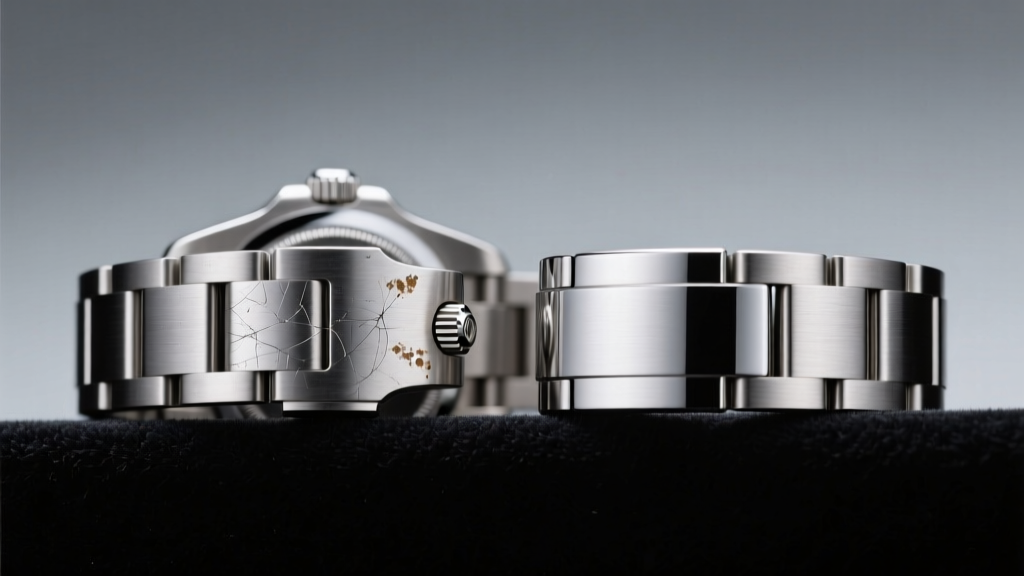
According to official metallurgy archives, 904L steel contains higher concentrations of nickel, chromium, and copper, making it exceptionally resistant to pitting and corrosion from chlorides like sweat and seawater. More importantly for jewelry, it takes a significantly higher, mirror-like polish that mimics white gold.
However, 904L is notoriously difficult to machine. It work-hardens rapidly and destroys standard CNC tooling much faster than 316L. When a custom jeweler in Los Angeles or New York machines a solid 904L chain, the tooling replacement costs and extended milling times are passed directly to the consumer. Expect a 904L chain to cost roughly 2.5 to 3 times more than an identical 316L design.
Pricing Tiers: What You Actually Pay For
To accurately budget for a chain in 2026, you must identify which manufacturing tier the piece belongs to. Hollow links and mass-produced molds sit at the bottom, while solid CNC-machined links and precious metals sit at the top.
| Tier | Material & Construction | Estimated Weight (8mm/20in) | 2026 Price Range |
|---|---|---|---|
| Mass-Market | 316L Steel, Hollow/Semi-Solid Links | 25g - 40g | $150 - $450 |
| Boutique Custom | 316L Steel, Solid CNC Machined | 75g - 95g | $800 - $1,800 |
| Premium Custom | 904L Steel, Solid CNC Machined | 85g - 110g | $2,500 - $4,500 |
| Salvaged / Gold | Authentic Parts or 18k Solid Gold | 90g - 160g+ | $15,000 - $85,000+ |
As noted by industry analysts at JCK Online, the secondary market has seen a massive surge in demand for heavy, solid-link chains that mimic horological bracelets, pushing custom jewelers to adopt 904L steel to meet client expectations for scratch resistance and heft.
Link Architecture and Drape Value
The value of your chain is also tied to the specific link architecture you choose. The two most popular styles offer vastly different wearing experiences and manufacturing costs.
The Oyster Link (3-Piece Construction)
The Oyster style features broad, flat three-piece links. It is structurally rigid, highly durable, and offers a more structured, masculine drape. Because it requires fewer articulation points per inch, it is generally 15-20% less expensive to manufacture than the President style. An 8mm solid Oyster chain is the ultimate workhorse, capable of holding heavy medallions or gemstone pendants without stretching over time.
The President Link (5-Piece Semi-Circular)
The President style utilizes five semi-circular links per row. This intricate geometry creates a fluid, 360-degree drape that feels almost like fabric against the skin. The manufacturing complexity is immense; each row requires precise laser welding and extensive hand-polishing to ensure the inner links do not bind. If you are budgeting for a President-style chain, expect to pay a 25% premium over an Oyster chain of the exact same width and metal weight due to the increased labor hours.
Clasp Engineering and Failure Points
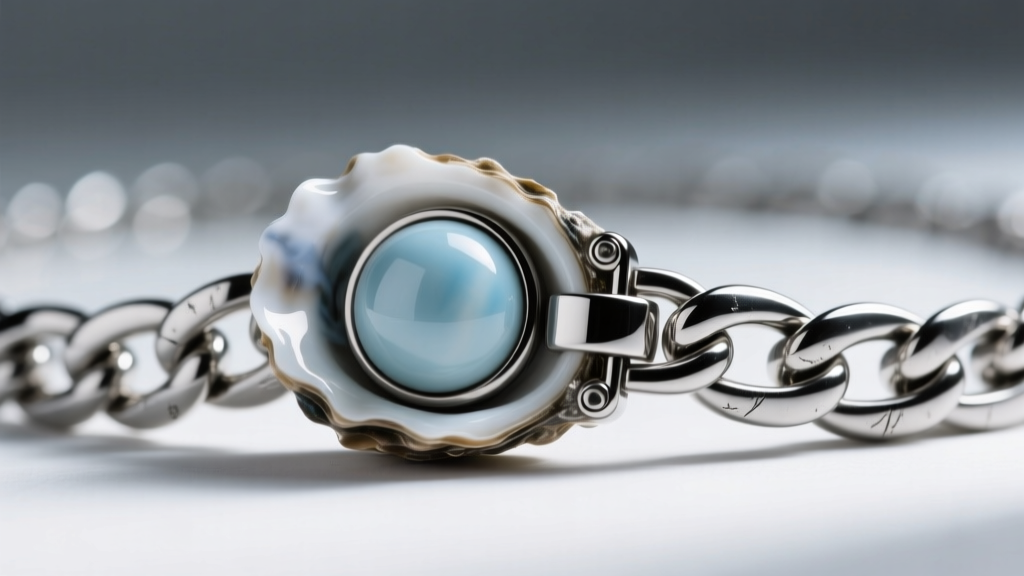
When assessing the value of any heavy chain, the clasp is the most critical failure point. A $3,000 solid 904L chain is worthless if it snaps at the jump ring. High-end custom chains mimic the deployant clasps found on luxury watches.
- Avoid: Standard lobster clasps on chains over 80 grams. The tensile stress will eventually warp the clasp gate.
- Seek: Fold-over box clasps with a ceramic ball-bearing detent. This mechanism provides a secure, tactile 'click' upon closing and distributes the tensile load across a wider surface area.
- Jump Rings: Ensure the jump rings connecting the chain to the clasp are laser-welded shut, rather than simply pinched closed. Pinched rings will slowly pull apart under the dynamic weight of a heavy chain.
Investment vs. Depreciation: The Resale Reality
From a strict financial perspective, an aftermarket steel chain is a depreciating asset, much like a luxury vehicle. If you purchase a custom 904L Oyster chain for $3,500, its immediate resale value on the secondary market will likely hover between 30% and 45% of the retail price. You are paying for the artisan's labor, which is not recouped upon resale.
However, if your budget allows for 18k yellow or white gold, the value assessment shifts dramatically. An 18k gold President link chain retains its intrinsic melt value, plus a 10-20% premium for the craftsmanship, making it a much safer vehicle for capital retention. Furthermore, chains genuinely assembled from salvaged, authenticated watch parts carry a unique provenance that appeals to hardcore horological collectors, often allowing them to hold their value significantly better than standard aftermarket steel.
Final Verdict: How to Buy Smart
If you desire the aesthetic of a rolex necklace chain without the precious metal premium, mandate that your jeweler uses solid 316L or 904L steel with laser-welded connections and a box clasp. Avoid hollow links entirely, as they are prone to crushing and cannot be easily repaired if dented. By focusing on link articulation, exact alloy composition, and clasp engineering, you can secure a piece of neckwear that delivers the heavy, luxurious drape of a high-end timepiece while maintaining strict control over your jewelry budget.


