Why Did Rose Throw the Necklace in the Ocean? Titanic Gift Guide
Discover why Rose threw the necklace in the ocean and explore our Titanic-inspired sapphire and tanzanite pendant gift guide for epic romance.

The Cinematic Mystery: Why Did Rose Throw the Necklace in the Ocean?
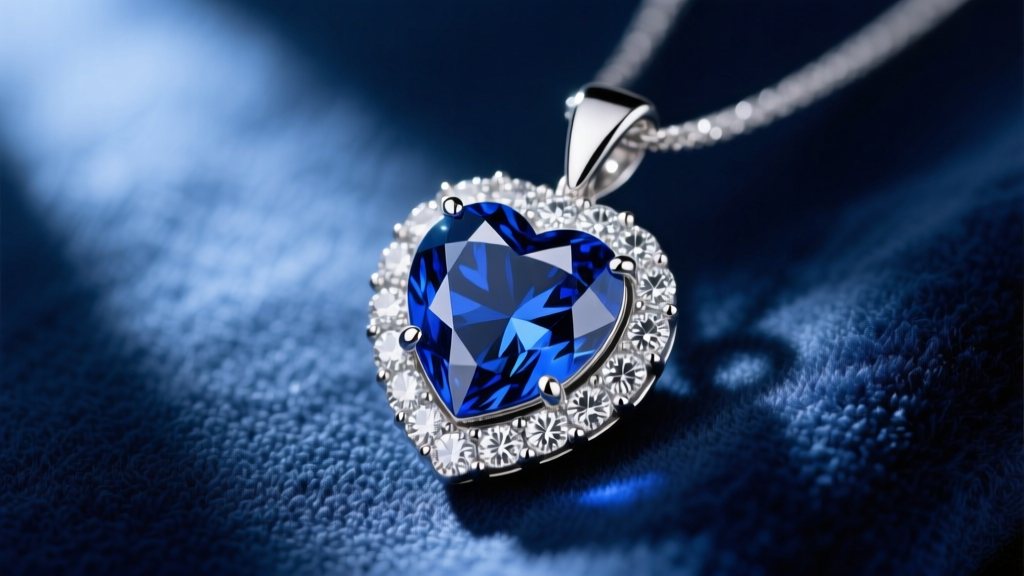
Since James Cameron’s 1997 masterpiece Titanic captivated global audiences, one lingering question has dominated forums, film classes, and jewelry counters alike: why did Rose throw the necklace in the ocean? The 'Heart of the Ocean' was a priceless diamond and sapphire pendant, and tossing it into the freezing Atlantic seemed to many viewers like a baffling waste of generational wealth. However, from a narrative and psychological perspective, the act was profound. Rose wasn't discarding a gemstone; she was severing her final tie to Cal Hockley, the oppressive aristocrat who used the jewel as a collar of ownership. By letting it sink to the ocean floor—returning it to the resting place of her true love, Jack Dawson—she achieved ultimate emotional closure.
For jewelers and gift-givers, the 'Heart of the Ocean' represents the pinnacle of romantic, cinematic jewelry. While we strongly advise against throwing your luxury gifts into the sea, the pendant’s design—a massive heart-cut center stone surrounded by a brilliant diamond halo—remains a highly requested blueprint for milestone gifting. Whether you are shopping for a grand anniversary, a profound apology, or a vintage-loving partner, understanding the gemology and styling behind this iconic piece is essential for selecting a necklace that carries the same emotional weight, minus the maritime tragedy.
Gemology of the Heart: The Real Stones Behind the Prop
To gift a necklace inspired by the film, you must first understand what the 'Heart of the Ocean' actually was. In the movie's lore, it was a massive blue diamond, heavily inspired by the infamous Hope Diamond. In reality, the original prop crafted by London-based luxury house Asprey & Garrard was not a diamond, nor was it a sapphire. To keep production costs manageable, the jewelers set a heart-cut tanzanite in white gold. It was only later, for promotional tours, that a sapphire version was created.
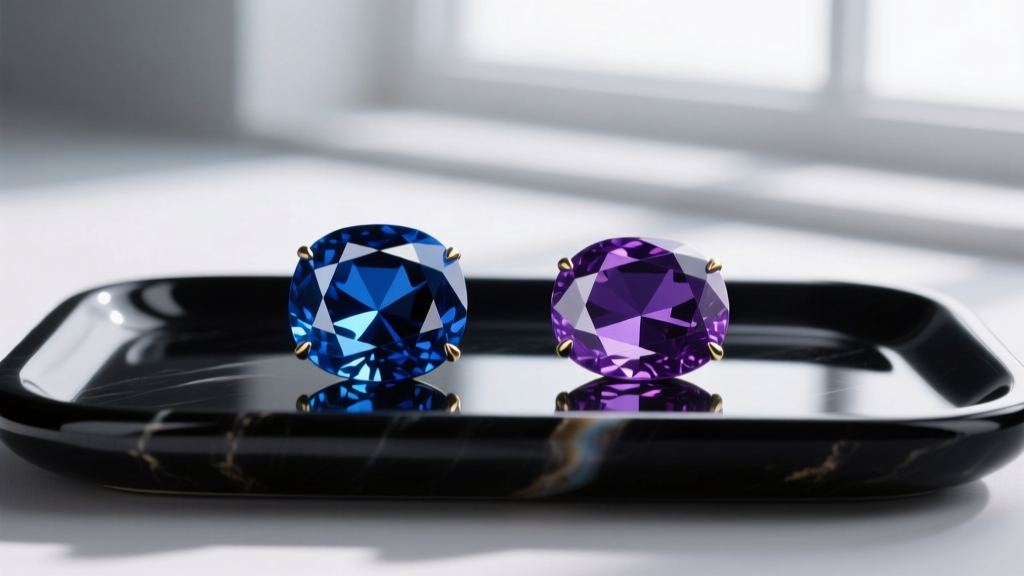
When sourcing a blue pendant for a gift, buyers typically choose between natural tanzanite, natural Ceylon sapphire, and lab-grown sapphire. The difference in durability and pricing is staggering, which directly impacts how the jewelry should be worn and gifted.
| Gemstone | Mohs Hardness | Avg. Price Per Carat (2026) | Durability & Wearability |
|---|---|---|---|
| Natural Tanzanite | 6.5 - 7.0 | $400 - $900 | Prone to scratching; requires protective bezel settings; not recommended for daily wear. |
| Natural Ceylon Sapphire | 9.0 | $3,000 - $12,000+ | Exceptional durability; ideal for heirloom pieces and everyday wear without fear of abrasion. |
| Lab-Grown Sapphire | 9.0 | $150 - $400 | Identical physical properties to natural; offers massive carat sizes on a moderate budget. |
According to the Gemological Institute of America (GIA), sapphire is a corundum variety that boasts a Mohs hardness of 9, making it second only to diamond in scratch resistance. Tanzanite, while possessing a mesmerizing violet-blue pleochroism, is significantly softer. If your gift recipient leads an active lifestyle, a tanzanite pendant will quickly accumulate surface abrasions unless set in a heavy protective halo or bezel. For a true 'Heart of the Ocean' heirloom meant to last generations, a natural or lab-grown sapphire is the superior gemological choice.
Titanic-Inspired Jewelry Gift Guide: Matching Occasions to Pendants
Gifting a massive blue pendant carries heavy symbolic weight. It is not a casual Tuesday gift; it is a statement piece. Here is how to match the style of the necklace to the specific occasion you are celebrating.
- The Grand Romantic Gesture (10th Anniversary or Proposal): Opt for a 3.00 to 5.00-carat heart-cut Ceylon sapphire set in 950 platinum with a micro-pavé diamond halo. The heart shape is inherently vulnerable and romantic, mirroring the film's central love story. Platinum’s natural white luster will never fade or require rhodium replating, symbolizing permanence.
- The 'Closure' or Milestone Birthday Gift: If the occasion marks a new beginning—such as a 50th birthday or a post-divorce celebration of independence—pivot away from the heart shape. Instead, gift an Edwardian-style oval sapphire pendant with intricate milgrain filigree. It honors the 1912 era of the Titanic but focuses on the wearer's individual elegance rather than romantic attachment.
- The Vintage Enthusiast (Holiday or Valentine's Day): Seek out authentic Art Deco or Edwardian antique pendants on platforms like 1stDibs. Antique pieces often feature old European cut diamonds and foil-backed sapphires, offering a moody, historical depth that modern precision-cut stones cannot replicate.
Jeweler's Insight: When gifting a heart-cut sapphire, ensure the stone has a 'bow-tie' effect minimized by the cutter. Poorly cut heart stones suffer from light leakage in the center lobes, making the heart look dark and lifeless. Always demand a high-resolution video of the stone in natural lighting before purchasing.
Chain Lengths, Metals, and Wearability Specs
The most spectacular pendant will fail as a gift if it hangs awkwardly on the recipient's neckline. The 'Heart of the Ocean' was worn as a matinee length, resting heavily on the upper bust, which suited the plunging necklines of 1912 evening wear. Modern styling requires more precision.
16-Inch Princess vs. 18-Inch Matinee
For a heavy, halo-set sapphire pendant, a 16-inch chain (princess length) will cause the stone to sit right at the collarbone hollow. This is ideal for V-neck blouses and open evening gowns, drawing the eye upward to the face. However, if the pendant exceeds 25 carats in total weight, a 16-inch chain will pull uncomfortably on the nape of the neck. An 18-inch chain allows the pendant to rest on the upper sternum, providing better weight distribution and a more relaxed, modern drape over crewnecks and silk blouses.
Platinum (950) vs. 18k White Gold
White metals are mandatory for blue sapphires to enhance their cool, icy undertones. 18k white gold is alloyed with palladium or nickel and plated in rhodium to achieve a bright white finish. Over 2 to 3 years of daily wear, this rhodium plating will wear off, revealing a slightly yellowish underlying alloy, requiring professional replating. 950 Platinum, on the other hand, is naturally white and hypoallergenic. While it develops a soft 'patina' over time, it does not lose metal mass when scratched, making it the undisputed king of heavy, heirloom pendant settings.
Where to Source Authentic Vintage and Sapphire Necklaces
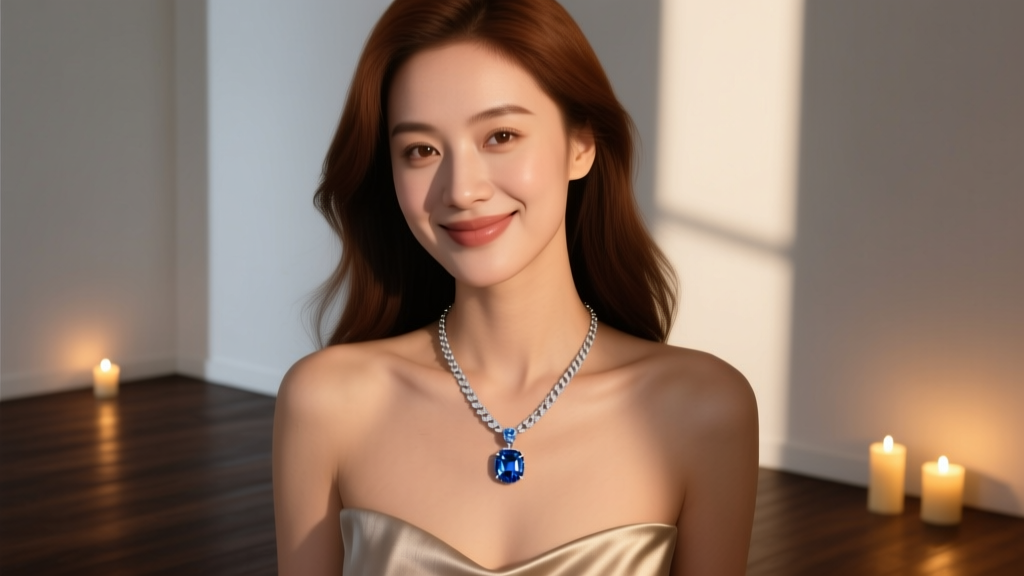
When investing in high-carat blue sapphires or antique Titanic-era jewelry, provenance and grading are non-negotiable. Always require a gemological report from a top-tier laboratory such as the GIA or AGL (American Gemological Laboratories), specifically checking for 'heat treatment' disclosures. Unheated Ceylon sapphires command a massive premium and are the true collector's choice for investment-grade gifting.
By understanding the deep emotional resonance of why Rose threw the necklace in the ocean, you can select a piece of jewelry that speaks to eternal love, personal liberation, and historical elegance. Skip the ocean toss, choose the right sapphire grade, and gift a pendant that will be cherished on dry land for generations to come.


