Choosing a Ruby Heart Necklace with Diamonds: Materials
Compare ruby origins, diamond melee grades, and precious metal settings to choose the perfect ruby heart necklace with diamonds for lasting wear.

The Anatomy of a Romantic Classic
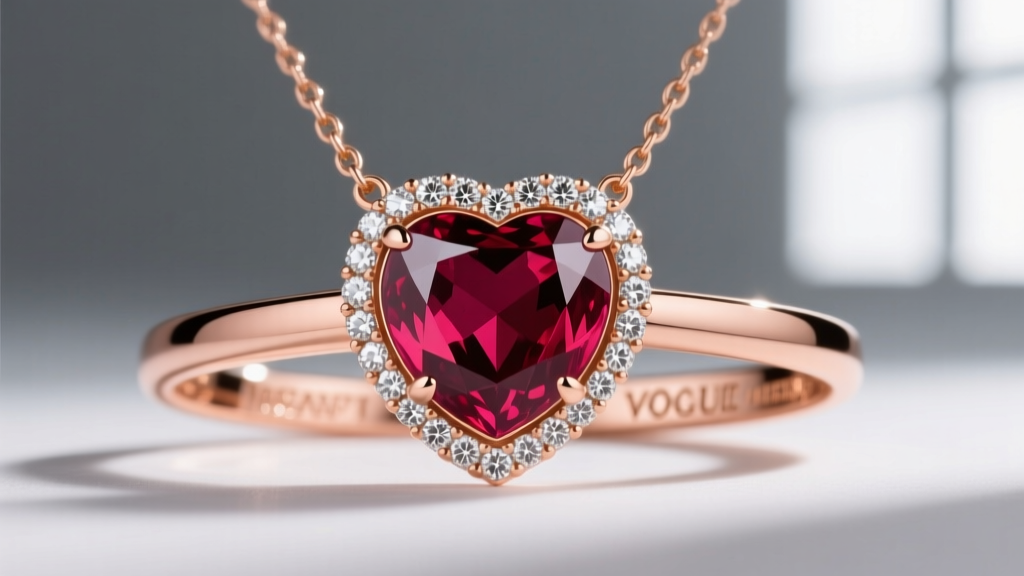
When evaluating a ruby heart necklace with diamonds, the romantic symbolism often overshadows the critical material science that dictates the piece's longevity, value, and structural integrity. In 2026, the fine jewelry market is saturated with everything from unheated Burmese heirlooms to lead-glass-filled composites masquerading as luxury pieces. As a gemologist, I look past the carat weight and focus on the crystal lattice, treatment disclosures, and metallurgical properties of the setting. This guide dissects the exact material specifications you need to demand when investing in this iconic silhouette.
Decoding the Centerpiece: Ruby Material Properties
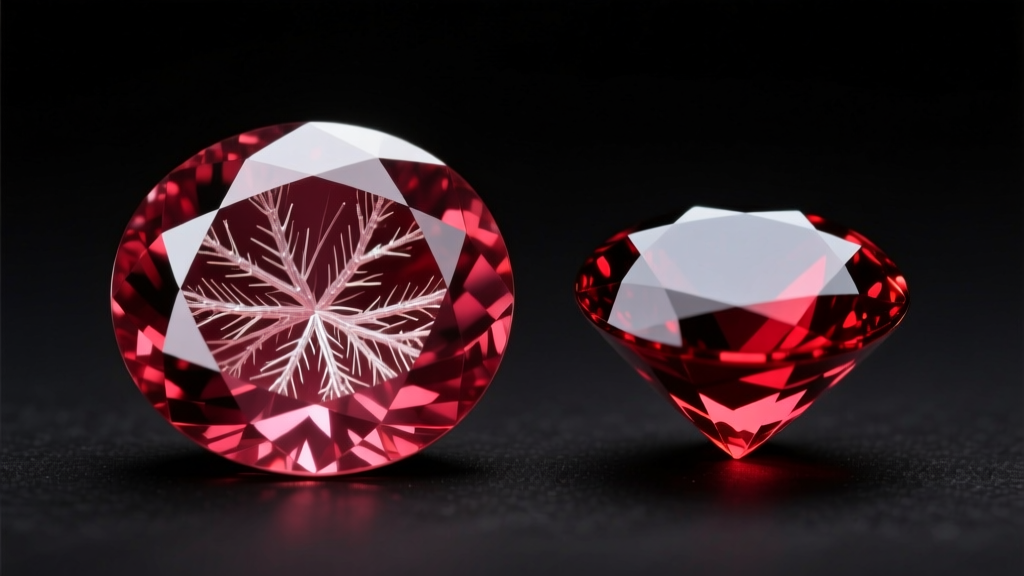
Ruby is the red variety of corundum (aluminum oxide), registering a 9 on the Mohs hardness scale. While it lacks true cleavage, it does exhibit parting along certain crystallographic planes. This means a sharp impact to the heart shape's vulnerable top cleft can cause a catastrophic fracture. According to the Gemological Institute of America (GIA), the presence of rutile needles (silk) can actually enhance a ruby's value by scattering light, provided the stone is not overly included.
Pleochroism and the Heart Cut
Corundum is strongly pleochroic, meaning it shows different colors when viewed from different crystal axes. A master lapidary must orient the rough crystal so that the pure, saturated red faces up in the finished heart cut, avoiding the weaker orange or purple pleochroic axes. A poorly oriented heart ruby will look muddy or overly pinkish, regardless of its carat weight.
Treatment Tiers and Failure Modes
The most critical material variable in modern ruby jewelry is the treatment level. Standard heat treatment (around 1800°C) is universally accepted and permanent, dissolving silk to improve clarity while maintaining the stone's Mohs 9 hardness. However, the market is currently flooded with 'composite' or lead-glass-filled rubies. These are highly fractured, low-grade stones infused with lead glass to improve transparency. This material is a severe failure mode: the glass has a Mohs hardness of only 5 to 6, is highly porous, and will permanently cloud if exposed to mild acids like lemon juice or common household cleaners. The Federal Trade Commission (FTC) mandates disclosure of these treatments, yet many overseas vendors omit this crucial data.
| Ruby Type | Treatment Level | Durability (Mohs) | Price Range (per ct) | Best For |
|---|---|---|---|---|
| Unheated Burmese | None | 9.0 | $10,000 - $50,000+ | Investment/Heirloom |
| Heated Mozambique | Standard Heat | 9.0 | $1,500 - $8,000 | Everyday Fine Jewelry |
| Lab-Created (Verneuil) | None (Synthetic) | 9.0 | $300 - $800 | Budget-Conscious Buyers |
| Composite/Glass-Filled | Heavy Fracture Filling | 5.0 - 8.0 (varies) | $20 - $100 | Avoid (High Failure Rate) |
The Diamond Halo: Melee Quality and Optical Performance
The diamonds encircling the ruby heart are not merely decorative; they act as an optical reflector, bouncing light back into the central corundum to amplify its red saturation. In a heart-shaped pendant, the halo requires precise calibration to navigate the gem's complex curves and sharp points.
Single-Cut vs. Full-Cut Melee
Melee diamonds (typically 0.01 to 0.15 carats) are generally cut in two ways. Single-cut melee features only 17 or 18 facets, while full-cut melee features the standard 57 or 58 facets of a larger brilliant diamond. For a ruby heart necklace with diamonds, always insist on full-cut melee. The additional facets create the necessary scintillation to contrast with the deep, velvety red of the ruby. Single-cut melee will look flat and glassy, especially in low-light environments. Furthermore, avoid melee with strong blue fluorescence, which can cause a milky or oily appearance in daylight, detracting from the ruby's brilliance.
Natural vs. Lab-Grown Accents
As of 2026, utilizing CVD (Chemical Vapor Deposition) or HPHT (High Pressure High Temperature) lab-grown diamonds for the halo is a highly strategic material choice. It allows buyers to allocate their budget toward a larger, higher-quality natural center ruby while maintaining identical optical and physical properties (Mohs 10) in the accent stones. The GIA's research on diamond melee confirms that lab-grown micro-stones offer the same light return as their natural counterparts, making them an intelligent choice for halos.
Metallurgical Selection: Prongs, Alloys, and Wear
The metal setting must balance color contrast with tensile strength. A heart-shaped ruby has two high-risk zones: the sharp bottom point and the deep top cleft. Standard round prongs are insufficient for these areas.
The Necessity of V-Prongs
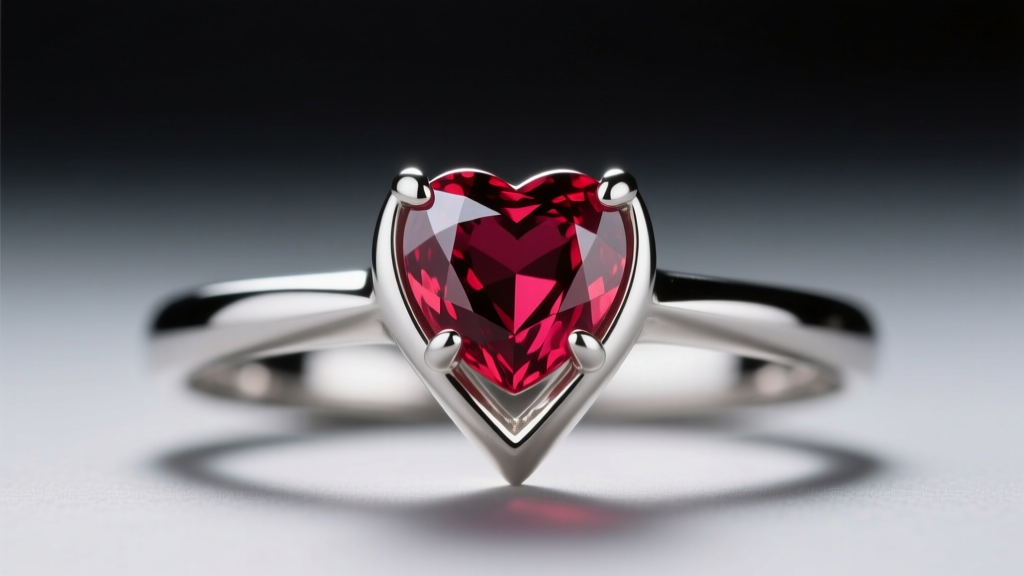
To protect the structural integrity of the heart shape, the setting must feature a V-prong at the top cleft and another at the bottom point. A V-prong cups the sharp corner of the gemstone, distributing impact stress and preventing the ruby from chipping if the pendant is dropped or struck against a hard surface.
14K vs. 18K Gold and Platinum
18K yellow gold (75% pure gold) offers a rich, warm hue that complements the slight purple secondary tones often found in Mozambique rubies. However, it is relatively soft. 14K gold (58.5% pure) is alloyed with higher percentages of copper, silver, or zinc, yielding a significantly higher yield strength. For the prongs securing a heavy ruby heart pendant, 14K gold or Platinum is vastly superior. Platinum (typically 95% pure, alloyed with ruthenium) is dense and malleable; when a platinum prong is struck, it displaces rather than snaps or wears away, making it the ultimate material for securing valuable gemstones over decades of daily wear.
The Rhodium Plating Dilemma
If you prefer a white metal aesthetic to maximize the color contrast of the diamond halo, be wary of white gold. White gold is inherently yellowish-gray and requires rhodium plating to achieve a bright white finish. Over time, friction from clothing and skin oils will wear this plating away, requiring costly re-dipping. Platinum, conversely, is naturally white and will only develop a soft patina over time, which many collectors prefer for its vintage appeal.
Chain Pairing and Structural Bail Mechanics
A 2-carat ruby heart with a diamond halo can easily weigh between 4 and 6 grams. Suspending this weight requires a chain with high tensile strength. Avoid delicate cable or serpentine chains, which are prone to kinking and snapping under pendulum stress. Instead, opt for a 1.5mm to 2.0mm solid wheat or box chain. Furthermore, ensure the bail (the loop connecting the pendant to the chain) is soldered solid rather than hollow. A hollow bail will eventually collapse under the friction of the chain, leading to the tragic loss of the pendant.
Expert Verdict: Maximizing Value and Longevity
When sourcing a ruby heart necklace with diamonds, demand a gemological report from a reputable lab (like GIA or AGL) that explicitly states the ruby's origin and treatment status. Prioritize full-cut diamond melee, a setting with protective V-prongs at the heart's cleft and point, and a solid wheat chain. By focusing on these material properties and structural details, you ensure the necklace remains a durable, brilliant heirloom rather than a fragile disappointment.


