How Much Is Ruby Necklace GTA? 2026 Market & Style Guide
Discover the 2026 luxury market for ruby necklaces in the Greater Toronto Area. Compare Yorkville vs. Diamond District pricing, origins, and styling tips.

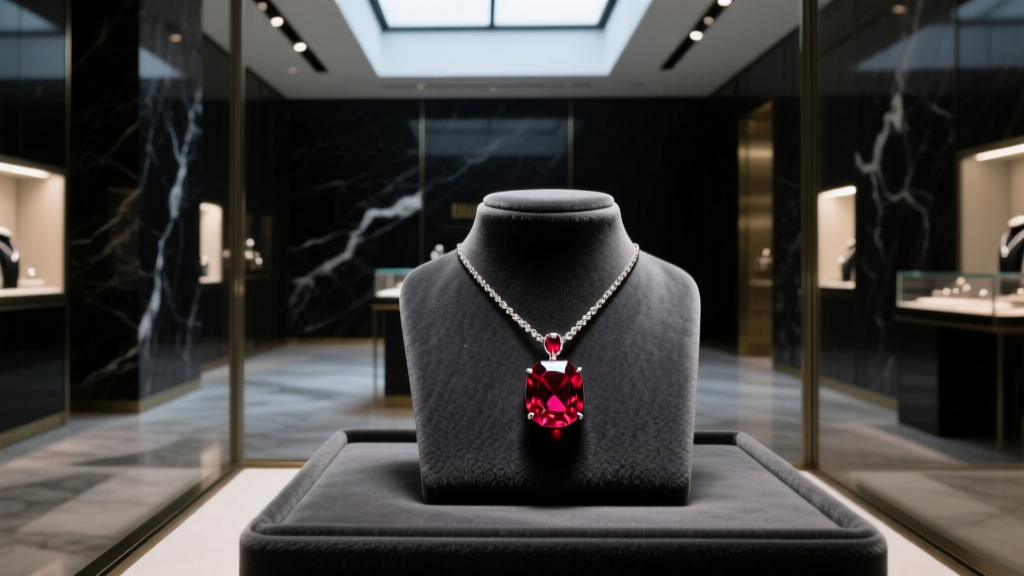
When collectors, investors, and style enthusiasts search how much is ruby necklace gta, they are typically navigating the complex, high-stakes luxury jewelry market of the Greater Toronto Area. As we move through 2026, the demand for colored gemstones has surged, with rubies leading the charge as a premier alternative to traditional diamond solitaires. However, pricing a ruby necklace in Toronto's diverse market is not a one-size-fits-all equation. The cost fluctuates wildly based on gemological origin, treatment history, and the specific retail district where you are shopping.
Whether you are hunting for an investment-grade Burmese pigeon blood piece in Yorkville or seeking a custom-crafted Mozambique ruby pendant in the Richmond Street Diamond District, understanding the local market dynamics is essential. This guide breaks down the exact pricing tiers, gemological factors, and styling trends defining the GTA ruby market this year.
The Anatomy of Ruby Pricing in the Greater Toronto Area
The price of a ruby necklace in the GTA is primarily dictated by the 'Four Cs', but unlike diamonds, origin and treatment carry exponentially more weight in the colored gemstone market. According to the Gemological Institute of America (GIA), a ruby's geographic origin can multiply its per-carat value by ten or more, even if the visual quality appears identical to the naked eye.
In 2026, the Toronto market is heavily supplied by Mozambique and Madagascar rubies, which offer exceptional clarity and vibrant colors at accessible price points. However, ultra-high-net-worth buyers in the GTA still actively seek out unheated Burmese (Myanmar) rubies for their legendary fluorescence and historical prestige.
2026 GTA Ruby Necklace Pricing Matrix
The table below outlines current retail pricing ranges in Canadian Dollars (CAD) for a standard 5-carat center-stone ruby pendant necklace, factoring in an 18k gold setting and a 16-inch chain.
| Origin & Quality | Treatment Status | Color Grade | Est. CAD Price Per Carat | Total Necklace Est. (5ct) |
|---|---|---|---|---|
| Mozambique (Commercial) | Heated | Medium Red | $400 - $900 | $3,500 - $6,500 |
| Mozambique (Fine) | Unheated | Vivid Red | $2,500 - $6,000 | $15,000 - $35,000 |
| Madagascar | Heated | Pinkish Red | $600 - $1,200 | $5,000 - $8,500 |
| Burmese (Myanmar) | Heated | Vivid Red | $4,000 - $9,000 | $25,000 - $55,000 |
| Burmese (Investment) | Unheated | Pigeon Blood | $15,000 - $50,000+ | $85,000 - $250,000+ |
The Impact of Heat Treatment on Local Valuations
If you are asking how much is ruby necklace gta appraisers will immediately ask if the stone has been treated. Traditional heat treatment is widely accepted in the gem trade and enhances both color and clarity. However, the 2026 market has seen a massive premium placed on unheated, untreated stones.
'In the current Canadian luxury market, an unheated ruby with a reputable lab report commands a 40% to 60% premium over its heated counterpart. Buyers must also be wary of fracture-filled rubies, which are heavily discounted and structurally unsound for everyday wear.' — Senior Gemologist Appraisal Consensus, 2026.
Beware of 'lead glass filled' or 'composite' rubies often sold in less reputable tourist shops or unverified online marketplaces. These stones are essentially ruby dust held together by glass and are worth mere dollars per carat. Always demand magnification inspection to check for gas bubbles in the fissures, a telltale sign of glass filling.
Navigating Toronto's Jewelry Districts: Where to Buy
The GTA offers distinct shopping experiences that directly impact the final price tag of your ruby necklace. Understanding where to shop is just as important as knowing what to buy.
Yorkville & Bloor Street (The Luxury Retail Hub)
Home to global houses like Cartier, Van Cleef & Arpels, and high-end local boutiques, Yorkville is the epicenter of luxury. Expect to pay a 30% to 50% retail markup here. You are paying for the brand heritage, the boutique experience, and impeccable after-sales service. Rubies here are typically set in elaborate, proprietary designs with high-color melee diamonds.
Richmond Street West (The Diamond District)
For the savvy buyer who wants to maximize their budget, the Richmond Street Diamond District is the ideal destination. Here, you will find independent gemologists, wholesale dealers, and custom bench jewelers. You can source a loose, GIA-certified Mozambique ruby and have it custom-set into a platinum or 18k gold pendant for a fraction of the Yorkville retail price. The per-carat cost is significantly closer to wholesale market value.
Queen Street West & Vintage Estates
For those seeking Art Deco or mid-century ruby necklaces, Queen Street West and specialized estate jewelers in Rosedale offer unique, one-of-a-kind pieces. Vintage rubies often feature 'old mine' cuts, which have a softer, more romantic glow compared to modern precision cuts. Pricing here is driven by historical provenance and craftsmanship rather than strict per-carat gemological metrics.
Essential Certifications for Canadian Buyers
When investing thousands of dollars in a ruby necklace in the GTA, a local store appraisal is not sufficient for verifying origin or treatment. You must rely on international, independent gemological laboratories. The Gübelin Gem Lab, GIA, and the American Gemological Laboratories (AGL) are the gold standards.
- GIA: Best for identifying treatment and providing rigorous color/clarity grading.
- Gübelin & SSEF: The absolute authorities on geographic origin (e.g., definitively proving a stone is from the Mogok Valley in Myanmar).
- AGL: Highly respected in the North American market for their detailed 'Quality Grading' reports, which provide a clear 1-10 scale for colored gems.
Never purchase an investment-grade ruby necklace in the GTA without one of these specific lab reports. A store-branded certificate holds virtually no weight in the secondary resale market.
Styling Your Ruby Necklace: 2026 Trends
Beyond the financial investment, a ruby necklace is a powerful styling tool. In 2026, the trend in the GTA has shifted away from overly formal, stiff presentations toward versatile, layered looks that transition from the boardroom to evening galas.
Chain Lengths and Neckline Pairing
The visual impact of your ruby pendant depends heavily on the chain length. A 16-inch choker length places the ruby directly at the base of the throat, making it ideal for V-neck blouses and off-the-shoulder evening wear. An 18-inch princess length is the most versatile, resting perfectly on the collarbone and pairing well with almost any neckline, from crew-neck cashmere sweaters to silk blouses.
The Art of Layering
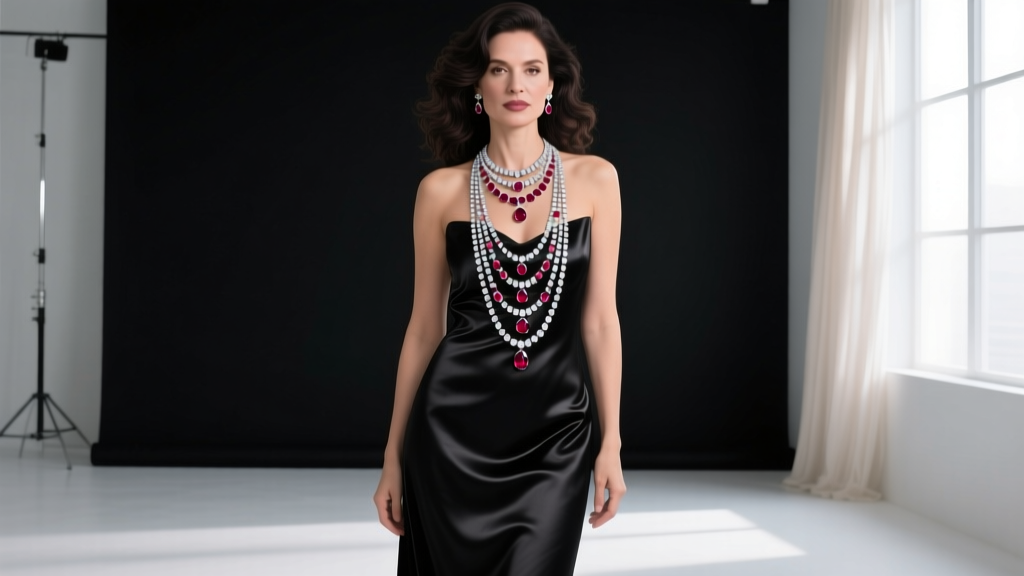
Layering a ruby pendant with diamond chains is a dominant trend this year. To execute this without tangling or visual clutter, follow the 'Rule of Two Inches':
- Base Layer: A 14-inch delicate diamond station chain (1.5mm width).
- Mid Layer: A 16-inch gold rope chain (2mm width).
- Focal Layer: Your 18-inch ruby pendant necklace.
This staggered approach ensures the ruby remains the undisputed focal point while the supporting chains add texture and brilliance. For metal choices, 18k yellow gold remains the classic pairing for warm, pigeon blood rubies, while platinum and 18k white gold are increasingly popular for enhancing the cool, vivid tones of high-grade Mozambique stones.
Ultimately, determining how much is ruby necklace gta markets value depends on your personal balance of gemological purity, brand prestige, and bespoke craftsmanship. By focusing on certified origins and exploring Toronto's diverse jewelry districts, you can secure a breathtaking piece that holds both immense stylistic and financial value for decades to come.


