How to Fix and Style a Rocky Boxing Glove Necklace
Troubleshoot common issues with your Rocky boxing glove necklace. Learn how to repair leather, upgrade chains, and style this iconic sports pendant.

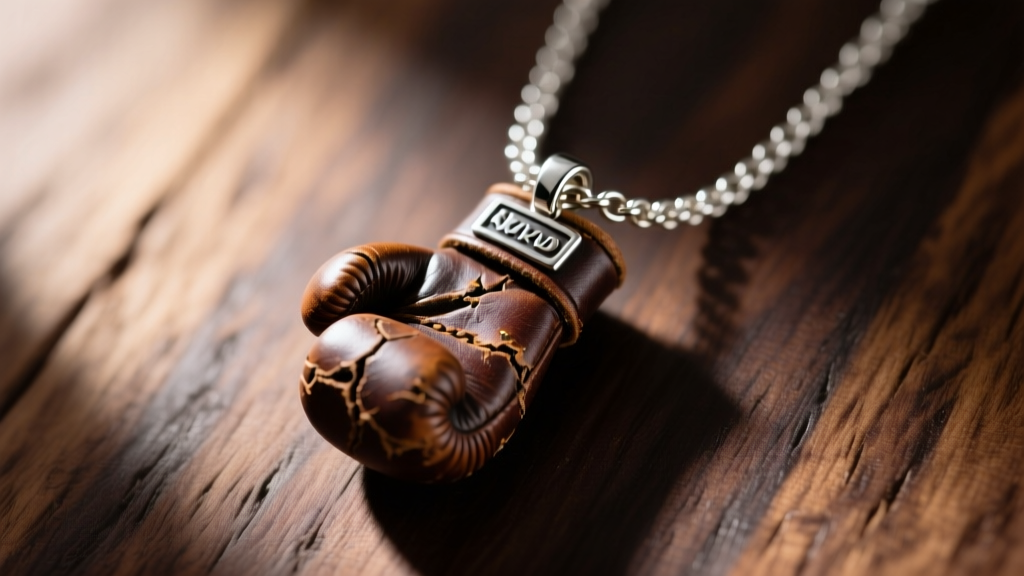
The Pendulum Problem: Why Your Rocky Boxing Glove Necklace Keeps Breaking
The rocky boxing glove necklace is more than just a piece of sports memorabilia; it is a cultural icon representing grit, perseverance, and the underdog spirit. Whether you are wearing a vintage leather replica from the 1976 film or a modern sterling silver homage to the Creed franchise, this pendant carries heavy sentimental weight. However, from a jewelry-making perspective, it also carries literal weight that causes chronic mechanical failures. In 2026, mixing athletic aesthetics with everyday jewelry is a dominant trend, but wearing a boxing glove pendant presents unique structural challenges.
The primary issue lies in the physics of the pendant. A miniature boxing glove is asymmetrical and relatively dense. When suspended from a standard chain, it acts as a pendulum. Every time you walk, run, or move, the glove swings, creating immense shear stress on the jump ring connecting it to the chain and the clasp at the back of your neck. If you are constantly replacing broken chains or dealing with cracked leather, this comprehensive troubleshooting guide will help you permanently fix and elevate your necklace.
Troubleshooting Leather Degradation and Sweat Damage
Many authentic-style Rocky boxing glove necklaces feature genuine or high-grade polyurethane leather. The most common complaint we see is the leather drying out, cracking, or developing a sour odor after prolonged wear. This is especially prevalent among athletes who wear their necklace to the gym.
The Chemistry of Sweat and Leather
Human sweat contains lactic acid, urea, and salts. When these compounds are absorbed into the porous surface of a miniature leather glove, they break down the collagen fibers and strip away the natural tanning oils. Over time, the leather becomes brittle, and the micro-stitching holding the glove together begins to rot.
The Restoration Protocol
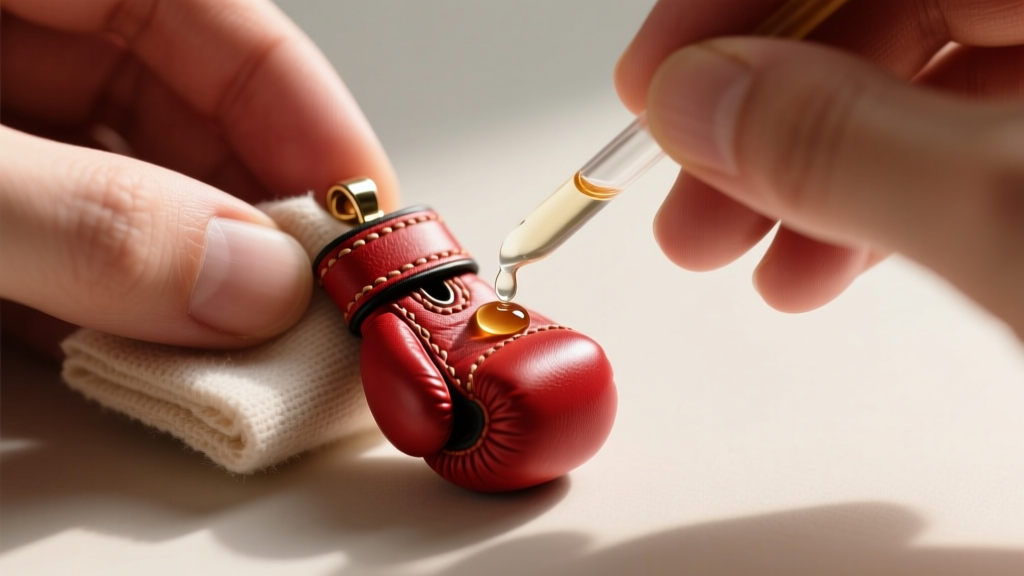
To salvage a drying leather pendant, you must rehydrate it without saturating the delicate threads. Avoid heavy mink oils, which can darken the leather and degrade the glue used in miniature jewelry.
- Clean: Wipe the pendant with a slightly damp microfiber cloth to remove surface salts and dead skin cells. Let it air dry completely for two hours.
- Condition: Apply a tiny drop of a pH-neutral leather conditioner, such as Bickmore Bick 4 or Lexol, using a cotton swab. Work it gently into the seams and the surface of the glove.
- Buff: After 20 minutes, buff away any excess conditioner with a clean, dry horsehair brush to restore the matte finish and prevent a greasy look.
For odor removal, place the necklace in a sealed glass jar with a small open box of baking soda or activated charcoal for 48 hours. Never spray cologne or perfume directly onto the leather, as the alcohol will accelerate cracking.
Hardware Failures: Upgrading the Chain and Clasp
If your chain keeps snapping, the fault is not bad luck; it is poor engineering. Most mass-produced sports pendants come with lightweight 1.2mm cable chains and 8mm spring-ring clasps. This hardware is entirely insufficient for the dynamic load of a boxing glove pendant.
Upgrading the Jump Ring
The jump ring is the small circular loop connecting the glove's bail to the chain. According to jewelry manufacturing standards outlined by Rio Grande, an unsoldered jump ring on a heavy pendant will eventually pull apart due to the pendulum effect. You must take your necklace to a local jeweler and have them replace the factory jump ring with an 18-gauge (1.0mm) soldered jump ring. Soldering fuses the gap shut, increasing the tensile strength by over 400% and ensuring the ring will never pull open under normal swinging motion.
Choosing the Right Chain Profile
To support the weight and swing of the glove, you need a chain with interlocking links that resist kinking and snapping. Here is a breakdown of the best chain upgrades for your necklace:
| Chain Type | Recommended Thickness | Durability for Pendants | Pros & Cons |
|---|---|---|---|
| Wheat Chain | 2.0mm - 2.5mm | Excellent | Highly flexible, resists kinking, but can trap skin hair. |
| Box Chain | 2.5mm - 3.0mm | Superior | Extremely strong, geometric look, but stiff and less fluid. |
| Rope Chain | 2.5mm - 3.5mm | Very Good | Classic aesthetic, high tensile strength, but hard to repair if broken. |
| Cable Chain | 1.5mm - 2.0mm | Poor | Lightweight and cheap, but prone to snapping under pendulum stress. |
The Clasp Solution
Ditch the spring-ring clasp immediately. Upgrade to a 14mm or 16mm Lobster Clasp. Lobster clasps feature a solid internal spring mechanism and a thicker metal body that will not warp or accidentally depress when the chain pulls taut against your neck during physical activity.
Tackling Metal Tarnish and Alloy Corrosion
If your boxing glove pendant or chain hardware is made of brass, copper, or a zinc-alloy base metal, you have likely experienced the dreaded 'green skin' effect or noticed the metal turning dull and black. This is a chemical reaction between the copper in the alloy and the oxygen and moisture on your skin.
To restore the shine, use a specialized brass or silver polish depending on the base metal. For intricate details on the miniature laces and seams of the glove, use a soft-bristled baby toothbrush dipped in a mild dish soap and warm water solution. Avoid ultrasonic cleaners, as the high-frequency vibrations can shatter the delicate resin or glass eyes sometimes found on premium replicas. Once polished and dried, apply a micro-thin layer of Renaissance Wax. This museum-grade microcrystalline wax creates an invisible barrier against oxygen and moisture, preventing tarnish for months. For more on proper metal care and preservation, refer to the guidelines provided by Jewelers of America.

Styling Solutions: Avoiding the 'Costume' Trap
The biggest styling challenge with a rocky boxing glove necklace is avoiding the 'Halloween costume' aesthetic. In 2026, the key to wearing sports memorabilia jewelry is juxtaposition—pairing the rugged, nostalgic pendant with refined, mature wardrobe elements.
The Art of the Layer
A single boxing glove pendant on a thin chain can look juvenile. Instead, use the glove as the anchor piece in a layered necklace stack.
The Ideal Stack:
1. Inner Layer: A 1.5mm sterling silver or gold-filled rope chain at 18 inches. This sits close to the collarbone and adds a subtle metallic glint.
2. Anchor Layer: Your boxing glove necklace on a 2.5mm wheat chain at 22 inches. This allows the glove to rest comfortably on the sternum, drawing the eye downward and elongating the neck.
3. Optional Outer Layer: A minimalist 24-inch bead chain or a subtle pendant (like a small geometric bar) to frame the boxing glove without competing for attention.
Neckline Pairings
The boxing glove pendant demands a canvas that frames it properly.
Do Wear: Charcoal or navy henley shirts, crewneck sweaters, and unbuttoned casual flannels. The slight V-shape of a henley perfectly cradles the 22-inch pendant drop.
Avoid: Deep V-necks (which make the pendant look lost), formal button-down dress shirts (which create a jarring clash of contexts), and high turtlenecks (which cause the chain to tangle and the pendant to flip upside down constantly).
Preventative Maintenance Schedule
To ensure your necklace survives daily wear and tear, implement this simple maintenance routine. Consistent care is the hallmark of true jewelry appreciation, as noted by the gemological and care experts at the GIA.
- Weekly: Wipe the chain and metal hardware with a dry microfiber cloth to remove skin oils and environmental dust.
- Monthly: Inspect the soldered jump ring and the lobster clasp spring mechanism. Ensure the clasp snaps shut with a firm, audible click.
- Bi-Annually: Apply a light coat of leather conditioner to the glove pendant, and reapply Renaissance Wax to any exposed base metals or sterling silver components.
- Storage: When not wearing the necklace, hang it on a jewelry stand or lay it flat in a felt-lined box. Never toss it into a drawer, as the heavy glove will tangle and crush lighter chains.
By addressing the structural weaknesses of the chain and properly caring for the leather or metal elements, your Rocky boxing glove necklace will transition from a fragile piece of movie merch into a durable, stylish staple of your everyday wardrobe.


