Material Guide to Nipple Chain Necklaces & Chest Harnesses
Discover the safest metals for nipple chain necklaces and chest harnesses. Compare titanium, niobium, and gold for sensitive skin and piercings.

The Unique Demands of Intimate & Chest Chain Jewelry
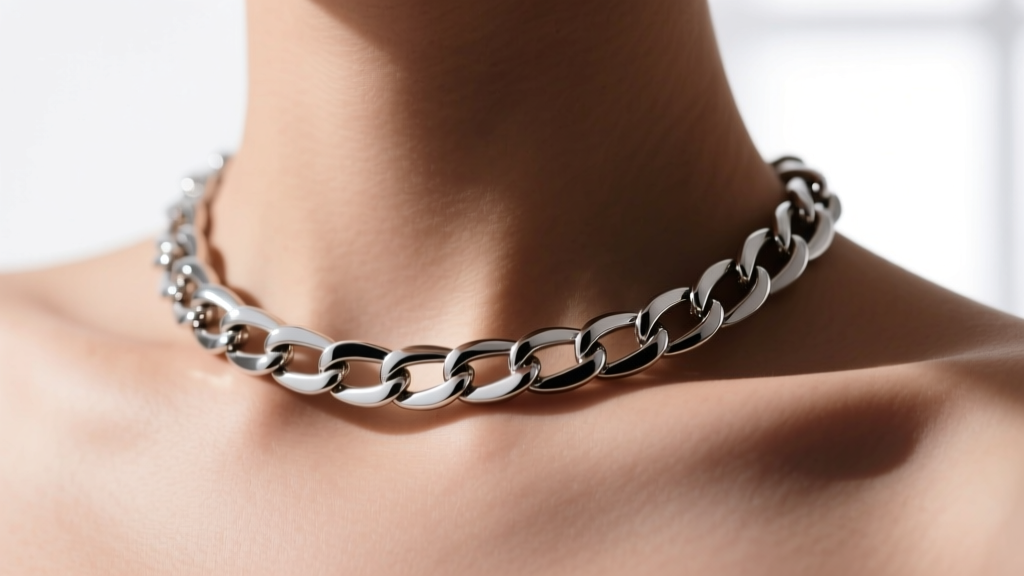
When exploring the intersection of avant-garde fashion and body modification, nipple chain necklaces and chest harnesses represent a bold, striking aesthetic. Whether these pieces drape elegantly across the collarbones, connect directly to existing nipple piercings, or function as intimate body chains, the material science behind them is not just a matter of aesthetics—it is a critical health consideration. The skin on the chest, and particularly the areolar region, is highly sensitive, thermally dynamic, and prone to friction. Furthermore, if the chain connects to a piercing, the metal must meet strict implant-grade standards to prevent rejection, infection, or severe contact dermatitis.
In this comprehensive guide, we break down the metallurgical properties of the most common metals used in intimate chain jewelry. By understanding the difference between implant-grade titanium, surgical steel, and reactive base metals, you can make informed decisions that prioritize both striking style and long-term biological safety.
The Biomechanics of the Chest & Areolar Region
Before selecting a metal, it is vital to understand the environment the jewelry will inhabit. The chest area presents three unique challenges for metals:
- Thermal Fluctuation & Sweat: The chest is a high-sweat zone. Human sweat is mildly acidic (pH 4.5 to 7.0) and contains salts that can rapidly accelerate galvanic corrosion in unstable alloys.
- Friction & Micro-Trauma: Clothing, harness straps, and natural body movement create constant friction. A metal that is too soft (like pure 24k gold or high-carat silver) will degrade, while porous metals will harbor bacteria in micro-abrasions.
- Mucosal & Piercing Contact: If your nipple chain necklaces attach directly to 14g or 12g nipple piercings, the metal is interacting with the internal fistula (the healed tissue tunnel). This tissue is highly reactive to nickel ions and heavy metal leaching.
Tier 1: Implant-Grade & Biocompatible Metals
For any chain that connects to a piercing or rests against highly sensitive intimate skin for prolonged periods, you must look to the Association of Professional Piercers (APP) approved materials.
ASTM F136 Titanium (Ti-6Al-4V ELI)
This is the undisputed gold standard for body jewelry and intimate chains. ASTM F136 refers to a specific aerospace and medical-grade titanium alloy. The 'ELI' stands for Extra Low Interstitial, meaning it has virtually no impurities. More importantly, it is 100% nickel-free. Titanium forms a passive oxide layer when exposed to oxygen, making it entirely immune to the corrosive effects of sweat and bodily fluids. For nipple chain necklaces that feature heavy draping or connect to fresh piercings, F136 titanium offers the highest strength-to-weight ratio, ensuring the chains do not sag or cause migration trauma.
Niobium
Niobium is an elemental metal, meaning it is not an alloy and contains absolutely no nickel or lead. It is highly malleable and biocompatible. While slightly heavier than titanium, niobium is prized for its ability to be anodized—using electricity to create vibrant, permanent colors (like deep blues, purples, and golds) without the use of toxic dyes or plating. A niobium rolo chain is an excellent, safe choice for intimate wear, provided the connecting jump rings are properly sealed.
Tier 2: Safe for Short-Term or Intact Skin
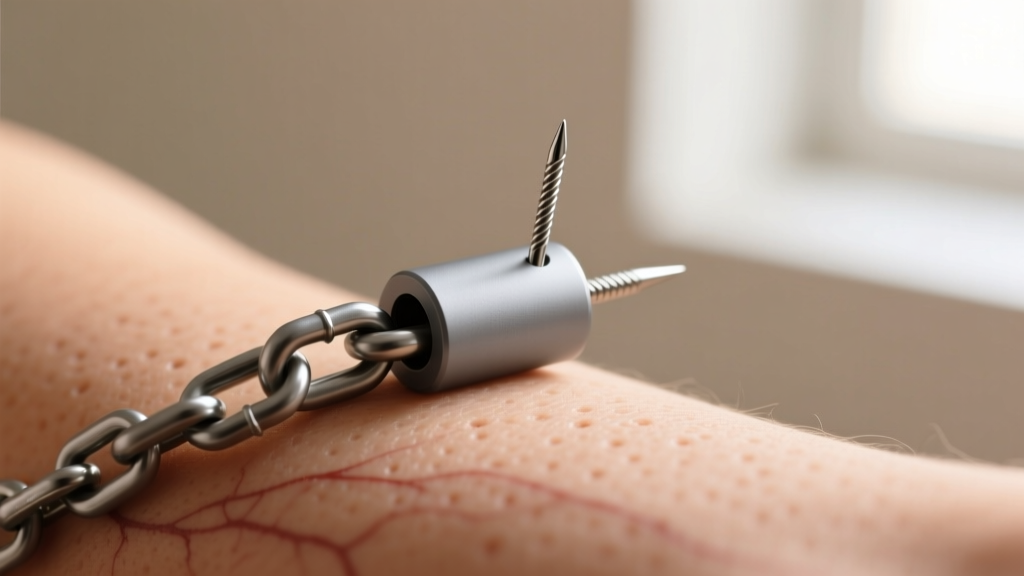
These materials are generally safe for external wear on intact, unbroken skin but carry caveats for those with metal sensitivities or for use in actual piercings.
316L VM Surgical Steel
316L Vacuum Melted stainless steel is the most common metal in commercial body chains. It contains molybdenum for corrosion resistance, but it does contain 8-10.5% nickel. In high-quality 316L, the nickel is trapped within the crystal structure of the steel and does not easily leach. However, according to the American Academy of Dermatology, prolonged exposure to sweat and friction can trigger contact dermatitis in individuals with a nickel allergy. It is safe for a night out in a chest harness, but not recommended for 24/7 intimate wear or piercing attachment.
Solid 14k and 18k Gold
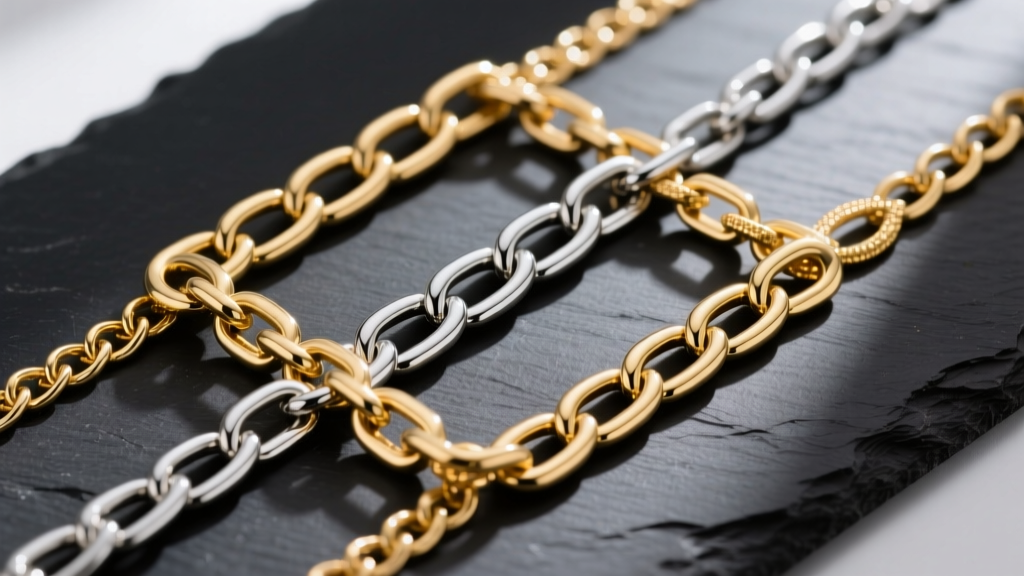
Solid gold is luxurious and highly resistant to tarnish, but the alloy mix matters immensely. Yellow gold alloyed with copper and silver is generally safe. However, white gold is often alloyed with nickel to achieve its color, which is a major red flag for intimate wear. Always seek out palladium-alloyed white gold or stick to high-quality yellow/rose gold. Furthermore, the ASTM International standards dictate that cast gold jewelry can be porous; ensure your gold chains are machined or cast under high pressure to prevent bacterial trapping.
Materials to Strictly Avoid (The Danger Zone)
When shopping for avant-garde or intimate jewelry, fast fashion and costume brands often use dangerous, reactive metals. Avoid these at all costs:
Warning: Never wear brass, copper, or 'mystery silver' alloys in chest harnesses or nipple chains. The acidic nature of sweat will cause these metals to oxidize rapidly, creating verdigris (a toxic green crust) that can cause severe chemical burns and systemic heavy metal absorption.
- Gold-Plated or Gold-Filled Base Metals: The friction of a chest chain will strip the microscopic layer of gold within hours, exposing the reactive brass or copper underneath to your most sensitive skin.
- Sterling Silver (925): While fine for earlobes, sterling silver contains copper and is highly prone to tarnishing. It should never be worn in nipple piercings or as a tight, friction-heavy body chain, as it can cause localized argyria (a permanent gray staining of the skin).
Material Comparison Matrix: Weight, Cost, & Safety
| Material | Nickel Content | Weight / Density | Corrosion Resistance | Best Use Case |
|---|---|---|---|---|
| ASTM F136 Titanium | 0% (None) | Ultra-Light | Exceptional | Piercing attachments, 24/7 intimate wear |
| Niobium | 0% (None) | Medium-Heavy | Exceptional | Anodized color chains, sensitive skin |
| 316L Surgical Steel | 8% - 10.5% | Medium | High | Short-term fashion harnesses, intact skin |
| Solid 14k/18k Gold | Varies (Avoid White) | Heavy | Very High | Luxury layering, heirloom body jewelry |
| Brass / Copper | Trace to High | Medium | Poor (Tarnishes) | Strictly display only; never wear on skin |
Gauge, Weight, and Hardware Mechanics
The structural integrity of nipple chain necklaces relies heavily on the gauge (thickness) of the wire and the type of chain link used. A poorly constructed chain will snap under the tension of body movement.
Understanding Chain Gauges
If the chain connects directly to a nipple piercing, the terminal ends must match the piercing gauge, which is typically 14g (1.6mm) or 12g (2.0mm). However, the decorative draping chains across the chest do not need to be this thick. Most high-end body harnesses use 18g (1.0mm) to 16g (1.2mm) chains for the draping elements to keep the overall weight manageable.
Link Styles for Intimate Wear
- Rolo Chains: Featuring uniform, round interlocking links. These are the strongest and least likely to pull chest hair or catch on delicate lace fabrics.
- Cable Chains: Oval links that offer a more delicate, feminine drape but are slightly more prone to kinking if stored improperly.
- Mariner (Anchor) Chains: Features a solid bar in the center of each oval link. Highly structural, masculine, and excellent for heavy, load-bearing chest harnesses.
Clasp and Connector Safety
Avoid standard spring-ring clasps for intimate wear, as they are fragile and easily snagged. Opt for lobster claw clasps machined from the same metal as the chain, or threadless push-pin ends if the chain connects directly to body jewelry. Magnetic clasps should be avoided entirely, as they can unexpectedly detach during movement and often contain neodymium cores that are poorly sealed against sweat.
Care and Maintenance for High-Sweat Environments
Even implant-grade metals require maintenance to retain their polish and hygiene. After wearing your chain necklace in high-sweat environments, follow this protocol:
- Rinse: Wash the chain in warm water with a mild, fragrance-free glycerin soap.
- Ultrasonic Cleaning: For titanium and solid gold chains, a 3-minute cycle in an ultrasonic jewelry cleaner with distilled water will dislodge dead skin cells and sebum trapped in the links.
- Dry Thoroughly: Moisture trapped in chain links can lead to fungal growth on the skin. Use a microfiber cloth or a hair dryer on a cool setting to ensure the chain is bone-dry before storage.
- Storage: Store intimate chains separately in a soft pouch to prevent the links from crushing each other or tangling with standard necklaces.
By prioritizing biocompatible materials like ASTM F136 titanium and niobium, you ensure that your avant-garde fashion choices remain safe, comfortable, and visually stunning for years to come. Never compromise on metallurgy when the jewelry rests against the body's most sensitive landscapes.


