The Ultimate Buying Guide: Choosing a Necklace for Princess Play
Discover how to choose a safe, durable necklace for princess dress-up. Learn about ASTM safety standards, hypoallergenic metals, and breakaway clasps.

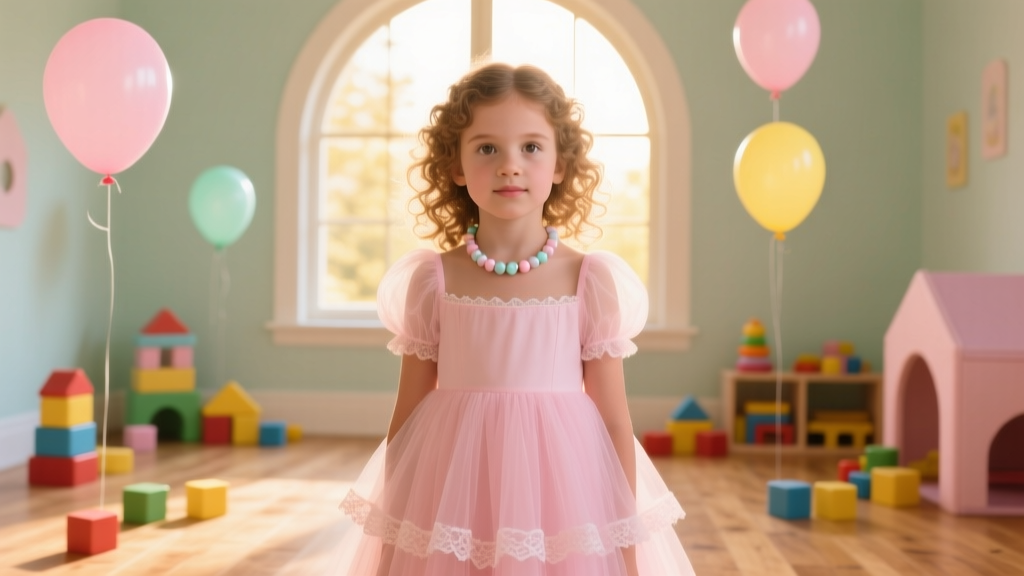
When it comes to imaginative play, few accessories capture the magic of dress-up quite like a sparkling necklace. However, as any parent or guardian knows, the world of children’s costume jewelry is fraught with hidden dangers. From toxic heavy metals to severe choking and strangulation hazards, finding the perfect necklace for princess play requires looking far beyond the glitter and charm. This comprehensive buying guide will equip you with the expert knowledge needed to navigate safety standards, decode metal grades, and select a piece that is as safe as it is enchanting.
The Safety Mandate: ASTM F2923 and CPSIA Compliance
Before evaluating aesthetics, you must verify that the jewelry complies with rigorous safety standards. In the United States, children’s jewelry is regulated under the Consumer Product Safety Improvement Act (CPSIA) and the specific ASTM F2923 Standard Consumer Safety Specification for Toy Jewelry. These regulations are not mere suggestions; they are critical benchmarks that dictate acceptable limits for hazardous substances.
Heavy Metal Restrictions
Cheap, imported costume jewelry has historically been a primary culprit for lead and cadmium exposure. Under CPSIA, the lead content in the substrate of children's products must not exceed 100 parts per million (ppm), and lead in paint or surface coatings is capped at 90 ppm. Furthermore, the FDA has issued warnings regarding cadmium, a toxic metal that can cause severe developmental issues. When shopping, always look for a Children’s Product Certificate (CPC) or explicit claims of third-party lab testing for lead, cadmium, and nickel.
Decoding Metal Grades for Sensitive Skin
Children’s skin is significantly more permeable and reactive than adult skin. A necklace that causes contact dermatitis can quickly ruin the dress-up experience. Avoid vague terms like 'hypoallergenic' or 'nickel-free' unless they are backed by specific metal grades. Here is a breakdown of the safest materials for royal play:
| Material Grade | Pros | Cons | Estimated Price Range |
|---|---|---|---|
| 316L Surgical Steel | Highly resistant to tarnish, excellent nickel retention, durable. | Heavier than acrylic, can still trigger severe nickel allergies. | $12 - $25 |
| 925 Sterling Silver | Precious metal, naturally hypoallergenic, timeless heirloom quality. | Prone to tarnishing, softer metal (scratches easily), expensive. | $35 - $85 |
| Grade 23 Titanium | 100% biocompatible, ultra-lightweight, zero nickel. | Difficult to cast into intricate 'princess' shapes, limited styles. | $20 - $45 |
| Medical-Grade Acrylic | Vibrant colors, lightweight, entirely metal-free. | Can scratch, lower perceived value, not suitable for fine jewelry. | $5 - $15 |
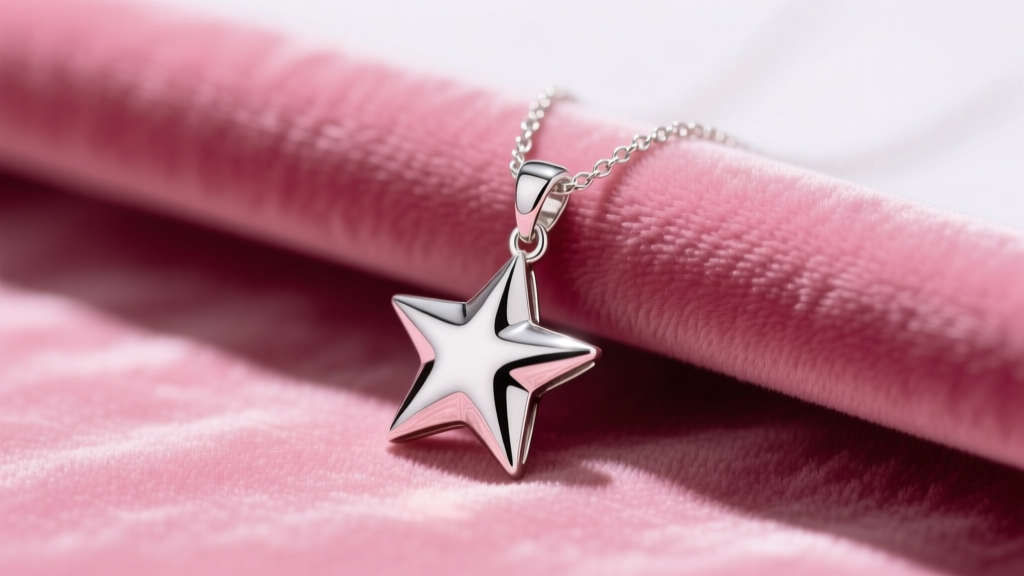
Strangulation Prevention: Clasp Mechanics and Chain Integrity
The most critical safety feature of any children's necklace is how it behaves under tension. A child catching their necklace on a playground structure or piece of furniture poses a severe strangulation risk. You must prioritize breakaway mechanics.
Magnetic and Velcro Breakaways
Look for necklaces equipped with magnetic breakaway clasps designed to release at 3 to 5 pounds of pressure. This ensures the chain will snap open long before it applies dangerous force to a child's neck. For younger toddlers, Velcro ribbon chokers are an excellent alternative, as they tear away effortlessly when pulled.
Welded vs. Folded Links
Inspect the chain itself. Folded metal links (often found in cheap snake chains) can unravel, creating razor-sharp edges that slice the skin or catch on hair. Always opt for welded link chains, such as rolo, cable, or box chains, where every individual ring is soldered shut. This prevents the chain from catching on small fingers or hair.
Sizing and Adjustability for Growing Necklines
A necklace that sits too tightly is a choking hazard, while one that is too long can easily get caught on doorknobs and bedposts. Proper sizing is non-negotiable. Use a soft measuring tape to measure the child's neck and add 2 to 3 inches for comfort and safety.
- Toddlers (Ages 2-4): 10 to 12 inches. (Strict supervision required; small parts warning applies).
- Little Girls (Ages 5-8): 13 to 15 inches. (Ideal for most princess costumes and daily play).
- Pre-Teens (Ages 9-12): 16 to 18 inches. (Standard adult length, suitable for layering).
Pro Tip: Invest in necklaces that feature a 2-inch extender chain. This not only accommodates growth spurts but also allows the necklace to sit correctly over thick winter clothing or bulky costume dresses.
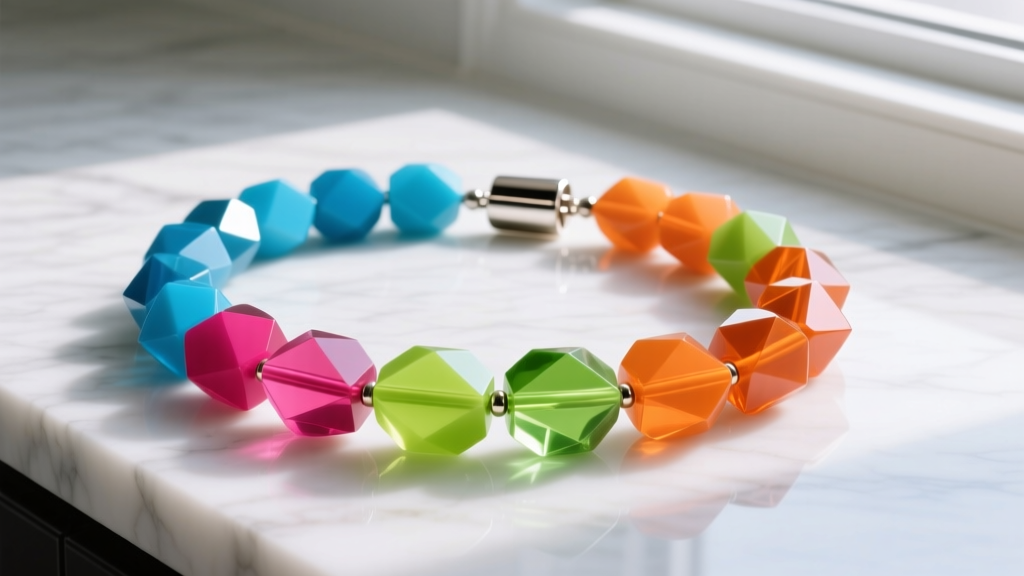
Gemstone Security and Choking Hazards
A princess necklace is rarely complete without a centerpiece gemstone, but these embellishments introduce small parts hazards. According to pediatric safety guidelines, any object that can fit entirely inside a standard small parts test cylinder (approximately 1.25 inches in diameter) is a choking hazard for children under three.
Prong Settings vs. Epoxy Resin
For children under five, avoid traditional metal prong settings. Prongs can bend backward when dropped or stepped on, releasing the stone and creating a sharp, jagged metal point. Instead, seek out pendants where the 'gemstone' is encased in shatterproof epoxy resin or molded from a single piece of colored acrylic. If you must choose a faceted stone, ensure it is bezel-set, meaning the metal completely wraps around the edge of the stone, securing it permanently.
Final Buying Checklist Before Checkout
Before you finalize your purchase, run the necklace through this expert-level safety checklist:
- Certification: Does the product have a verifiable CPC or ASTM F2923 compliance statement?
- Weight Test: Is the pendant light enough that it won't cause neck strain during active play?
- Tension Test: Does the clasp release easily when pulled with moderate force?
- Edge Check: Run your thumb over all metal components to ensure there are no burrs, sharp seams, or rough casting marks.
- Toxin Verification: Is the seller transparent about the absence of lead, cadmium, and phthalates?
Choosing the right necklace for princess play is about balancing the magic of imagination with the uncompromising demands of child safety. By prioritizing certified materials, intelligent clasp mechanics, and age-appropriate sizing, you can provide a beautiful accessory that allows her to rule her kingdom safely.


