How to Choose Safe Youth Baseball Necklaces: A Step-by-Step Guide
Learn how to select, fit, and maintain safe youth baseball necklaces. Discover league rules, breakaway clasp standards, and durable materials for kids.


The Intersection of Diamond Culture and Player Safety
Baseball has a deeply ingrained jewelry culture. From the major leagues down to local travel ball tournaments, players often use necklaces to express personal style, showcase team colors, or wear performance-enhancing titanium-infused cords. However, when it comes to youth players, the dynamic shifts dramatically. The diamond is a high-velocity environment where sliding into bases, diving for pop-ups, and tangling with chain-link fences are daily occurrences. A standard metal chain poses a severe laceration and choking hazard in these scenarios.
As we navigate the 2026 youth sports landscape, parents and coaches must balance a player's desire for on-field style with uncompromising safety standards. Selecting the right youth baseball necklaces requires a strategic approach to materials, clasp mechanics, and league compliance. This step-by-step guide will walk you through the exact specifications needed to keep your young athlete safe, comfortable, and within the boundaries of the official rulebook.
Step 1: Decode the League Rulebook
Before purchasing any sports jewelry, you must understand the regulatory environment. Governing bodies have strict, albeit nuanced, policies regarding what can be worn on the field.
- Little League Baseball: According to the Little League Official Regulations, hard metal jewelry is strictly prohibited during regular-season play. However, flexible, non-metallic sports necklaces (like medical-grade silicone or paracord) are frequently permitted at the discretion of local umpires, provided they do not pose a safety risk.
- NFHS (High School): The NFHS Sports Medicine Advisory Committee enforces Rule 1-5-12, which bans jewelry. Yet, rubber, silicone, and cloth sports necklaces are widely accepted as they lack the rigid structure that causes impact injuries.
- USSSA & Travel Ball: Travel organizations generally adopt a more relaxed stance, allowing most non-metallic sports necklaces as long as they feature a functional breakaway mechanism.
Always carry a backup silicone or paracord necklace in the gear bag. If an umpire rules a player's metallic or rigid chain unsafe, having a compliant alternative prevents the player from having to forfeit their jewelry entirely before the first pitch.
Step 2: Select the Right Breakaway Mechanism
The most critical component of any youth sports necklace is the breakaway clasp. If a player gets snagged on a fence or an opponent's cleat, the necklace must snap open before the tension transfers to the cervical spine or airway. Not all clasps are engineered equally.
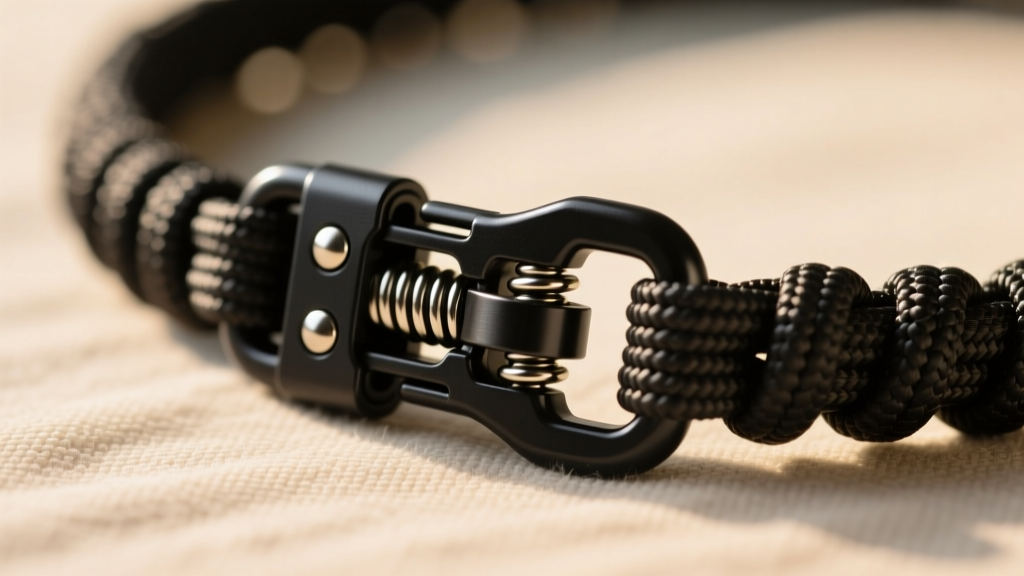
When shopping, look for clasps that specify their release tension. For youth players aged 8 to 14, a release threshold between 5 and 8 pounds of lateral force is the gold standard. This ensures the necklace stays secure during normal sprinting and sliding, but yields immediately under the sudden, high-impact force of a snag.
Clasp Tension & Material Comparison Chart
| Clasp Type | Release Tension | Best Material Pairing | Durability Rating |
|---|---|---|---|
| Magnetic Pinch | 5-8 lbs | Medical Silicone | High (Rust-proof) |
| Mechanical Hook | 10-15 lbs | 550 Paracord | Medium (Prone to snagging) |
| Velcro/Breakaway Tab | 3-5 lbs | Braided Cotton | Low (Degrades in sweat) |
Note: Avoid mechanical hook clasps for youth players. The 10-15 lb release tension is too high for a child's neck, and the exposed hooks can scratch the skin during a slide.
Step 3: Choose Sweat-Proof, Non-Abrasive Materials
Baseball is a summer sport played in high heat and humidity. The material of the necklace cord must withstand constant exposure to sweat, sunscreen, and red clay dirt without degrading, stretching, or harboring bacteria.
Medical-Grade Silicone vs. 550 Paracord
Medical-Grade Silicone: This is the premier choice for youth athletes. Silicone is completely hypoallergenic, non-porous, and impervious to UV degradation. It does not absorb sweat, meaning it won't develop the sour odor associated with fabric cords. Furthermore, silicone has a natural stretch that provides a secondary layer of safety if the breakaway clasp fails.
550 Paracord (Nylon): Originally designed for parachute suspension lines, 550 paracord is incredibly durable and holds team colors brilliantly. However, because it is a woven nylon, it acts like a wick for sweat and dirt. If you choose paracord, ensure it is tightly woven and paired with a high-quality magnetic breakaway clasp, as the cord itself will not stretch under tension.
Materials to Avoid: Never buy braided cotton or hemp necklaces for baseball. These materials absorb moisture, stretch out of shape, and become breeding grounds for staph and fungal infections when trapped against the skin under a sweaty jersey.
Step 4: The Two-Finger Fitting Protocol
A necklace that is too long becomes a pendulum hazard, swinging into the player's face during a swing or catching on their cleats when they bend over to field a ground ball. A necklace that is too tight restricts breathing and causes chafing against the collarbone.
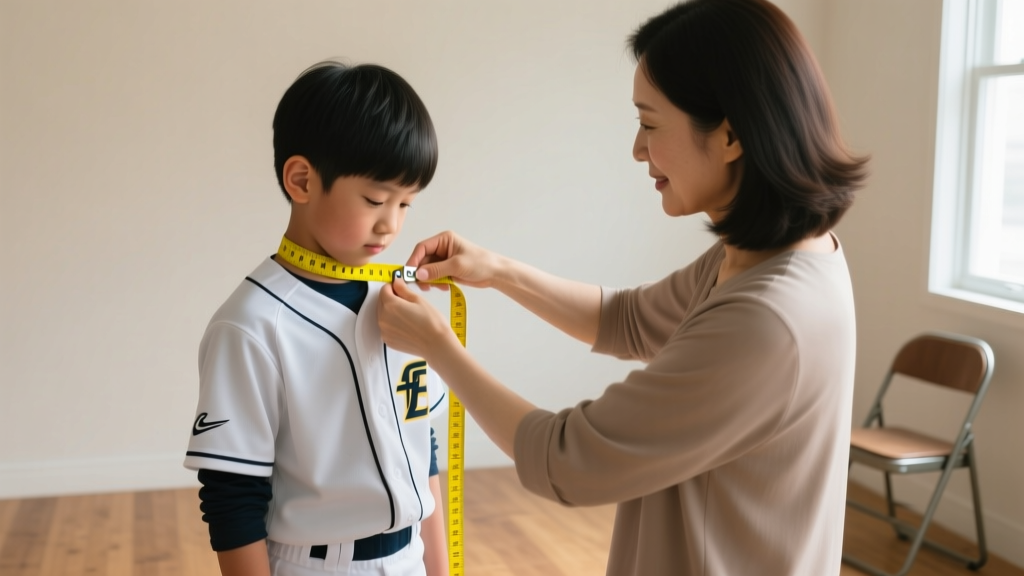
Follow this exact step-by-step fitting protocol to ensure the perfect, safe drop length:
- Measure the Base Neck: Use a soft fabric tape measure to find the circumference of the child's neck at the Adam's apple.
- Add the Drop Allowance: Add exactly 2.5 to 3 inches to the base measurement. This creates a "crew neck" drop that rests safely on the upper sternum.
- The Two-Finger Test: Once the necklace is clasped, you should be able to slide exactly two adult fingers side-by-side between the cord and the back of the child's neck. If you can fit three or more, it is too long and risks snagging on the batting helmet strap. If you cannot fit two, it is too tight and will restrict movement during a swing.
- Check the Helmet Clearance: Have the player put on their full batting helmet and fasten the chin strap. Ensure the necklace cord does not overlap or tangle with the helmet's straps at the nape of the neck.
Step 5: Post-Game Sanitization and Maintenance
Even the highest-grade silicone and paracord require maintenance to maintain their structural integrity and hygiene. The combination of alkaline sweat, acidic sports drinks, and abrasive infield dirt can slowly degrade the outer sheath of the cord and corrode the internal magnets of the breakaway clasp.
The Weekly Cleaning Routine:
- Fill a bowl with warm water and a few drops of mild, fragrance-free dish soap.
- Submerge the necklace for 10 minutes to loosen caked-on red clay and sweat salts.
- Use a soft-bristled toothbrush to gently scrub the crevices of the breakaway clasp where dirt accumulates and impedes the magnetic connection.
- Rinse thoroughly with cool water and pat dry with a microfiber towel.
Critical Warning: Never use bleach, rubbing alcohol, or harsh chemical degreasers on sports necklaces. These chemicals break down the polymers in silicone and strip the protective coating off paracord, leading to micro-tears that can cause the cord to snap unexpectedly during play.
Final Verdict: Balancing Style and Safety on the Field
Outfitting your young athlete with the right jewelry doesn't mean sacrificing their personal style or team spirit. By prioritizing medical-grade silicone or tightly woven paracord, insisting on a 5-8 lb magnetic breakaway clasp, and adhering to the two-finger fitting protocol, you can provide a safe, durable accessory that survives the rigors of the diamond. Always verify with your local umpire association before the first pitch, and maintain a strict weekly cleaning schedule to ensure the necklace remains as hygienic as it is stylish throughout the long summer season.


