Pearls and Beads Necklace Buying Guide: What to Look For
Discover how to choose the perfect pearls and beads necklace. Learn about pearl grades, bead materials, stringing techniques, and pricing in our guide.

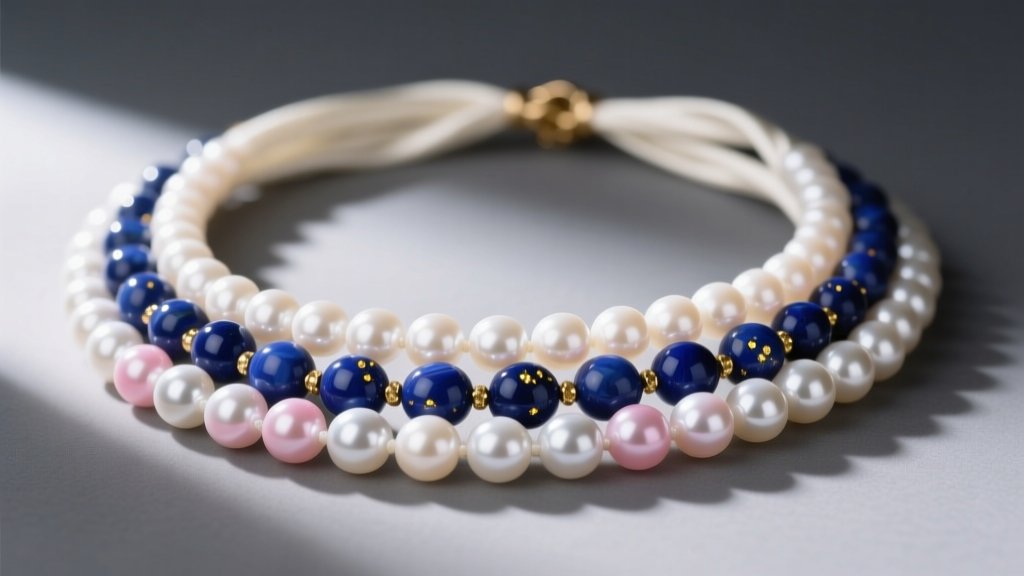
The Anatomy of a Pearls and Beads Necklace
A pearls and beads necklace represents one of the most versatile and historically rich categories in fine jewelry. Unlike uniform pearl strands, mixed-media designs combine the organic luster of pearls with the vibrant colors and textures of gemstone, glass, or metallic beads. In 2026, contemporary jewelers are pushing the boundaries of this classic format, blending baroque freshwater pearls with faceted semi-precious stones, matte onyx, or even ethically sourced coral alternatives. However, combining different materials introduces unique structural and aesthetic challenges. This comprehensive buying guide will walk you through the critical factors to evaluate when investing in a pearls and beads necklace, ensuring you select a piece that is both beautiful and built to last.
Evaluating Pearl Quality in Mixed-Media Designs
When pearls are paired with colorful beads, the contrast can either elevate the pearls or expose their flaws. According to the Gemological Institute of America (GIA), pearl quality is determined by six main value factors: size, shape, color, luster, surface quality, and nacre thickness. In a mixed-bead necklace, luster and nacre thickness are your non-negotiable priorities.
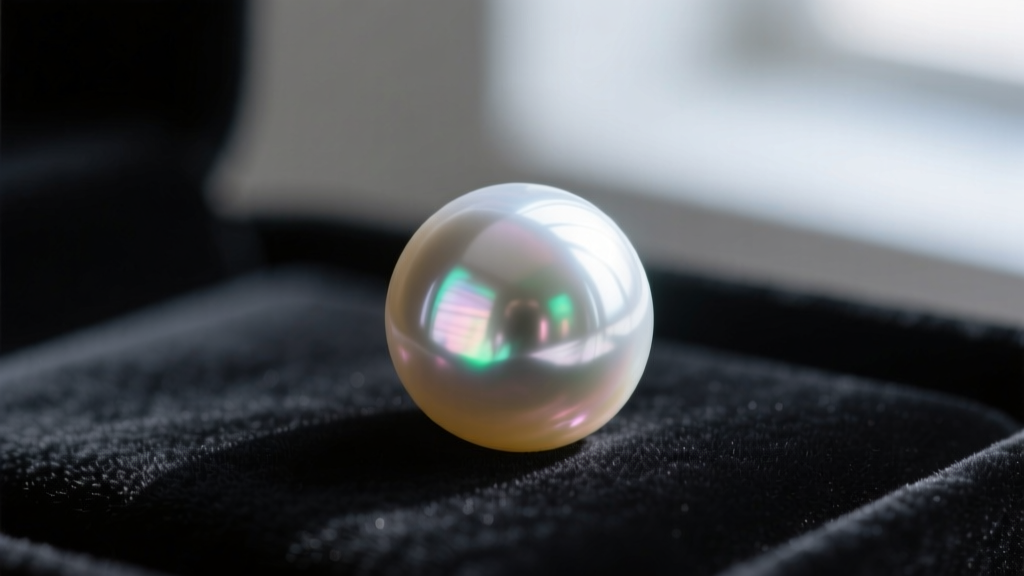
Luster and Surface Quality
Luster refers to the sharpness and intensity of light reflecting off the pearl's surface. Because companion beads (like polished agate or faceted quartz) are highly reflective, a pearl with poor, chalky luster will look dull and lifeless by comparison. Always look for 'very high' or 'high' luster grades. Surface quality is slightly more forgiving in mixed designs; minor blemishes or 'baroque' irregular shapes are often embraced in bohemian or artisanal pearls and beads necklace designs, adding organic character that contrasts beautifully with perfectly round, machine-cut gemstone beads.
Nacre Thickness
Nacre is the crystalline substance that forms the pearl. Bead-nucleated pearls (like Akoya or South Sea) must have a sufficiently thick nacre layer to prevent 'blinking'—a flaw where the internal shell bead shows through the pearl, giving it a striped or dull appearance. If you are buying a high-end Akoya and gemstone bead necklace, request an X-ray or a gemological report confirming a nacre thickness of at least 0.4mm to 0.6mm.
Choosing Companion Beads: Hardness and Compatibility
The most common mistake buyers make when purchasing a pearls and beads necklace is ignoring the Mohs scale of mineral hardness. Pearls are incredibly soft, ranking between 2.5 and 4.5 on the Mohs scale. If they are strung alongside harder gemstones without proper protection, the necklace will essentially destroy itself over time.
| Bead Material | Mohs Hardness | Compatibility with Pearls | Stringing Requirement |
|---|---|---|---|
| Lapis Lazuli | 5.0 - 6.0 | Good (Classic pairing) | Knotting recommended |
| Amethyst / Quartz | 7.0 | Poor (High scratch risk) | Strict knotting required |
| Onyx / Obsidian | 5.0 - 7.0 | Moderate | Knotting or spacer tubes |
| Mother of Pearl | 2.5 - 4.5 | Excellent (Same hardness) | Can be strung unknotted |
| Venetian Glass | 5.5 - 7.0 | Moderate | Knotting recommended |
As noted by the American Gem Society (AGS), understanding gemstone hardness is vital for jewelry longevity. If your necklace features quartz (Mohs 7) and pearls (Mohs 3), the quartz will act like a file against the pearl's drill hole every time the necklace moves, eventually widening the hole and compromising the nacre.
Stringing Architecture: Silk, Synthetics, and Knotting
The structural integrity of a pearls and beads necklace relies entirely on its stringing architecture. High-end pieces are strung on pure silk cord, while modern, water-resistant designs may use advanced synthetics like Power Pro or Silkon.
The Danger of Unknotted Mixed Strands
In a traditional pearl strand, a knot is tied between every single pearl to prevent them from rubbing together and to minimize loss if the strand breaks. In a mixed pearls and beads necklace, knotting is even more critical. If hard gemstone beads are used, a knot must be placed between the gemstone and the pearl. Alternatively, jewelers may use soft silicone or metal spacer tubes to buffer the drill holes. If you are inspecting a vintage or estate piece, check the drill holes of the pearls. If you see 'reaming' (a widened, rough, or conical drill hole), it indicates the pearls were strung unknotted against harder beads and have suffered friction damage.
Clasp Hardware and French Wire
Examine the clasp area. A high-quality necklace will feature 'French wire' (also known as gimp or bullion)—a tiny, coiled spring of precious metal that wraps around the silk cord where it loops through the clasp ring. This prevents the metal clasp from sawing through the silk thread over years of wear. For mixed-media necklaces, ensure the clasp metal (e.g., 14k gold or sterling silver) is proportionate to the weight of the heavy gemstone beads.
Market Pricing: What to Expect in 2026
Pricing for a pearls and beads necklace varies wildly based on the pearl type, the rarity of the companion beads, and the craftsmanship of the stringing. Here is a general pricing framework for authentic, fine-jewelry-grade pieces:
- Freshwater Pearl & Semi-Precious Stone (e.g., Amethyst, Garnet): $150 – $600. Freshwater pearls offer incredible value and come in natural pastel hues that pair beautifully with colored quartz.
- Akoya Pearl & Onyx/Lapis Lazuli: $800 – $3,500. The mirror-like luster of Akoya pearls creates a striking, formal contrast against dark, opaque beads.
- South Sea / Tahitian Pearl & Diamond-Pave Beads: $5,000 – $25,000+. These are luxury, statement-making pieces where the pearls are large (10mm+) and the companion beads feature precious metals and diamonds.
- Baroque Pearl & Artisan Glass/Murano Beads: $200 – $900. Highly popular in contemporary, indie-jeweler markets, focusing on asymmetry and vibrant color palettes.
Styling and Neckline Pairings
A pearls and beads necklace is inherently more casual and dynamic than a uniform white pearl strand. A 16-inch choker length featuring small seed pearls and turquoise beads is perfect for a relaxed, bohemian look over a linen blouse or a simple V-neck dress. Conversely, a 20-inch opera-length strand mixing black Tahitian pearls with faceted onyx beads serves as an elegant, edgy alternative to traditional evening wear, pairing beautifully with a sweetheart or off-the-shoulder neckline. When layering, keep the mixed-bead necklace as the focal point and pair it with a simple, delicate gold or silver chain to balance the visual weight.
Final Thoughts on Authenticity and Sourcing
When shopping for a pearls and beads necklace, always ask the jeweler about the origin of the pearls and the treatment of the gemstone beads. Many brightly colored beads (like blue howlite or deep red agate) are heavily dyed. If dyed beads are strung on silk without proper sealing, moisture from your skin or humidity can cause the dye to bleed onto the porous surface of the pearls, permanently staining them. Always buy from reputable dealers who disclose gemstone treatments and offer a guarantee on their stringing craftsmanship. By prioritizing nacre quality, Mohs compatibility, and proper knotting, your mixed-media necklace will remain a stunning, wearable work of art for decades.


