How to Get Knots Out of Necklace Chains: A Complete Buying Guide
Learn how to get knots out of necklace chains safely. Explore our buying guide for tangle-free weaves, ideal gauges, and essential maintenance tools.

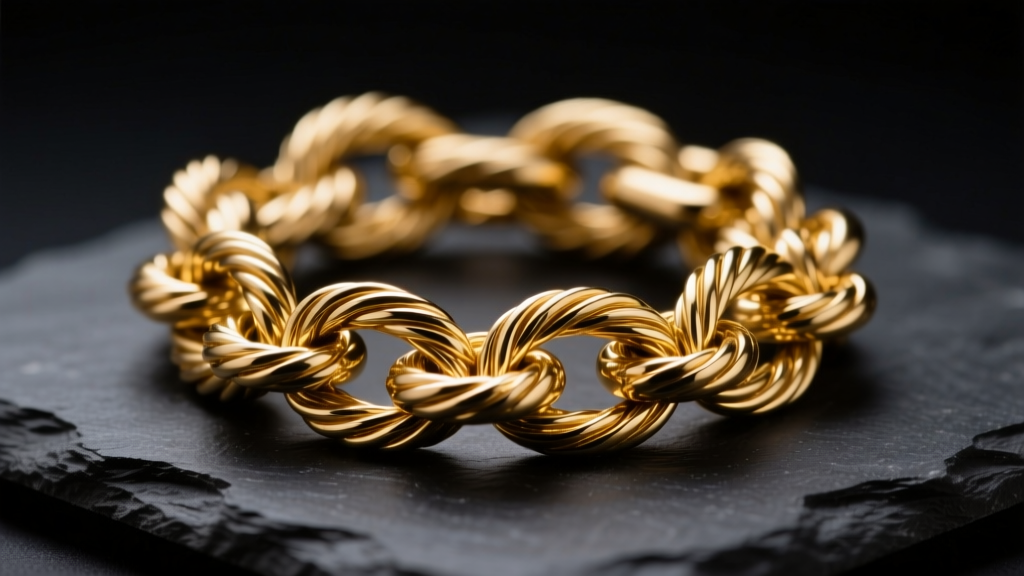
There are few things more frustrating in jewelry care than pulling a delicate piece from your jewelry box only to find it has transformed into a microscopic bird's nest. If you are searching for how to get knots out of necklace chains without snapping the links, you are not alone. According to jewelry repair technicians, chain entanglement is the number one cause of at-home structural damage to fine jewelry. However, untangling is only half the battle; understanding the metallurgy, weave structures, and gauge sizes that prevent knotting is essential for any savvy buyer.
In this comprehensive guide, we will break down the exact physics of why chains tangle, provide a step-by-step masterclass on safely removing stubborn knots, and transition into a definitive buying guide for tangle-resistant necklace weaves. Whether you are shopping for a 14k gold pendant chain or a sterling silver layering piece, knowing what to look for will save you hours of frustration.
The Anatomy of a Tangled Chain: Why Knots Happen
Before we can fix a knot, we must understand why it formed. Chain entanglement is driven by three primary factors: friction, static electricity, and link geometry. When necklaces are stored together, the microscopic pores in gold and silver alloys create friction. Movement in a drawer or suitcase generates static electricity, causing lightweight chains to cling to one another. Finally, chains with large gaps between their links (like standard cable or rope chains) act like tiny grappling hooks, catching on neighboring jewelry or even the fibers of your clothing.
Furthermore, the gauge (thickness) of the chain plays a massive role. Chains measuring 0.6mm to 0.9mm (roughly 22 to 20 gauge) are highly flexible and behave almost like thread, making them the most susceptible to severe 'bird-nesting.' For daily wear, jewelers generally recommend stepping up to a 1.2mm to 1.5mm gauge (16 to 18 gauge), which offers enough structural rigidity to resist folding in on itself.
Step-by-Step: How to Get Knots Out of Necklace Chains
When disaster strikes, never pull the ends of the chain. Tension tightens the slipknots and can easily exceed the tensile strength of a delicate soldered link, leading to a snap. Instead, follow this professional jeweler's method:
- Step 1: Prepare your workspace. Lay the necklace flat on a hard, non-porous surface like a glass table or a ceramic plate. Avoid fabric, which can snag the links.
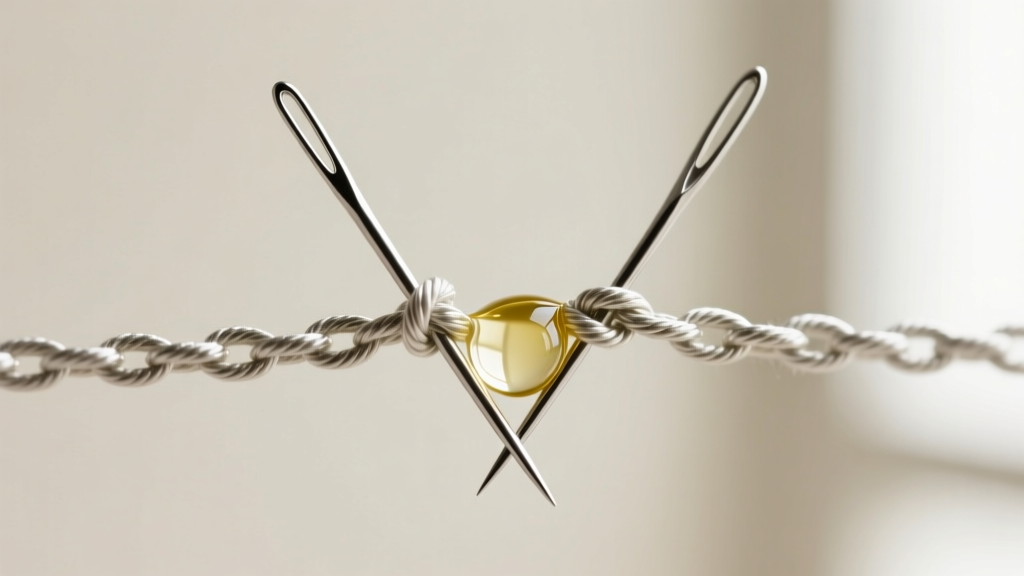
- Step 2: Apply a friction reducer. Do not use water. Instead, sprinkle a small amount of talcum powder or cornstarch over the knot. For severe knots, a single drop of baby oil or a specialized jewelry polishing lubricant can break the surface tension. (Note: If using oil, you will need to clean the chain with a mild dish soap solution afterward to prevent dust attraction).
- Step 3: Use the dual-pin technique. Insert two fine tools into the center of the knot. Professional bench jewelers use #10 beading needles (which have a precise 0.46mm diameter) or standard sewing pins. Gently wiggle the pins in opposite directions to expand the center of the knot.
- Step 4: Work from the inside out. Once the center loosens, use the pins to gently push the outer loops through the expanded center. Never pull the tail ends.
For more advanced care and cleaning protocols, the Gemological Institute of America (GIA) offers excellent resources on maintaining the structural integrity of precious metals after using chemical or oil-based lubricants.
The Ultimate Buying Guide: Chain Weaves That Resist Knotting
If you are tired of playing microsurgeon with your jewelry box, the best solution is to buy chains that are structurally engineered to resist tangling. When shopping for a new necklace, pay close attention to the weave pattern. Continuous-surface chains have fewer gaps for other objects to catch on, making them vastly superior for layering and active lifestyles.
Chain Weave Comparison Chart
| Chain Style | Knot Resistance (1-10) | Recommended Gauge | Best Use Case |
|---|---|---|---|
| Box Chain | 9/10 | 1.2mm - 1.5mm | Heavy pendants, daily wear, layering |
| Snake Chain | 10/10 | 1.5mm - 2.0mm | Sleek solo wear, modern minimalist styles |
| Wheat (Spiga) Chain | 8/10 | 1.0mm - 1.5mm | Textured looks, medium-weight pendants |
| Cable Chain | 3/10 | 1.5mm+ | Delicate charms, occasional wear |
| Rope Chain | 4/10 | 2.0mm+ | Statement pieces, wearing without pendants |
Top Picks for Tangle-Free Shopping
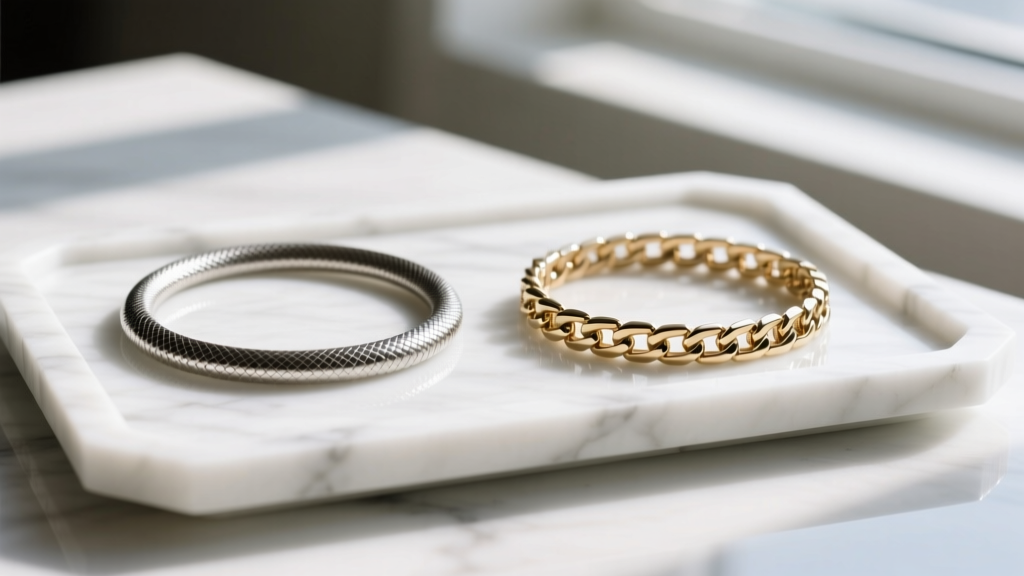
1. The Box Chain: Composed of square links connected at 90-degree angles, the box chain creates a smooth, four-sided continuous surface. Because the links are wide and flat, they cannot easily fold back onto themselves. When buying a box chain, look for a minimum width of 1.2mm. Anything thinner compromises the structural integrity of the square links.
2. The Snake Chain: This is the undisputed champion of tangle-free jewelry. Snake chains are made of tightly joined, slightly wavy rings that form a flexible, tubular surface. There are virtually no gaps for static or friction to exploit. However, snake chains are notoriously difficult to repair if kinked or crushed, so they are best bought in thicker gauges (1.5mm or above) and stored carefully.
3. The Herringbone Chain: While beautiful and flat, herringbone chains are a paradox. They resist traditional 'knotting' but are highly prone to 'kinking' (folding permanently). Avoid herringbone if you plan to travel with your jewelry or sleep in it.
Essential Tools to Buy for Necklace Maintenance
Even the most tangle-resistant chains require occasional maintenance. Equipping your home with the right tools ensures that when a knot does occur, you are prepared to handle it without causing micro-fractures in the metal.
- Beading Needles (#10 or #12): Standard sewing needles are often too thick and can scratch soft alloys like 22k gold or high-purity silver. Invest in a pack of fine beading needles, which are engineered to pass through microscopic gaps without marring the metal.
- Jeweler's Loupe (10x or 20x magnification): Trying to untangle a 0.8mm white gold chain with the naked eye leads to eye strain and accidental pulling. A standard 10x triplet loupe allows you to see the exact geometry of the knot.
- Microfiber Polishing Cloths: After using talcum powder or baby oil to loosen a knot, you must remove the residue. Treated silver polishing cloths (like the popular Sunshine cloths) contain micro-abrasives that clean the metal and restore the high-polish finish without the need for liquid dips.
For professional-grade bench tools and maintenance supplies, industry suppliers like Rio Grande provide the exact materials used by master jewelers, adapted for consumer use.
Storage Solutions: Preventing Knots Before They Start
The ultimate guide to untangling necklaces is learning how to prevent the knots from forming in the first place. Proper storage is a non-negotiable aspect of jewelry ownership.
The Hanging Method
Gravity is your best friend when storing chains. Buying a dedicated jewelry armoire or a wall-mounted acrylic organizer with individual hooks allows necklaces to hang freely. Ensure the hooks are spaced at least 3 inches apart so that swinging chains cannot intersect. If you are buying a travel jewelry roll, ensure it features individual snap closures for the chain tails to prevent them from sliding around during transit.
The Barrier Method
If you prefer storing jewelry in a box, you must create physical barriers. Purchase individual 2x3 inch polyethylene zip bags (specifically made for jewelry, which are free of PVC and sulfur). Placing each necklace in its own bag eliminates the friction and static transfer between pieces. For an added layer of protection, insert a 3M anti-tarnish strip into the storage drawer or box. These strips absorb airborne sulfur compounds that cause sterling silver to oxidize and become 'sticky'—a surface texture that drastically increases the friction coefficient and leads to worse tangling.
Final Thoughts on Chain Selection
Knowing how to get knots out of necklace chains is a valuable skill, but it should be a last resort, not a daily routine. By prioritizing continuous-surface weaves like box and snake chains, selecting a robust gauge (1.2mm+), and investing in proper hanging storage, you can virtually eliminate the bird's nest effect from your jewelry collection. The next time you shop for a pendant or a layering piece, look past the aesthetic and evaluate the structural geometry of the links. Your future self—and your patience—will thank you.


