Breast Cancer Ribbon Necklace: Best Metals & Materials Compared
Discover the best metals for a breast cancer ribbon necklace. We compare titanium, surgical steel, and gold for durability and skin safety.

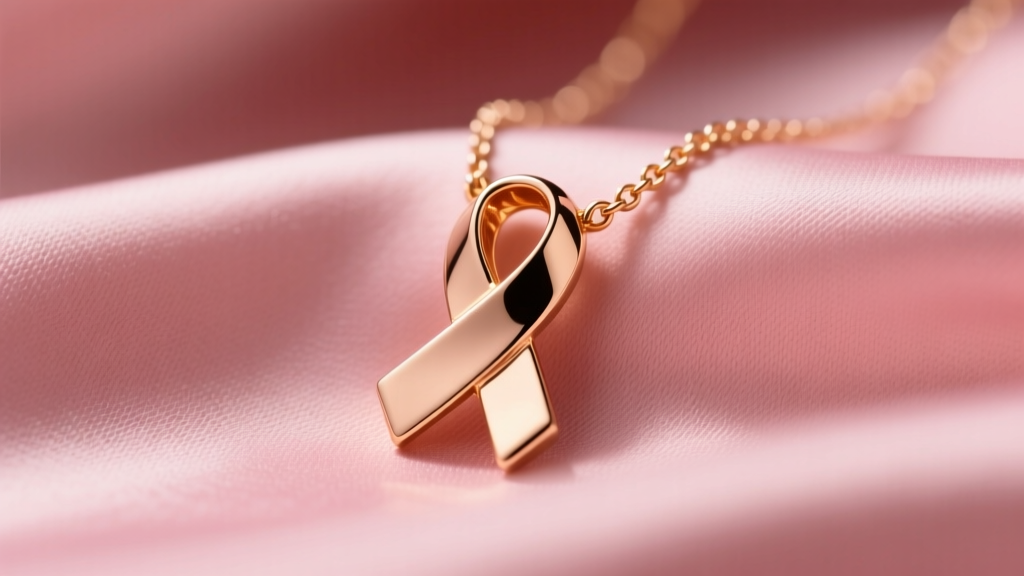
A breast cancer ribbon necklace is far more than a simple accessory; it is a profound emblem of survival, remembrance, and unwavering support. Because these pendants are typically worn daily—resting directly against the highly sensitive skin of the décolletage—the metallurgical properties and biocompatibility of the materials used are of paramount importance. Choosing the wrong alloy can lead to contact dermatitis, tarnishing, or structural failure of the delicate ribbon loop. In this comprehensive material comparison, we dissect the exact grades, alloys, and structural properties of the metals and accents used in awareness jewelry, ensuring your symbolic piece remains as resilient as the journey it represents.
The Emotional Weight of Daily Wear: Why Material Matters
The skin on the chest and neck is thinner and more permeable than the skin on your hands or wrists, making it exceptionally susceptible to irritants and allergens. According to the National Center for Biotechnology Information, nickel allergy is one of the most common causes of allergic contact dermatitis, affecting approximately 10% to 15% of the global population. When a pendant rests in the hollow of the throat, it is constantly exposed to sweat, body oils, and environmental humidity. These factors can accelerate the corrosion of inferior alloys, releasing metal ions that trigger severe dermatological reactions. Therefore, evaluating a breast cancer ribbon necklace requires looking past the aesthetic pink accents and scrutinizing the base metal's elemental composition, Mohs hardness, and corrosion resistance.
Hypoallergenic Heroes: Titanium vs. Surgical Stainless Steel
Grade 23 Titanium (Ti-6Al-4V ELI)
For survivors undergoing ongoing treatments, or those with severely compromised immune systems and hyper-sensitive skin, Grade 23 Titanium is the undisputed gold standard. Certified under ASTM F136 standards for surgical implant applications, Ti-6Al-4V ELI (Extra Low Interstitial) contains absolutely zero nickel. It is 45% lighter than steel, highly resistant to chloride-induced corrosion (meaning it will not degrade when exposed to sweat or swimming pool water), and possesses a high strength-to-weight ratio. A titanium ribbon pendant will typically feature a brushed or matte finish, as titanium is notoriously difficult to polish to a mirror shine without specialized equipment. However, its dark, gunmetal-grey hue provides a striking, modern contrast to bright pink enamel or gemstone accents.
316L Surgical Steel and the Nickel Caveat
Many mass-market awareness necklaces are stamped as "surgical stainless steel," specifically the 316L grade. While 316L is highly resistant to rust and features a brilliant, affordable shine, it is not entirely hypoallergenic. The "L" stands for low carbon, but the alloy still contains between 8% and 10.5% nickel to stabilize its austenitic crystalline structure. In high-quality 316L, the nickel is tightly bound within the metal matrix. However, exposure to highly acidic sweat, chlorinated water, or abrasive polishing compounds can cause microscopic pitting, leading to nickel leaching. For the majority of wearers, 316L is perfectly safe and offers excellent durability at a fraction of the cost of precious metals. But for those with diagnosed nickel sensitivities, it is a risk best avoided.
Precious Metals: Karat Gold, Silver, and Platinum
14K vs. 18K Gold: The Alloy Factor
Gold remains a premier choice for heirloom-quality survivor jewelry, but pure 24K gold is too soft (Mohs 2.5) to hold the structural integrity of a twisted ribbon loop. Therefore, it must be alloyed. 14K gold (58.3% pure gold) is heavily favored for daily-wear pendants because the higher concentration of alloy metals (like copper, zinc, and silver) increases its tensile strength and scratch resistance. 18K gold (75% pure gold) offers a richer, warmer color and is generally safer for sensitive skin, provided it is alloyed with palladium or silver rather than nickel. Rose gold, which derives its pinkish hue from a high copper content, is particularly popular for breast cancer awareness pieces due to its thematic color alignment. However, copper can oxidize over time, requiring occasional polishing with a specialized jeweler's cloth.
Sterling Silver and the Rhodium Necessity
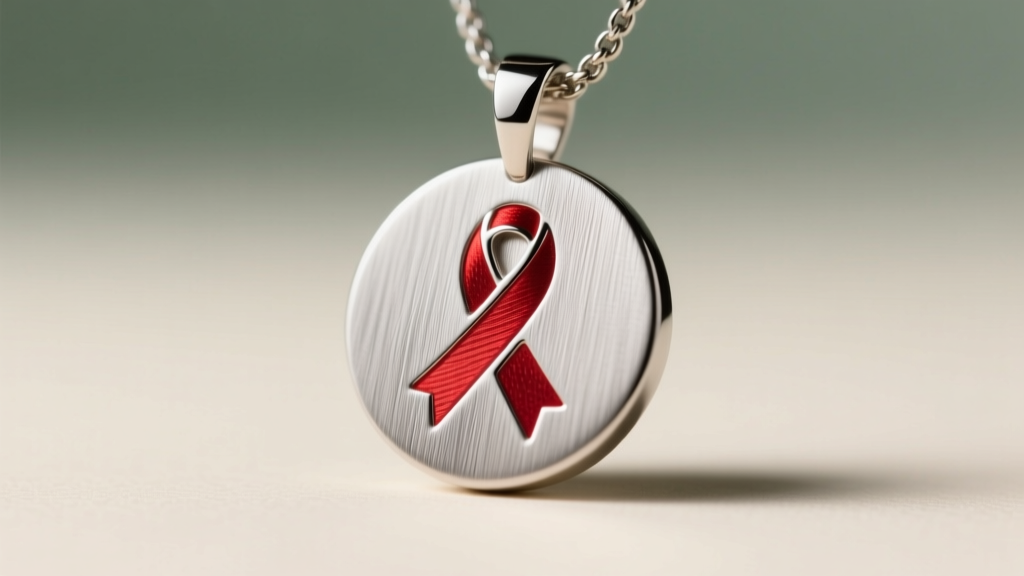
Sterling silver (92.5% silver, 7.5% copper) is the most common metal for mid-range awareness jewelry. The copper adds necessary hardness, but it is also the culprit behind silver's tendency to tarnish when exposed to sulfur compounds in the air and sweat. To combat this, premium silver ribbon necklaces are flash-plated with rhodium—a platinum-group metal that provides a brilliant, tarnish-resistant, and hypoallergenic barrier. When purchasing a silver piece, always verify that it has been rhodium-plated to ensure longevity and reduce the maintenance required to keep the ribbon looking pristine.
Material Comparison Matrix: Durability, Cost, and Biocompatibility
| Material | Nickel-Free? | Mohs Hardness | Price Range (Pendant Only) | Best For |
|---|---|---|---|---|
| Grade 23 Titanium | Yes (100%) | 6.0 | $45 - $120 | Hyper-sensitive skin, active lifestyles, modern aesthetics |
| 316L Surgical Steel | No (8-10.5%) | 5.5 - 6.0 | $15 - $40 | Budget-conscious buyers, high-polish mirror finishes |
| 14K Yellow/Rose Gold | Usually (Check Alloy) | 3.5 - 4.0 | $150 - $450 | Heirloom pieces, traditional fine jewelry lovers |
| 925 Sterling Silver | Yes | 2.5 - 3.0 | $30 - $90 | Everyday wear, intricate cast details (requires rhodium) |
| 950 Platinum | Yes (100%) | 4.0 - 4.5 | $400 - $1,200+ | Luxury survivor gifts, ultimate density and prestige |
Enamel and Gemstone Accents: Safety and Longevity
The iconic pink ribbon is rarely left as bare metal; it is typically filled with color. The method of coloring drastically impacts the necklace's lifespan.
Pink Enamel: Epoxy vs. Vitreous
Most affordable awareness necklaces utilize cold enamel (epoxy resin). This is a two-part liquid plastic that is painted into the metal recesses and cured at room temperature. While it offers vibrant, opaque pinks and is highly impact-resistant, epoxy will eventually yellow or degrade when exposed to prolonged UV sunlight and harsh chemicals like perfume or sunscreen. Conversely, high-end artisan pieces may use vitreous (hot) enamel, which is finely ground glass fused to the metal at temperatures exceeding 1400°F. Vitreous enamel is completely UV-stable, impervious to chemicals, and possesses a glass-like luster that will never fade, though it can shatter if dropped on a hard tile floor.
Pink Gemstones: Hardness and Inclusions
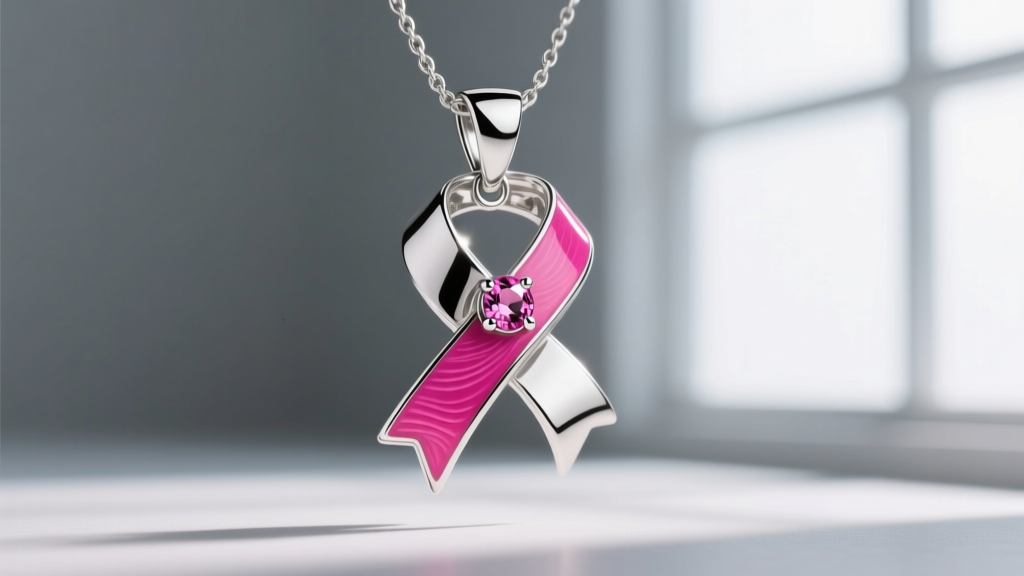
When the ribbon itself is formed from gemstones, or when a pendant features a central pink stone, hardness is critical. Pink Sapphire (Mohs 9) is the premier choice for daily wear, offering exceptional scratch resistance and brilliant light refraction. Rhodochrosite and Rose Quartz (Mohs 7) are popular for their softer, opaque pink bands and lower price points, but they are prone to micro-abrasions and can become cloudy if cleaned with ultrasonic jewelry cleaners. Always opt for bezel settings over prong settings for gemstone ribbon pendants, as the bezel protects the stone's girdle from chipping against zippers or buttons.
Chain Mechanics and Clasp Engineering
A pendant is only as secure as the chain and clasp holding it. For a piece meant to be worn every day in honor of the American Cancer Society's survivorship guidelines, mechanical failure is not an option. Avoid delicate cable chains (often 0.8mm or thinner) which can easily kink or snap under the weight of a solid metal pendant. Instead, look for box chains or rolo chains in the 1.2mm to 1.5mm thickness range. These link styles distribute weight evenly and resist tangling. Furthermore, insist on a lobster clasp rather than a spring-ring clasp. Lobster clasps feature a solid, one-piece body and a stronger internal spring mechanism, drastically reducing the risk of accidental unclasping during sleep or physical activity.
Final Verdict: Choosing Your Survivor’s Pendant
Selecting the right breast cancer ribbon necklace requires balancing budget, aesthetic preference, and dermatological safety. For those prioritizing absolute biocompatibility and a modern, lightweight feel, Grade 23 Titanium is unmatched. If you seek a traditional, luxurious heirloom piece that can be passed down through generations, 14K or 18K Rose Gold with vitreous enamel or a bezel-set pink sapphire offers unparalleled beauty and prestige. For everyday, budget-friendly awareness, a rhodium-plated 925 Sterling Silver piece on a sturdy box chain provides excellent value. By understanding the metallurgical realities behind these materials, you can choose a symbol of hope that will endure the test of time, honoring the resilience of the survivor it represents.


