Beginner Guide: How to Style a Heart Black Necklace
Discover how to choose, style, and care for a heart black necklace. Learn about onyx, enamel, and black rhodium in this beginner-friendly jewelry guide.

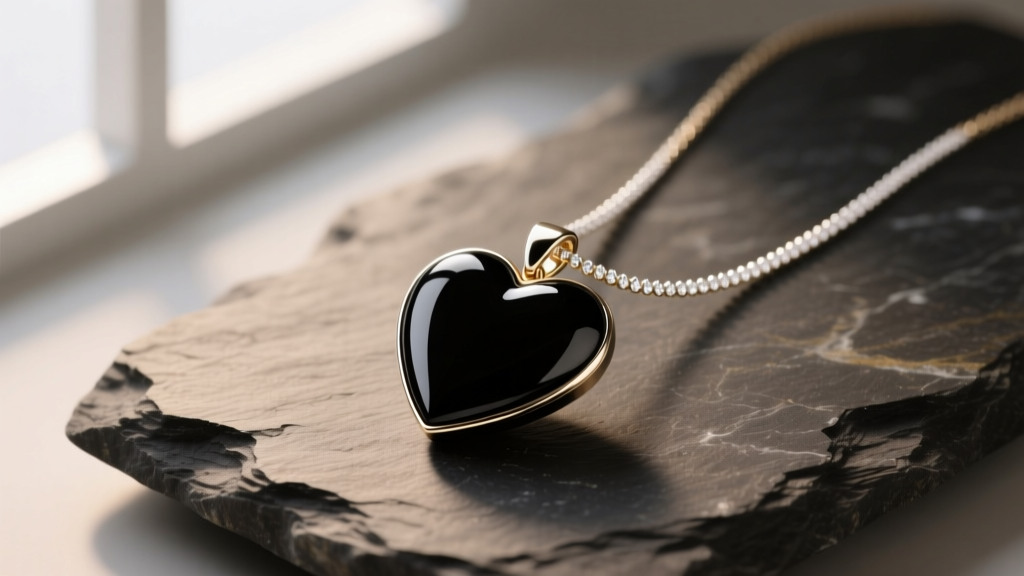
As we navigate the jewelry trends of 2026, the 'gothic romance' and 'dark coquette' aesthetics have pushed the heart black necklace from a niche subculture piece to a mainstream wardrobe staple. Whether you are drawn to the moody elegance of black onyx, the glossy finish of black enamel, or the edgy appeal of black rhodium, a dark heart pendant offers a striking contrast to traditional fine jewelry. However, for beginners, navigating the different materials, chain pairings, and care requirements can be overwhelming.
This comprehensive guide breaks down everything you need to know about choosing, styling, and maintaining a heart black necklace, ensuring your investment remains as captivating as the day you bought it.
Decoding the Materials: What Makes the Heart Black?
Not all black necklaces are created equal. The term 'heart black necklace' encompasses several distinct materials, each with unique properties, price points, and durability factors. Understanding these differences is the first step to making an informed purchase.
Black Onyx and Gemstones
Black onyx is a variety of chalcedony (quartz) that is prized for its deep, opaque, and glossy black appearance. According to the Gemological Institute of America (GIA), most black onyx on the market is treated or dyed agate, as naturally occurring pure black onyx is exceptionally rare. It ranks at 6.5 to 7 on the Mohs hardness scale, making it highly resistant to scratches and ideal for everyday wear. For a more luxurious option, natural black diamonds (carbonado) offer a Mohs hardness of 10, though they come with a significantly higher price tag and a more textured, less uniform appearance.
Black Enamel and Resin
Enamel is essentially powdered glass fused to metal. Vitreous enamel is fired in a kiln at temperatures exceeding 1400°F, resulting in a durable, scratch-resistant, and brilliantly glossy black finish. Conversely, cold enamel (often found in budget-friendly pieces) is actually an epoxy resin. While cold enamel can look identical to vitreous enamel upon first glance, it is highly susceptible to scratching, yellowing, and chipping over time. Always check the product specifications to confirm whether the heart black necklace uses fired vitreous enamel or cold resin.
Black Rhodium and Oxidized Silver
If you prefer an all-metal look without gemstones, black rhodium is the premier choice. Rhodium is a platinum-group metal, and when alloyed with ruthenium, it creates a dark, gunmetal-black plating. This plating is typically applied over sterling silver or white gold. While stunning, black rhodium is a surface treatment; it will eventually wear off with friction and exposure to skin oils, requiring replating every 1 to 3 years. Oxidized silver is a more permanent alternative, where the silver is intentionally tarnished using sulfur compounds and then polished to leave dark patina in the crevices of the heart design.
| Material | Mohs Hardness | Avg Price Range | Maintenance Level |
|---|---|---|---|
| Black Onyx | 6.5 - 7.0 | $40 - $150 | Low |
| Vitreous Enamel | 5.0 - 6.0 | $80 - $250 | Medium (Avoid impacts) |
| Black Rhodium | N/A (Plating) | $60 - $200 | High (Replating needed) |
| Black Diamond | 10.0 | $300 - $1000+ | Low |
Identifying Quality: What to Look For Before Buying
When shopping for a heart black necklace, especially online, you must look beyond the product photos. Here is a quick quality-check framework for beginners:
- Stone Backing: If buying onyx, hold it up to a strong light. True onyx is opaque. If light passes through, you are likely looking at black glass or dyed quartz.
- Enamel Edges: Examine the bezel (the metal rim holding the enamel). High-quality vitreous enamel will sit perfectly flush with the metal. If the enamel is domed or sits above the bezel, it is likely cold resin.
- Hallmarks: For black rhodium pieces, ensure the underlying metal is stamped. Look for '925' (sterling silver) or '14K' / '18K' (gold). Avoid pieces that simply say 'metal alloy' if you want to prevent nickel allergies and green skin.
Chain Lengths and Proportions for Dark Pendants

Black pendants absorb light rather than reflecting it. Because of this visual weight, a heart black necklace requires careful consideration regarding chain length and metal color to ensure it doesn't look like a floating void against your outfit.
The Contrast Rule
A black heart pendant pops most dramatically against high-contrast metals. A black onyx heart on a bright 14k yellow gold or rose gold chain creates a striking, vintage-inspired contrast. If you choose a white gold or sterling silver chain, the contrast is lower, yielding a more subtle, modern, and cohesive 'dark metal' aesthetic.
Choosing the Right Length
- 16-Inch Choker: Sits snugly at the base of the neck. Best for off-the-shoulder tops or deep V-necks where the pendant can rest directly on bare skin.
- 18-Inch Princess: The most versatile length. The heart pendant will sit just below the collarbone, making it perfect for everyday wear with crew necks and casual blouses.
- 20 to 24-Inch Matinee: Drops to the cleavage line or upper chest. This length is ideal for layering over turtlenecks or wearing as a statement piece over dark, monochromatic clothing.
Neckline Pairings: The Beginner’s Framework
Styling a heart black necklace is all about framing the pendant within the negative space of your clothing. Use this framework to match your necklace to your neckline:
- The V-Neck: An 18-inch chain with a medium-sized black heart pendant perfectly mimics and elongates the V-shape of the neckline, drawing the eye downward.
- The Square Neck: Opt for a 16-inch choker length. The geometric rigidity of the square neckline contrasts beautifully with the soft curves of the heart pendant sitting in the center negative space.
- The Crew Neck / Turtleneck: Avoid short chains that will tangle with the fabric collar. Use a 22-inch chain to let the black heart rest on the fabric, acting as a bold focal point that breaks up large blocks of solid-colored clothing.
Caring for Dark Finishes and Stones
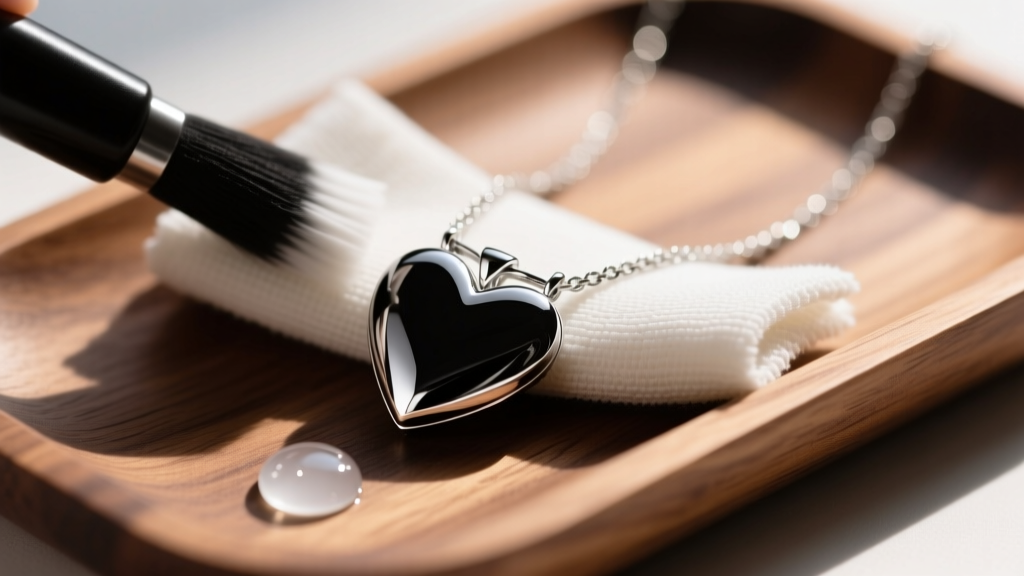
Maintaining the deep black hue of your necklace requires specific care protocols. The biggest mistake beginners make is treating all jewelry the same way. According to guidelines from Jewelers of America, different materials react drastically differently to standard cleaning methods.
What to Avoid
Never use ultrasonic cleaners on a heart black necklace if it features cold enamel or black rhodium plating. The high-frequency vibrations will shatter resin enamel and strip the black rhodium right off the underlying silver. Furthermore, avoid steam cleaners, as sudden temperature changes can cause internal fractures in treated black onyx.
The Safe Cleaning Method
- Mix a few drops of mild, phosphate-free dish soap (like Dawn) into a bowl of lukewarm water.
- Submerge the necklace for 3 to 5 minutes to loosen body oils and lotions.
- Use an extra-soft baby toothbrush to gently sweep around the bail (the loop where the chain connects) and the bezel settings.
- Rinse under lukewarm running water and pat dry immediately with a lint-free microfiber cloth.
Storage Best Practices
Black rhodium and oxidized silver can be scratched by harder gemstones. Always store your heart black necklace in a soft flannel pouch or a dedicated compartment in your jewelry box. If you live in a high-humidity environment, include a silica gel packet in your jewelry box to prevent the underlying silver from tarnishing and pushing through the black rhodium plating.
Final Thoughts
A heart black necklace is more than just a trendy accessory; it is a versatile anchor piece that bridges the gap between romantic silhouettes and modern, edgy aesthetics. By understanding the material composition—whether you choose the enduring hardness of black onyx, the artisanal gloss of vitreous enamel, or the sleek modernity of black rhodium—you can make a purchase that aligns with your lifestyle and maintenance preferences. Pay attention to chain lengths, leverage the contrast of your metals, and adhere to gentle cleaning practices to ensure your dark heart pendant remains a staple in your wardrobe for years to come.


