The Ultimate Guide to Choosing a Sagittarius Birthstone Necklace
Discover how to choose, style, and care for a Sagittarius birthstone necklace. Learn about turquoise grades, metal pairings, and chain lengths.

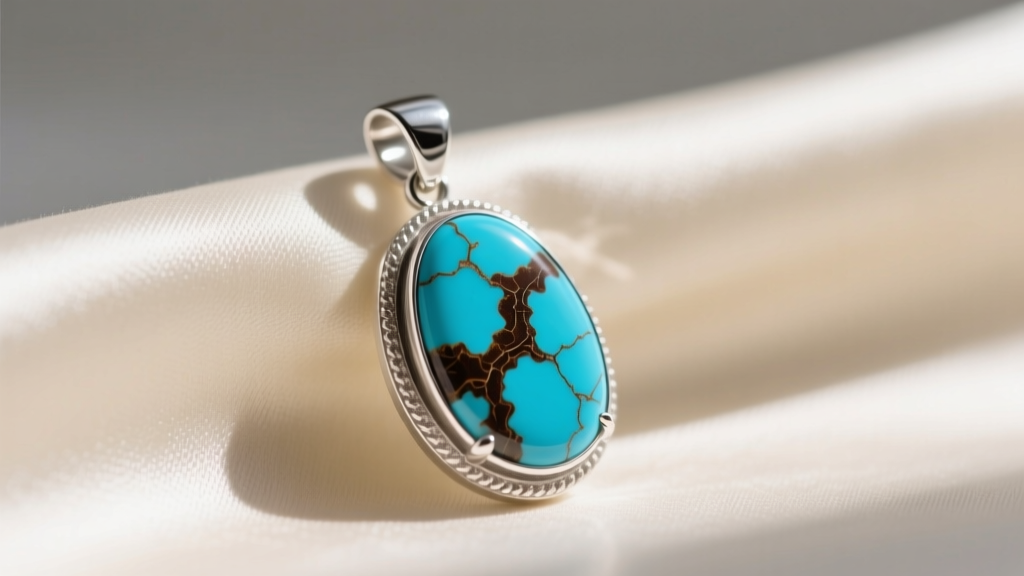
The Core Identity of the Sagittarius Birthstone
Born between November 22 and December 21, Sagittarius individuals are known for their adventurous spirit, optimism, and love for freedom. When it comes to jewelry, the traditional and most widely recognized sagittarius birthstone necklace features turquoise. This ancient gemstone has been prized for thousands of years, revered by cultures from the Persian Empire to the Native American tribes of the Southwest. According to the American Gem Trade Association (AGTA), turquoise is the definitive December birthstone, sharing the month with tanzanite and zircon. However, turquoise remains the undisputed favorite for Sagittarius pendants due to its rich, earthy aesthetic that perfectly mirrors the sign's grounded yet wandering nature.
Choosing the right turquoise necklace requires more than just picking a pretty blue stone. Because turquoise is a relatively soft and porous gemstone, understanding its treatments, origins, and structural integrity is crucial for making an investment that lasts. This beginner-friendly guide will walk you through the exact specifications, material grades, and styling frameworks you need to select the perfect piece.
Decoding Turquoise: Natural vs. Stabilized
The most common point of confusion for beginners shopping for a sagittarius birthstone necklace is the difference between natural and stabilized turquoise. On the Mohs scale of mineral hardness, turquoise ranks between 5 and 6, making it softer than quartz and highly susceptible to scratching, cracking, and color alteration from skin oils and cosmetics.
Stabilized Turquoise (The Industry Standard)
Over 90% of the turquoise on the commercial jewelry market is stabilized. This is not a "fake" or a scam; it is a necessary lapidary process. Stabilization involves submerging the porous stone in a clear epoxy resin or polymer under pressure. This hardens the stone, making it durable enough to be cut into cabochons and set into jewelry without shattering. It also locks in the vibrant blue or green color, preventing it from turning brown or green over time due to oxidation and oil absorption. When buying a daily-wear pendant, high-quality stabilized turquoise is often the most practical choice.
Natural, Untreated Turquoise (The Collector's Grade)
Natural turquoise has not been treated with any resins or dyes. It is rare, highly valuable, and usually sourced from specific, now-closed mines like Sleeping Beauty in Arizona or Lander Blue in Nevada. Untreated turquoise will naturally patina and change color over decades of wear, absorbing the oils of the wearer. While romantic, it requires meticulous care and is best reserved for occasional wear or heirloom pieces.
Reconstituted and Dyed Stones (What to Avoid)
Reconstituted turquoise is made from turquoise dust and scraps mixed with epoxy and pressed into blocks. Dyed howlite or magnesite are white stones chemically colored to mimic turquoise. Both lack the structural integrity and spiritual resonance of genuine turquoise and should be avoided when shopping for a meaningful birthstone gift.
The Matrix: Reading the Veins
The "matrix" refers to the host rock that is visible within the turquoise. A highly sought-after pattern is the "spiderweb matrix," where the host rock forms a delicate, intricate net across the stone. Black, brown, or golden matrix patterns add incredible character to a pendant. Stones with no matrix are called "clear" or "pure" and are generally more expensive, provided the color is a deep, even robin's-egg blue.
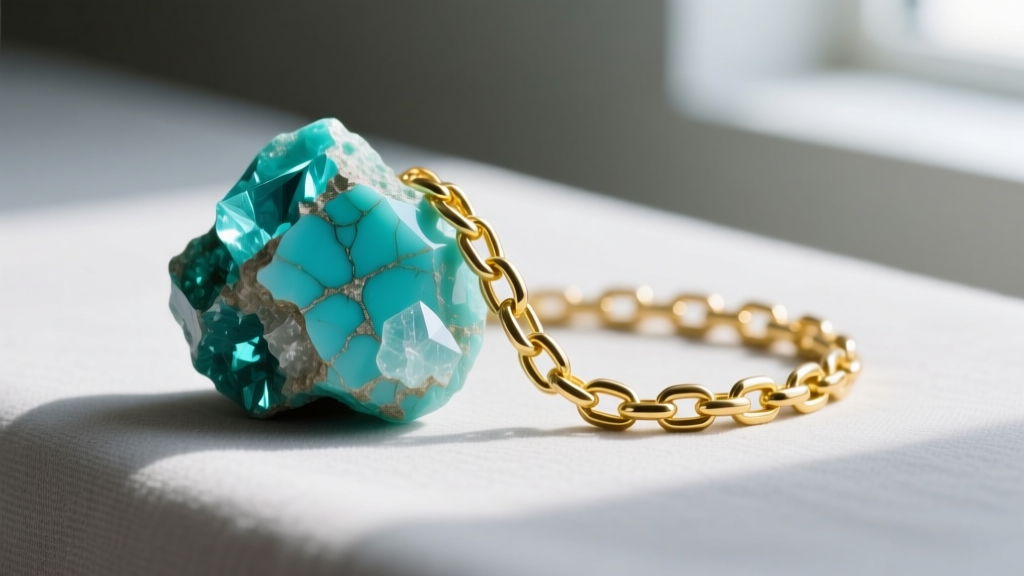
Alternative Sagittarius Stones: Tanzanite and Blue Topaz
While turquoise is the classic choice, modern gemology offers alternatives for those seeking a different aesthetic or higher durability for an active lifestyle. The Gemological Institute of America (GIA) notes that December actually boasts three official birthstones. Here is how they compare for pendant settings:
| Gemstone | Mohs Hardness | Cleavage / Durability | Avg. Price (1-2 Carat Pendant) | Best Metal Pairing |
|---|---|---|---|---|
| Turquoise | 5.0 - 6.0 | Porous, no cleavage, prone to scratching | $80 - $400 | Sterling Silver, 14k Yellow Gold |
| Tanzanite | 6.5 - 7.0 | Perfect cleavage (can chip if struck) | $300 - $1,200 | 14k or 18k White Gold, Platinum |
| Blue Topaz | 8.0 | Perfect cleavage, but highly scratch-resistant | $50 - $250 | 14k White Gold, Sterling Silver |
Note: If you choose Tanzanite or Blue Topaz, ensure the pendant features a bezel or heavy prong setting to protect the girdle of the stone from hard impacts, as both possess perfect cleavage planes.
Choosing the Right Chain and Metal Hardware
The hardware of your sagittarius birthstone necklace dictates its longevity. Turquoise is traditionally set in sterling silver, but modern designs frequently utilize gold for a striking contrast.
- Sterling Silver (925): The classic pairing. The cool, bright tone of silver enhances the blue hues of turquoise. Ensure the silver is rhodium-plated to prevent tarnishing, which can transfer to porous, untreated stones.
- 14k Yellow Gold: Provides a warm, luxurious contrast to the cool blue stone. Ideal for bohemian or vintage-inspired designs. Avoid gold-plated brass, as the plating will eventually wear off and the brass will react with the skin.
- Chain Gauge and Style: For pendants weighing between 3 and 10 grams, a 1.2mm to 1.5mm chain is ideal. Box chains and rope chains offer the best structural integrity and resist kinking. Avoid delicate cable chains (under 0.9mm) as they will snap under the weight of a stone cabochon.
- Clasp Type: Always opt for a lobster clasp over a spring-ring clasp. Lobster clasps have a stronger internal spring and are much easier to secure with one hand.
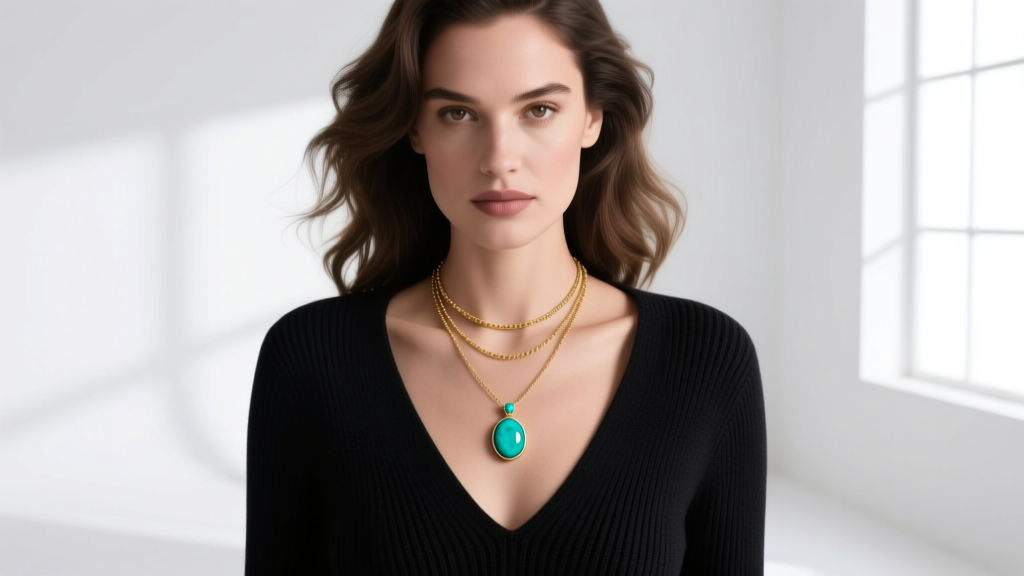
Sizing and Neckline Pairings
The visual impact of a birthstone pendant relies heavily on chain length and how it interacts with your wardrobe. Sagittarius pendants often feature larger, statement-sized cabochons or raw nuggets, making length selection critical.
16-Inch Choker: Sits snugly at the base of the neck. Best for smaller, delicate turquoise pendants (under 15mm). Pairs well with boat necks and off-the-shoulder tops. Avoid this length for heavy nugget pendants, as they will sit awkwardly on the collarbone.
18-Inch Princess: The universal standard. The pendant rests just below the collarbone, perfectly framing the face. This length is ideal for medium-sized cabochons and works seamlessly with crew necks, V-necks, and button-down shirts.
20 to 24-Inch Matinee: Rests on the upper chest. This is the premier length for large, heavy turquoise statement pieces and raw nuggets. It complements deep V-necks, turtlenecks, and bohemian layering styles. When layering, pair a 22-inch turquoise pendant with a 16-inch and 18-inch delicate gold or silver chain for a textured, curated look.
Care and Maintenance for Porous Gems
Proper maintenance is non-negotiable for turquoise. The GIA's care guidelines explicitly warn against using harsh chemicals, ultrasonic cleaners, or steam cleaners on turquoise, as these will strip the stone's polish, degrade stabilization resins, and cause irreversible discoloration.
The Golden Rule of Turquoise Care: Always put your birthstone necklace on after applying perfumes, lotions, and hairsprays. Remove it before swimming in chlorinated pools or doing household chores. When cleaning, use only a soft, damp microfiber cloth or a very soft-bristled brush with mild, unscented soap and lukewarm water. Dry immediately.
Pricing Tiers: What to Expect in 2026
Understanding the market value prevents overpaying for treated stones or underestimating rare specimens. As of 2026, the pricing for a quality sagittarius birthstone necklace generally falls into three distinct tiers:
1. Entry-Level ($40 - $120): Features stabilized turquoise, often sourced from China or South America, set in 925 sterling silver. The stones will have a uniform color but may lack intricate matrix patterns. Excellent for everyday, worry-free wear.
2. Mid-Range ($150 - $500): Includes high-grade domestic stabilized turquoise (like Kingman or Royston) or smaller natural stones, set in solid 14k gold or heavy silver bezels. You will see beautiful spiderweb matrices and superior lapidary cutting in this tier.
3. Investment / Collector ($600 - $2,500+): Reserved for rare, untreated natural turquoise from legendary closed mines (e.g., Bisbee, Number 8, Lander Blue). These pieces feature custom, hand-fabricated settings in 18k or 22k gold and are considered wearable art and financial investments.
By understanding the nuances of stabilization, matrix patterns, and structural hardware, you can confidently select a Sagittarius birthstone necklace that is not only astrologically meaningful but also a durable, stylish staple for decades to come.


