Santeria Necklaces Guide: Understanding Elekes, Beads & Orishas
Discover what to look for when seeking Santeria necklaces. Learn about authentic Elekes, Orisha bead colors, materials, and cultural respect.

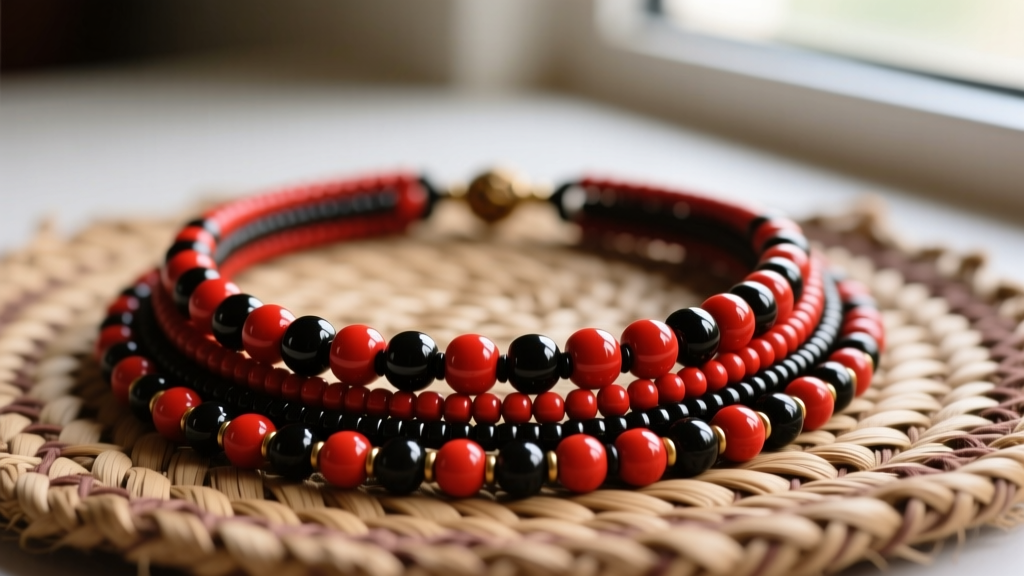
When searching for Santeria necklaces, buyers often encounter a complex intersection of vibrant Afro-Cuban artistry and deeply sacred religious tradition. In the Lukumi faith (commonly known as Santería or Regla de Ocha-Ifá), these necklaces are not mere fashion accessories or "boho-chic" layering pieces. They are known as Elekes or Collares, and they serve as spiritual shields, physical representations of the Orishas (deities), and markers of religious initiation.
This comprehensive buying guide will help you distinguish between mass-produced cultural appropriation and authentic religious artifacts. Whether you are a practitioner seeking high-quality materials for your Godchildren, a researcher studying Afro-Caribbean material culture, or an admirer of traditional beadwork, understanding the exact specifications of Elekes is crucial.
The Sacred Distinction: Fashion vs. Authentic Elekes
The commercialization of indigenous and diasporic religions has led to a flood of "Santeria-inspired" beaded necklaces on fast-fashion sites. These mass-market items often use incorrect color ratios, plastic beads, and wire stringing. According to the Encyclopedia Britannica, Santería is a syncretic religion blending Yoruba traditions with Roman Catholicism, and its material culture is governed by strict liturgical rules.
An authentic Eleke is crafted with specific intentions, color sequences, and materials. More importantly, an unconsecrated necklace is simply a string of beads. It only becomes an Eleke after a rigorous consecration ceremony (Lavamento) performed by an initiated priest or priestess (Olorisha). Therefore, you cannot technically "buy" a consecrated Santeria necklace; you receive it from your spiritual Godparents (Madrina or Padrino) during your initiation as an Iyawo (novice).
Understanding the Core Orishas and Bead Patterns
The foundation of any Santeria necklace is its color pattern, which corresponds to a specific Orisha. The sequence of beads is not random; it is a mathematical and spiritual code. Below is a reference chart for the five primary Orishas received during the initial Elekes ceremony.
| Orisha | Primary Colors | Bead Pattern Sequence | Domain & Attributes |
|---|---|---|---|
| Eleguá | Red and Black | Alternating 1 red, 1 black (or specific multiples based on the path) | Crossroads, beginnings, endings, messenger |
| Obatalá | White | All white (sometimes with a single coral or purple bead for specific paths) | Peace, purity, wisdom, the mind |
| Yemayá | Blue and White | Alternating 7 blue, 7 white (or 5 and 5 depending on the lineage) | The ocean, motherhood, protection |
| Shangó | Red and White | Alternating 6 red, 6 white (or 4 and 4) | Thunder, fire, justice, dance |
| Oshún | Yellow and Gold | All yellow, amber, or gold (sometimes with coral accents) | Rivers, love, fertility, wealth |
The Importance of the Clasp and Knotting
Authentic Elekes do not use metal clasps. They are tied together with a specific sliding knot or a traditional square knot that allows the necklace to be adjusted and, crucially, to break under extreme spiritual or physical duress. In the Lukumi tradition, if an Eleke breaks, it is believed to have absorbed a negative energy or spiritual attack meant for the wearer. Metal clasps and crimp beads are strictly avoided as they alter the energetic conductivity of the piece.
Material Guide: What to Look For in Quality Beads
If you are sourcing materials to have an Eleke made by a traditional artisan, or evaluating the quality of a Botánica's inventory, the physical materials must meet strict standards. Plastic, resin, and painted wood are generally considered disrespectful for the primary Orisha necklaces.
- Czech Glass Seed Beads: The gold standard for Santeria necklaces is Czech glass, particularly from the Preciosa brand. These beads are prized for their uniform size, vibrant opacity, and historical tie to the transatlantic trade routes that influenced Yoruba beadwork.
- Bead Sizes (Gauge): Artisans typically use Size 8/0 (approx. 3.2mm) or Size 11/0 (approx. 2.2mm) seed beads. Size 8/0 is preferred for its durability and weight, giving the necklace a substantial, high-quality drape that sits correctly on the collarbone.
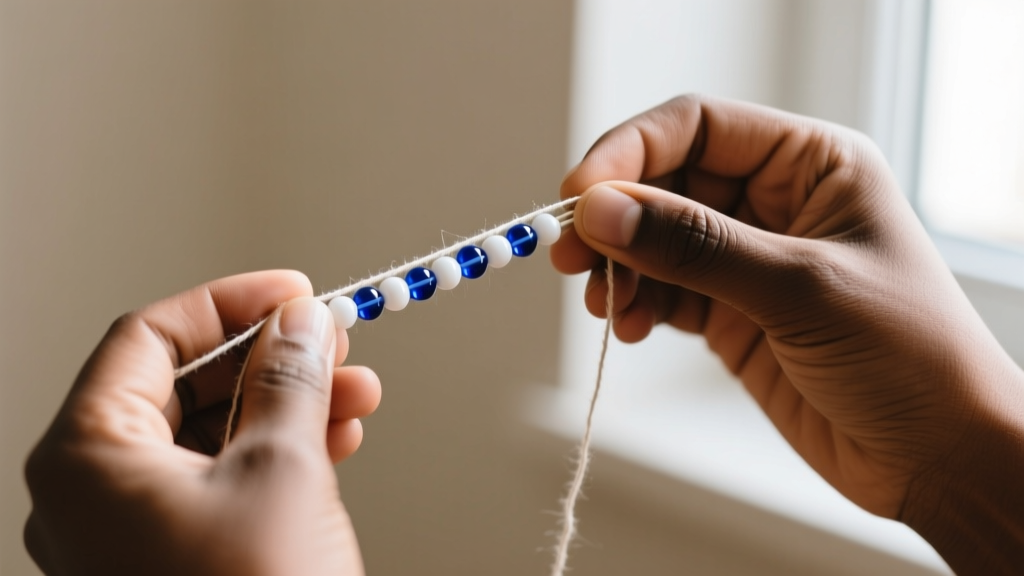
- Stringing Material: Heavy-duty nylon thread (like C-Lon or Silamide) or 100% cotton thread is required. The thread must be flexible. Wire stringing is forbidden, as it prevents the necklace from breaking when it needs to protect the wearer.
- Accent Beads: For specific paths (caminos) of the Orishas, artisans may incorporate genuine coral, amber, or cowrie shells. Synthetic imitations of these organic materials should be avoided.
The Consecration Process: Why You Cannot "Buy" an Eleke
It is vital to understand the legal and spiritual protections surrounding these items. The landmark US Supreme Court case, Church of Lukumi Babalu Aye v. City of Hialeah, affirmed the constitutional rights of Santería practitioners to exercise their religious traditions free from targeted municipal bans. This legal recognition underscores that Elekes are protected religious sacraments, not commercial commodities.
When an Olorisha crafts an Eleke, they must follow strict protocols: they cannot be interrupted, they must maintain a state of spiritual cleanliness, and the beads must be washed in Omiero (a sacred herbal infusion). If a shop is selling "pre-consecrated" Santeria necklaces online, they are likely engaging in a scam or a profound violation of religious ethics. You can only buy the materials or an unconsecrated collar; the spiritual activation must happen in person within your religious lineage.
How to Support Authentic Artisans and Botánicas
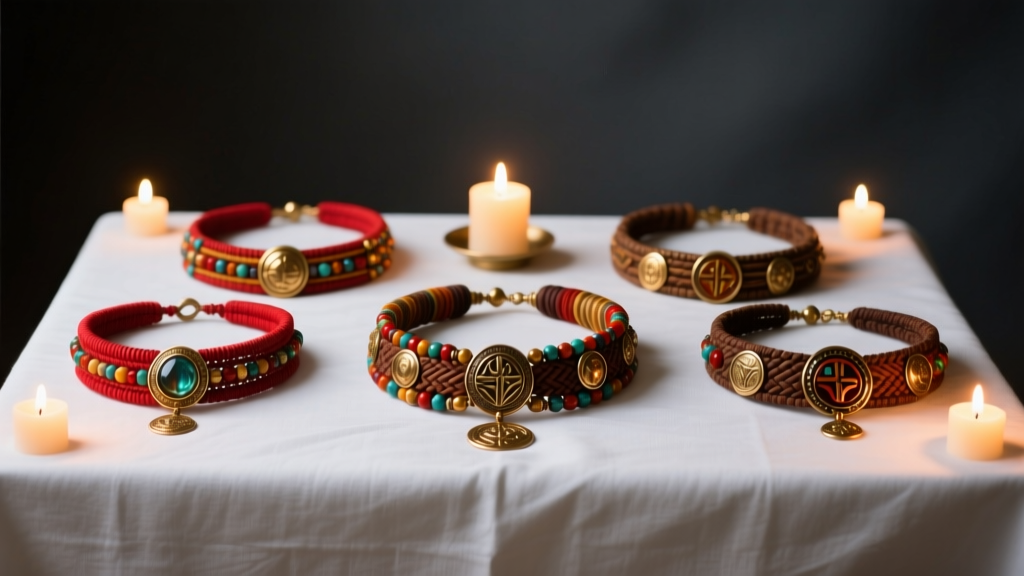
If you are looking to purchase high-quality, unconsecrated collares to be blessed later by your Godparents, you must know where to look. Avoid tourist-focused souvenir shops in Havana or Miami that sell elastic-strung plastic beads. Instead, seek out reputable Botánicas or specialized religious artisans.
What to look for in a reputable Botánica:
- Inventory Depth: A true Botánica will carry raw materials—spools of C-Lon thread, jars of loose Czech glass beads, and natural cowrie shells—alongside finished pieces.
- Pattern Accuracy: Test the shop's knowledge. If you ask for a Yemayá necklace and they hand you one with alternating green and yellow beads (which belong to Orunmila or Oshún's specific paths, not standard Yemayá), they are selling fashion jewelry, not religious supplies.
- Community Ties: The best artisans are usually embedded within the local Olorisha community. Word-of-mouth recommendations from your own religious house (Ilé) are always superior to online searches.
Care and Maintenance of Consecrated Collares
Once you have received your Elekes through the proper religious channels, maintaining them requires adherence to traditional taboos. Because they are considered living spiritual entities, they must be treated with reverence.
"The Eleke is the first line of defense for the Olorisha. It rests over the heart and the throat, guarding the life force and the voice. To mistreat the beads is to invite vulnerability." — Traditional Lukumi Proverb
Rules for wearing and storing your Elekes:
- Removal: You must remove your Elekes before sleeping, bathing, swimming, or engaging in sexual activity. Water (especially chlorinated or salt water) can degrade the cotton or nylon thread over time, while sleeping can cause them to tangle and snap.
- Storage: When not worn, they should be stored in a clean, elevated place, often wrapped in white cloth or placed on your spiritual altar (Boveda). They should never be thrown into a pocket or left on the floor.
- Handling: Do not let others touch your consecrated necklaces. They are tuned to your specific spiritual energy (Aché), and outside handling can introduce conflicting energies.
By understanding the profound material and spiritual requirements of Santeria necklaces, you move beyond superficial aesthetics and develop a deep respect for one of the most vibrant and resilient religious traditions in the Americas. Whether you are sourcing Size 8/0 Czech glass for your Ilé or studying the syncretic history of the diaspora, always prioritize authenticity, respect, and religious integrity.


