Emerald Necklace Massachusetts: 2026 Value & Buyer's Guide
Discover our 2026 value assessment for buying an emerald necklace in Massachusetts. Compare pricing tiers, local jewelers, and grading tips.

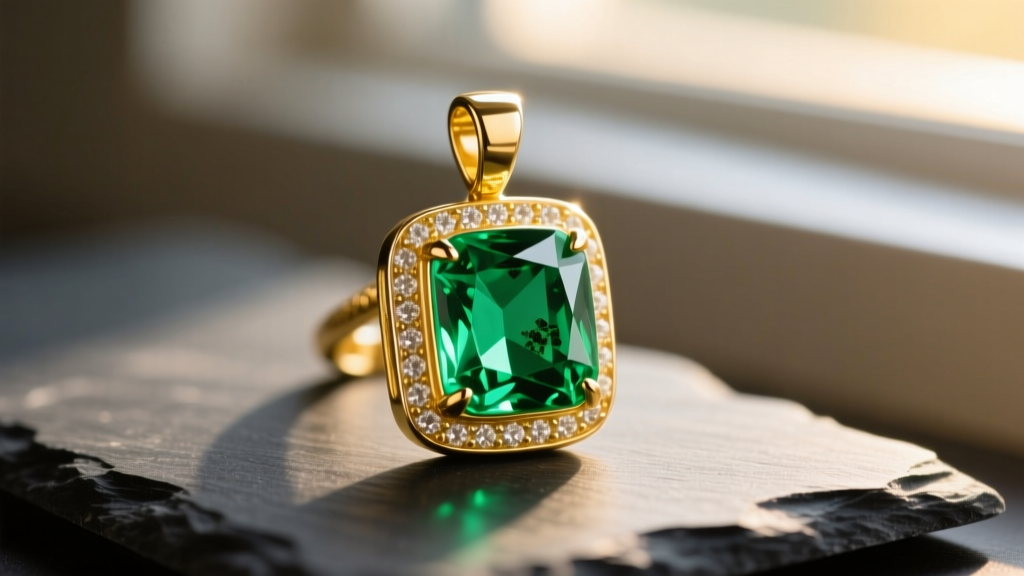
The Massachusetts Emerald Market: Navigating Value in 2026
Searching for an emerald necklace massachusetts buyers guide requires more than just browsing local display cases; it demands a rigorous understanding of gemological value, regional pricing disparities, and structural durability. The New England jewelry market is uniquely positioned, blending historic estate pieces from Boston’s Downtown Crossing with high-end contemporary imports. However, this diversity also creates a landscape where uneducated buyers can easily overpay for heavily treated stones or poorly constructed settings. As of 2026, the wholesale cost of high-grade Colombian emeralds has continued its upward trajectory, making local value assessment a critical skill for any serious collector or gift buyer.
Whether you are shopping for a delicate solitaire pendant in Cambridge or hunting for an Art Deco emerald and diamond lavaliere at an estate sale in Newburyport, understanding the intersection of the 4Cs, treatment disclosures, and regional market premiums is essential. This guide provides a comprehensive budget and value assessment tailored specifically to the Massachusetts jewelry landscape, ensuring your investment retains both its financial and aesthetic worth.
Decoding Emerald Value: The Massachusetts Market Standard
Unlike diamonds, where clarity is paramount, emeralds are valued primarily for their color saturation and tone. The Gemological Institute of America (GIA) notes that the most prized emeralds exhibit a bluish-green to pure green hue with vivid saturation. However, the true differentiator in value—and the most common pitfall for buyers in New England retail shops—is the level of clarity enhancement.
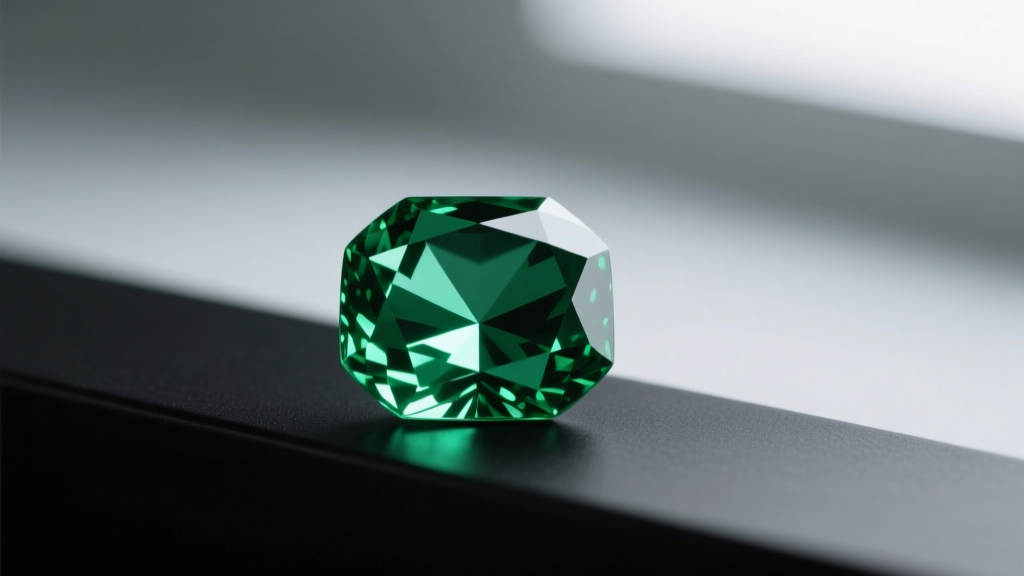
The Treatment Spectrum: Oil vs. Resin
Virtually all natural emeralds possess surface-reaching fractures, known in the trade as jardin. To improve clarity, these fractures are filled. The material used for this filling dictates the stone's market value and long-term stability.
- Minor Oil (Cedar Oil): The traditional and most accepted treatment. It is temporary and requires occasional re-oiling by a professional jeweler. Stones with 'minor' or 'faint' oil command premium prices.
- Moderate to Significant Oil: Heavily reliant on oil to maintain structural integrity. These stones are significantly cheaper and prone to clouding if exposed to heat or ultrasonic cleaners.
- Polymer/Resin Fillers (Opticon): A modern, permanent synthetic filler. While it stabilizes the stone, the Federal Trade Commission (FTC) mandates strict disclosure of these treatments. Resin-filled emeralds should trade at a steep discount compared to oil-treated equivalents.
Expert Insight: When evaluating an emerald pendant in a Boston boutique, always request a lab report from GIA, AGL, or Gübelin. If a jeweler relies solely on an in-house appraisal card without specifying the exact treatment level (e.g., 'F1 Minor Oil' vs. 'F3 Resin'), walk away.
2026 Pricing Tiers for Emerald Pendants in New England
To accurately assess value, we must categorize the market into distinct pricing tiers. The following table reflects the 2026 retail pricing landscape for emerald pendants (excluding the chain) across reputable Massachusetts jewelers, factoring in local overhead and regional demand.
| Value Tier | Carat & Origin | Clarity & Treatment | Setting Material | Est. MA Retail Price (2026) |
|---|---|---|---|---|
| Budget / Entry | 0.50 - 1.0 ct (Zambian or Lab-Created) | Heavily Included / Moderate Oil or Synthetic | 10k or 14k Yellow Gold | $600 - $1,800 |
| Mid-Range / Fine | 1.2 - 2.5 ct (Colombian or Brazilian) | Eye-Clean / Minor Traditional Oil | 14k or 18k Gold, Diamond Halo | $3,500 - $8,500 |
| Investment / Estate | 3.0+ ct (Muzo or Chivor Mine Origin) | Translucent / Faint to No Oil | Platinum or 18k Gold, Art Deco | $15,000 - $45,000+ |
Where to Shop: Assessing Local MA Jewelers vs. Estate Sales
Massachusetts offers distinct avenues for purchasing emerald necklaces, each with its own value proposition and risk profile. Knowing where to direct your budget is half the battle.
Boston’s Jewelers’ Building and Downtown Crossing
Located at 333 Washington Street, Boston’s historic Jewelers’ Building remains a hub for independent gemologists and custom bench jewelers. Shopping here often yields better value than suburban mall jewelers because you are dealing directly with wholesalers and master setters. You can often negotiate the setting of a loose, certified emerald into a custom bezel pendant, saving 15-20% compared to buying pre-set inventory.
The North Shore and Cape Cod Estate Markets
Estate jewelry shops in towns like Newburyport, Salem, and Sandwich offer incredible opportunities for acquiring vintage emerald lockets and Art Deco pendants. The value here lies in the craftsmanship and the historical provenance of the piece. However, buyers must be wary of 'tourist trap' antique malls that sell foil-backed synthetic emeralds from the 1920s-1950s as natural stones. Always carry a portable Chelsea color filter or request a portable spectrometer test when shopping unverified estate sales.
Chain Pairings & Setting Durability for Everyday Wear
Emeralds rank between 7.5 and 8 on the Mohs hardness scale, but their high inclusion count makes them notoriously brittle. A sharp impact against a granite countertop can easily cleave an emerald in half. Therefore, the structural design of the pendant and the gauge of the chain are critical components of the necklace's overall value and longevity.
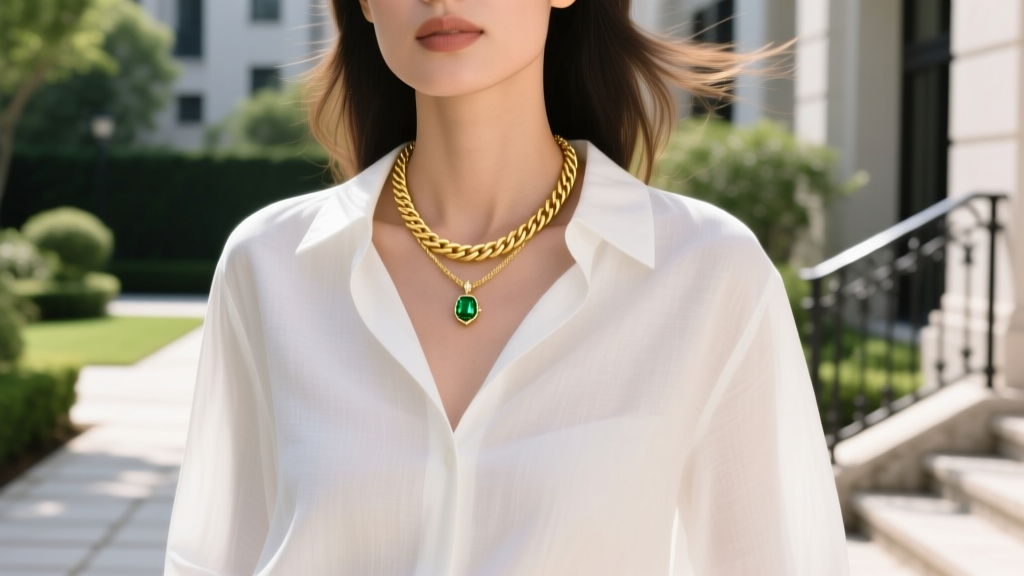
Bezel vs. Prong Settings
While traditional four-prong settings allow maximum light return, they leave the vulnerable corners of an emerald-cut stone completely exposed. For a necklace intended for regular wear, a full bezel setting or a rub-over setting is non-negotiable. A bezel encases the girdle of the stone in a rim of gold or platinum, absorbing lateral shocks that would otherwise shatter the gem. If you prefer a prong setting, ensure it is a V-prong design specifically engineered to cap the corners.
Selecting the Right Chain Gauge
The chain must be proportionate to the pendant's weight, but it must also withstand the dynamic stress of daily movement. Avoid delicate cable chains under 0.9mm in thickness, as the links will stretch and eventually snap under the weight of a solid gold and emerald pendant.
- 1.2mm - 1.5mm Box Chains: Excellent structural integrity, smooth against the skin, and ideal for 1 to 2-carat emerald pendants.
- 1.5mm Rope Chains: Highly durable due to their twisted link structure, offering a vintage aesthetic that pairs beautifully with estate emerald pieces.
- Clasp Mechanics: Always upgrade standard spring-ring clasps to a lobster claw or a specialized locking mechanism. A $5,000 emerald pendant should never dangle from a $15 spring-ring clasp.
Final Verdict: Maximizing Your Budget
Securing a high-value emerald necklace in Massachusetts requires a disciplined approach. Prioritize color saturation and minimal oil treatments over sheer carat weight. A deeply saturated, 1-carat Colombian emerald with minor oil will not only outshine a 3-carat heavily included, resin-treated stone, but it will also hold its resale value significantly better in the New England secondary market. Always demand third-party lab certification, insist on protective bezel settings, and leverage Boston’s independent bench jewelers to build a piece that is both structurally sound and financially astute.


