Cheer Necklace Materials: A Durability & Style Guide
Discover the best materials for a custom cheer necklace. Compare silicone, acrylic, and titanium for sweat resistance, safety, and sideline style.

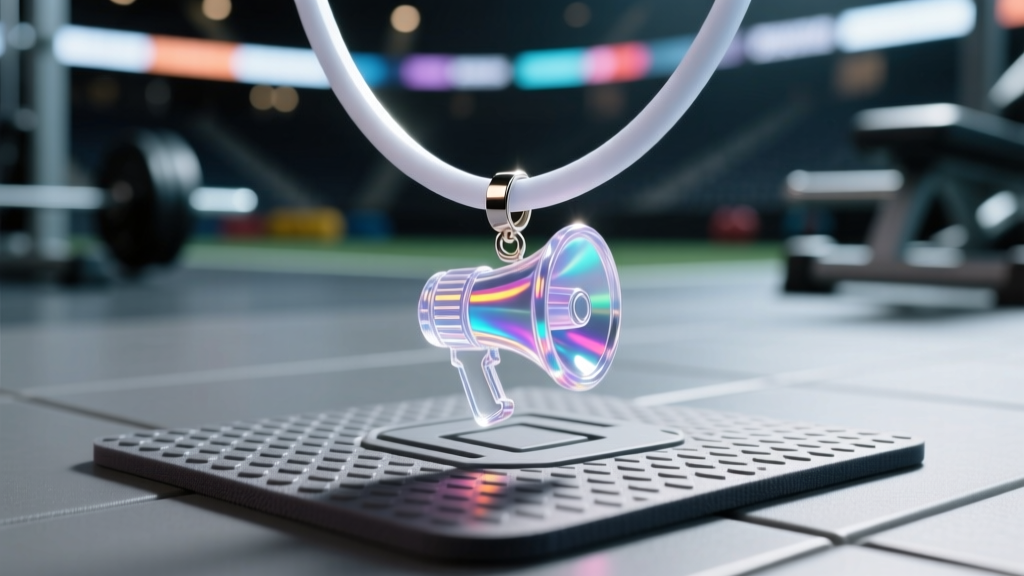
The Safety Mandate: Why Material Choice Matters in Cheer
In the high-octane world of competitive cheerleading, jewelry is rarely just an accessory; it is a potential liability. According to the NFHS Spirit Rules and USA Cheer Safety Guidelines, hard metals, sharp edges, and non-breakaway chains are strictly prohibited during stunting, tumbling, and basket tosses. A standard sterling silver chain can easily snag on a flyer's uniform or a base's finger, leading to severe lacerations or asphyxiation hazards. Therefore, selecting the right cheer necklace requires a rigorous understanding of material science, tensile strength, and biomechanical safety.
As we navigate the 2026 competitive season, the market has shifted away from traditional metal chains toward advanced polymers, medical-grade elastomers, and specialized aerospace metals for off-mat wear. This guide breaks down the exact material properties, failure modes, and pricing tiers of the most popular cheer necklace materials, ensuring your team stays safe, compliant, and stylish.
Top 4 Materials for Cheer Necklaces Compared
1. Medical-Grade Silicone (The Active Standard)
For on-mat warm-ups and sideline spirit, platinum-cured medical-grade silicone is the undisputed champion. Unlike standard industrial silicones, platinum-cured variants (typically rated at Shore 50A to 60A hardness) are entirely hypoallergenic, non-porous, and free of phthalates or BPA.
- Tensile Strength: Can withstand up to 1,500 PSI before tearing, meaning it will stretch and deform rather than snap violently during a stunt mishap.
- Sweat Resistance: Human sweat has a pH ranging from 4.5 to 7.0. Silicone is chemically inert and completely immune to acidic degradation, preventing the dreaded 'green skin' effect.
- Failure Mode: Prolonged exposure to high-chlorine environments (like poolside pep rallies) can cause micro-fissures over time, leading to eventual tearing at the clasp O-ring.
- Price Range: $15 - $35 for custom-molded team pendants.
2. Cast Acrylic & UV Resin (The Customization King)
When teams want intricate, full-color 3D megaphones, bows, or mascot pendants, Polymethyl Methacrylate (PMMA) acrylic and UV-cured resins are the go-to materials. Laser-cut acrylic allows for hyper-detailed team logos, while UV resin provides a glass-like dome finish.
- Impact Resistance: PMMA is highly shatter-resistant but possesses low scratch resistance. Dropping an acrylic pendant on a hardwood gym floor will rarely break it, but dragging it across a mat will cloud the finish.
- Weight: Extremely lightweight (specific gravity of 1.18), making it ideal for flyers who need zero neck fatigue during extended routine rehearsals.
- Failure Mode: UV resin can suffer from 'yellowing' or photodegradation if left in direct sunlight for hundreds of hours. Additionally, acrylic can snap under sudden sheer force exceeding 40 lbs.
- Price Range: $10 - $25 per unit for bulk team orders.
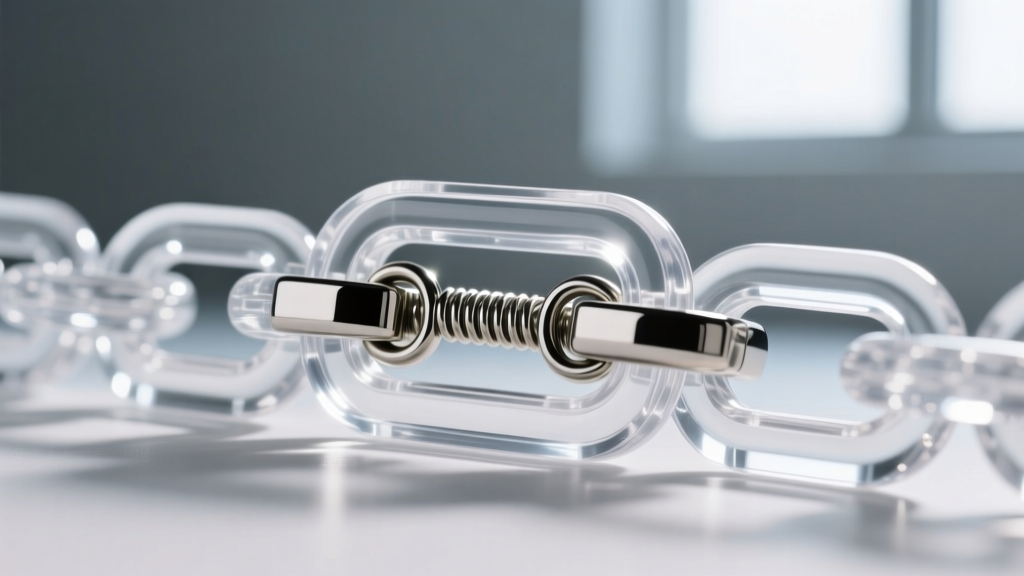
3. ASTM F136 Titanium (The Off-Mat Premium)
For senior gifts, coach appreciation, or off-mat travel days, titanium offers unparalleled prestige and durability. Specifically, ASTM F136 Grade 5 Titanium (Ti-6Al-4V) is the exact alloy used in medical implants. It is 45% lighter than steel and boasts exceptional corrosion resistance.
- Anodizing: Titanium can be anodized to produce vibrant, permanent colors (like team navy or gold) without using dyes or paints that can chip or cause allergic reactions.
- Biocompatibility: 100% nickel-free, making it the only safe metal option for athletes with severe contact dermatitis.
- Failure Mode: Titanium itself will not fail, but if paired with a standard steel jump ring, galvanic corrosion will destroy the steel ring within months due to the dissimilar metals reacting with sweat.
- Price Range: $45 - $120 for precision-machined, anodized pendants.
4. Enamel-Plated Brass (The Budget Classic)
Traditional hard-enamel brass necklaces are still widely sold as cheap spirit gear, but they come with significant metallurgical drawbacks. Brass is an alloy of copper and zinc, making it highly reactive to the acidic environment of a cheerleader's skin during intense routines.
- Galvanic Corrosion: Once the thin rhodium or gold plating wears off (usually within 3-4 weeks of daily wear), the exposed copper reacts with sweat salts, leaving a dark green oxidation on the athlete's chest.
- Zinc Pest: In cheaper, poorly smelted brass, internal oxidation can cause the metal to crumble from the inside out, a phenomenon known as zinc pest.
- Price Range: $5 - $15, but ultimately a poor long-term investment.
Material Properties & Sweat Resistance Data
Understanding how these materials interact with the harsh biological environment of a competitive athlete is crucial for buyers and team parents. The table below outlines the core physical properties relevant to cheerleading.
| Material | Sweat pH Resistance | Tensile/Impact Strength | Weight Profile | Best Use Case |
|---|---|---|---|---|
| Medical Silicone | Immune (Inert) | High Stretch / Tear Resistant | Ultra-Light | On-Mat Warmups, Sidelines |
| PMMA Acrylic | Immune | Shatterproof / Low Scratch | Lightweight | Custom Spirit Gear, Gifts |
| ASTM Titanium | Immune (Passive Oxide Layer) | Extreme (Aerospace Grade) | Medium | Off-Mat, Senior Gifts, Coaches |
| Plated Brass | Poor (Corrodes at pH < 6.0) | High (Rigid Metal) | Heavy | Budget Giveaways (Not Recommended) |
Clasp & Cord Mechanics: Preventing Mat Hazards
The pendant material is only half the equation; the suspension system dictates the actual safety of the cheer necklace. A heavy titanium pendant on a standard lobster-clasp chain is a severe choking hazard. For any gear worn near the mat, you must engineer a fail-safe release mechanism.
The Breakaway Threshold
Safety regulations dictate that any neckwear worn during active practice must release under 5 to 7 pounds of lateral force.
- Magnetic Breakaway Clasps: These utilize neodymium magnets encased in smooth ABS plastic. They hold firm during normal movement but instantly separate if snagged on a tumbling pass or stunt grip.
- Polyurethane Cords vs. Steel Chains: Never use steel rolo or cable chains for active wear. Instead, opt for 2mm braided polyurethane cords. Polyurethane offers a soft, fabric-like drape that won't catch on acrylic nails or uniform rhinestones, and it can be easily cut away by athletic trainers in an emergency.
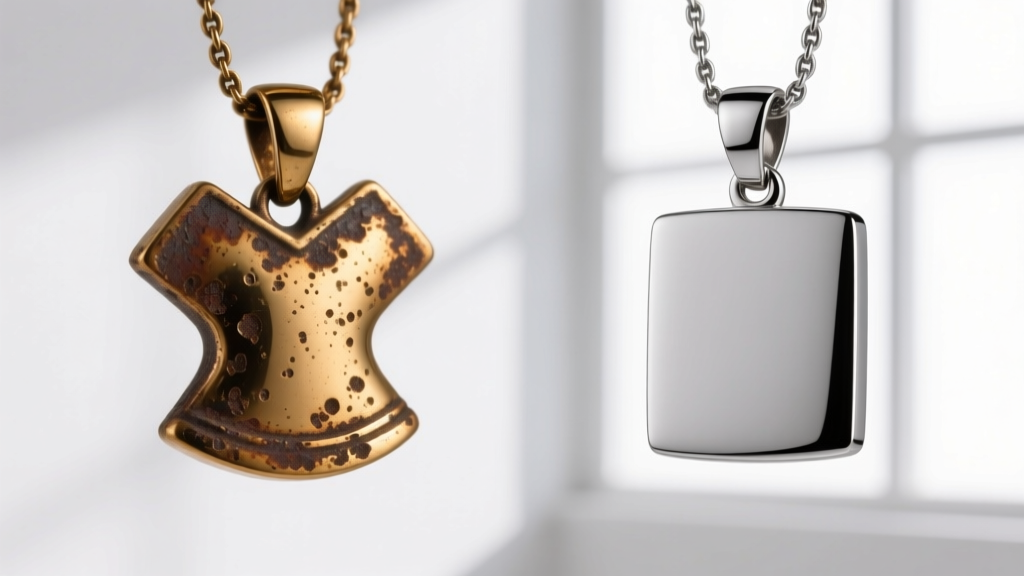
Care Protocols for Maximum Longevity
Cheerleaders subject their gear to extreme conditions: aerosol hairsprays, heavy perspiration, floor waxes, and locker room humidity. Implementing the correct cleaning protocol based on material chemistry will extend the life of the necklace.
Silicone & Acrylic Care
Never use ultrasonic jewelry cleaners or harsh solvents like acetone on acrylic or resin pendants; these will strip the UV-printed logos and cause the PMMA to craze (develop micro-cracks). Instead, wash silicone and acrylic necklaces weekly with warm water and a few drops of mild, fragrance-free dish soap. Use a microfiber cloth to buff acrylic back to a high-gloss finish.
Titanium Passivation
While titanium does not tarnish, it can accumulate a film of dead skin cells, lotion, and sweat salts that dulls its anodized color. To restore the brilliant luster of an ASTM F136 titanium cheer pendant, soak it in a solution of warm water and a few drops of ammonia-free glass cleaner for five minutes, then gently brush with a soft-bristled toothbrush. This process cleans the surface without compromising the electrochemical oxide layer that provides the color.
Final Verdict: Matching Material to Your Cheer Role
There is no single 'perfect' material; the ideal cheer necklace depends entirely on when and how it will be worn. For active athletes who want to wear their team colors during warm-ups and sideline chants, medical-grade silicone on a polyurethane breakaway cord is the only NFHS-compliant, sweat-proof choice. For intricate, full-color mascot designs, cast acrylic provides the best visual impact at a budget-friendly price point. Finally, for commemorating a championship season or gifting to coaches, anodized ASTM titanium offers a premium, lifelong keepsake that honors the dedication of the sport.
By prioritizing material science and safety mechanics over cheap aesthetics, teams can ensure their spirit gear enhances their performance rather than compromising their safety.


