How to Clean Gold Necklace Chain: Value & Budget Guide
Learn how to clean gold necklace chain safely on a budget. Compare DIY vs professional costs and protect your jewelry's long-term resale value.

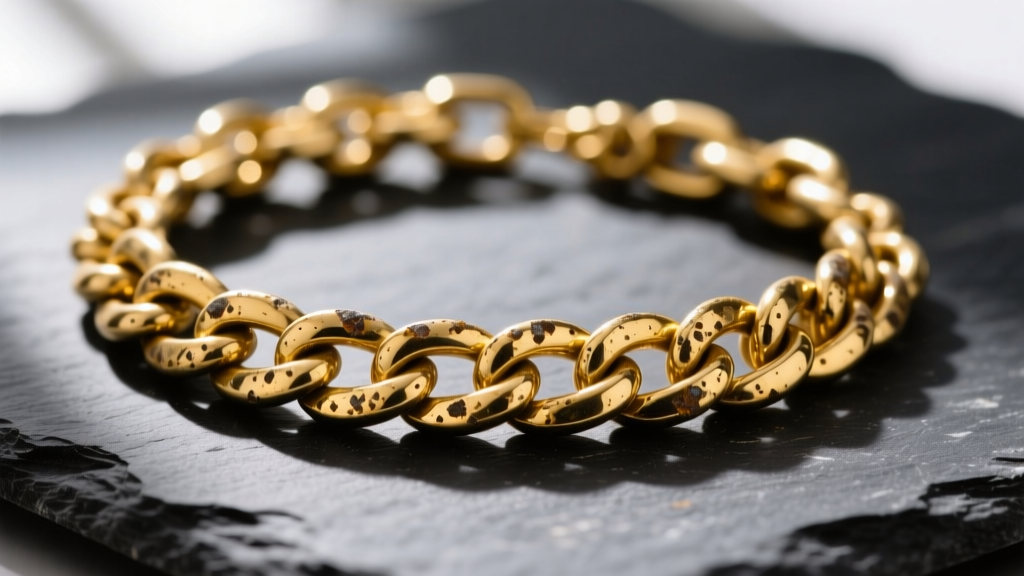
As of 2026, with gold spot prices hovering near historic highs, your gold jewelry is more than just a fashion statement—it is a tangible financial asset. Yet, many owners inadvertently destroy the secondary market value of their pieces through neglect or aggressive, improper cleaning methods. Understanding how to clean gold necklace chain links without causing micro-abrasions or structural fatigue is critical for preserving both the aesthetic brilliance and the resale value of your investment.
Whether you own a heavy 14k Cuban link or a delicate 18k figaro chain, the accumulation of sebum, dead skin cells, lotions, and environmental pollutants will inevitably dull the metal. From a budget and value assessment perspective, the cost of proper maintenance is a fraction of the depreciation caused by a degraded polish. This guide breaks down the exact economics of gold chain maintenance, providing a definitive, budget-conscious protocol for home care and a clear framework for when to outsource to a professional.
The Economics of Gold Chain Maintenance
To understand why cleaning methods matter to your wallet, you must first understand the metallurgy of gold chains. Pure 24k gold is highly resistant to tarnish, but it is far too soft for durable chain links. Therefore, chains are typically crafted in 10k, 14k, or 18k gold. According to the Gemological Institute of America (GIA), 14k gold contains only 58.3% pure gold, with the remaining 41.7% composed of alloy metals like copper, silver, and zinc.
These alloy metals are the culprits behind dullness. When exposed to sulfur in the air, chlorine in tap water, and the acidic pH of human sweat, these alloys oxidize. This oxidation creates a microscopic layer of grime that scatters light, making the chain look matte and lifeless. When you attempt to sell or appraise a gold chain, jewelers grade its condition. A chain in "Excellent" condition commands top dollar, while one with a dull finish or micro-scratches from improper cleaning is downgraded to "Good" or "Fair," potentially reducing its resale value by 10% to 20%. On a $3,000 chain, that is a $300 to $600 loss—far exceeding the cost of proper cleaning supplies.
DIY vs. Professional: A Budget Breakdown
Before diving into the methodology, let us assess the financial landscape of chain maintenance. Below is a cost-benefit analysis comparing the three primary cleaning avenues available to consumers.
| Cleaning Method | Avg. Cost | Time Required | Risk to Resale Value | Best For |
|---|---|---|---|---|
| Proper DIY (Mild Soap) | $0.05 / use | 20 Minutes | Zero (if done correctly) | Solid links, box chains, routine maintenance |
| DIY "Hacks" (Toothpaste/Baking Soda) | $0.00 | 10 Minutes | High (Micro-scratching) | Never |
| Professional Ultrasonic & Steam | $15 - $45 | 1-2 Days (Drop-off) | Low (unless hollow links) | Rope chains, intricate weaves, heavy buildup |
How to Clean Gold Necklace Chain at Home: The $5 Protocol
For routine maintenance, the most cost-effective and value-preserving method requires less than five dollars in household supplies. The goal is to lift lipid-based grime (lotions, skin oils) without introducing abrasive friction.
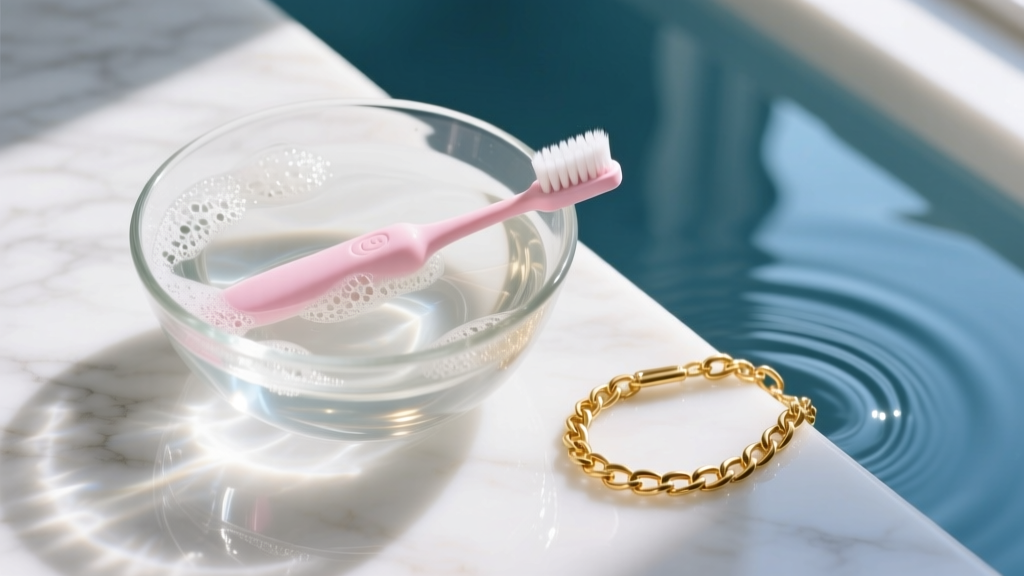
Step 1: The Solution Ratio
Fill a glass or ceramic bowl with lukewarm water—ideally around 95°F (35°C). Hot water can shock certain gemstones if your chain includes a pendant, while cold water fails to emulsify skin oils. Add exactly three drops of a mild, phosphate-free dish soap (such as Dawn Ultra). Avoid soaps with added moisturizers or harsh degreasers, which can leave a filmy residue on the gold alloy.
Step 2: The Soak
Submerge the chain completely. Allow it to soak for 15 to 20 minutes. This dwell time is crucial; it allows the surfactants in the dish soap to break the molecular bonds between the sebum and the gold surface, lifting the dirt away from the crevices of the links without mechanical force.
Step 3: Agitation and Brushing
After soaking, gently swish the chain in the water. For stubborn grime trapped in the links, use an extra-soft baby toothbrush. The bristles of a baby toothbrush typically have a diameter of less than 0.1mm, which is soft enough to clean without scratching the gold. Brush in gentle, circular motions, following the natural pattern of the chain weave. Never scrub aggressively back and forth.
Step 4: The Rinse and Dry
Rinse the chain thoroughly under a gentle stream of lukewarm water. Ensure the drain is securely plugged. Pat the chain dry using a clean, lint-free microfiber cloth. Never use paper towels or tissues. Paper products contain microscopic wood fibers that act like sandpaper on gold alloys, creating thousands of micro-scratches that permanently dull the finish and lower the piece's appraisal grade.
The Hidden Costs of "Free" Internet Hacks
The internet is saturated with budget cleaning hacks that are actually value-destroyers. Baking soda and toothpaste are frequently recommended, but this is a catastrophic mistake for gold jewelry. Gold has a Mohs hardness of roughly 2.5 to 3. Baking soda and the silica abrasives in toothpaste have a similar or higher hardness. Scrubbing your chain with these substances is akin to sandblasting it. You will strip the factory polish, leaving a matte, scratched surface that will require a $50+ professional buffing to restore, entirely negating any budget savings.
Advanced Troubleshooting by Chain Weave
Different chain weaves trap dirt in unique ways, requiring slight adjustments to your cleaning strategy to protect the structural integrity of the piece.
- Box Chains: The 90-degree interior corners of box chains are notorious for trapping lotion and dead skin. Use the tip of a wooden toothpick (never metal) to gently dislodge compacted grime from the corners after the 20-minute soap soak.
- Rope Chains: The twisted grooves of a rope chain hold onto oils tightly. Instead of brushing, which can snag and pull the delicate twisted wires, rely on a longer soak time (up to 30 minutes) and vigorous swishing in the soapy water.
- Cuban & Curb Links: These flat-surfaced chains show water spots easily. After rinsing, immediately press the chain flat between two microfiber cloths and apply gentle pressure to absorb all moisture before air-drying.
When to Pay for Professional Ultrasonic Cleaning
While the DIY soap method is perfect for monthly maintenance, there are scenarios where paying $15 to $45 for a professional cleaning yields a higher return on investment. According to the Federal Trade Commission's Jewelry Guides, proper disclosure and maintenance of jewelry condition are vital for accurate valuation. If your chain has accumulated years of hardened grime that soap cannot penetrate, a jeweler's ultrasonic cleaner is necessary.
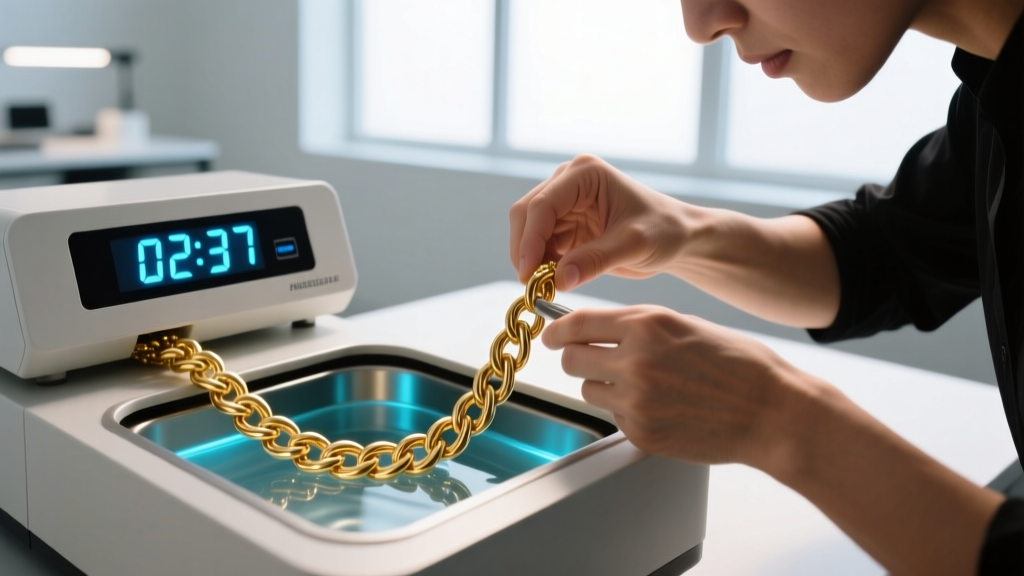
Ultrasonic cleaners use high-frequency sound waves to create microscopic cavitation bubbles in a specialized chemical bath. When these bubbles collapse against the gold chain, they generate tiny jets of liquid that blast dirt out of the most inaccessible crevices. However, this service comes with a critical warning: Never put hollow gold chains or chains with glued-in gemstone pendants into an ultrasonic cleaner. The intense vibrations can cause hollow links to fracture or dent, and can easily shake loose stones that are secured with adhesive rather than prongs. Always have a professional assess the chain's structural integrity before authorizing an ultrasonic bath.
Value Preservation: Post-Cleaning Storage
Cleaning your chain is only half the battle; how you store it dictates how quickly you will need to clean it again. To maximize the time between cleanings and protect your asset's value, store your gold chain in an individual, sealable polyethylene bag. Squeeze out all excess air before sealing to limit oxygen exposure, which slows the oxidation of the copper and silver alloys.
For an added layer of protection, drop a 3M anti-tarnish strip into the bag. These strips cost roughly $0.50 each and absorb airborne sulfur compounds before they can react with your gold alloys. By investing pennies in proper storage, you maintain the "Excellent" condition grade of your chain, ensuring that when the time comes to liquidate or upgrade your jewelry collection, your asset commands the maximum possible market premium.
"A gold chain is a living ledger of its environment. Treat it with chemical respect, and it will retain its financial and aesthetic brilliance for generations."


