Evry Jewels Heart Necklace Review: Metals, Plating & Care
An expert metallurgical review of the Evry Jewels heart necklace, analyzing base metals, gold plating thickness, and long-term care.

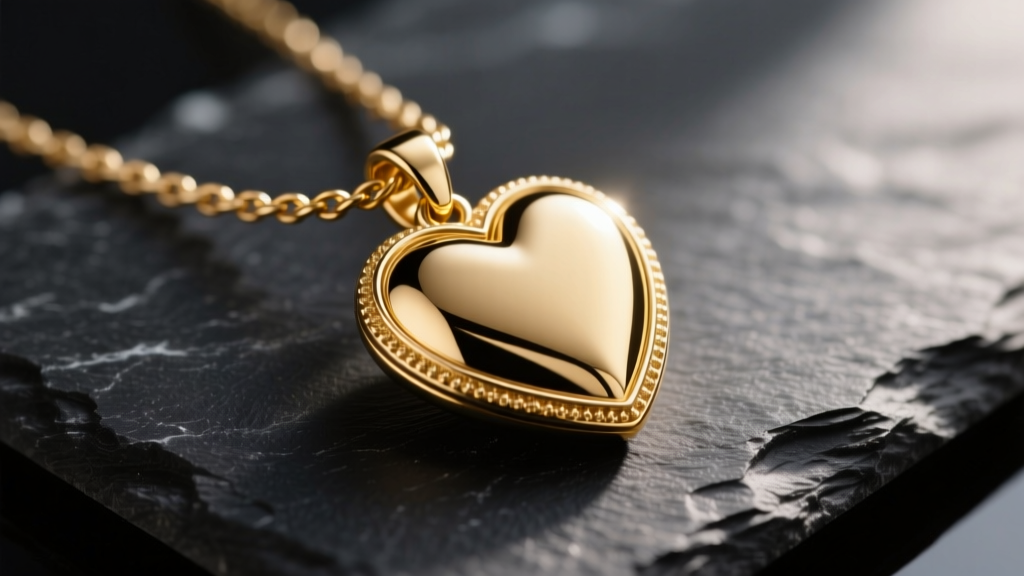
The Anatomy of an Evry Jewels Heart Necklace
The viral appeal of the Evry Jewels heart necklace lies in its accessible price point and trendy aesthetic, but for jewelry enthusiasts and everyday wearers, the true value of any piece is dictated by its metallurgy. As a staple in the modern demi-fine and fashion jewelry market, understanding the structural anatomy of this specific pendant is crucial for setting realistic longevity expectations. The core of the Evry Jewels heart necklace is typically constructed using one of two base metals: jeweler's brass or 925 sterling silver, depending on the specific collection tier you purchase.
Brass, an alloy of copper and zinc, is favored in fashion jewelry for its excellent casting properties and warm undertone, which closely mimics the hue of 14k gold. When evaluating the casting quality of the heart pendant, we look for porosity—tiny microscopic air bubbles trapped during the lost-wax casting process. High-quality finishing involves extensive tumbling and hand-polishing to seal these pores before plating. If a brass base is inadequately polished, the gold plating will eventually sink into these microscopic craters, leading to premature wear and a mottled appearance. Evry Jewels generally employs a high-polish finish on their heart motifs, ensuring a relatively smooth substrate for the subsequent electroplating baths.
Plating Technologies: Flash vs. Vermeil vs. PVD
The most critical factor determining the lifespan of your Evry Jewels heart necklace is the plating methodology. Gold plating is not a monolith; it varies wildly in thickness, purity, and application technique. According to the Federal Trade Commission (FTC) Jewelry Guides, the terminology used to describe gold-plated items is strictly regulated based on micron thickness and base metal composition.
Standard gold-plated fashion pieces often utilize 'flash plating,' a process that deposits a microscopically thin layer of gold (typically less than 0.5 microns). While visually identical to thicker plating on day one, flash plating lacks the structural integrity to withstand daily friction. In contrast, gold vermeil requires a 925 sterling silver base and a minimum gold thickness of 2.5 microns. The Gemological Institute of America (GIA) emphasizes that plating thickness is the primary metric for predicting a piece's wearability and resistance to galvanic corrosion.
| Plating Type | Base Metal | Gold Thickness | Expected Lifespan (Daily Wear) | Price Tier |
|---|---|---|---|---|
| Flash Plated | Brass / Steel | < 0.5 microns | 3 - 6 Months | Budget ($20 - $40) |
| Standard Plated | Brass | 0.5 - 1.0 microns | 1 - 2 Years | Mid-Tier ($40 - $65) |
| Gold Vermeil | 925 Silver | 2.5+ microns | 3 - 5+ Years | Demi-Fine ($70 - $120) |
| PVD Coated | Stainless Steel | N/A (Titanium Nitride) | 5+ Years (Waterproof) | Mid-Tier ($40 - $80) |
When purchasing an Evry Jewels heart necklace, it is imperative to check the product specifications to determine whether you are buying a brass-based plated piece or a sterling silver vermeil piece. The latter will inherently offer a significantly longer lifespan and is generally hypoallergenic, whereas brass-based pieces may cause contact dermatitis in wearers with nickel or copper sensitivities once the plating wears thin.
Chain Mechanics and Clasp Durability
A pendant is only as secure as the chain and clasp holding it. The Evry Jewels heart necklace typically features a delicate cable chain or a slightly more modern paperclip chain. Cable chains, characterized by their uniform oval links, are classic but present a specific structural vulnerability: the soldering points on the jump rings. In mass-produced fashion jewelry, jump rings are sometimes left unsoldered to reduce manufacturing costs. An unsoldered jump ring connecting the heart pendant to the chain is a primary failure point, easily pulled apart if the pendant snags on clothing.
Furthermore, the clasp mechanism warrants close inspection. Spring ring clasps are lightweight and cost-effective but rely on a tiny internal steel spring that is highly susceptible to rust if exposed to moisture. Lobster clasps, which Evry Jewels frequently utilizes on their higher-tier pieces, offer a more secure locking mechanism and a larger surface area for the fingernail to operate. However, the integrity of the lobster clasp's swivel joint—where the clasp meets the chain's end tag—must be tested for lateral stiffness. A loose swivel joint indicates poor quality control and will eventually lead to metal fatigue and snapping.
The 2026 Demi-Fine Shift and Galvanic Corrosion
As we navigate the jewelry landscape in 2026, the market has seen a massive consumer shift toward 'waterproof' jewelry, largely driven by PVD (Physical Vapor Deposition) technology. While PVD creates an incredibly hard, tarnish-resistant surface on stainless steel, traditional electroplated gold (which Evry Jewels primarily uses for its classic heart collections) remains vulnerable to the electrochemistry of the human body.
Galvanic corrosion is the silent killer of gold-plated brass jewelry. When the porous gold layer is compromised by friction, the underlying brass is exposed. Human sweat acts as an electrolyte, containing water, salts, and lactic acid. When this electrolyte bridges the noble metal (gold) and the base metal (copper/zinc in brass), it creates a microscopic battery. The base metal acts as an anode and rapidly oxidizes, resulting in the dreaded green or black tarnish that transfers to the skin. This is not a sign of 'fake' gold, but rather a basic metallurgical reaction indicating that the plating barrier has been breached.
Real-World Tarnish Testing and Maintenance Protocol
To maximize the lifespan of an electroplated Evry Jewels heart necklace, wearers must adopt a proactive maintenance protocol that mitigates exposure to corrosive agents. Sulfur is the primary enemy of both sterling silver and the copper alloys found in brass. Ambient sulfur in the air, as well as sulfur compounds in personal care products like certain shampoos, lotions, and perfumes, will accelerate tarnishing beneath the gold layer, causing it to bubble or flake.
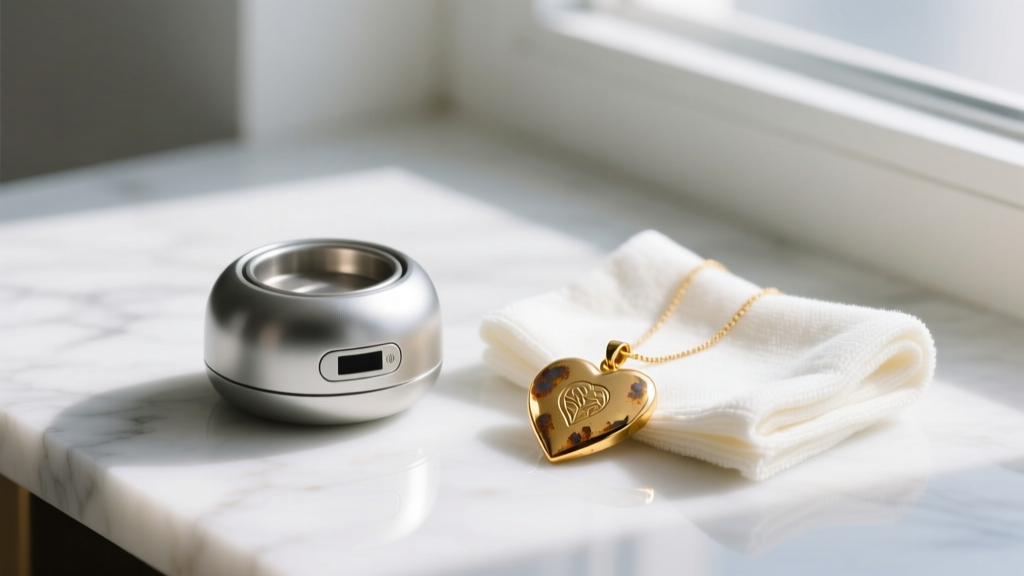
The Safe Cleaning Framework
Contrary to popular belief, you should never use ultrasonic cleaners or harsh chemical dip solutions on gold-plated fashion jewelry. The high-frequency cavitation bubbles in an ultrasonic cleaner can easily strip thin gold plating from the base metal. Instead, follow this expert-approved cleaning framework:
- Preparation: Mix a few drops of pH-neutral, phosphate-free dish soap into a bowl of lukewarm distilled water. Avoid tap water, as the chlorine and fluoride can react with exposed base metals.
- Agitation: Submerge the heart necklace for no more than three minutes. Use an ultra-soft, baby-hair brush to gently dislodge sebum and dead skin cells from the crevices of the heart pendant and the chain links.
- Rinsing: Rinse thoroughly under a gentle stream of distilled water to remove all soap residue.
- Drying: Pat dry immediately with a lint-free microfiber cloth. Do not air dry, as water spots will leave mineral deposits on the gold surface.
Storage Best Practices
When not being worn, the necklace must be stored in an airtight, anti-tarnish ziplock bag with a silica gel packet to control ambient humidity. Storing the necklace in a communal jewelry box where it can rub against harder gemstones or other metal pieces will cause micro-scratches in the gold plating, accelerating the wear process.
Final Verdict: Who Should Buy the Evry Jewels Heart Necklace?
The Evry Jewels heart necklace is a masterclass in accessible, trend-driven design, but it requires an informed buyer. If you are purchasing the standard brass-based, gold-plated version, treat it as seasonal fashion jewelry. It is perfect for occasional wear, evening events, and rotating through a larger jewelry wardrobe. However, if you intend to wear a heart pendant daily, never taking it off for showers or workouts, you must specifically seek out their 925 sterling silver vermeil options or pivot toward solid 14k gold alternatives. By understanding the metallurgy, plating thickness, and the electrochemistry of tarnish, you can make a highly informed purchasing decision and properly care for your jewelry to ensure it retains its luster for years to come.


