How to Clean and Maintain a Detailed Scissors Necklace
Learn expert cleaning and maintenance tips for your scissors necklace. Discover how to safely clean hinges, remove tarnish, and protect enamel.

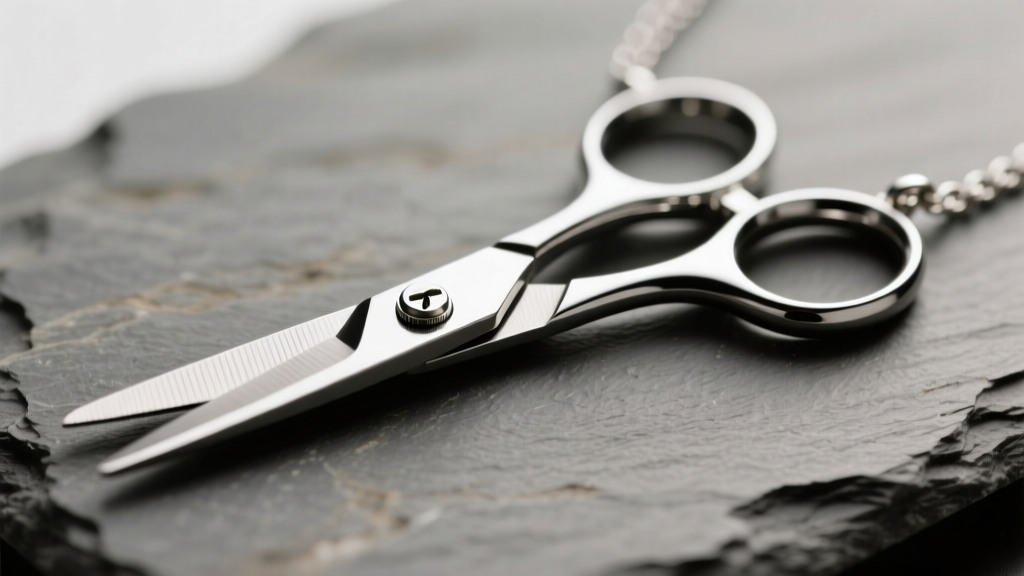
The scissors necklace is a beloved staple for hair stylists, tailors, surgeons, and vintage fashion enthusiasts. However, the intricate anatomy of a scissors pendant—complete with movable hinges, pivot screws, finger bows, and deep blade grooves—makes it uniquely susceptible to trapped sebum, tarnish, and mechanical seizing. As of 2026, with the rise of mixed-material artisan pieces featuring cold enamel and PVD coatings, standard jewelry cleaning methods can easily ruin these specialized pendants.
This comprehensive guide provides professional-grade maintenance protocols to keep your scissors necklace functioning smoothly and looking pristine, whether it is crafted from 925 sterling silver, 316L surgical steel, or gold vermeil.
The Unique Anatomy of a Scissors Pendant
Before applying any cleaning solutions, it is crucial to understand the structural vulnerabilities of a scissors necklace. Unlike solid cast pendants, a functional or semi-functional scissors piece contains a fulcrum (the pivot point). Dirt, dead skin cells, and cosmetic residues (like hairspray or fabric dust) accumulate inside the microscopic gap between the two metal halves. Furthermore, the decorative tang (the ornate metalwork between the handles) features deep undercuts that trap polishing compounds and moisture, leading to localized corrosion if not properly dried.
Material-Specific Cleaning Protocols
The cleaning method you choose must be dictated by the metal grade and any secondary finishes. Using the wrong technique can strip plating or shatter enamel.
1. Sterling Silver (925) and Oxidized Details
Sterling silver is highly prone to silver sulfide tarnish, especially in the recessed grooves of the scissor blades. According to the Gemological Institute of America (GIA), silver reacts with sulfur compounds in the air and on the skin.
- Light Tarnish: Use a treated micro-abrasive polishing cloth (such as a Sunshine Cloth). Gently buff the high-polish areas of the blades and handles, avoiding the hinge.
- Heavy Tarnish in Grooves: Use a thiourea-based silver dip for exactly 10 to 15 seconds. Immediately neutralize the chemical reaction by rinsing in a baking soda and water bath, followed by a distilled water rinse. Never use silver dip on oxidized (antiqued) silver, as it will strip the intentional dark patina from the blade engravings.
2. Surgical Stainless Steel (316L) and Titanium
Stainless steel relies on a microscopic passivation layer of chromium oxide to resist rust. While highly durable, the hinge mechanism can still seize from body oils.
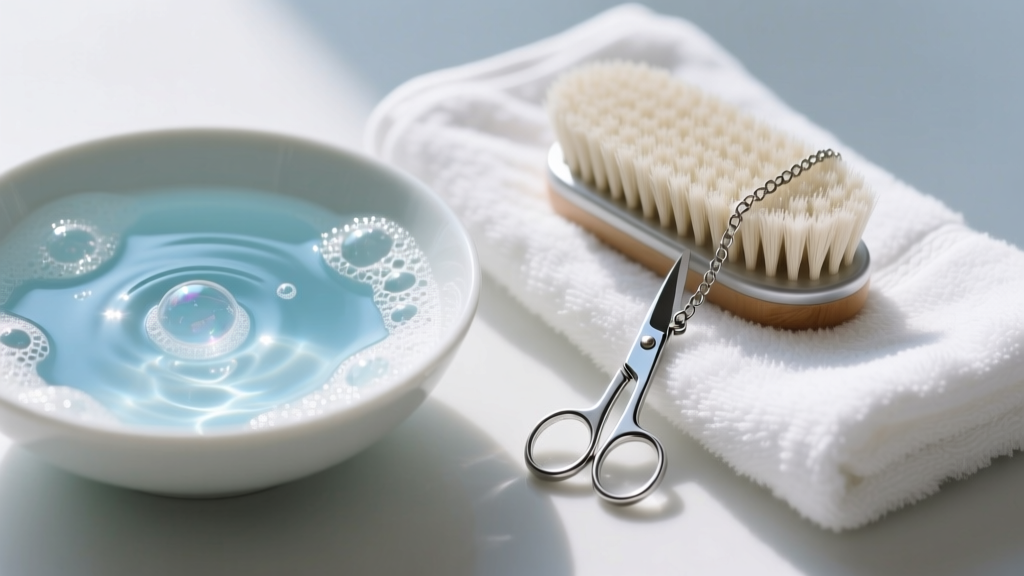
- The Wash: Submerge the pendant in warm water mixed with a few drops of mild, phosphate-free dish soap.
- The Agitation: Use a soft-bristled baby toothbrush to gently agitate the soap into the finger bows and blade edges.
- Ultrasonic Safety: 316L steel can safely withstand a 40kHz ultrasonic cleaner for 3-5 minutes to shake loose debris from the pivot screw, provided there are no glued-in gemstones.
3. Gold Vermeil, Plated Brass, and Enamel Accents
Many modern scissors necklaces feature gold plating over brass or vibrant cold enamel on the handles. Never use ultrasonic cleaners or chemical dips on these pieces. The cavitation bubbles from an ultrasonic machine will shatter cold enamel, and chemical dips will strip micron-thick gold plating instantly. Stick to a gentle wipe-down with a damp microfiber cloth and mild soap, drying immediately to prevent water spots on the gold finish.
Step-by-Step Deep Cleaning for Movable Hinges
If your scissors necklace features movable blades, the hinge requires specific mechanical maintenance to prevent the pivot screw from backing out or the metal from galling (friction-welding together).
- The Solvent Flush: Fill a small syringe with 99% Isopropyl Alcohol (IPA). Direct the stream into the seam of the hinge to flush out compacted sebum and lotion. The 99% IPA evaporates rapidly, leaving no moisture behind to cause rust.
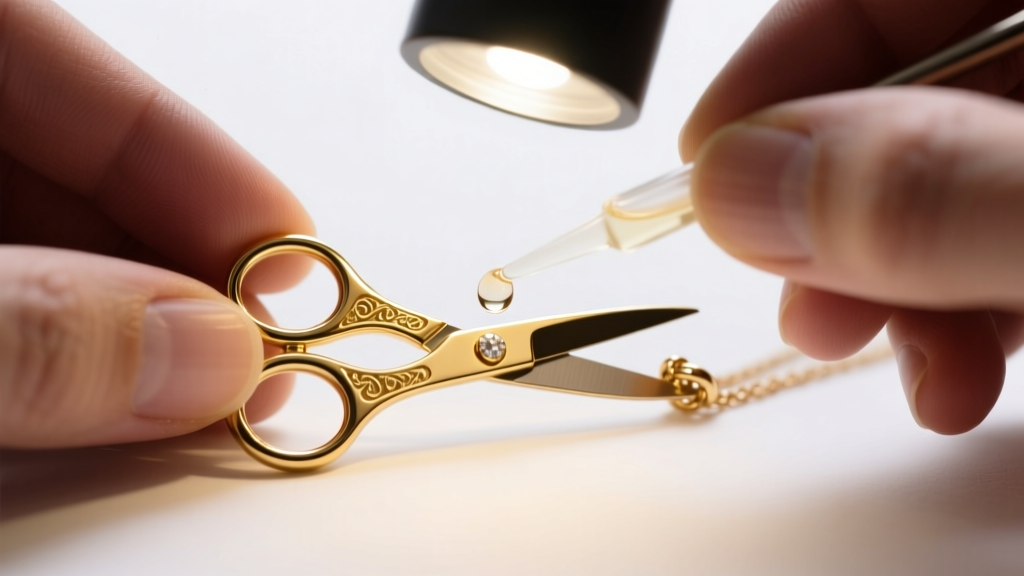
- The Lubrication: Once completely dry, apply a microscopic drop of synthetic watch oil (such as Moebius 9010) directly to the pivot pin using a 0.5mm oiler tool. Do not use WD-40 or standard household oils, as they contain solvents that attract dust and eventually turn into a sticky sludge.
- The Work-In: Gently open and close the scissor blades 10 to 15 times to distribute the oil evenly across the internal friction surfaces.
Troubleshooting Common Scissors Necklace Failures
Even with meticulous care, daily wear—especially for working professionals—can lead to specific issues. Use this diagnostic chart to resolve them.
| Issue | Primary Cause | Expert Solution |
|---|---|---|
| Stiff or Squeaky Hinge | Dried sebum, dead skin, and lack of lubrication. | Flush with 99% IPA, dry completely, and apply synthetic watch oil to the pivot pin. |
| Chain Snagging on Blades | Micro-burrs on the cast metal edges or a worn jump ring. | Lightly run a jeweler's felt buffing stick with red rouge over the blade edges to smooth burrs. |
| Black Gunk in Handle Grooves | Trapped polishing compound or heavy silver sulfide. | Use a wooden toothpick (never metal) to gently scrape the grooves, followed by a soapy brush bath. |
| Dull or Cloudy Enamel | Micro-scratches from abrasive polishing cloths. | Wipe with a damp microfiber cloth. Enamel cannot be polished back to a shine once scratched. |
Chain and Bail Maintenance
The bail (the loop connecting the scissors to the chain) experiences immense friction, especially on a 1.2mm to 1.5mm cable chain. Over time, the chain can act like a saw, wearing through the bail loop. According to Jewelers of America, inspecting the connection points of your jewelry every six months is critical to prevent loss. Check the 2.0mm jump ring attaching the chain to the scissors bail. If the gap in the jump ring has opened, or if the bail loop shows a deep groove, take the necklace to a bench jeweler for a quick laser weld or jump ring replacement before the pendant snaps off.
Daily Wear and Storage Best Practices
For hair stylists and cosmetologists, a scissors necklace is constantly exposed to aerosolized hairsprays, bleaching agents, and chemical relaxers. These chemicals will rapidly degrade gold plating and accelerate silver tarnish. Always remove your necklace before performing chemical services.
When storing the piece, avoid tossing it into a communal jewelry box where the sharp scissor blades can scratch softer gemstones or tangle with other chains. The Silver Institute recommends storing silver in airtight environments to halt the oxidation process. Place your scissors necklace in an anti-tarnish zip-lock bag (such as Pacific Silvercloth) alongside a 3M anti-tarnish strip, which absorbs ambient sulfur gases. Ensure the scissors blades are closed to minimize the pendant's footprint and protect the delicate points of the blades from bending if pressure is applied to the storage bag.
Pro Tip: If your scissors necklace is a vintage piece with a threaded pivot screw rather than a solid rivet, apply a tiny dot of clear jeweler's epoxy or blue Loctite to the threads before tightening. This prevents the natural vibration of daily wear from slowly unscrewing the pivot and causing the pendant to fall apart.
By treating your scissors necklace not just as jewelry, but as a precision mechanical object, you ensure that its intricate details and moving parts remain as sharp and functional as the tools they represent.


