How to Wear and Secure a Pearl Necklace with Toggle Clasp
Learn how to properly size, wear, and maintain a pearl necklace with toggle clasp. Expert tips on clasp ratios, silk knotting, and styling.

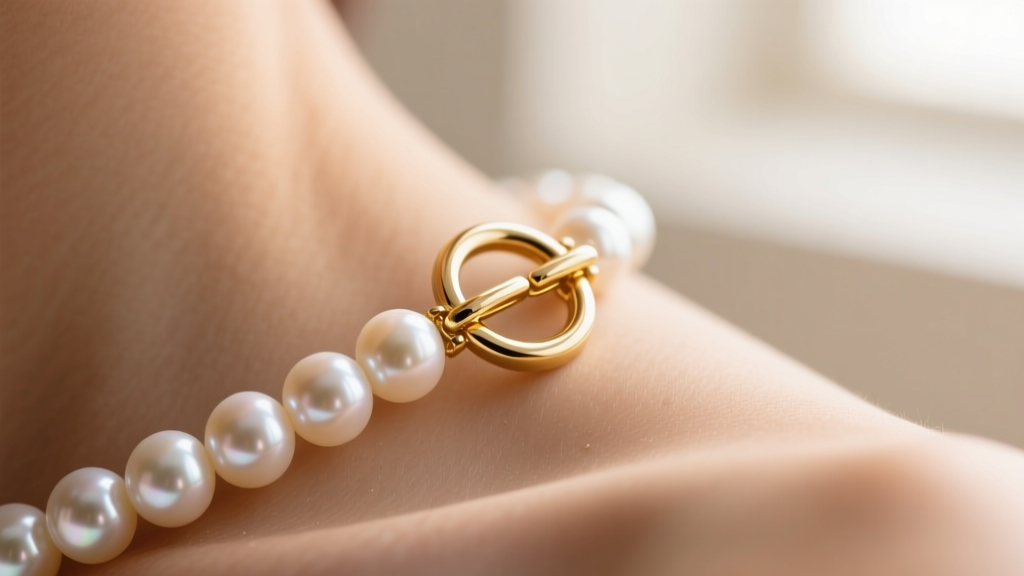
A pearl necklace with toggle clasp combines timeless elegance with a bold, architectural focal point. However, the very mechanics that make toggle clasps visually striking can also make them notoriously insecure if not properly proportioned and sized. Heavy pearl strands—particularly South Sea and Tahitian varieties—exert significant downward and pendulum-like forces on the clasp, which can cause the bar to slip through the ring and result in a devastating loss.
Whether you are investing in a new piece or maintaining a family heirloom, understanding the physics of toggle clasps is essential. This comprehensive guide will walk you through the exact proportions, sizing techniques, and styling methods required to wear your pearls securely and beautifully.
The Mechanics of a Secure Toggle Clasp
Unlike a spring ring or lobster clasp that relies on a mechanical spring to stay closed, a toggle clasp relies entirely on gravity, tension, and geometric proportion. The security of the clasp hinges on the relationship between the inner diameter of the ring and the total length of the bar.
The Golden Ratio of Toggles: For a pearl necklace, the toggle bar must be at least 1.2 to 1.5 times longer than the inner diameter of the ring. If the ring's inner diameter is 12mm, the bar must be at least 15mm to 18mm long to prevent accidental slipping.
Furthermore, the jump rings connecting the toggle hardware to the silk-threaded pearls must be heavy enough to resist warping. A standard 20-gauge jump ring will easily pull open under the weight of 8mm+ pearls. According to Jewelers of America, heavy gemstone and pearl strands require a minimum of 16-gauge or 18-gauge solid gold jump rings, ideally soldered shut, to ensure the toggle bar cannot force the connection point open.
Step-by-Step: Sizing for Maximum Security
The length of your pearl necklace dictates how much kinetic energy the toggle clasp will absorb during daily movement. A poorly sized necklace will act as a pendulum, swinging the bar parallel to the ring and allowing it to slip through.
Step 1: Perform the Drop Test
Before finalizing a purchase or restringing a strand, hold the necklace by the toggle ring and let the bar hang freely. Give it a gentle, lateral shake. If the bar easily aligns itself parallel to the ring's opening, the hardware is poorly proportioned for the strand's weight. The bar should naturally rest perpendicular to the ring due to the counterweight of the pearls.
Step 2: Calculate the Ideal Length
Toggle clasps perform best on shorter, tighter lengths where the tension of the neck keeps the bar locked in place.
- Choker (14" - 16"): The most secure length. The natural tension of the neck keeps the toggle bar pulled tightly against the ring, making it nearly impossible to slip.
- Princess (18"): Highly secure and universally flattering. The clasp rests at the collarbone, providing enough tension to keep the bar perpendicular.
- Matinee (20" - 24"): Moderate risk. The increased slack allows the necklace to swing, which can jostle the bar out of the ring if you lean forward.
- Opera (28" - 36"): High risk. Toggles are generally not recommended for opera-length pearl strands unless the necklace is doubled.
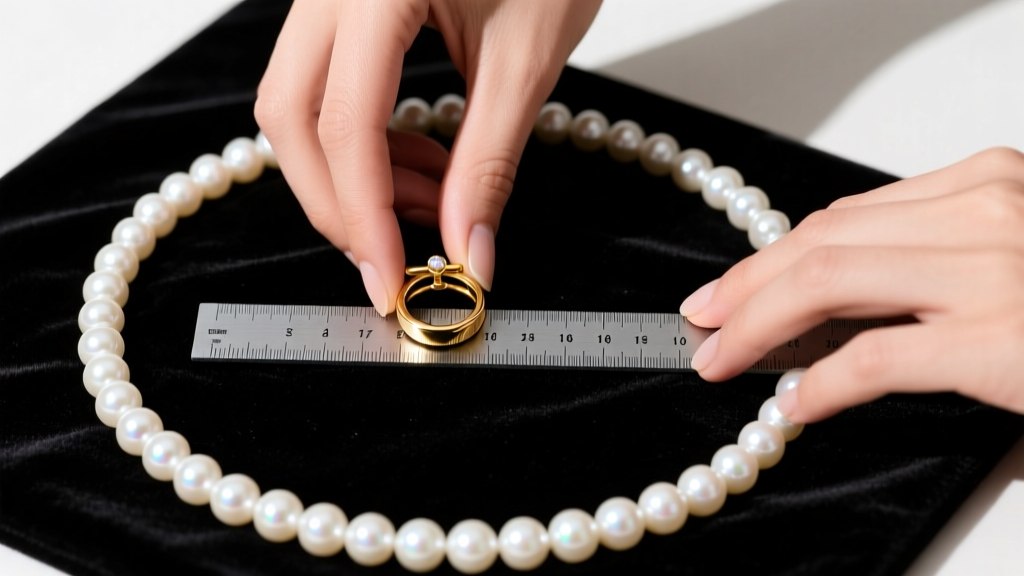
Toggle Proportions and Security Ratings
Not all pearls weigh the same. An 8mm Akoya pearl strand weighs significantly less than a 12mm South Sea strand. The table below outlines the exact hardware specifications required to secure different types of pearl necklaces with toggle clasps.
| Pearl Type & Size | Average Strand Weight | Recommended Ring Inner Diameter | Minimum Bar Length | Required Jump Ring Gauge | Security Rating |
|---|---|---|---|---|---|
| Akoya (6mm - 7mm) | 18 - 24 grams | 10mm - 12mm | 14mm - 16mm | 18-Gauge | Excellent |
| Freshwater (8mm - 9mm) | 30 - 40 grams | 12mm - 14mm | 16mm - 19mm | 18-Gauge | Very Good |
| Tahitian (9mm - 11mm) | 45 - 60 grams | 14mm - 16mm | 19mm - 22mm | 16-Gauge (Soldered) | Good (Requires tight fit) |
| South Sea (11mm - 14mm) | 65 - 90+ grams | 16mm - 20mm | 22mm - 28mm | 16-Gauge (Soldered) | Moderate (High pendulum risk) |
Styling Guide: Pairing with Necklines
A pearl necklace with toggle clasp is not just a piece of jewelry; it is a design element that interacts directly with your clothing. The prominent bar and ring can snag on delicate fabrics or compete with busy patterns. Here is how to style your pearls based on neckline geometry.
The V-Neck and Sweetheart
These are the ideal canvas for a princess-length pearl toggle necklace. The V-shape naturally frames the collarbone, drawing the eye directly to the toggle clasp as a centerpiece. Ensure the silk thread is taut enough that the toggle rests above the apex of the V-neck to prevent the metal from catching on the fabric hem.
The Boatneck and Bateau
Boatnecks run horizontally across the collarbone, which can visually clash with the horizontal line of a toggle bar. If wearing a toggle with a boatneck, opt for a shorter choker length (15") so the clasp sits visibly above the fabric line, or choose a stylized toggle (such as a leaf or whale tail) that breaks the rigid horizontal geometry.
Silk and Delicate Knits
The primary enemy of silk blouses is the jump ring gap. If the jump rings connecting the toggle to the pearls are not soldered shut, the microscopic gap will act like a saw blade against silk threads, causing pulls and tears. Always inspect the connection points before wearing your pearls with delicate garments.

Troubleshooting a Slipping Toggle
If you already own a pearl necklace with a toggle clasp and find that the bar frequently slips out, do not stop wearing it. There are three professional solutions to retrofit the clasp for better security:
- The Silicone Stopper: For an inexpensive, temporary fix, slide a tiny, clear silicone earring back or jewelry stopper onto the toggle bar after it passes through the ring. This physically blocks the bar from sliding back out.
- Friction Bead Soldering: A master jeweler can solder a microscopic gold bead inside the inner rim of the toggle ring. This creates a friction point that the bar must "snap" over, significantly increasing the tension required for the clasp to open accidentally.
- Hardware Replacement: If the bar-to-ring ratio is fundamentally flawed, the jeweler can replace the ring with a smaller diameter oval ring, which forces the bar to sit more securely across the narrowest axis.
Maintenance: Inspecting Silk and Jump Rings
The security of your clasp is only as strong as the thread holding it. The Gemological Institute of America (GIA) recommends having pearl strands professionally cleaned and inspected every 12 to 24 months, depending on wear frequency.
When inspecting your necklace at home, look closely at the silk knots nearest the toggle clasp. The first three pearls on either side of the clasp absorb 80% of the tensile stress when you put the necklace on and take it off. If the silk thread (typically Griffin No. 2 for Akoyas or No. 4 for Tahitians) appears frayed, stretched, or discolored, the strand must be restrung immediately. A broken silk thread near the toggle will result in the immediate loss of the heavy clasp hardware and the adjacent pearls.
Additionally, check the jump rings. Use a jeweler's loupe to ensure the seams of the jump rings are completely flush. If you can catch a fingernail on the seam, the ring is at risk of pulling open under the weight of the pearls. Have a jeweler laser-weld or solder the rings shut for permanent peace of mind.
Final Thoughts
A pearl necklace with toggle clasp is a stunning investment that merges organic beauty with striking metalwork. By respecting the geometric requirements of the clasp, choosing the correct strand length, and maintaining the integrity of the silk and jump rings, you can wear your pearls with absolute confidence. Treat the toggle not just as a closure, but as the structural keystone of your necklace, and it will remain secure for generations.


