What Is a Serpentine Bead Necklace? A Beginner Guide
Discover what a serpentine bead necklace is, how to style its fluid drape, and expert care tips. Your essential beginner guide to this elegant chain.

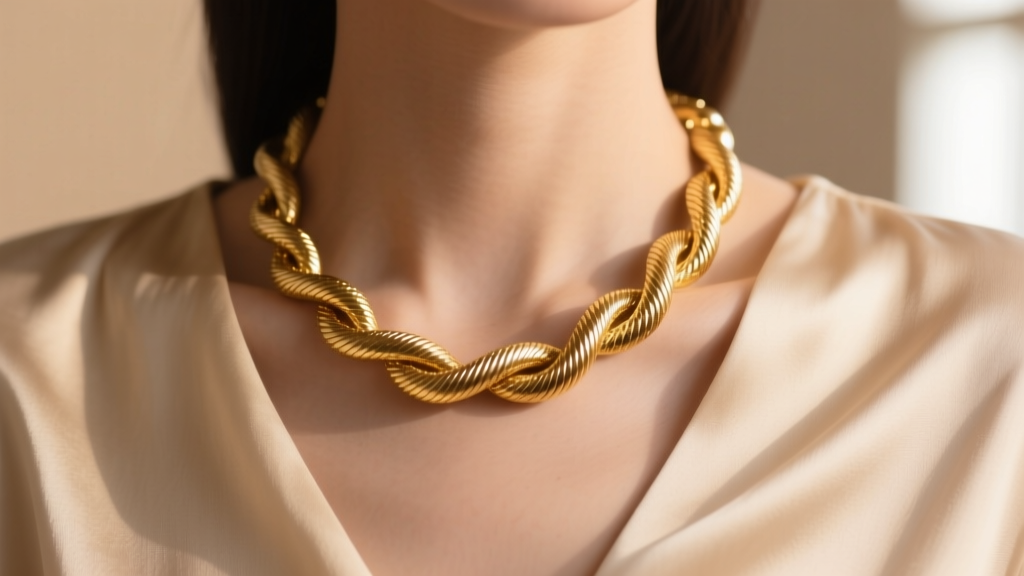
Introduction to the Serpentine Bead Necklace
If you are just beginning to build a curated jewelry collection, you have likely encountered the term serpentine bead necklace. It is a staple in both fine jewelry and fashion accessories, prized for its liquid-like drape and brilliant light reflection. However, for beginners, the terminology can be confusing. Is it a chain? Is it a strand of beads? Does it feature a snake motif?
The truth is that the serpentine bead necklace represents a brilliant intersection of chain-maille engineering and optical illusion. Whether you are shopping for your first solid gold piece or looking for an affordable sterling silver everyday chain, understanding the anatomy, gauge sizes, and care requirements of this specific chain style will save you money and frustration. In this comprehensive guide, we will break down everything you need to know about selecting, styling, and maintaining a serpentine bead necklace.
The Anatomy: What Makes It 'Serpentine'?
To understand the necklace, you must first understand the chain link. A traditional serpentine chain is constructed from S-shaped wire links that are woven together and then passed through a rolling mill. This flattens the links, forcing them to lay parallel to one another. The result is a highly flexible, tubular chain that mimics the fluid, undulating movement of a snake.
But where do the 'beads' come in? In the jewelry industry, a serpentine bead necklace typically refers to one of two distinct designs:
- Diamond-Cut Beaded Serpentine: After the S-links are flattened, a diamond-tipped cutting tool shaves the edges of the metal. This creates tiny, highly polished facets along the edges of the links that catch the light, creating the optical illusion of a strand of perfectly round, metallic beads.
- Serpentine Chain with Bead Stations: This design uses a smooth, flattened serpentine chain as the base, interspersed with actual spherical beads (either solid metal, gemstone, or pearl) soldered or threaded at regular intervals along the chain.
Both variations offer a sophisticated, textured look that elevates a simple metal chain into a standalone statement piece, eliminating the immediate need for a pendant.
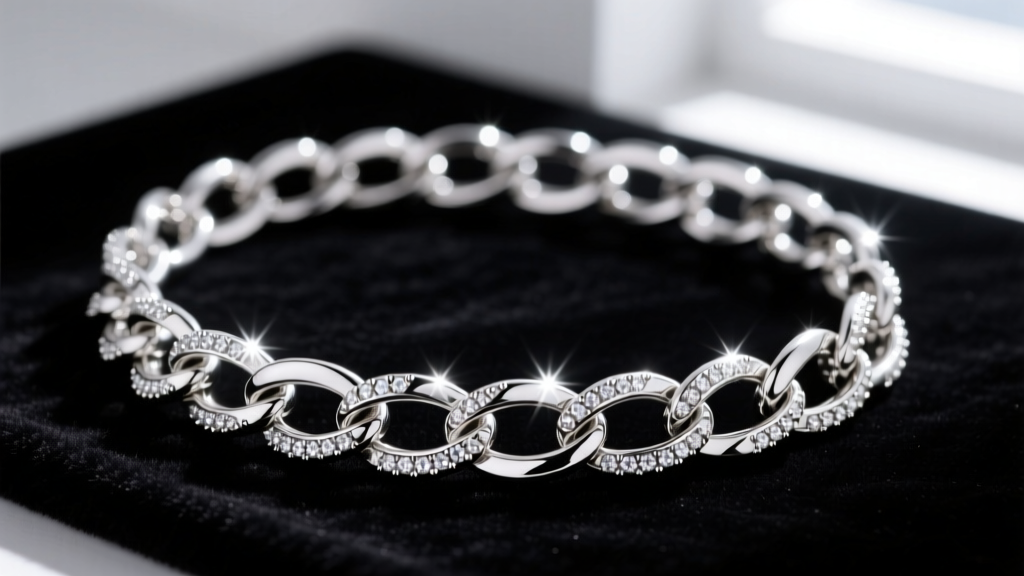
Serpentine vs. Snake Chain: Clearing the Confusion
Beginners frequently confuse serpentine chains with snake chains. While both offer a smooth, tubular silhouette, their structural integrity and manufacturing processes are vastly different. Understanding this distinction is critical, as it dictates how the necklace will wear over time.
| Feature | Serpentine Bead Chain | Traditional Snake Chain |
|---|---|---|
| Link Structure | Visible, flattened S-shaped links laid parallel. | Tightly wound, slightly wavy rings forming a seamless tube. |
| Flexibility | Highly flexible, drapes fluidly in all directions. | Semi-rigid, holds its circular shape when unclasped. |
| Repairability | Easy to repair; a jeweler can replace individual S-links. | Extremely difficult to repair; often requires complete replacement if kinked. |
| Surface Texture | Faceted, textured edges (the 'bead' effect). | Smooth, continuous, sleek metallic surface. |
Because the serpentine bead necklace is made of distinct, interlocking links, it is far more forgiving and easier to maintain long-term compared to the notoriously fragile snake chain.
Choosing the Right Gauge and Metal Grade
When shopping for a serpentine bead necklace, the thickness (gauge) and the metal purity will dictate both the price and the longevity of the piece. Here is a practical framework for making your selection.
1. Understanding Chain Gauges
The gauge refers to the millimeter (mm) width of the chain. For serpentine bead necklaces, the width dramatically changes the visual weight and the way the 'beads' catch the light.
- Delicate (0.8mm - 1.2mm): Best for layering or holding lightweight pendants. The diamond-cut beads will look like tiny, sparkling seeds. This gauge is prone to tangling if not stored properly.
- Medium (1.5mm - 2.5mm): The sweet spot for everyday wear. At this width, the diamond-cut facets are large enough to create a distinct 'bead' illusion. It is strong enough to wear alone but light enough for all-day comfort.
- Chunky (3.0mm - 5.0mm+): A bold, statement-making width. The links are wide, creating a pronounced, vintage-inspired beaded texture. Ideal for wearing solo over high necklines.
2. Metal Grades and Purity
According to the Gemological Institute of America (GIA), understanding metal alloys is essential for avoiding premature tarnish and skin irritation.
- 925 Sterling Silver: The most common and affordable choice. Ensure it is rhodium-plated to prevent the copper in the alloy from oxidizing and turning your skin green.
- 14k or 18k Solid Gold: The ultimate investment. 14k offers superior scratch resistance for the delicate diamond-cut facets, while 18k provides a richer, warmer yellow hue.
- Gold Vermeil: A beginner-friendly alternative to solid gold. By industry standards, vermeil must be a thick layer of gold (at least 2.5 microns) plated over a sterling silver base. Avoid standard 'gold plated' brass, as the friction of the S-links will quickly wear through the plating.
Styling Framework: Matching Necklines to Chain Widths
The fluid drape of a serpentine bead necklace makes it incredibly versatile, but pairing the correct gauge with the right neckline is the secret to looking polished rather than cluttered.
Pro Tip: The diamond-cut facets of a serpentine bead chain reflect light outward. If you are wearing it in low-light environments (like evening dinners), opt for a wider 2.5mm gauge to maximize the sparkle against your skin.
The V-Neck and Wrap Dress
Pair a V-neckline with a medium-width (1.5mm to 2.0mm) serpentine bead necklace that sits exactly at the collarbone (typically a 16-inch choker length). The V-shape of the clothing frames the chain, while the beaded texture fills the negative space without overwhelming the outfit.
The Crew Neck and T-Shirt
For casual crew necks, layering is your best approach. Use a delicate 1.0mm serpentine bead chain at 14 inches, paired with a thicker 3.0mm traditional cable chain at 18 inches. The contrasting textures create a curated, modern aesthetic.
The Scoop Neck and Blouse
A longer, 20-inch or 22-inch serpentine bead necklace in a chunky 4.0mm gauge works beautifully as a matinee-length piece over a silk scoop-neck blouse. The weight of the larger S-links will create a elegant, sweeping drape that mimics a strand of pearls.
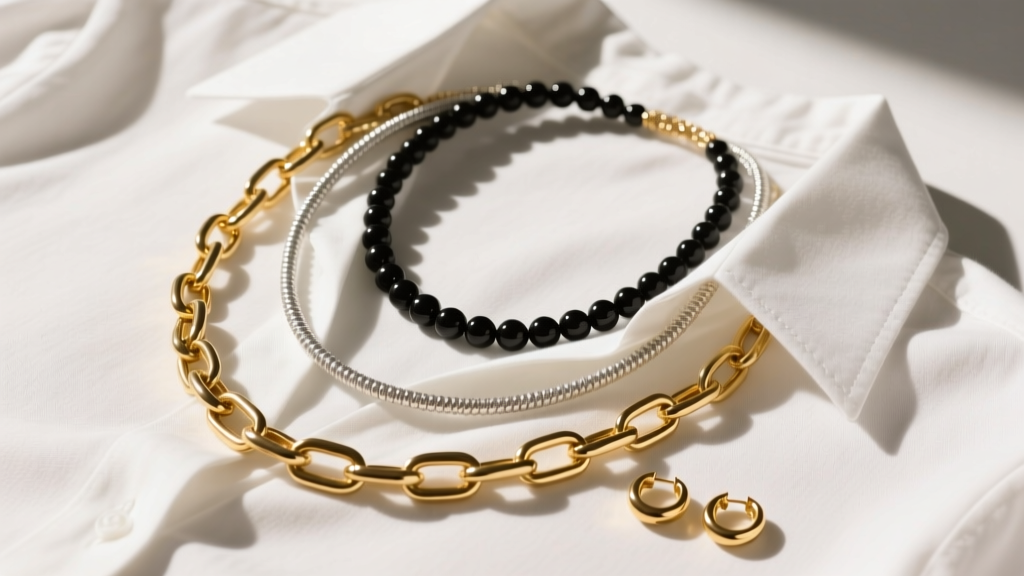
The 'No-Kink' Care and Storage Protocol
While more forgiving than snake chains, the flattened S-links of a serpentine bead necklace are still susceptible to kinking if bent sharply backward against their natural hinge. A kinked link disrupts the fluid drape and can eventually lead to metal fatigue and snapping. The Jewelers of America emphasizes that proper storage is the primary defense against chain damage.
How to Store It
Never toss a serpentine bead necklace into a crowded jewelry box. The S-links can easily catch on the prongs of rings or the clasps of other chains. Always store it laid perfectly flat in a soft microfiber pouch, or hang it from a dedicated jewelry hook to let gravity keep the links aligned.
How to Clean the Facets
The tiny diamond-cut facets that create the 'bead' illusion are magnets for lotion, sebum, and dust. When these facets get dirty, the chain loses its sparkle and looks like dull, gray wire.
- The Soak: Mix a few drops of mild, phosphate-free dish soap into a bowl of lukewarm water.
- The Agitation: Submerge the necklace and gently swish it around for 3 to 5 minutes. Do not use a hard-bristled toothbrush, as this can scratch the polished facets.
- The Rinse: Rinse thoroughly under lukewarm running water, ensuring the drain is plugged.
- The Dry: Pat dry with a lint-free microfiber cloth. Avoid air-drying, as water spots will settle into the crevices between the S-links.
Troubleshooting Minor Kinks
If your chain develops a slight kink, do not pull it. Lay the necklace flat on a hard surface and use the smooth, rounded barrel of a pen to gently roll over the kinked area, applying very light pressure. This encourages the S-links to realign without stressing the metal joints.
Final Thoughts
The serpentine bead necklace is a masterclass in jewelry design, offering the elegance of a beaded strand with the durability and flexibility of a metal chain. By understanding the difference between diamond-cut facets and bead stations, selecting the appropriate gauge for your wardrobe, and committing to flat storage, you can ensure this versatile piece remains a cornerstone of your jewelry collection for decades to come. Whether you choose a delicate sterling silver layering piece or a chunky 14k gold statement chain, the serpentine bead necklace is an investment in timeless, fluid style.


