EMF Necklace Value Guide: Are Shungite & Copper Pendants Worth It?
Assessing the true value of EMF necklaces in 2026. We break down shungite, orgonite, and copper pendant pricing, material grades, and fake-spotting tests.

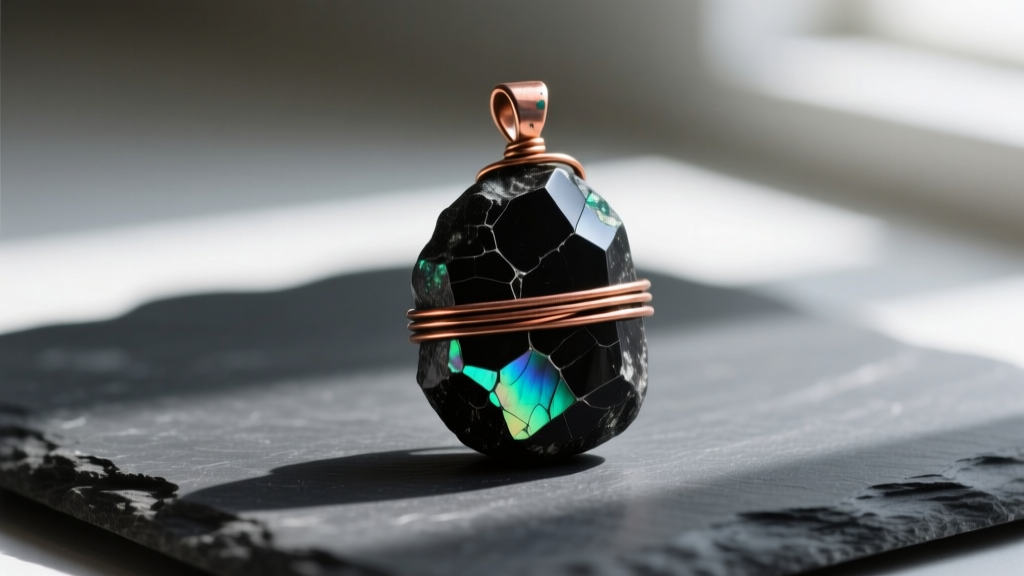
The wellness jewelry market has exploded over the last decade, and the EMF necklace remains one of the most polarizing and heavily marketed categories in the space. Marketed to harmonize, ground, or block electromagnetic fields, these pendants are typically crafted from shungite, orgonite, or pure copper. But as a jewelry buyer, how do you separate genuine material value from metaphysical markup?
From a gemological and metallurgical perspective, the intrinsic value of an EMF necklace depends entirely on material grade, craftsmanship, and hardware quality. In 2026, the market is flooded with synthetic knockoffs and overpriced resin casts. This guide provides a strict budget and value assessment, helping you determine what you should actually pay for these specialized pendants and how to avoid common consumer traps.
The Anatomy of an EMF Necklace: Materials vs. Marketing
To assess value, we must first strip away the marketing claims and look at the raw materials. The FTC strictly regulates jewelry marketing claims, and while metaphysical properties fall into a gray area, the physical composition of the jewelry does not. According to the Federal Trade Commission's Jewelry Guides, sellers must accurately represent the metallic and mineral content of their pieces.
The EMF jewelry market is dominated by three primary materials:
- Shungite: A rare, carbon-rich mineraloid found almost exclusively in Karelia, Russia. It is prized for its unique fullerenes and high carbon content.
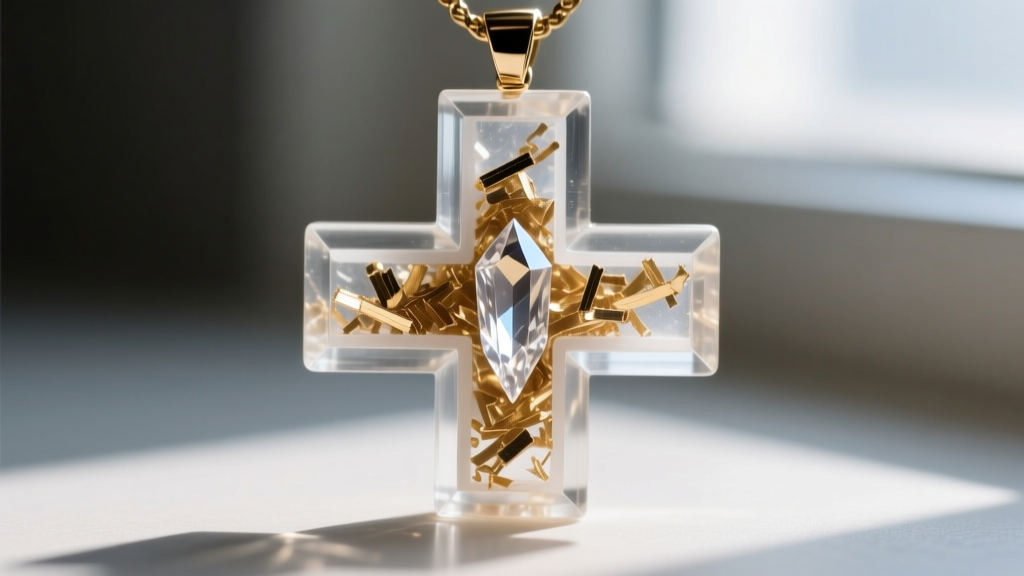
- Orgonite: A composite material made of resin, metal shavings, and quartz crystals, based on the theories of Wilhelm Reich. It is entirely man-made.
- Copper: A highly conductive base metal used in grounding jewelry, valued for its natural antimicrobial properties and distinct reddish-brown hue.
Price Breakdown: What You Should Actually Pay
When evaluating an EMF necklace, you are paying for the raw material, the lapidary work (cutting and polishing), and the hardware. Below is a realistic 2026 pricing matrix to help you benchmark value.
| Material | Grade / Type | Fair Market Price | Jewelry Durability | Primary Red Flags |
|---|---|---|---|---|
| Shungite | Type I (Elite/Noble) | $60 - $150+ | Very Low (Friable) | Drilled beads, high polish, low price |
| Shungite | Type II/III (Black) | $25 - $50 | Moderate | Leaves no streak, overly lightweight |
| Orgonite | Epoxy Resin w/ Quartz | $30 - $75 | High | Sticky surface, strong chemical odor |
| Orgonite | Polyester Resin | $15 - $35 | Moderate (Yellows) | Brittle, causes skin irritation |
| Copper | 99.9% Pure (C11000) | $20 - $60 | Low (Tarnishes/Oxidizes) | Alloyed with nickel, lacks sealing |
Spotting Fakes: The Shungite and Orgonite Trap
The highest profit margins in the EMF necklace space come from selling fake shungite and cheap orgonite at premium prices. Because shungite is relatively obscure compared to quartz or amethyst, consumers often lack the knowledge to verify authenticity.
The Shungite Streak and Density Test
According to Mindat.org's mineralogical database, genuine shungite has a specific gravity (density) of roughly 2.1 to 2.4 g/cm³ and a distinct black to gray streak. The most common counterfeit is dyed coal, black glass, or molded hematite powder.
Actionable Testing Framework:
- The Streak Test: Rub the unpolished edge of the pendant against an unglazed porcelain tile. Real shungite will leave a dark gray or black powdery streak. Fake coal often leaves a brown streak, while glass or hematite composites will leave no streak at all or scratch the tile.
- The Weight Test: Shungite is dense. A 30mm black shungite sphere should feel noticeably heavier than a similarly sized piece of obsidian or onyx.
- The Elite Shungite Rule: Type I (Elite) shungite contains 90-98% carbon. It is incredibly fragile and cannot be tumbled, polished, or easily drilled without shattering. If a seller offers perfectly round, highly polished, drilled 'Elite Shungite' beads for $20, you are buying counterfeit material. Elite shungite must be sold as raw, irregular chunks, usually wrapped in wire.
Orgonite: Resin Grades and Skin Safety
Orgonite is essentially a paperweight repurposed as wellness jewelry. The material cost for a standard 2-inch pendant is under $4 (resin, aluminum shavings, and a tumbled quartz chip). The value assessment here relies entirely on the type of resin used and the aesthetic execution.
Cheap manufacturers use polyester resin. It is brittle, yellows rapidly when exposed to UV light (sunlight), and frequently retains unreacted styrene, which can cause contact dermatitis when worn against the chest. High-value orgonite jewelers use epoxy resin or UV-curing eco-resins. These remain crystal clear, do not off-gas after curing, and are safe for prolonged skin contact. When budgeting for an orgonite EMF necklace, never pay over $40 unless the piece features genuine gemstone inclusions (like real turquoise or lapis lazuli) rather than dyed howlite or glass.
The Copper Conundrum: Alloys and Oxidation
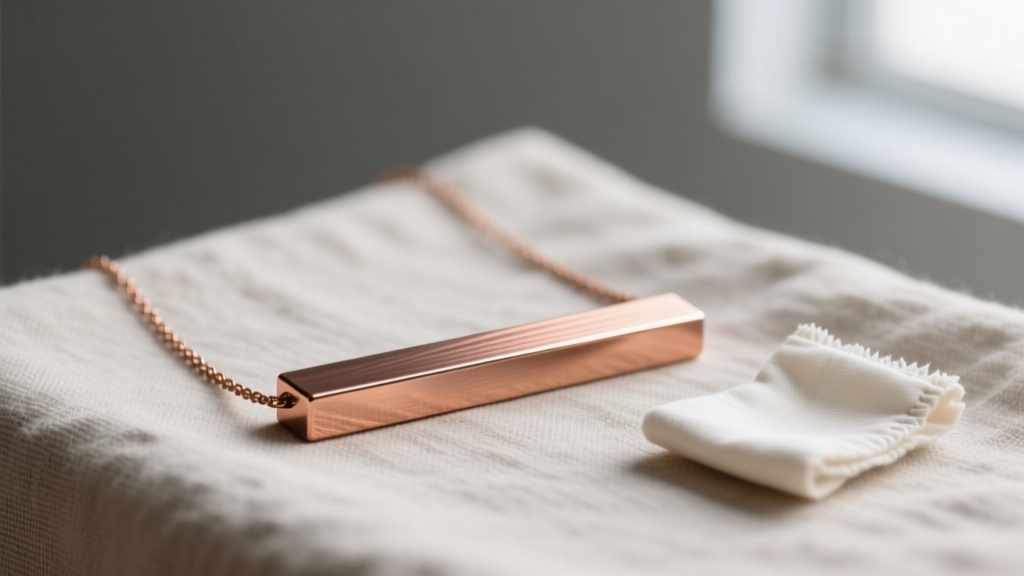
Copper EMF necklaces are usually sold as solid bars, torcs, or stamped pendants. The metallurgical standard for pure copper jewelry is C11000 (99.9% pure copper). However, pure copper reacts rapidly with the oxygen, moisture, and acidity of human sweat, forming copper chloride—the compound responsible for turning your skin green.
From a value perspective, a high-quality copper EMF necklace must be treated with a jewelry-grade sealant. Look for makers who explicitly state they use ProtectaClear or Renaissance Wax. Unsealed copper pendants should be significantly cheaper (under $25), as you will need to maintain and polish them weekly. Furthermore, ensure the copper is not alloyed with nickel to increase hardness, as nickel is a primary allergen that defeats the purpose of wearing natural, grounding metals.
Chain Pairing and Hardware: Where the Real Value Lies
A common failure mode in the wellness jewelry market is pairing a $100 genuine shungite pendant with a $5 hollow brass or mystery-metal chain. This not only ruins the aesthetic but introduces skin irritants and guarantees the chain will snap under the weight of dense minerals.
When assessing the total value of an EMF necklace bundle, scrutinize the chain and jump rings:
- Grade 23 Titanium (Ti-6Al-4V): The ultimate pairing for heavy shungite. It is lightweight, entirely hypoallergenic, and possesses a tensile strength that will never snap under a heavy pendant.
- ASTM F138 Stainless Steel: Surgical-grade steel is an excellent, budget-friendly alternative. It resists tarnish and holds heavy orgonite pendants securely.
- Solid Sterling Silver (925): A premium choice, but ensure the jump rings are soldered shut. Shungite is heavy; an unsoldered silver jump ring will easily pull apart over time.
Final Verdict: Assessing the True Worth
Are EMF necklaces worth the investment? If you are purchasing them strictly for their scientifically unproven ability to block 5G or Wi-Fi radiation, the value proposition is inherently flawed. However, if you are purchasing them as intentional wellness fashion—valuing the unique geological history of Karelian shungite, the artisanal craft of clear-cast orgonite, or the minimalist warmth of sealed C11000 copper—then they hold distinct value.
To protect your budget in 2026, demand transparency. Require sellers to specify their shungite type, their resin grade, and their copper sealants. By focusing on material integrity and structural durability, you can build a grounding jewelry collection that offers genuine aesthetic and material value, free from the inflated metaphysical markup.


