Every Necklace Clasp Name & How to Clean and Maintain Them
Discover every necklace clasp name and learn expert cleaning, maintenance, and repair tips to keep your jewelry secure and tarnish-free.

Why Your Necklace Clasp Name Dictates Its Care Routine
When a client asks for the specific necklace clasp name of their favorite piece, they are usually thinking about aesthetics or replacement parts. However, as a jewelry care specialist, I look at the clasp name and immediately see a mechanical blueprint. The name of your clasp tells you exactly what internal alloys are at play, where dirt will accumulate, and which cleaning chemicals will cause catastrophic failure.
Maintaining a necklace is not just about polishing the chain or protecting the pendant. The clasp is the single highest-stress component on the entire piece. A failure here means a lost necklace. In this comprehensive guide, we will break down the most common clasp mechanisms, the metallurgical realities of their internal springs, and the exact protocols for cleaning and maintaining them to ensure longevity.
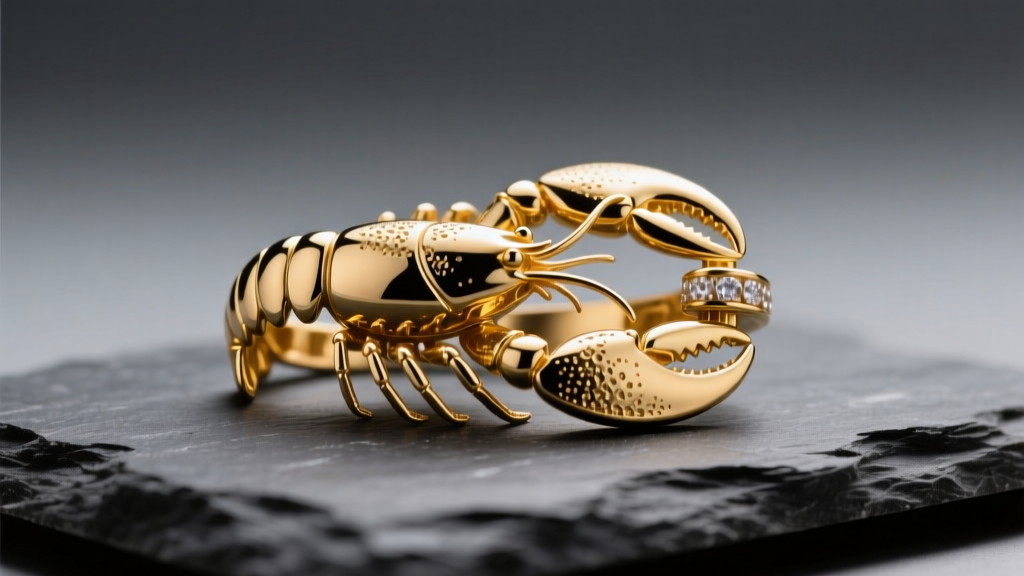
The Lobster Clasp: Identification, Care, and Spring Replacement
The lobster clasp is named for its resemblance to a lobster’s claw. It features a small lever that pushes an internal plunger down, compressing a tiny spring to open the gate. While the outer shell of a high-end lobster clasp might be stamped 14k or 18k gold, the internal spring is almost never gold. Gold is a malleable precious metal; it lacks the memory and tension required for a spring. Therefore, manufacturers use stainless steel or spring brass for the internal mechanism.
The Chlorine Danger
This metallurgical mismatch is the root of the most common lobster clasp failure. If you wear your necklace in a chlorinated pool or clean it with bleach-based solutions, the chlorine will cause stress corrosion cracking in the stainless steel spring. The gold shell will remain perfectly intact, but the spring will snap without warning. To clean a lobster clasp safely:
- Use a few drops of pH-neutral dish soap (like Dawn) in lukewarm water.
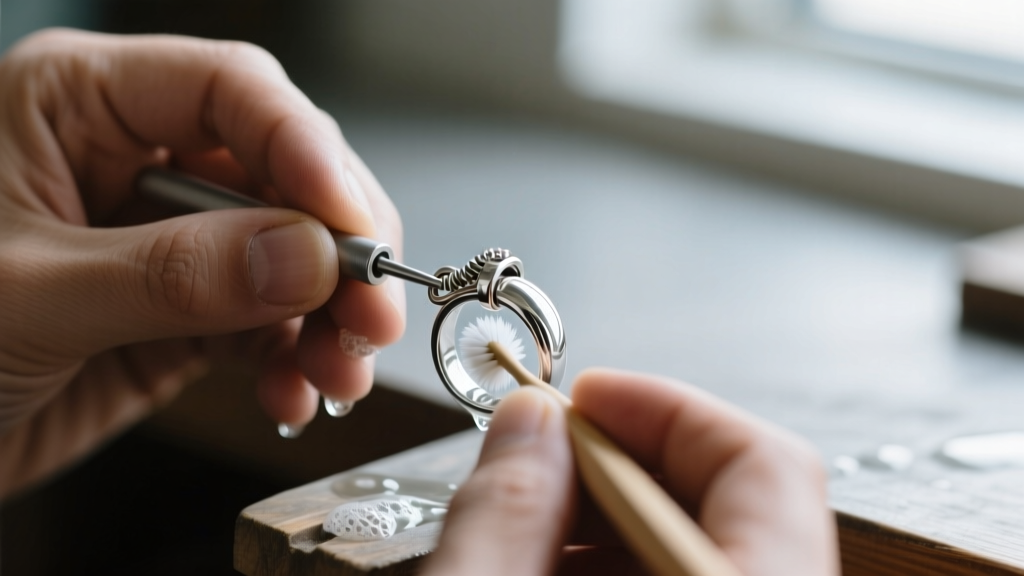
- Agitate the water to create suds, then dip a soft baby toothbrush into the suds only.
- Gently brush the lever and the gate opening to dislodge sebum and lotion buildup.
- Rinse with distilled water and dry immediately with a microfiber cloth to prevent water spots on the gold.
Spring Ring Clasps: Ultrasonic Cleaning and Tension Checks
The spring ring is the classic circular clasp featuring a small knob that slides along a track to retract the internal wire. These are common on lighter chains, such as 1mm to 2mm cable or curb chains. The primary vulnerability of the spring ring is the tiny jump ring that completes the circle. This jump ring is soldered shut, and the solder joint is incredibly small.
Ultrasonic Cleaner Risks
While ultrasonic cleaners operating at 42kHz are fantastic for removing tarnish from sterling silver chains, they pose a specific risk to spring ring clasps. The high-frequency cavitation can vibrate the microscopic solder joint on the jump ring. If the solder was poorly flowed during manufacturing, the ultrasonic waves can fracture it, causing the clasp to unspool and detach from the necklace. Always inspect the solder seam on a spring ring under a 10x jeweler's loupe before placing it in an ultrasonic bath. If you see a dark line or a gap, bypass the machine and clean it manually with a polishing cloth.
Box Clasps with Safety Latches: Deep Cleaning Hinge Mechanisms
Often found on heavy tennis bracelets and substantial pearl necklaces, the box clasp (also known as a tongue-and-groove clasp) relies on friction and mechanical interlocking. A V-shaped or folded piece of metal (the tongue) is compressed and inserted into a hollow box, where it expands and locks into place. High-quality box clasps also feature a 'figure-eight' safety wire that snaps over a small bead on the side of the box.
Restoring Friction Fit
The most common issue with a box clasp is not mechanical breakage, but a loss of friction due to impacted debris. Lotions, dead skin cells, and soap scum pack into the groove of the box, preventing the tongue from seating fully. When this happens, the clasp feels loose and may pop open.
Expert Tip: Never use a metal needle or pin to dig debris out of a box clasp groove. Steel tools will scratch the soft gold or silver interior, altering the microscopic tolerances and permanently ruining the friction fit. Instead, use a wooden toothpick or a soft silicone interdental brush to gently sweep the groove clean.
Toggle and Magnetic Clasps: Polishing and Demagnetization Risks
Toggle clasps consist of a T-bar that slips through a circular ring. They are beloved for their ease of use and aesthetic appeal, but they require specific maintenance. The constant friction of the T-bar sliding against the inner edge of the ring will eventually wear down the metal. For hollow-toggle designs, this wear can lead to cracking. Regularly inspect the inner rim of the ring for thinning, and polish the contact points with a rouge cloth to reduce friction drag.
Magnetic clasps, which use powerful neodymium magnets encased in metal shells, are popular for accessibility. However, neodymium magnets are brittle and sensitive to mechanical shock. Dropping a necklace with a magnetic clasp onto a hard tile floor can cause micro-fractures inside the magnet, reducing its holding power. Furthermore, avoid using heat-based cleaning methods (like steam cleaners) directly on the magnetic housing, as excessive heat can degrade the magnetic domain over time.
Comparison Table: Clasp Types, Failure Modes, and Cleaning Agents
| Necklace Clasp Name | Primary Failure Mode | Safe Cleaning Agent | Tools Required |
|---|---|---|---|
| Lobster Claw | Internal spring corrosion via chlorine | pH-neutral dish soap | Baby toothbrush, microfiber cloth |
| Spring Ring | Solder joint fracture on jump ring | Silver dip (for sterling only) | 10x Loupe, polishing cloth |
| Box Clasp | Loss of friction due to impacted debris | Isopropyl alcohol (90%+) | Wooden toothpick, interdental brush |
| Toggle | Metal thinning on the inner ring edge | Mild jewelry polishing compound | Rouge cloth, calipers for measuring wear |
| Magnetic | Internal magnet shattering from impact | Damp microfiber cloth only | Lint-free wiping cloth |
Expert Troubleshooting: Sticky Springs and Tarnished Contacts
Even with meticulous cleaning, mechanical clasps can become sticky or difficult to operate. This is usually caused by the degradation of factory-applied lubricants or the intrusion of microscopic dust into the lever track.
What to Do When a Lever Sticks
If your lobster clasp lever feels gritty or fails to snap back quickly, do not reach for WD-40. Standard household lubricants contain solvents that will strip away existing factory grease and attract more dust, creating a thick sludge that will eventually lock the mechanism entirely. Instead, use a microscopic drop of synthetic watch oil (like Moebius 9010) applied with a fine oiler pin directly to the lever pivot. Work the lever back and forth a dozen times to distribute the oil, then wipe away any excess from the exterior shell.
Addressing Tarnish on Sterling Silver Clasps
Sterling silver (925) is highly prone to sulfide tarnish. Because clasps have deep crevices and moving parts, tarnish often builds up in the unreachable areas of a spring ring or lobster gate. According to the Federal Trade Commission (FTC) Jewelry Guides, sterling silver must meet specific purity standards, but the copper alloyed into the silver to provide hardness is exactly what reacts with sulfur in the air. For deep crevice tarnish on silver clasps, an ionic cleaner is vastly superior to chemical dips, as it uses electrolysis to reverse the tarnish reaction without stripping the silver or damaging the internal steel springs.
Conclusion
Knowing the correct necklace clasp name is the first step in establishing a proper, lifelong maintenance routine for your jewelry. Whether you are managing the delicate solder joints of a spring ring, protecting the steel springs inside a gold lobster clasp, or clearing debris from a box clasp groove, targeted care prevents catastrophic failures. By avoiding harsh chemicals, utilizing the correct micro-tools, and performing monthly mechanical inspections, you ensure that the most critical component of your necklace remains as secure and beautiful as the day it was crafted.


