Shedeur Sanders Necklace Guide: 2026 Styles & How to Buy
Discover how to build the ultimate Shedeur Sanders necklace stack in 2026. Compare lab diamonds, moissanite, and 14k gold chains for the perfect athlete drip.

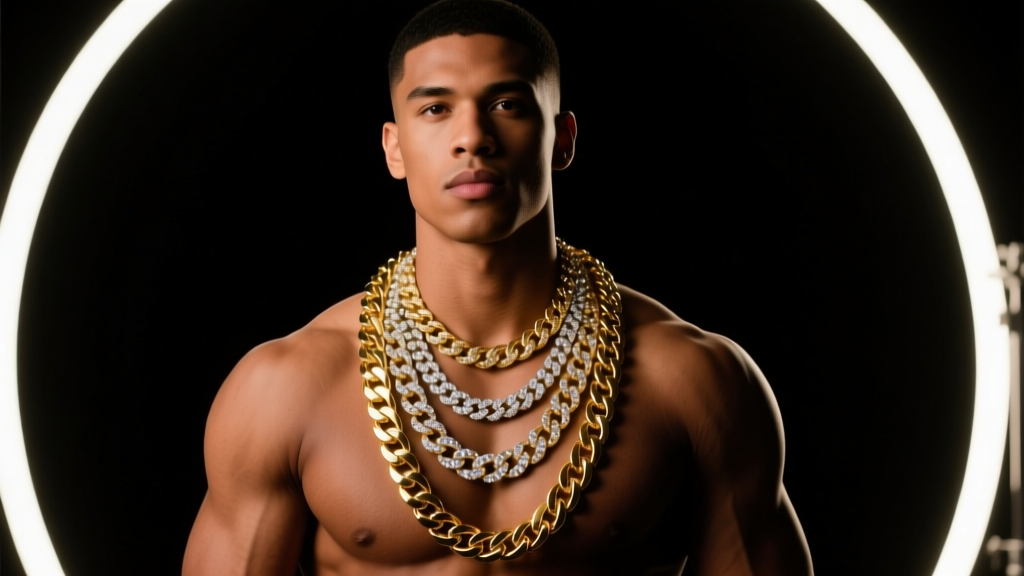
The cultural footprint of collegiate and professional athletes on men's fashion has never been more pronounced, and at the center of this movement is the highly searched Shedeur Sanders necklace aesthetic. Known for his unapologetic 'quarterback swagger,' Sanders has popularized a specific tier of athletic jewelry: bold, layered, and unapologetically brilliant. As we move through 2026, replicating this high-end 'drip' no longer requires a professional sports contract, provided you understand the metallurgy, gemology, and structural mechanics behind the jewelry.
This comprehensive buying guide deconstructs the exact anatomy of a Shedeur-inspired chain stack, helping you navigate material grades, chain links, and layering frameworks to achieve the look without falling victim to common retail traps.
Deconstructing the Shedeur Sanders Necklace Aesthetic
The signature Shedeur Sanders necklace look is rarely a single piece; it is a meticulously calculated stack. To achieve this, you must understand the three foundational layers that create depth and prevent the chains from tangling into a single metallic knot.
The Base Layer: The Anchor Chain
The foundation is typically a Miami Cuban link or a hollow-rope chain. For the Sanders aesthetic, the width should sit between 10mm and 14mm. This piece sits highest on the neck, usually at an 18-inch or 19-inch length. Its primary job is to provide a heavy, metallic backdrop that contrasts with the diamond-heavy layers below.
The Statement Layer: The Tennis Chain
This is where the brilliance happens. A prong-set diamond (or high-grade simulant) tennis chain, typically 5mm to 8mm in width, rests at 20 to 22 inches. The prong setting is crucial here; unlike 'bust-down' chains where diamonds are set flush into the metal, prong settings allow light to enter the pavilion of the stone from all angles, maximizing the fire and scintillation that cameras catch on the field.
The Pendant Layer: The Iced Cross or Custom Piece
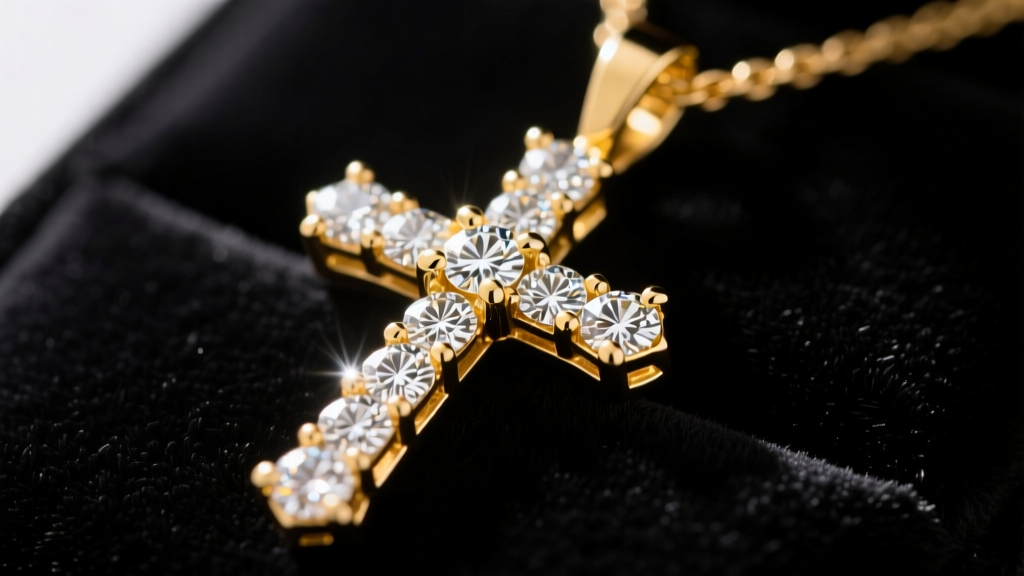 The final layer often features a substantial pendant, such as an iced-out cross or a custom monogram piece, hanging from a 24-inch or 26-inch chain. This pendant should be bail-heavy and feature VVS-grade stones to ensure it catches the light independently of the tennis chain.
Material Grades: Navigating Stones and Simulants
When shopping for a Shedeur Sanders necklace stack, the stones you choose will dictate 80% of the cost. In 2026, the market is dominated by three main categories. Understanding the optical and physical properties of each is vital for making an informed purchase.
Natural vs. Lab-Grown Diamonds
According to the Gemological Institute of America (GIA), lab-grown diamonds possess the exact same chemical, physical, and optical properties as natural diamonds. For an athlete-style chain, opting for lab-grown diamonds in the VS1 to VVS1 clarity range with F-G color grades offers the exact same visual impact as natural stones but at roughly 30% to 40% of the cost. This allows you to achieve the massive 10-carat total weight (CTW) look without the six-figure price tag.
The Moissanite Alternative
Moissanite has surged in popularity for athletic jewelry due to its high refractive index (2.65), which actually gives it more 'fire' (rainbow flashes) than a diamond (2.42). However, buyers must be aware of the 'tester trap.' While moissanite passes standard thermal diamond testers, it will fail an electrical conductivity test. If you buy a moissanite Shedeur Sanders necklace, ensure you are comfortable with the fact that it is a simulant, albeit a highly durable one (9.25 on the Mohs scale). For a deep dive into simulant properties, refer to the GIA Moissanite Guide.
Avoiding Cubic Zirconia (CZ)
Under no circumstances should you purchase CZ for a permanent stack. CZ is porous, attracts oils, and will become cloudy and scratched within 6 to 12 months of daily wear, completely ruining the high-end aesthetic you are trying to achieve.
Gold Purity and Chain Construction Mechanics
The metal holding your stones is just as critical as the stones themselves. The 'Shedeur' look heavily favors yellow gold, but the karat weight you choose affects both durability and color.
- 10k Gold (41.7% pure): The most durable and scratch-resistant, but has a noticeably pale yellow hue. Often used in entry-level 'iced out' jewelry.
- 14k Gold (58.5% pure): The undisputed sweet spot for athletic chains. It offers a rich, warm yellow color while maintaining enough alloyed metals (like copper and zinc) to withstand the heavy weight of diamond pendants without stretching.
- 18k Gold (75% pure): Visually stunning with a deep, buttery yellow tone, but significantly softer. If you are buying an 18k tennis chain, ensure it has a reinforced box clasp, as the links are more prone to warping under tension.
Pro-Tip on White Gold: If you prefer a white metal stack, remember that white gold is naturally yellowish and is rhodium-plated to look white. A heavily worn tennis chain will require re-plating every 12 to 18 months to maintain that icy, platinum-like finish.
2026 Pricing & Material Comparison Matrix
To help you budget for your Shedeur Sanders necklace stack, we have compiled a real-world pricing matrix based on current 2026 market rates for a standard 20-inch, 5mm tennis chain (approx. 8.5 CTW).
| Stone Type | Metal Base | Clarity/Color | Est. Price Range | Longevity & Wear |
|---|---|---|---|---|
| Cubic Zirconia | 10k Gold / Plated | N/A | $300 - $800 | Poor (Clouds in <1 yr) |
| Moissanite | 14k Solid Gold | VVS / D-E | $1,800 - $3,500 | Excellent (Lifetime) |
| Lab-Grown Diamond | 14k Solid Gold | VS1 / F-G | $4,500 - $8,500 | Excellent (Lifetime) |
| Natural Diamond | 14k/18k Solid Gold | SI1-VS2 / G-H | $12,000 - $25,000+ | Excellent (Lifetime) |
The 2-Inch Layering Framework
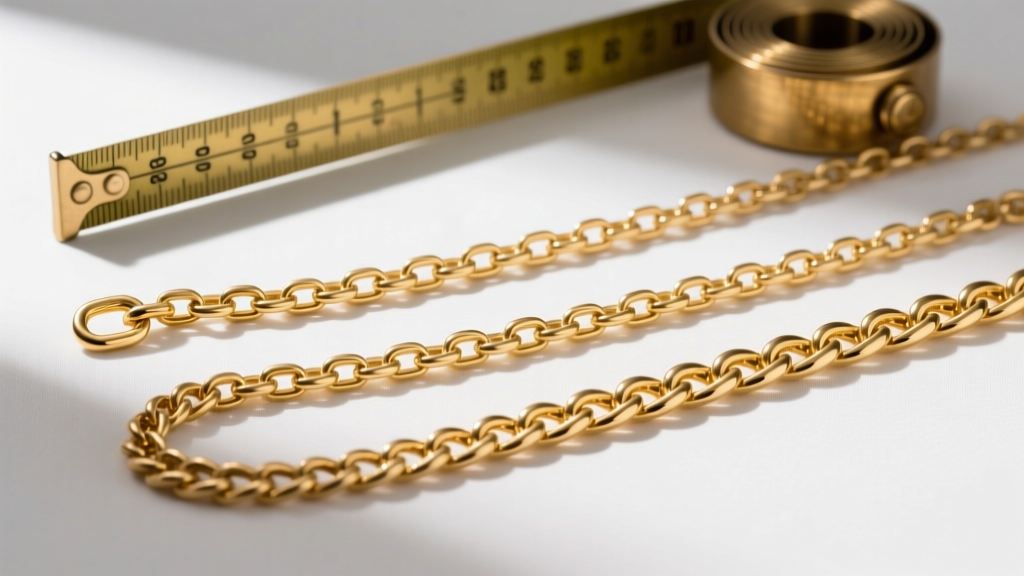 The most common mistake buyers make when attempting the Shedeur Sanders necklace stack is purchasing chains that are too close in length, resulting in a tangled mess. To achieve the effortless, staggered look, you must adhere to the 2-Inch Rule.
Step-by-Step Sizing Guide
- Layer 1 (The Choker/Cuban): 18 inches. This sits right at the base of the neck and frames the jawline.
- Layer 2 (The Tennis Chain): 20 or 21 inches. This rests on the upper chest, providing a clear 2-to-3-inch visual gap below the first chain.
- Layer 3 (The Pendant): 24 inches. This draws the eye downward, creating a 'V' shape that complements the V-neck of a jersey or the open collar of a button-down shirt.
Furthermore, always ensure your chains feature different link styles. Pairing a smooth rope chain with a faceted Cuban link prevents the metal from catching on itself, drastically reducing tangling.
Red Flags: What to Avoid When Buying
The internet is flooded with deceptive jewelry marketing. When hunting for your stack, keep these critical red flags in mind:
The 'Gold Plated' Trap: Many retailers sell 'iced out' chains that are actually brass or sterling silver with a microscopic layer of gold plating. The friction of a heavy diamond tennis chain will wear through this plating in weeks, leaving you with a green neck and a tarnished chain. Always look for the stamp: '14k', '585', or 'Solid'.
Clasp Integrity
A 5mm tennis chain can easily weigh over 40 grams. A standard lobster clasp is insufficient for this weight and will eventually snap or slip open. You must insist on a box clasp with double safety latches (the small figure-eight wires that snap over the side of the clasp). If a retailer is selling a heavy tennis chain with a simple spring-ring clasp, walk away immediately.
Hollow vs. Solid Links
While a 14mm hollow Cuban chain looks massive and is lightweight on the neck, it is highly susceptible to denting and crushing. If it gets snagged on clothing or equipment, the links will collapse and cannot be easily repaired by a jeweler. Always invest in semi-solid or solid links for the base chain to ensure it survives the rigors of daily athletic wear.
Final Thoughts on the Athlete Drip
Building the perfect Shedeur Sanders necklace stack is an exercise in balancing visual weight, material science, and personal budget. By prioritizing 14k solid gold, opting for high-grade lab-grown diamonds or moissanite, and strictly following the 2-inch layering rule, you can curate a collection that commands respect both on the field and off. Remember, true luxury in men's jewelry isn't just about the price tag; it's about the precision of the cut, the integrity of the clasp, and the confidence of the stack.


