Shein Nazi Necklace Controversy: Returns and Refund Guide
Caught in the Shein nazi necklace controversy? Learn how to identify offensive fast-fashion pendants, process returns, and find ethical jewelry alternatives.

When consumers search for the term shein nazi necklace, they are typically reacting to viral social media callouts regarding fast-fashion marketplaces inadvertently (or negligently) listing pendants featuring hate symbols. In the 2026 e-commerce landscape, algorithmic sourcing and third-party seller uploads frequently result in severe cultural misappropriations. Shoppers often receive these items as gifts or purchase them unknowingly due to misleading product titles like 'retro geometric sun wheel' or 'vintage tribal cross.' If you have received an offensive pendant and need to navigate the return process, understand the metallurgical risks, or identify the true nature of the symbol, this troubleshooting guide provides the exact steps you need.
Identifying the Symbol: Hate Symbol vs. Sacred Geometry
The root of the shein nazi necklace controversy lies in the visual overlap between the Nazi Hakenkreuz and the traditional Sauwastika (swastika), which is a sacred symbol in Hinduism, Buddhism, and Jainism. Fast-fashion supply chains often scrape 3D models from global marketplaces, stripping away cultural context and mislabeling sacred artifacts as 'edgy geometric jewelry.' Understanding the difference is critical before you contact customer service or dispose of the item.
| Feature | Nazi Hakenkreuz (Hate Symbol) | Traditional Sauwastika (Sacred Symbol) |
|---|---|---|
| Orientation | Right-facing (clockwise) | Often left-facing (counter-clockwise) or right-facing |
| Angle | Tilted 45 degrees (resting on a corner) | Flat (resting on a flat base line) |
| Accents | Stark, isolated, often monochromatic | Frequently includes dots, petals, or OM symbols |
| Context | Associated with hate, supremacy, and WWII | Used in temples, rituals, and spiritual jewelry |
According to the Anti-Defamation League's comprehensive guide on the swastika, the 45-degree tilt and right-facing orientation are the primary indicators of the Hakenkreuz. If the pendant you received matches the hate symbol profile, it violates virtually all marketplace community standards.
Troubleshooting the Shein Return Portal for Offensive Items
Returning an item that violates community guidelines requires a different approach than returning a standard garment that doesn't fit. Shein's automated return portal is designed for size exchanges and defective goods, not hate speech or offensive imagery. Here is the exact troubleshooting framework to secure your refund:
- Step 1: Do Not Use the Automated 'Dislike' Reason. If you select 'Item not as described' or 'Poor quality,' the system may reject the return or offer a partial refund. You must flag the item's nature.
- Step 2: Initiate a Live Chat Escalation. Open the Shein app, navigate to 'Support,' and bypass the bot by typing 'Agent' or 'Offensive Item.'
- Step 3: Provide Photographic Evidence. Take a well-lit photo of the pendant next to a standard coin for scale. State clearly: 'I received an item featuring a hate symbol (Hakenkreuz) which violates your Terms of Service. I am requesting an immediate refund and a prepaid disposal label.'
- Step 4: Secure the Refund. In most 2026 cases involving documented hate symbols, customer service agents are authorized to issue an immediate refund to your original payment method without requiring you to ship the offensive item back to a sorting facility. They will instruct you to destroy and discard it.
The Metallurgical Hazards of Ultra-Cheap Controversial Pendants
Beyond the severe ethical and social implications, there is a pressing health and safety issue associated with ultra-cheap, unregulated fast-fashion pendants. If you are considering keeping the necklace as a 'curiosity' or a conversation piece, you must understand the material composition.
Flash Plating and Base Metal Toxicity
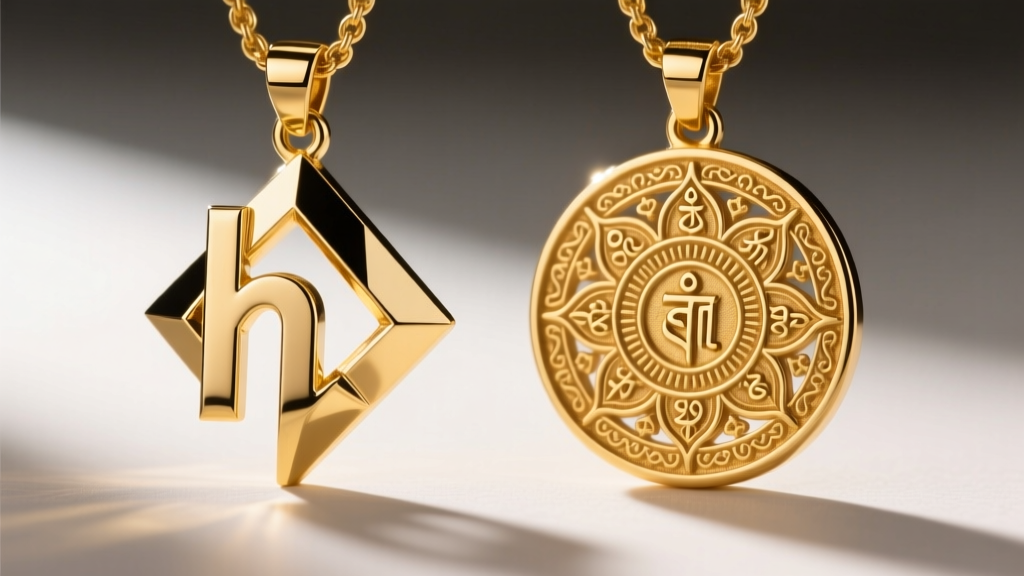
Investigative reports into fast-fashion jewelry supply chains consistently reveal the use of Zamak (a zinc alloy) or low-grade brass as base metals. To keep costs under $2.00 per unit, manufacturers use 'flash plating'—an incredibly thin layer of gold or silver-colored electroplating that wears off within days of contact with human skin.
More alarmingly, these unregulated base metals frequently contain dangerous levels of heavy metals. The Consumer Product Safety Commission warns that children's and adult jewelry sourced from unverified overseas marketplaces often exceeds the legal limits for lead and cadmium. A tarnished, controversial pendant sitting against your collarbone can cause contact dermatitis, nickel allergies, and long-term heavy metal exposure. From a metallurgical and safety standpoint, the only responsible action is to safely dispose of the pendant in a hazardous waste or e-waste bin, rather than standard trash, to prevent soil leaching.
Why Algorithmic Sourcing Continues to Fail
Why does the shein nazi necklace issue keep resurfacing years after the first major public apologies? The answer lies in automated catalog scraping. Third-party sellers use bots to harvest 3D CAD files and images from global wholesale directories. A sacred Buddhist pendant listed on a wholesale site in Asia can be automatically scraped, translated poorly, and uploaded to a Western-facing fast-fashion app under the tag 'gothic sun cross.' Without human moderation for jewelry CAD files, algorithms prioritize high-contrast, geometric shapes that generate clicks, entirely blind to historical and cultural context.
Ethical Alternatives for Sacred Geometry & Spiritual Pendants
If your original intent was to purchase a genuine spiritual pendant, sacred geometry piece, or cultural artifact, you must pivot away from ultra-fast fashion. The Federal Trade Commission's Jewelry Guides emphasize the importance of accurate material and origin representation, which is entirely absent in algorithmic fast-fashion.
Where to Source Authentic Spiritual Jewelry
To ensure you are wearing a piece that respects its origins and is safe for your skin, look for the following markers of quality:
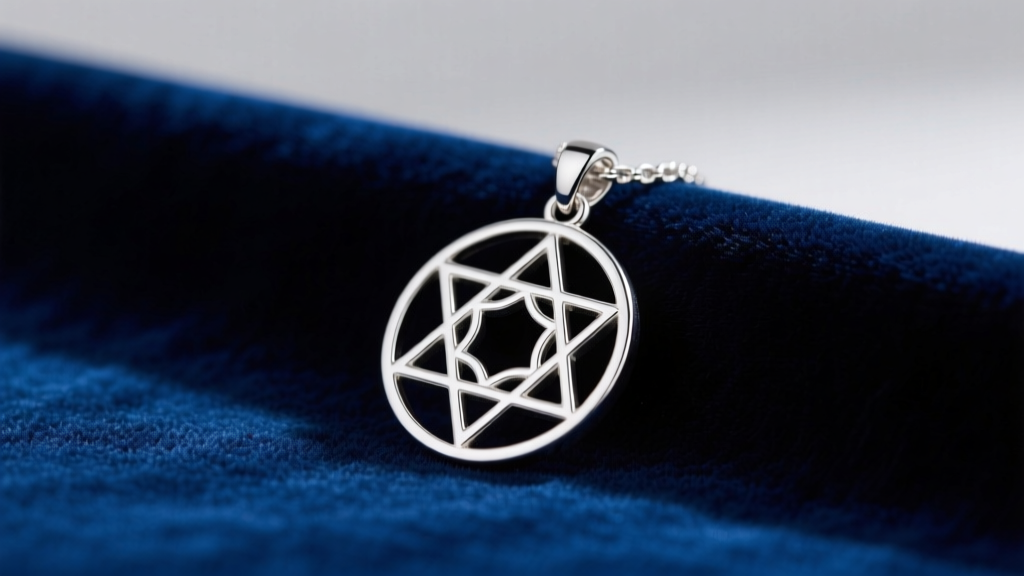
- Material Transparency: Seek out pendants cast in solid 925 sterling silver, 14k gold, or surgical-grade titanium. These metals are hypoallergenic and will not leach toxins.
- Artisan Direct Sourcing: Purchase directly from artisans on platforms like Etsy or specialized spiritual jewelers who explicitly state the cultural origins of their designs (e.g., 'Hand-carved Tibetan Gau pendant').
- Proper Iconography: Authentic spiritual jewelry will feature correct proportions, traditional accompanying motifs (like lotus flowers or Sanskrit syllables), and will never be tilted at a 45-degree angle to mimic hate imagery.
By understanding the mechanics of the controversy, the risks of cheap alloys, and the proper channels for returns, consumers can protect themselves from both offensive imagery and toxic materials, while supporting ethical jewelry craftsmanship.


