Shell Locket Necklace Value Guide: What to Pay in 2026
Discover the true value of a shell locket necklace. Learn pricing tiers, shell material grades, and hardware red flags to avoid overpaying in 2026.

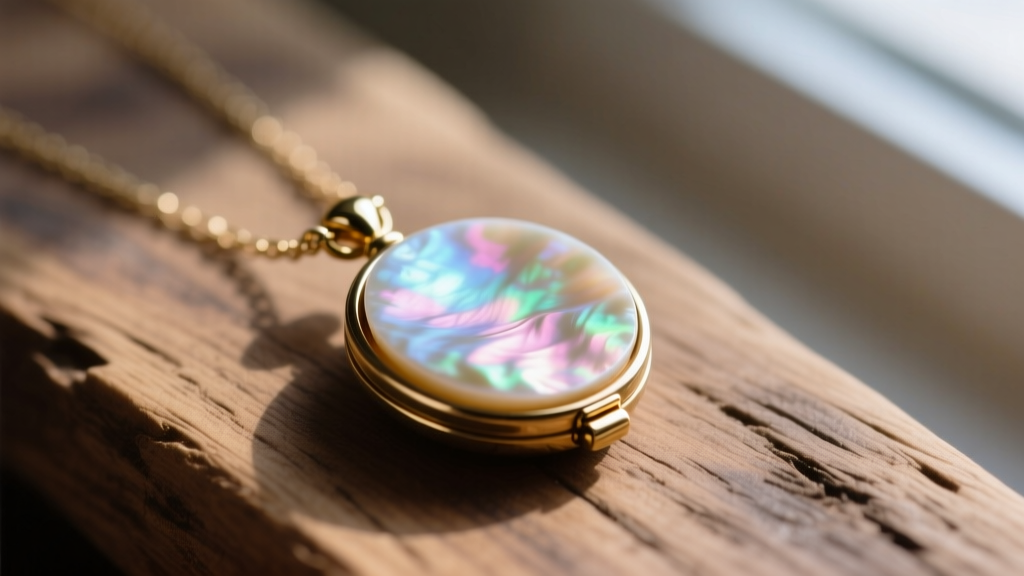
The resurgence of coastal aesthetics and organic jewelry trends has pushed the shell locket necklace back into the spotlight. However, as demand surges, the market has become saturated with everything from $15 fast-fashion trinkets to $400 artisan-crafted heirlooms. For the savvy buyer, navigating this space requires a keen eye for material grading, hardware integrity, and plating standards. In this comprehensive value assessment, we break down exactly what you should be paying for a shell locket necklace in 2026, ensuring your investment holds both sentimental and material worth.
Decoding Shell Materials: What Are You Actually Buying?
Not all shells are created equal. The base material of your locket dictates its durability, visual depth, and baseline market value. According to the Gemological Institute of America (GIA), the nacreous layer of shells varies wildly in thickness, density, and iridescence depending on the mollusk species.
Mother of Pearl (MOP)
Sourced primarily from pearl oysters, MOP is the industry standard for high-end lockets. It features a smooth, milky-white surface with subtle pastel overtones. With a Mohs hardness of 2.5 to 3.0, it is relatively soft but takes an exceptional polish. Genuine MOP should feel cool to the touch and exhibit a deep, multi-layered luster rather than a flat, painted shine.
Abalone and Paua
Abalone (and its New Zealand variant, Paua) offers dramatic, psychedelic flashes of green, blue, and purple. Because the nacre is highly figured, no two abalone lockets look identical. Premium abalone lockets are cut from the thickest part of the shell lip to prevent warping and cracking over time.
Cowrie and Black Lip Shell
Cowrie shells are often used in their natural, spotted state for a rustic look, while Black Lip shell provides a moody, dark iridescent backdrop. These are generally less expensive than pristine MOP but offer incredible textural value for bohemian or eclectic styling.
| Shell Type | Mohs Hardness | Visual Profile | Average Base Value (Locket Only) |
|---|---|---|---|
| Mother of Pearl | 2.5 - 3.0 | Milky white, subtle pastel iridescence | $25 - $60 |
| Abalone / Paua | 2.5 - 3.5 | Vibrant green/blue/purple flashes | $30 - $75 |
| Black Lip Shell | 2.5 - 3.0 | Dark grey/green with silver peacock overtones | $20 - $45 |
| Natural Cowrie | 3.0 - 4.0 | Spotted, matte or semi-gloss, rustic | $10 - $25 |
The Hardware Trap: Hinges, Bales, and Plating
The most common point of failure in any locket is the hinge. When assessing the value of a shell locket necklace, you must look past the beautiful shell and inspect the metalwork.
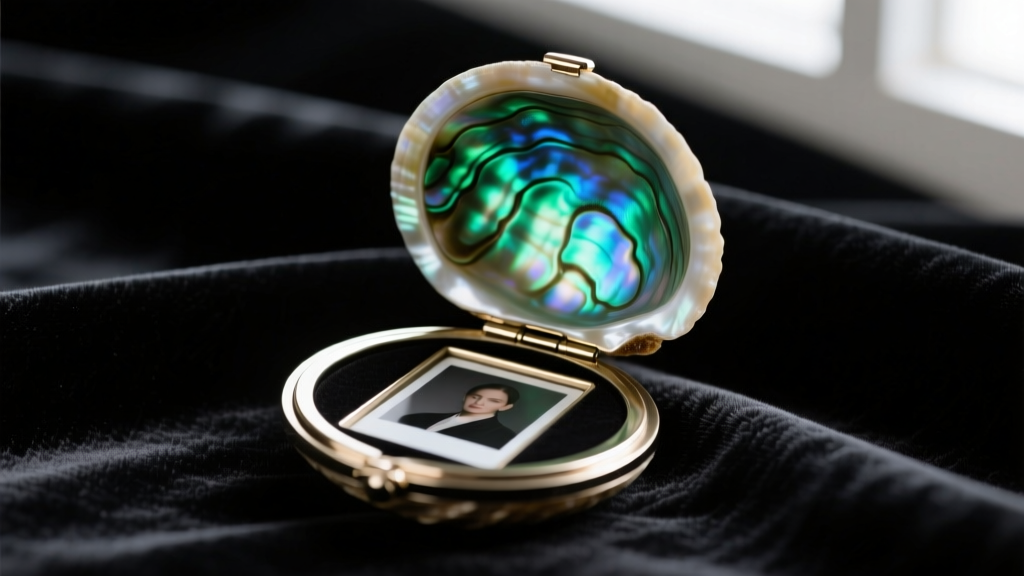
Hinge Mechanics: Soldered vs. Glued
In budget lockets (under $30), the metal hinge is often glued directly to the back of the shell using industrial epoxies. Over time, exposure to skin oils, perfumes, and humidity degrades the adhesive, causing the locket to snap open or detach entirely. High-value lockets feature a soldered hinge, where a metal bezel or backing plate is custom-fitted and the hinge is soldered directly to the metal, not the shell. Always ask the jeweler if the hinge is mechanically secured or glued.
Metal Plating Standards
The chain and locket backing are usually plated, but the thickness of that plating determines the lifespan of the piece. The Federal Trade Commission (FTC) Jewelry Guides strictly define these terms, yet many brands blur the lines:
- Flash Plated: Less than 0.1 microns of gold. Will tarnish within weeks. Value: Negligible.
- Gold Vermeil: A heavy plating of at least 2.5 microns of gold over a sterling silver base. Excellent mid-tier value.
- Gold-Filled: A mechanical bond where gold constitutes at least 5% of the total metal weight. Highly durable, water-resistant, and offers the best value for daily wear.
2026 Pricing Tiers: Assessing True Market Value
To avoid overpaying, use this pricing framework when shopping for a shell locket necklace this year. Prices reflect the complete piece (shell, hardware, and chain).
Tier 1: Fast Fashion & Costume ($15 - $35)
At this price point, you are likely purchasing crushed shell powder mixed with resin, or a very thin veneer of shell glued to an MDF (wood) backing. The chains are usually brass with flash plating. Value Verdict: Only buy for temporary, seasonal trends. Expect a lifespan of 3 to 6 months before tarnishing or hinge failure.
Tier 2: Artisan & Mid-Market ($55 - $120)
This is the sweet spot for genuine value. You should expect solid, carved MOP or abalone, backed by 925 sterling silver or 14k gold-filled hardware. Hinges will be soldered to metal bezels, and clasps will be sturdy lobster claws. Value Verdict: Excellent investment for everyday wear. These pieces hold up beautifully for years with basic care.
Tier 3: Fine Jewelry & Heirloom ($180 - $450+)
At the premium tier, the shell is hand-carved by master artisans, often featuring intricate cameo-style relief work. The hardware is solid 14k or 18k gold, and the piece may include diamond or sapphire accents on the bale. Value Verdict: Buy for milestones and generational gifting. The intrinsic metal weight and craftsmanship justify the premium.
Chain Pairing and Weight Ratios
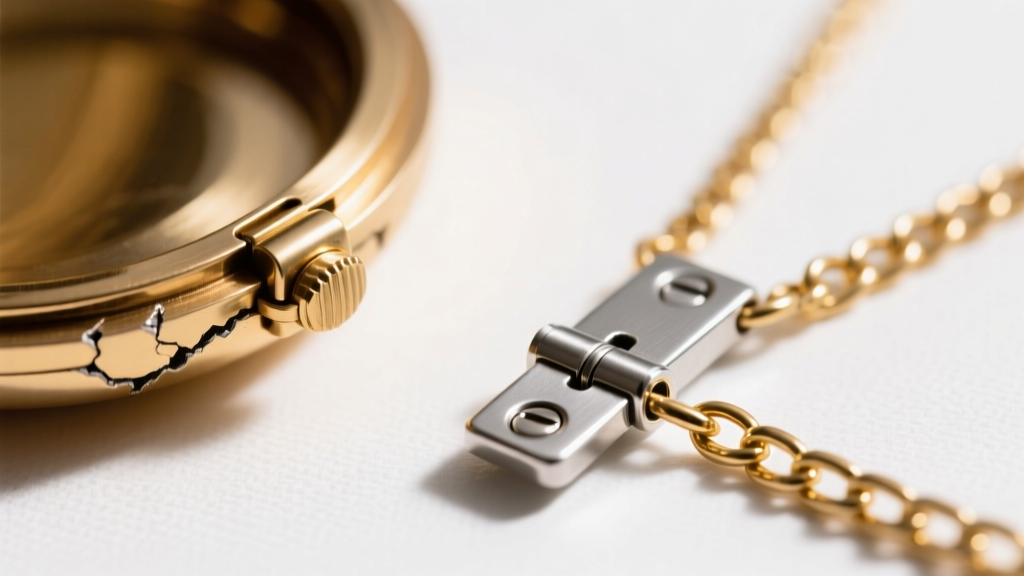
A frequently overlooked aspect of value assessment is the chain-to-pendant weight ratio. Shells are surprisingly dense. A standard 25mm MOP locket with a sterling silver backing can easily weigh between 8 and 14 grams.
If a retailer pairs a 12-gram shell locket with a delicate 0.5mm flash-plated cable chain, the chain will stretch, kink, and eventually snap under the pendulum effect of daily movement. For lockets weighing over 8 grams, insist on a chain that is at least 1.2mm to 1.5mm in thickness, preferably in a rolo or wheat link pattern, which distributes tensile stress far better than standard cable links. If a brand cuts corners on the chain, they have likely cut corners on the locket's internal photo rings as well.
Red Flags: Spotting Overpriced Costume Pieces
Protect your budget by walking away from any shell locket necklace that exhibits these warning signs:
- The "Shell Powder" Deception: If the back of the locket looks perfectly uniform, matte, and lacks any natural growth lines or nacreous depth, it is likely molded resin made from pulverized shell dust.
- Snap-Fit Bezels: High-quality lockets use a friction-fit or soldered bezel to hold the shell in place. If you can see a thick, messy line of clear epoxy seeping out from the edge where the metal meets the shell, it is a low-tier manufacturing shortcut.
- Spring Ring Clasps: A heavy shell locket secured by a tiny, hollow spring ring clasp is a structural liability. The internal spring will fail under the pendant's weight. Always look for a solid lobster clasp.
Final Verdict: Maximizing Your Budget
A beautiful shell locket necklace is a timeless accessory, but its value is entirely dependent on the marriage of organic material and precision metalwork. In 2026, aim to spend between $60 and $110 for a piece that guarantees genuine nacre, gold-filled or solid silver hardware, and a soldered hinge mechanism. By scrutinizing the clasp, checking the chain gauge, and demanding transparency on plating thickness, you can secure a coastal heirloom that will safely hold your most cherished memories for decades to come.


